Compare insurance online and get best prices for your next insurance policy.
Compare and buy your insurance online in minutes.
Quickly compare real-time quotes from top UAE insurance companies, choose the coverage you want, and get instant policies all in just a few clicks.

Get advice from a licensed insurance expert.
We help you to get tailored recommendations from the experienced advisors and help you to understand the benefits and exclusions.

Share your existing policy, we find a better match for you.
Already insured? Upload or share your current policy and our team will analyze it, compare alternatives, and recommend better coverage or pricing from UAE’s top insurers.

03 October 2026
02 October 2026
02 October 2026
Get multiple quotes from leading insurers, choose the best coverage, and buy online with expert support.

Compare multiple insurance options in minutes.

Get help from our insurance specialists whenever you need it.

Clear benefits, clear pricing no confusion.

Buy online and get your policy issued quickly.
We help with renewals, policy updates, and
claims guidance, so you're never on your own.
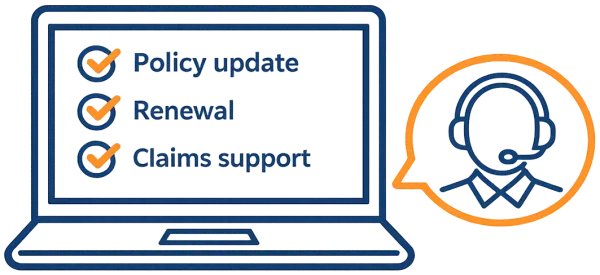
Your peace of mind matters. At Covermatch, our support doesn’t stop after you get the best quote. Our team is here to guide you through claims, renewals, policy changes, and real-time assistance every step of the way.

Our experienced advisors simplify complex insurance terms and help you fully understand your coverage so you can make confident decisions for yourself and your family.
Every situation is unique. Our specialists evaluate your needs and provide clear, unbiased recommendations whether it’s car, health, travel, home, or business insurance.
Have a question? Need urgent help?
Our UAE-based customer care team is available to support you instantly via call, WhatsApp, or email.
Your Source for News and Guides

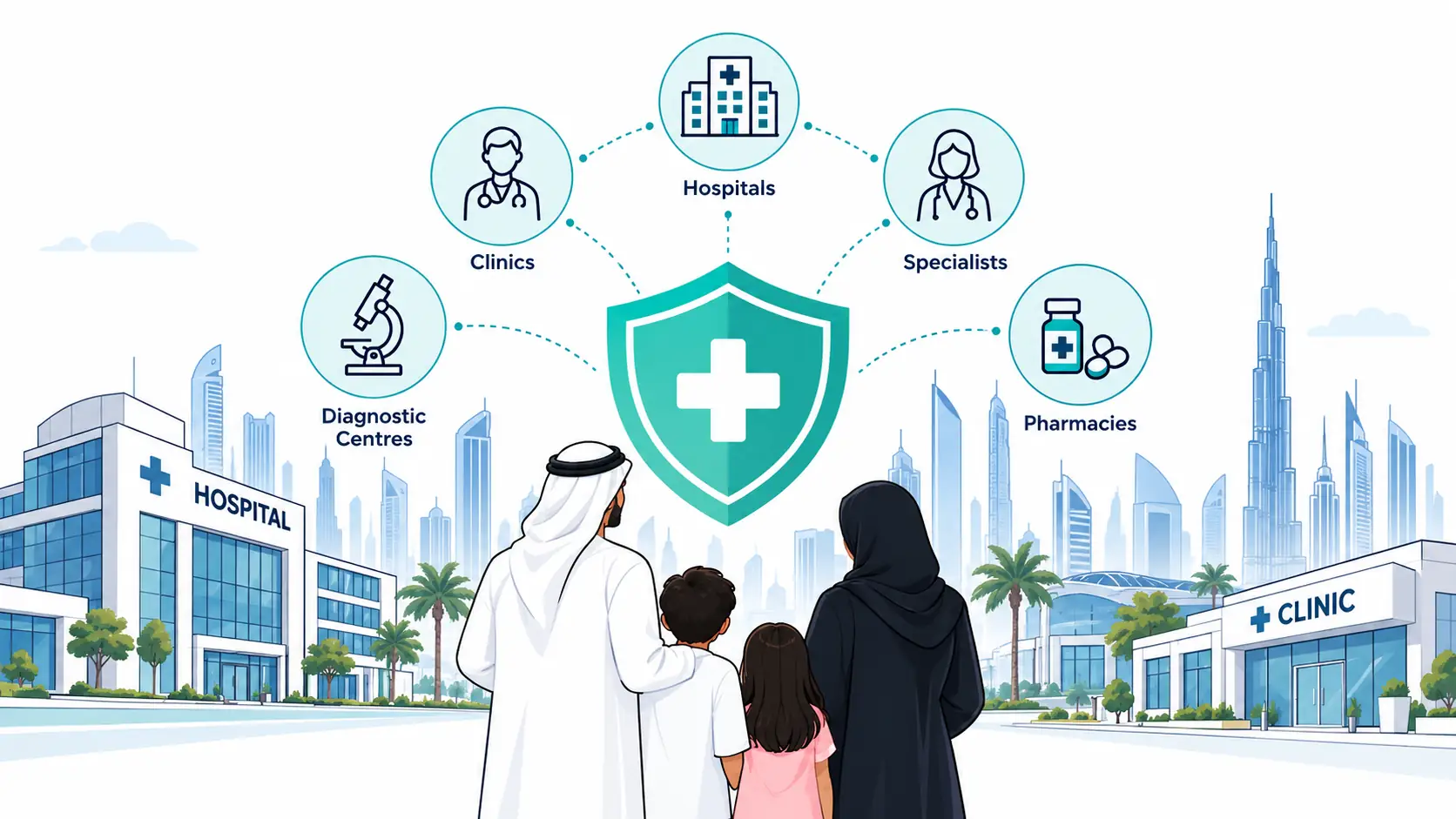
Choosing health insurance in the UAE involves more than comparing premiums. One of the most important factors to consider is the health insurance network included in the policy.Your network determines which hospitals, clinics, doctors, pharmacies, and other healthcare providers you can access under the terms of your plan. A policy may appear affordable, but if your preferred healthcare providers are outside the network, you could face higher out-of-pocket expenses or limited access.Before selecting a health insurance plan, here are the key things UAE residents should check.1. Check Your Preferred HospitalsStart by checking whether the hospitals you already use are included in the insurance network. If you have a preferred hospital for consultations, emergencies, maternity care, or specialist treatment, verify its network status before purchasing a policy.Hospital access can vary significantly between insurance plans, so it is important to check the specific network attached to the policy rather than assuming that a particular hospital will be covered.2. Look at Clinics and Medical CentresYour healthcare needs are not limited to hospitals. Regular consultations, minor treatments, diagnostic services, and follow-up appointments may often take place at clinics and medical centres.Check whether healthcare facilities close to your home or workplace are included in the network. Convenient access to nearby providers can make routine healthcare easier and reduce the need to travel long distances for treatment.3. Review Specialist AvailabilityIf you regularly consult a specialist, check whether relevant specialists are available within the network. Depending on your healthcare needs, this could include specialists such as cardiologists, dermatologists, gynecologists, pediatricians, or orthopedists.Having suitable specialists within your network can make it easier to continue receiving care without having to search for alternative providers.4. Understand Direct BillingFind out which network providers offer direct billing under your health insurance plan. With direct billing, eligible medical expenses may be settled between the healthcare provider and insurer according to the policy terms, instead of requiring you to pay the full amount upfront.However, direct billing does not necessarily mean every service is fully covered. Co-payments, deductibles, exclusions, pre-approval requirements, and policy limits may still apply.5. Understand Your Network TierSome health insurance policies offer different network levels or tiers. These can determine the range of hospitals, clinics, specialists, and healthcare facilities available to you.Always check the exact network attached to the plan you are considering. Two policies from the same insurer may provide different healthcare access depending on the selected plan and network.6. Check Out-of-Network CoverageIt is important to understand what happens if you receive treatment outside your approved network. Some policies may provide reimbursement subject to specific conditions, while others may provide limited or no coverage for certain out-of-network services.Review the reimbursement rules, applicable limits, and conditions before selecting your policy. This can help you understand your potential financial responsibility if you choose or need to visit a provider outside the network.7. Consider Diagnostic Centres and PharmaciesHealthcare networks can extend beyond hospitals and clinics. Depending on your policy, diagnostic centres, laboratories, pharmacies, and other healthcare providers may also form part of your network.Check whether the facilities you are likely to use for blood tests, imaging, prescriptions, and other routine services are included. This can make it easier to manage everyday healthcare expenses.8. Review the Network for Your FamilyIf you are selecting family health insurance, do not review the network only from one person's perspective. Consider the healthcare requirements of children, parents, spouses, and other covered dependents.For example, families may want to check access to pediatricians, maternity facilities, specialists, diagnostic centres, and hospitals. A network that works well for one family member may not necessarily meet everyone's healthcare needs.9. Check Pre-Approval RequirementsSome treatments, procedures, investigations, or hospital admissions may require prior approval from the insurer. Understanding these requirements can help you avoid delays or unexpected expenses.Ask the insurer or insurance provider which services require pre-authorization and how the approval process works. Always follow the policy's requirements before proceeding with treatments that require approval.10. Compare the Network Alongside the PremiumA lower premium does not necessarily mean lower overall healthcare costs. The network, co-payment, deductible, exclusions, annual limits, and other policy conditions can all affect what you eventually pay.When comparing health insurance plans in the UAE, consider the overall value of the coverage rather than looking at the premium alone. The right plan should provide healthcare access that matches your needs and budget.Why the Health Insurance Network MattersYour health insurance network can directly influence where you receive medical care and how much you may have to pay. A well-suited network can make it easier to access preferred hospitals, clinics, specialists, and diagnostic services.For UAE residents, reviewing the network is particularly important because healthcare providers and coverage arrangements can vary between insurance plans. Taking time to understand the network before purchasing a policy can help reduce surprises later.Selecting health insurance is not simply about finding the lowest premium. It is about understanding the healthcare access, benefits, limitations, and costs included in the policy.Before choosing a health insurance plan in the UAE, check your preferred hospitals, clinics, specialists, diagnostic centres, pharmacies, network tier, direct-billing arrangements, and out-of-network conditions.Compare your options carefully, understand the network, and choose health coverage that fits your healthcare needs.Covermatch Compare. Choose. Stay Protected.

The construction industry is built on planning, precision, and risk management. From residential developments and commercial buildings to infrastructure and industrial projects, construction companies face numerous challenges throughout every stage of a project. While many businesses purchase construction insurance to comply with contractual obligations or legal requirements, its value extends far beyond simple compliance.Construction insurance serves as a critical financial safeguard that protects businesses, project owners, contractors, employees, and stakeholders from unexpected events that could otherwise result in significant losses. In today's complex construction environment, insurance is not just a requirement—it's a strategic tool for business continuity, financial stability, and project success. Understanding Construction RisksConstruction projects involve multiple variables that can create unexpected challenges. Workers, machinery, materials, subcontractors, and changing site conditions all contribute to a risk-filled environment.Some of the most common construction risks include:Accidental property damageEquipment theft or vandalismWorkplace injuriesFire and explosionsStructural failuresWeather-related incidentsThird-party property damageProject delaysEven with strong safety measures in place, no construction project is completely risk-free. Financial Protection Against Unexpected LossesOne of the most significant benefits of construction insurance is financial protection. Construction projects often involve substantial investments, and a single incident can lead to costly repairs, replacements, and delays.Without insurance, businesses may be forced to absorb these expenses directly, affecting profitability and cash flow. Construction insurance helps transfer a portion of these risks to the insurer, reducing the financial burden on contractors and project owners.This protection allows businesses to recover more quickly from unforeseen events and continue operations with minimal disruption. Protecting Construction Materials and EquipmentConstruction sites contain valuable materials, tools, and machinery that are essential for project completion. Theft, accidental damage, or equipment breakdown can create unexpected costs and project delays.Construction insurance can help cover losses involving:Building materialsHeavy machineryConstruction toolsTemporary site structuresEquipment stored on-siteBy protecting these assets, businesses can avoid significant financial setbacks and maintain project momentum. Supporting Workplace Safety and Employee ProtectionConstruction remains one of the industries with the highest exposure to workplace accidents. Even with strict safety procedures, injuries can occur during daily operations.Insurance plays a vital role in helping businesses manage the financial consequences of workplace incidents by covering medical expenses, compensation costs, and legal obligations associated with employee injuries.This support benefits both employers and employees while contributing to a safer and more responsible work environment. Managing Third-Party Liability RisksConstruction activities can affect neighboring properties, businesses, pedestrians, and visitors. Accidental damage or injuries involving third parties can result in costly legal claims and compensation demands.Construction insurance helps provide protection against:Third-party bodily injury claimsProperty damage claimsLegal defense costsCompensation settlementsThis coverage helps businesses navigate liability issues while protecting their reputation and financial stability. Ensuring Project ContinuityProject interruptions can be costly. Delays caused by accidents, weather events, or equipment failures can impact schedules, increase labor costs, and affect client relationships.Construction insurance provides financial support that helps businesses recover from covered incidents more efficiently. By reducing the impact of unexpected setbacks, insurance contributes to smoother project execution and greater operational resilience.For many companies, maintaining project continuity is just as important as protecting physical assets. Building Client and Investor ConfidenceClients, developers, lenders, and investors often view comprehensive insurance coverage as a sign of professionalism and responsible risk management.When a construction company demonstrates that it has adequate insurance protection in place, stakeholders gain greater confidence in the project's ability to withstand unexpected challenges.This trust can help businesses secure contracts, attract investors, and strengthen long-term partnerships. Enhancing Business ReputationA construction company's reputation is one of its most valuable assets. Companies that effectively manage risks and respond quickly to unexpected incidents are often viewed as more reliable and trustworthy.Insurance enables businesses to handle claims, repairs, and liabilities efficiently, helping protect their reputation and maintain positive relationships with clients and partners.In a competitive industry, strong risk management practices can become a significant business advantage. Supporting Long-Term Business GrowthConstruction insurance allows companies to pursue larger and more complex projects with greater confidence. Knowing that financial protection is in place enables businesses to take on opportunities that may otherwise seem too risky.As construction companies grow, insurance becomes an essential part of their overall business strategy, helping support expansion while managing potential risks effectively. More Than Compliance—A Strategic InvestmentWhile legal and contractual requirements often drive the purchase of construction insurance, its true value lies in the protection and stability it provides.Construction insurance helps:Protect project investmentsSafeguard equipment and materialsManage liability exposuresSupport employee welfareMaintain project continuityStrengthen stakeholder confidenceProtect business reputationThese benefits extend far beyond meeting regulatory obligations.Construction insurance is often viewed as a mandatory expense, but in reality, it is a vital investment in the success and sustainability of a construction business. From protecting valuable assets and managing liabilities to supporting project continuity and stakeholder confidence, insurance plays a crucial role in modern construction risk management.In an industry where unexpected events can occur at any stage, construction insurance provides the financial protection and peace of mind needed to build with confidence. Rather than seeing it solely as a legal requirement, construction companies should view insurance as an essential tool for long-term growth, resilience, and business success

Large-scale infrastructure projects play a vital role in supporting economic growth, urban development, and public services. Roads, bridges, airports, rail networks, power plants, ports, and utility systems require significant investments, extensive planning, and years of execution. These projects often involve multiple contractors, sophisticated equipment, large workforces, and substantial financial commitments.While infrastructure developments create long-term benefits for communities and economies, they also face a wide range of risks during construction. Unexpected incidents such as accidents, equipment damage, natural events, or third-party liabilities can lead to costly delays and financial losses. This is where Construction All Risk (CAR) Insurance becomes an essential component of project risk management.CAR Insurance provides comprehensive protection for infrastructure projects by covering a broad range of construction-related risks and helping stakeholders manage uncertainties throughout the project lifecycle. Understanding Large-Scale Infrastructure ProjectsInfrastructure projects differ significantly from standard construction developments due to their size, complexity, and duration.Examples include:Highways and road networksBridges and tunnelsAirports and seaportsRail and metro systemsPower generation facilitiesWater treatment plantsOil and gas infrastructureTelecommunications networksThese projects often involve multiple stakeholders, including government agencies, developers, contractors, subcontractors, consultants, and investors.Given their scale and complexity, effective risk management becomes a critical requirement. Why Infrastructure Projects Face Greater RisksLarge infrastructure projects operate in challenging environments where numerous factors can impact progress.Common risks include:Accidental damage to ongoing construction workEquipment and machinery breakdownsTheft of construction materialsFire and explosion incidentsDesign and execution errorsNatural disasters and adverse weather conditionsThird-party property damageBodily injury claimsProject delays and disruptionsThe financial impact of these incidents can be significant, making comprehensive insurance protection essential. What Is Construction All Risk (CAR) Insurance?Construction All Risk Insurance is a specialized policy designed to protect construction projects against a wide range of physical loss or damage during the construction period.Unlike traditional insurance policies that focus on specific risks, CAR Insurance provides broad coverage for unforeseen and accidental events affecting the project.The policy is typically purchased by:Project ownersMain contractorsDevelopersEngineering firmsInfrastructure investorsIts objective is to minimize financial losses and support project continuity when unexpected incidents occur. Protecting High-Value Construction AssetsInfrastructure projects involve substantial investments in materials, machinery, and equipment.Examples include:Heavy earthmoving machineryCranes and lifting equipmentSpecialized construction vehiclesElectrical and mechanical systemsStructural componentsDamage or loss involving these assets can result in significant repair or replacement costs.CAR Insurance helps cover these losses, allowing projects to recover quickly and maintain progress without severe financial disruption. Coverage for Accidental Physical DamageOne of the primary benefits of CAR Insurance is protection against accidental physical damage to the project itself.Coverage may include:Structural damage during constructionCollapse of partially completed worksFire-related lossesDamage caused by construction activitiesImpact damage from machinery or equipmentFor infrastructure projects where construction values often reach millions or even billions of dirhams, this protection is particularly important. Managing Third-Party Liability RisksInfrastructure projects frequently operate near residential areas, commercial zones, transportation routes, and public spaces.Construction activities may unintentionally cause:Damage to neighboring propertiesInjury to members of the publicDisruptions to utilities and servicesCAR Insurance often includes third-party liability coverage that helps address legal expenses, compensation claims, and settlement costs arising from such incidents.This protection helps safeguard both project finances and stakeholder reputations. Protection Against Natural EventsLarge-scale infrastructure projects are exposed to environmental and weather-related risks throughout their construction phase.Potential threats include:FloodingStormsHeavy rainfallSandstormsGround movementExtreme temperaturesSuch events can damage ongoing work and delay project completion.CAR Insurance provides financial protection against covered losses, helping projects recover more efficiently from unforeseen natural events. Supporting Project ContinuityInfrastructure projects are often delivered under strict contractual deadlines and budget requirements.Unexpected incidents can lead to:Construction delaysIncreased labor costsMaterial replacement expensesContractual penaltiesBy providing financial support following covered losses, CAR Insurance helps minimize disruptions and enables contractors to resume work as quickly as possible.This contributes to improved project continuity and operational resilience. Enhancing Stakeholder ConfidenceInfrastructure developments involve significant investments from governments, financial institutions, developers, and private investors.Comprehensive insurance coverage demonstrates that project risks are being managed responsibly.Stakeholders gain confidence knowing that financial protection is in place to address unforeseen incidents and reduce exposure to major losses.This can improve financing opportunities and strengthen relationships among project participants. Supporting Regulatory and Contractual RequirementsMany infrastructure contracts require contractors and developers to maintain adequate insurance coverage before construction begins.CAR Insurance often forms an essential part of project documentation and risk management planning.Maintaining proper coverage helps organizations meet contractual obligations while ensuring projects remain compliant with industry standards and stakeholder expectations. CAR Insurance in the UAE Infrastructure SectorThe UAE continues to invest heavily in infrastructure development, including transportation networks, renewable energy projects, smart cities, and large-scale urban expansion initiatives.As project values continue to increase, the importance of Construction All Risk Insurance grows alongside them.CAR Insurance helps UAE contractors, developers, and project owners manage risks effectively while supporting the successful completion of critical infrastructure developments that contribute to the nation's long-term growth. Large-scale infrastructure projects involve substantial investments, complex operations, and a wide range of risks that can impact project success. Accidental damage, equipment losses, natural events, and third-party liabilities can create serious financial challenges if not properly managed.Construction All Risk (CAR) Insurance provides comprehensive protection that helps safeguard project assets, support business continuity, and strengthen stakeholder confidence throughout the construction process.For contractors, developers, and project owners involved in major infrastructure developments, CAR Insurance is more than a protective measure—it is a strategic risk management tool that helps ensure projects are completed successfully, efficiently, and with greater financial security.

Travel Insurance for Families Traveling With Children and SeniorsTraveling with family can be one of the most rewarding experiences, whether it involves a holiday abroad, visiting relatives, or exploring new destinations. However, when children and senior citizens are part of the journey, additional planning becomes necessary to ensure comfort, safety, and peace of mind. One of the most important aspects of travel preparation is securing the right travel insurance coverage.Children and seniors often have unique travel-related risks and healthcare needs compared to other travelers. Understanding how travel insurance can help protect these family members can make a significant difference when unexpected situations arise during a trip.Why Travel Insurance Matters for FamiliesTravel insurance is designed to provide financial protection against unforeseen events that may occur before or during a trip. These can include medical emergencies, trip cancellations, lost baggage, travel delays, and other unexpected disruptions.For families traveling with children or elderly relatives, the importance of travel insurance increases because these age groups may be more vulnerable to illness, accidents, or travel-related complications.Travel Insurance Considerations for Children1. Medical Coverage for Unexpected IllnessesChildren can become ill unexpectedly while traveling due to changes in climate, food, water, or exposure to new environments. A travel insurance policy with comprehensive medical coverage can help cover doctor visits, hospitalization, prescription medications, and emergency treatment expenses abroad.Access to quality healthcare in another country can be expensive, making medical coverage one of the most valuable travel insurance benefits for families.2. Emergency Medical AssistanceTravel insurance often includes access to emergency assistance services that can help families locate medical facilities, arrange treatment, and provide support during emergencies.This assistance can be particularly valuable when traveling in unfamiliar destinations where language barriers or local healthcare systems may be difficult to navigate.3. Trip Cancellation ProtectionChildren may experience sudden illnesses before departure, forcing families to postpone or cancel travel plans. Trip cancellation coverage may help recover eligible non-refundable travel expenses when a covered event prevents the trip from taking place.This protection can reduce the financial impact of unexpected disruptions before the journey begins.4. Travel Delays and DisruptionsLong delays, missed connections, or flight cancellations can be especially challenging when traveling with young children. Travel insurance may provide coverage for certain expenses related to covered travel delays, helping families manage unexpected situations more comfortably.5. Coverage for Family Travel PlansMany insurers offer family travel insurance plans that include coverage for parents and dependent children under a single policy. This can simplify travel planning while ensuring all family members are protected throughout the trip.Travel Insurance Considerations for Seniors1. Comprehensive Medical ProtectionMedical coverage is often the most important consideration for senior travelers. Healthcare costs abroad can be substantial, particularly if hospitalization or specialized treatment becomes necessary.Travel insurance can help cover eligible medical expenses incurred during the trip, providing financial protection against unexpected healthcare costs.2. Pre-Existing Medical ConditionsMany senior travelers may have ongoing health conditions that require special attention. Before purchasing a policy, it is important to review how pre-existing medical conditions are treated under the travel insurance plan.Understanding policy terms, exclusions, and eligibility requirements can help travelers choose coverage that best suits their needs.3. Emergency Medical EvacuationIn serious medical situations, transportation to an appropriate healthcare facility may be required. Emergency medical evacuation coverage can assist with the costs associated with medically necessary transportation during a covered emergency.This benefit can be particularly important when traveling to remote destinations or countries with limited healthcare infrastructure.4. Trip Interruption CoverageUnexpected health concerns may force seniors to cut a trip short or return home earlier than planned. Trip interruption benefits can help minimize financial losses associated with covered interruptions to travel arrangements.5. Assistance During Travel EmergenciesTravel assistance services can provide support for medical referrals, emergency communication, travel coordination, and other urgent needs. Having access to professional assistance can be reassuring for senior travelers and their families.Key Features Families Should Look For in Travel InsuranceWhen selecting travel insurance for children and seniors, families should consider the following features:Emergency medical coverageHospitalization benefitsEmergency medical evacuationTrip cancellation and interruption coverageTravel delay protectionLost baggage coverage24/7 emergency assistance servicesCoverage options suitable for family travelClear policy terms regarding pre-existing conditionsCarefully reviewing policy details helps ensure that coverage aligns with the specific needs of all travelers.Tips for Choosing the Right Travel InsuranceCompare Multiple PoliciesDifferent insurers offer varying levels of coverage, limits, and benefits. Comparing multiple options allows families to find a policy that balances protection and affordability.Review Age EligibilitySome policies may have age-related restrictions or specific conditions for senior travelers. Always review eligibility requirements before purchasing coverage.Check Medical Coverage LimitsMedical expenses abroad can be costly, particularly in destinations with high healthcare costs. Ensure the policy provides sufficient medical coverage for your travel plans.Understand ExclusionsReading the policy carefully helps travelers understand what is and is not covered. Awareness of exclusions can help prevent misunderstandings during the claims process.Purchase Coverage EarlyBuying travel insurance soon after booking a trip may provide access to additional benefits and protection for certain pre-departure risks.The Value of Travel Insurance for Family TravelTravel should be an enjoyable and memorable experience for every family member. While no one can predict unexpected illnesses, accidents, or travel disruptions, proper travel insurance can provide valuable protection when challenges arise.For families traveling with children and seniors, choosing comprehensive travel insurance helps create greater confidence throughout the journey. By understanding coverage options and selecting a policy that addresses the specific needs of all travelers, families can focus on making lasting memories rather than worrying about unforeseen events.
Get instant quotes, compare plans, and save on your premium today.
Covermatch allows you to compare and buy multiple types of insurance in the UAE from leading insurance providers. These include car insurance, health insurance, travel insurance, life insurance, home insurance, and other general insurance policies. By comparing multiple quotes in one place, customers can easily choose the best coverage based on price, benefits, and insurer reputation.
You can compare car insurance in the UAE by entering a few details about your vehicle and driver profile. Covermatch instantly provides multiple quotes from top UAE insurance companies, allowing you to compare coverage, benefits, and premiums before purchasing the policy online.
Yes. Covermatch allows individuals, families, and companies to compare and buy health insurance plans online in the UAE. Our platform helps you compare plans from different insurers based on hospital networks, coverage benefits, and premium cost to find the most suitable medical insurance.
Covermatch compares policies from multiple insurance providers in real time. This allows customers to see different coverage options and prices side by side, helping them select the best insurance policy that fits their needs and budget.
Yes. Covermatch works with trusted and regulated insurance companies in the UAE. All transactions are secure, and policies are issued directly from the insurance providers after purchase.
Several factors influence car insurance premiums, including: vehicle make and model, car value and year of manufacture, driver age and driving history, claims history, type of coverage (Comprehensive or Third Party), and additional benefits such as roadside assistance. Comparing multiple insurers through Covermatch helps you get the best price.
Yes. You can easily renew your car insurance online in the UAE through Covermatch. Simply enter your vehicle details, compare available renewal quotes, and choose the policy that offers the best value.
If you purchased your insurance through Covermatch, you can contact our support team for assistance with the claims process. Our team will guide you through the required documents and help coordinate with the insurance company for faster claim processing.
Most policies are issued instantly or within a few minutes after payment confirmation. In some cases where additional underwriting is required, the policy may take a little longer to be issued.
Insurance prices and benefits vary across different companies. By comparing insurance through Covermatch, you can find better coverage options, get competitive pricing, understand policy benefits clearly, and choose the most suitable insurer. Comparing policies helps customers make a more informed decision before purchasing insurance.