Why CAR Insurance Is Essential for Infrastructure Project
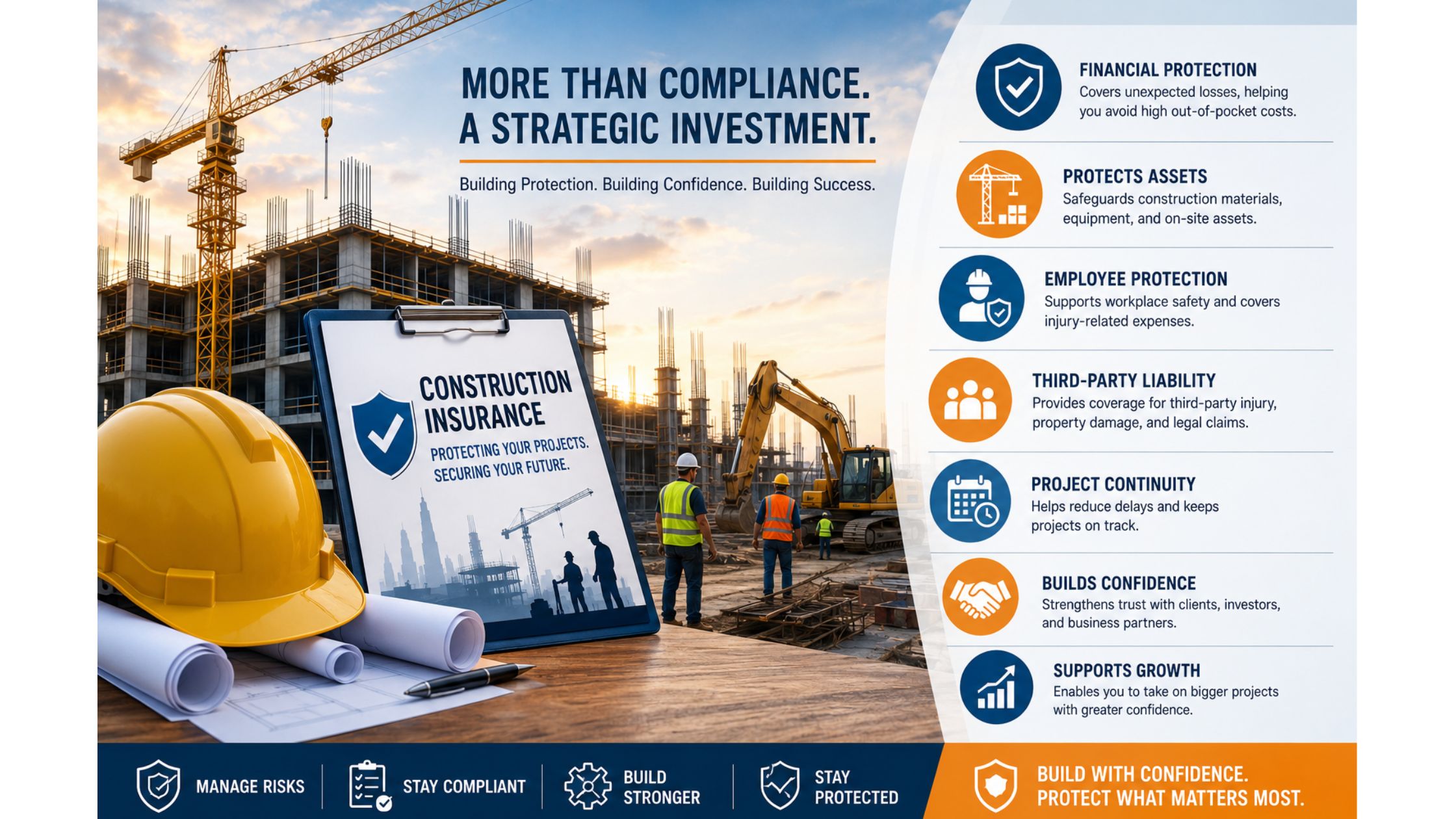
The construction industry is built on planning, precision, and risk management. From residential developments and commercial buildings to infrastructure and industrial projects, construction companies face numerous challenges throughout every stage of a project. While many businesses purchase construction insurance to comply with contractual obligations or legal requirements, its value extends far beyond simple compliance.
Construction insurance serves as a critical financial safeguard that protects businesses, project owners, contractors, employees, and stakeholders from unexpected events that could otherwise result in significant losses. In today's complex construction environment, insurance is not just a requirement—it's a strategic tool for business continuity, financial stability, and project success.
Understanding Construction Risks
Construction projects involve multiple variables that can create unexpected challenges. Workers, machinery, materials, subcontractors, and changing site conditions all contribute to a risk-filled environment.
Some of the most common construction risks include:
Even with strong safety measures in place, no construction project is completely risk-free.
Financial Protection Against Unexpected Losses
One of the most significant benefits of construction insurance is financial protection. Construction projects often involve substantial investments, and a single incident can lead to costly repairs, replacements, and delays.
Without insurance, businesses may be forced to absorb these expenses directly, affecting profitability and cash flow. Construction insurance helps transfer a portion of these risks to the insurer, reducing the financial burden on contractors and project owners.
This protection allows businesses to recover more quickly from unforeseen events and continue operations with minimal disruption.
Protecting Construction Materials and Equipment
Construction sites contain valuable materials, tools, and machinery that are essential for project completion. Theft, accidental damage, or equipment breakdown can create unexpected costs and project delays.
Compare Contractors All Risk Insurance for construction projects.
Construction insurance can help cover losses involving:
By protecting these assets, businesses can avoid significant financial setbacks and maintain project momentum.
Supporting Workplace Safety and Employee Protection
Construction remains one of the industries with the highest exposure to workplace accidents. Even with strict safety procedures, injuries can occur during daily operations.
Insurance plays a vital role in helping businesses manage the financial consequences of workplace incidents by covering medical expenses, compensation costs, and legal obligations associated with employee injuries.
This support benefits both employers and employees while contributing to a safer and more responsible work environment.
Managing Third-Party Liability Risks
Construction activities can affect neighboring properties, businesses, pedestrians, and visitors. Accidental damage or injuries involving third parties can result in costly legal claims and compensation demands.
Construction insurance helps provide protection against:
This coverage helps businesses navigate liability issues while protecting their reputation and financial stability.
Ensuring Project Continuity
Project interruptions can be costly. Delays caused by accidents, weather events, or equipment failures can impact schedules, increase labor costs, and affect client relationships.
Construction insurance provides financial support that helps businesses recover from covered incidents more efficiently. By reducing the impact of unexpected setbacks, insurance contributes to smoother project execution and greater operational resilience.
For many companies, maintaining project continuity is just as important as protecting physical assets.
Building Client and Investor Confidence
Clients, developers, lenders, and investors often view comprehensive insurance coverage as a sign of professionalism and responsible risk management.
When a construction company demonstrates that it has adequate insurance protection in place, stakeholders gain greater confidence in the project's ability to withstand unexpected challenges.
Compare Contractors All Risk Insurance for complete project protection.
This trust can help businesses secure contracts, attract investors, and strengthen long-term partnerships.
Enhancing Business Reputation
A construction company's reputation is one of its most valuable assets. Companies that effectively manage risks and respond quickly to unexpected incidents are often viewed as more reliable and trustworthy.
Insurance enables businesses to handle claims, repairs, and liabilities efficiently, helping protect their reputation and maintain positive relationships with clients and partners.
In a competitive industry, strong risk management practices can become a significant business advantage.
Supporting Long-Term Business Growth
Construction insurance allows companies to pursue larger and more complex projects with greater confidence. Knowing that financial protection is in place enables businesses to take on opportunities that may otherwise seem too risky.
As construction companies grow, insurance becomes an essential part of their overall business strategy, helping support expansion while managing potential risks effectively.
More Than Compliance—A Strategic Investment
While legal and contractual requirements often drive the purchase of construction insurance, its true value lies in the protection and stability it provides.
Construction insurance helps:
These benefits extend far beyond meeting regulatory obligations.
Construction insurance is often viewed as a mandatory expense, but in reality, it is a vital investment in the success and sustainability of a construction business. From protecting valuable assets and managing liabilities to supporting project continuity and stakeholder confidence, insurance plays a crucial role in modern construction risk management.
In an industry where unexpected events can occur at any stage, construction insurance provides the financial protection and peace of mind needed to build with confidence. Rather than seeing it solely as a legal requirement, construction companies should view insurance as an essential tool for long-term growth, resilience, and business success
