
Pre-existing Conditions UAE
Pre-existing conditions are one of the most misunderstood aspects of health insurance in the UAE. Many residents worry that having a prior medical condition will prevent them from getting insurance or result in claim rejection.
Buying health insurance for?
Partners






















How Health Insurance Covers Existing Medical Issues
Pre-existing conditions are one of the most misunderstood aspects of health insurance in the UAE. Many residents worry that having a prior medical condition will prevent them from getting insurance or result in claim rejection.
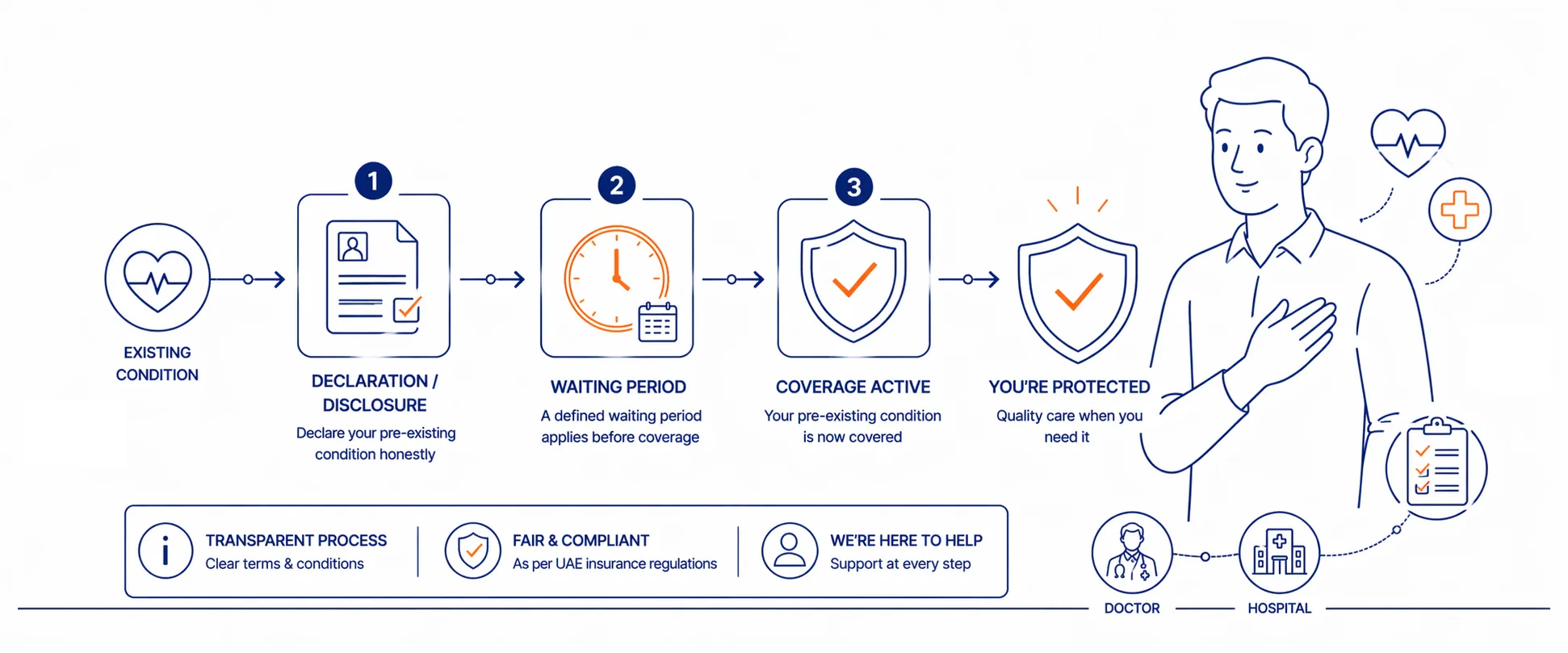
In reality, UAE health insurance regulations allow coverage for pre-existing conditions, provided the condition is disclosed and policy rules are followed. This guide explains Pre-existing Conditions UAE in detail—what qualifies as a pre-existing condition, how insurers handle them, applicable waiting periods, and how to choose the right policy.
What Is a Pre-existing Condition?
A pre-existing condition is any illness, medical condition, or health issue that:
- Was diagnosed before purchasing a health insurance policy
- Required treatment, medication, or medical advice prior to policy start
Pre-existing conditions must be declared during the application process.
Common Examples of Pre-existing Conditions
Pre-existing conditions may include (but are not limited to):
Diabetes
Hypertension(High Blood Pressure)
Asthma
Thyroid disorders
Heart disease
Arthritis
Chronic back pain
Kidney or liver conditions
Each insurer evaluates conditions based on severity and medical history.
Are Pre-existing Conditions Covered in the UAE?

Yes. UAE health insurance regulations require insurers to consider coverage for pre-existing medical conditions.
Coverage is subject to:
- Full medical disclosure
- Policy underwriting review
- Defined waiting periods
Coverage is not automatic on day one but becomes available after policy conditions are met.
Mandatory Disclosure: Why It Matters
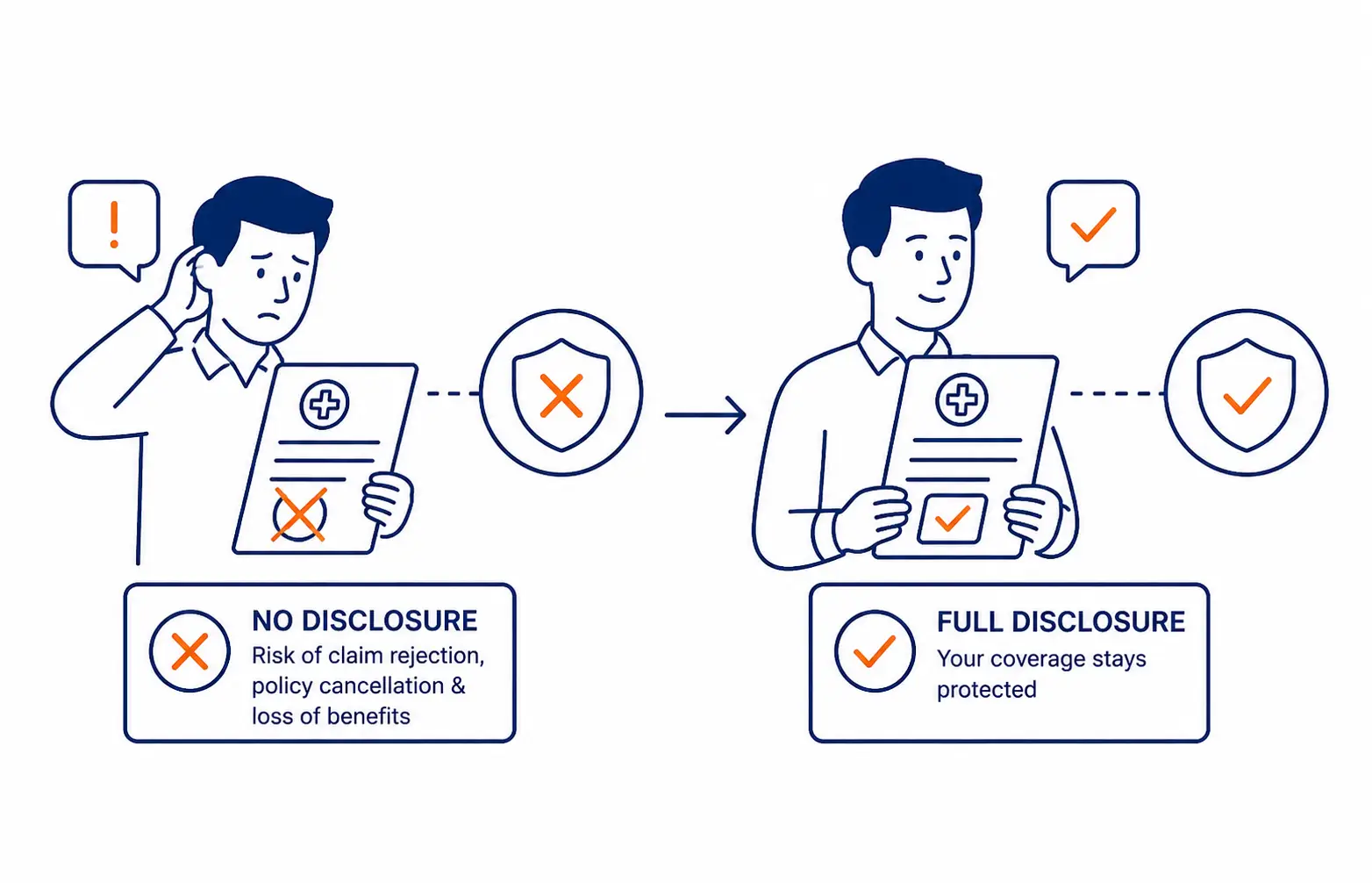
Disclosing pre-existing conditions is legally and contractually required.
Failure to disclose may result in:
- Claim rejection
- Policy cancellation
- Loss of coverage benefits
Even minor conditions should be declared to avoid disputes later.
Waiting Period for Pre-existing Conditions
Most health insurance policies in the UAE apply a waiting period before coverage begins for pre-existing conditions.
What Is a Waiting Period?
A waiting period is the time during which treatment related to a pre-existing condition is not covered.
Typical Waiting Period Duration
- May range from a few months
- Up to a defined maximum period as per policy terms
- Varies based on insurer and medical condition
After the waiting period, eligible treatments may be covered.
Coverage During the Waiting Period

While a waiting period applies to pre-existing conditions, health insurance coverage continues for other medical needs during this time.
During the waiting period:
- New or unrelated medical issues are covered
- Emergency treatment may still apply
- Pre-existing conditions treatment is excluded
Understanding this distinction is critical when selecting a plan.
How Insurers Assess Pre-existing Conditions
When you disclose a condition, insurers may:

Request medical reports

Ask for treatment history

Review medication usage

Apply specific terms or exclusions
The goal is to assess risk and define coverage terms clearly.
Pre-existing Conditions and Emergency Treatment
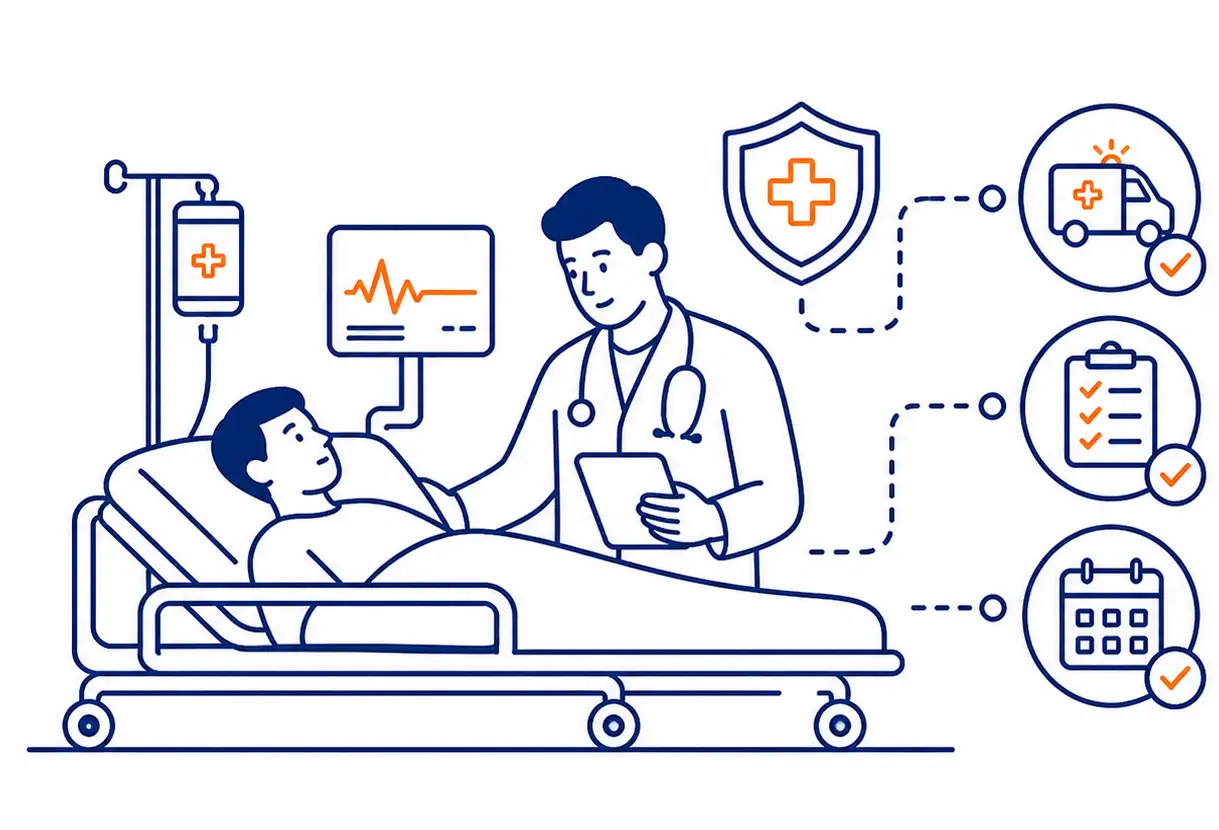
Emergency medical treatment is generally covered under UAE health insurance policies, even when it is related to a pre-existing condition, subject to policy terms and limits.
However, the following may still apply:
- Follow-up treatment after emergency care
- Ongoing management of the pre-existing condition
These services may remain subject to waiting period rules until all policy conditions are fully met.
Pre-existing Conditions in Individual vs Family Health Insurance
The way pre-existing conditions are assessed differs between individual and family health insurance plans.
Individual Health Insurance
- Pre-existing condition assessment applies only to the policyholder
- Medical history of other family members is not considered
Family Health Insurance
- Each family member’s medical history is assessed separately
- Waiting periods and terms may differ for each insured member
👉 For family-specific rules and coverage details, see Family Health Insurance UAE.
Pre-existing Conditions Under the
Essential Benefits Plan (EBP)
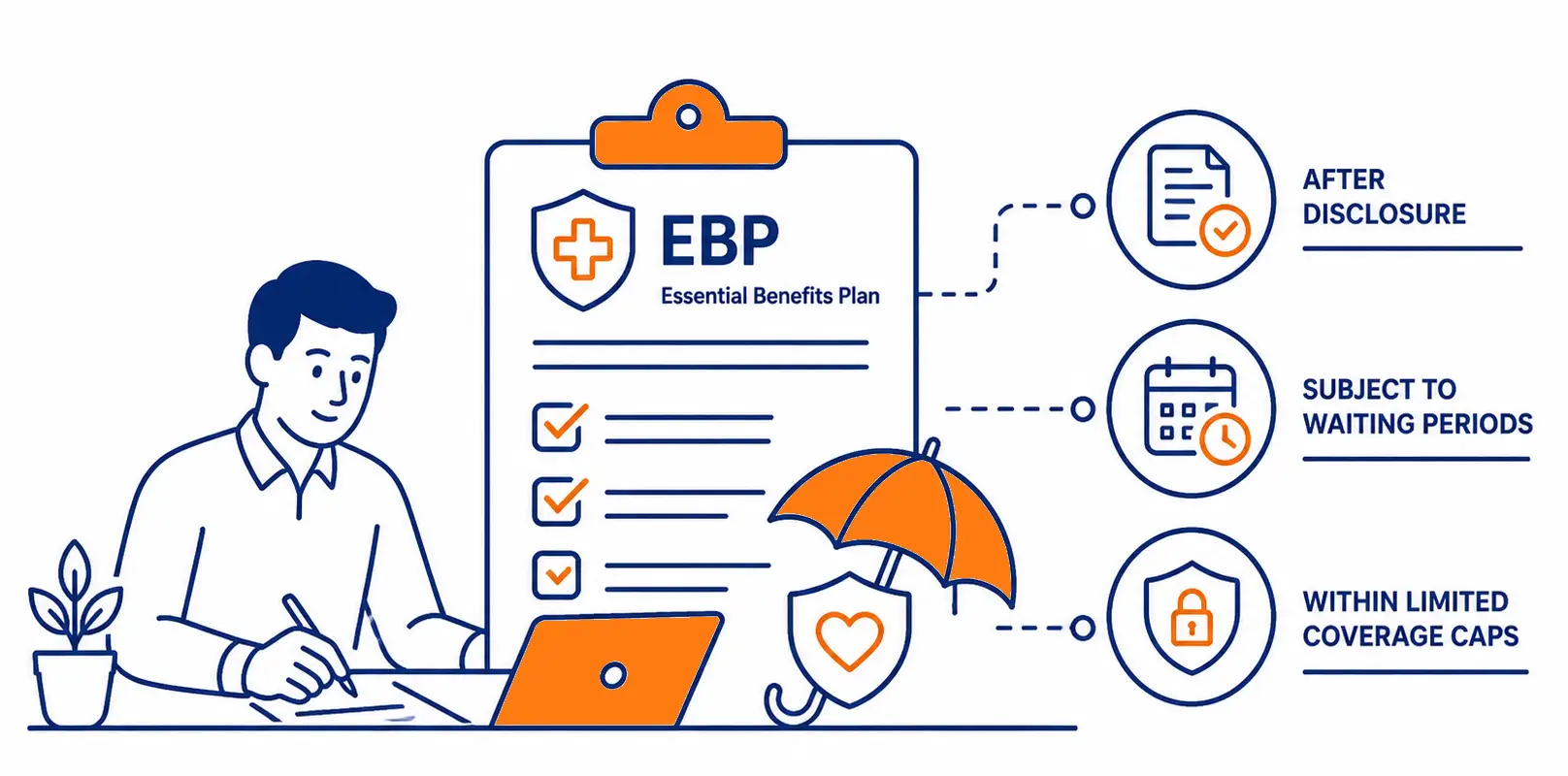
EBP policies may cover pre-existing conditions:
- After disclosure
- Subject to waiting periods
- Within limited coverage caps
Due to its affordability-focused structure, EBP offers more limited coverage for pre-existing conditions compared to standard health insurance plans.
👉 Learn more under Essential Benefits Plan (EBP).
Switching Health Insurance with Pre-existing Conditions
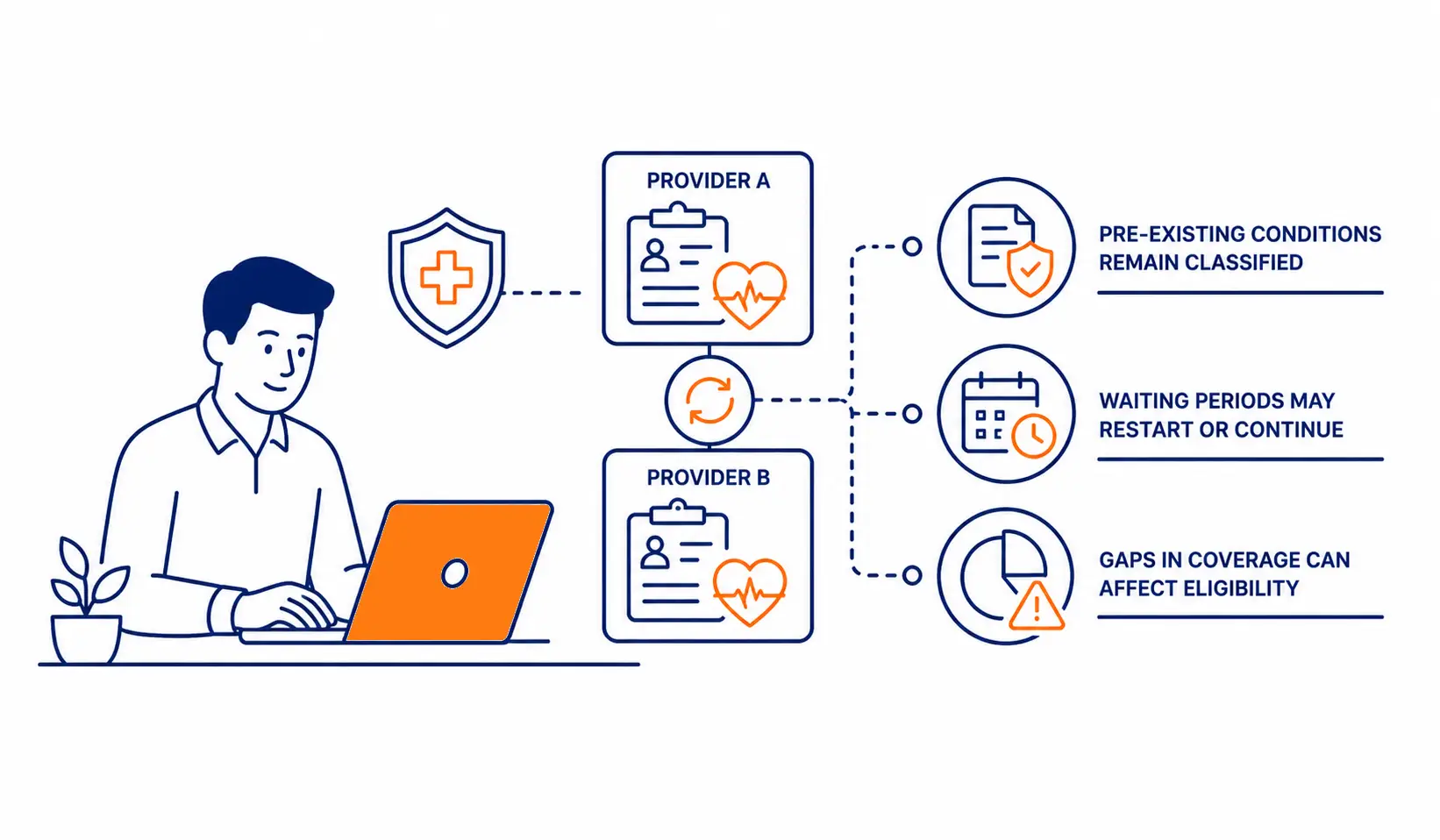
When switching health insurance providers in the UAE, pre-existing medical conditions do not reset or disappear and continue to be treated as pre-existing.
Important points to understand:
- Pre-existing conditions remain classified as pre-existing
- Waiting periods may restart or continue, depending on continuity rules
- Gaps in coverage can affect eligibility
Maintaining continuous insurance helps protect your benefits.
Common Myths About Pre-existing Conditions
There are many misconceptions about how pre-existing conditions are treated under health insurance in the UAE.
Myth
Pre-existing conditions are never covered.
Fact
They are covered after disclosure and waiting periods
Myth
Only serious illnesses count
Fact
Even controlled or minor conditions must be declared
Myth
Disclosure increases premium drastically
Fact
Disclosure ensures claim safety; premium impact varies
How to Choose the Right Policy with Pre-existing Conditions
When selecting health insurance with pre-existing conditions, consider:
Waiting Period Duration
Check how long the waiting period applies before coverage for the condition becomes active.
Coverage Limits After Waiting
Review annual limits and sub-limits applicable once the waiting period is completed.
Experienced Network Hospitals
Ensure the network includes hospitals and specialists experienced in chronic care management.
Medication Coverage
Confirm whether long-term medications related to the condition are covered under the policy.
Renewal Terms
Understand renewal conditions to ensure continued coverage without adverse changes.
Choosing the right plan reduces long-term healthcare costs.
Documents Commonly Required
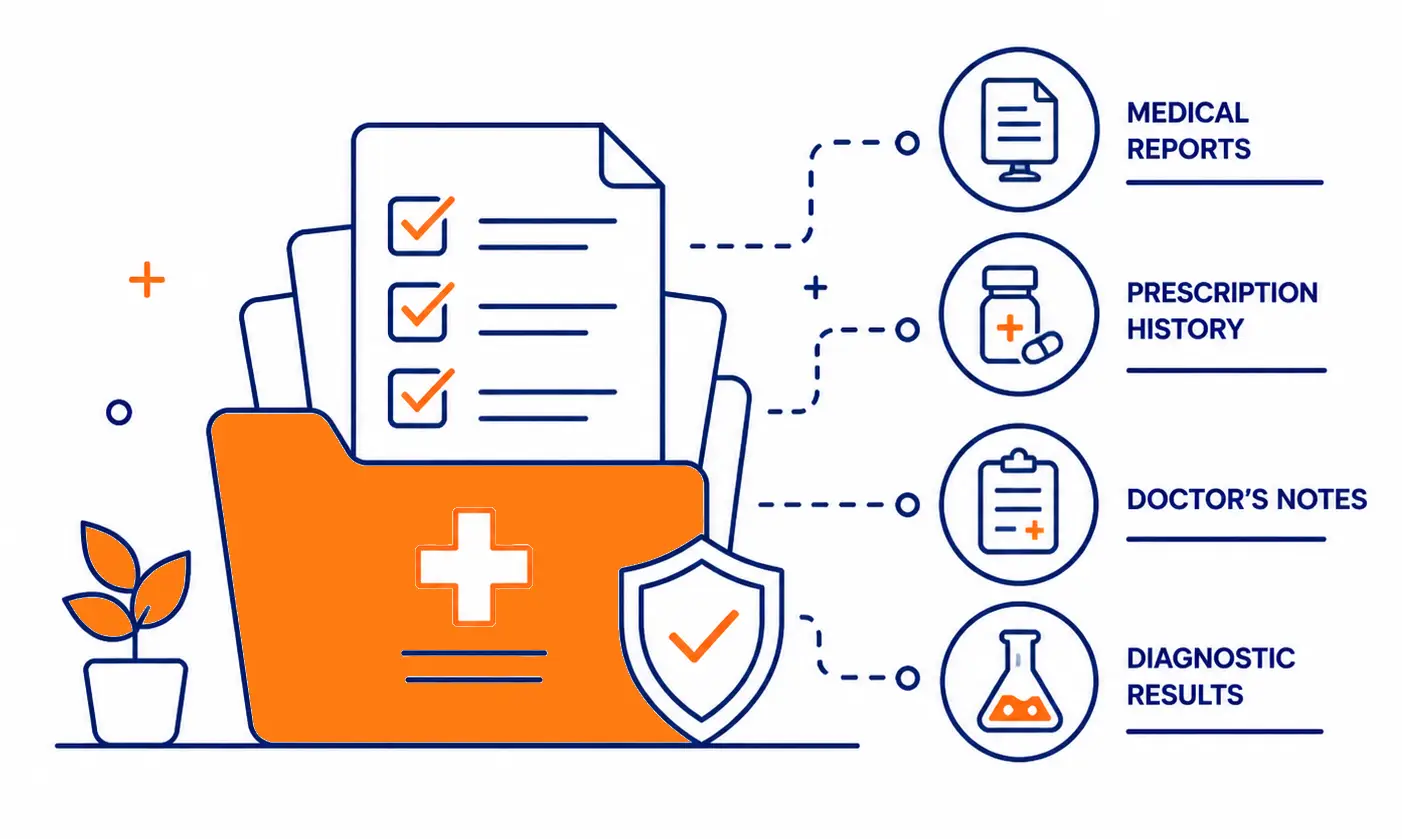

Medical reports

Prescription history

Doctor’s notes

Diagnostic results
Providing accurate documents speeds up approval.
Frequently Asked Questions
What is a pre-existing medical condition in health insurance?
A pre-existing medical condition is an illness, injury, or medical condition that existed before the start date of your health insurance policy.
Does health insurance in the UAE cover pre-existing medical conditions?
Coverage depends on the insurer, the selected health insurance plan, and applicable regulations. Some policies may include waiting periods or underwriting requirements before covering pre-existing conditions.
Which medical conditions are considered pre-existing?
Common examples include diabetes, high blood pressure, asthma, heart disease, thyroid disorders, kidney disease, arthritis, and certain cancers that were diagnosed before the policy started.
Why must I declare my pre-existing medical conditions?
Providing accurate medical information helps the insurer assess your application and determine the terms of coverage. Failing to disclose relevant information may affect future claims or policy validity.
What happens if I don't disclose a pre-existing medical condition?
If material medical information is intentionally omitted or inaccurately declared, the insurer may take action in accordance with the policy terms and applicable laws, which could affect claim outcomes.
Is there a waiting period for pre-existing medical conditions?
Many health insurance policies include waiting periods before treatment for certain pre-existing conditions becomes eligible for coverage. The duration varies by insurer and plan.
Can people with diabetes get health insurance in the UAE?
Yes. Many insurers offer health insurance to people with diabetes. Coverage terms, premiums, waiting periods, and underwriting requirements vary between insurers.
Can people with high blood pressure buy health insurance?
Yes. Individuals with hypertension can often obtain health insurance, although the insurer may consider the condition during underwriting.
Can cancer survivors purchase health insurance?
Many insurers assess applications from cancer survivors on an individual basis. Coverage depends on medical history, current health status, and the insurer's underwriting guidelines.
Will pre-existing conditions increase my health insurance premium?
Premiums are determined by several factors, including age, medical history, and the level of risk assessed by the insurer. A pre-existing condition may influence the premium or policy terms.
Can an insurer decline my application because of a medical condition?
Each insurer has its own underwriting guidelines. Applications are assessed individually based on medical information, risk factors, and the insurer's acceptance criteria.
What medical documents may be required during underwriting?
The insurer may request medical reports, specialist letters, laboratory results, prescriptions, discharge summaries, or other documents relevant to your medical history.
Can I change health insurers if I have a pre-existing medical condition?
Yes. You can compare plans from different insurers, although each insurer will conduct its own underwriting assessment before offering coverage.
How can I improve my chances of getting health insurance with a pre-existing condition?
Providing complete medical information, maintaining regular treatment, keeping medical records updated, and comparing multiple insurers can help you identify plans that best match your healthcare needs.
How can I compare health insurance plans for pre-existing medical conditions in the UAE?
When comparing plans, consider waiting periods, coverage limits, hospital networks, specialist access, chronic disease benefits, policy exclusions, premium, and the insurer's underwriting approach to pre-existing conditions.
Why Understanding Pre-existing Conditions Is Important
Misunderstanding pre-existing condition rules is one of the top reasons for:

Claim rejection

Policy disputes

Unexpected medical expenses
Clarity at the time of purchase prevents future issues.
Pre-existing Conditions UAE
Pre-existing Conditions UAE are not a barrier to health insurance, but they must be handled correctly. With full disclosure, proper documentation, and the right policy selection, residents can access medical coverage for existing conditions while remaining compliant with UAE regulations.
Understanding these rules empowers you to make informed, confident health insurance decisions.