Talk to our Expert043 209 810
Insurance Plans
Compare coverage and find the best fit for you
Not sure which plan suits you?Talk to an advisor ↗

Cover Stories

Your Source for News and Guides

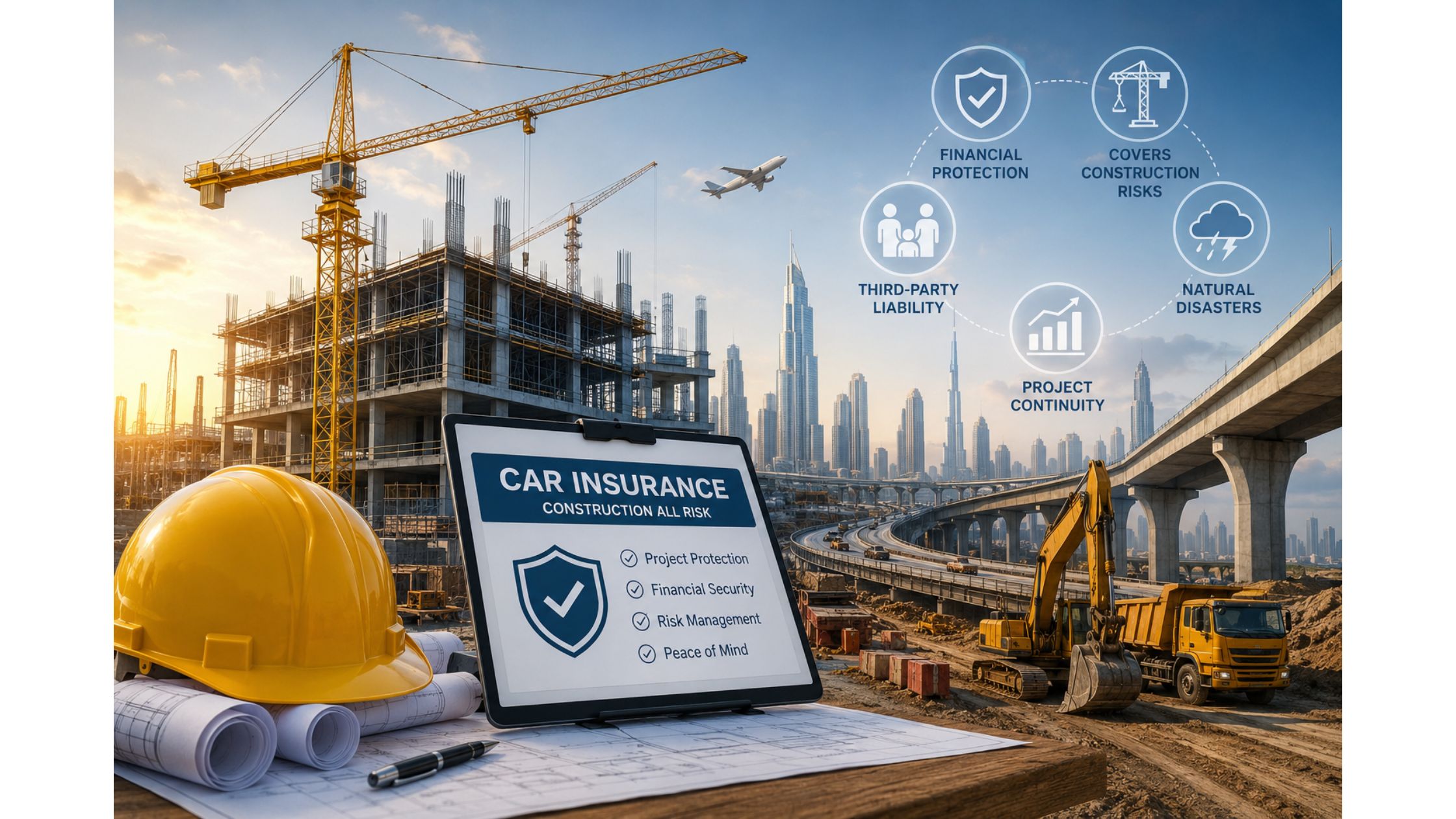
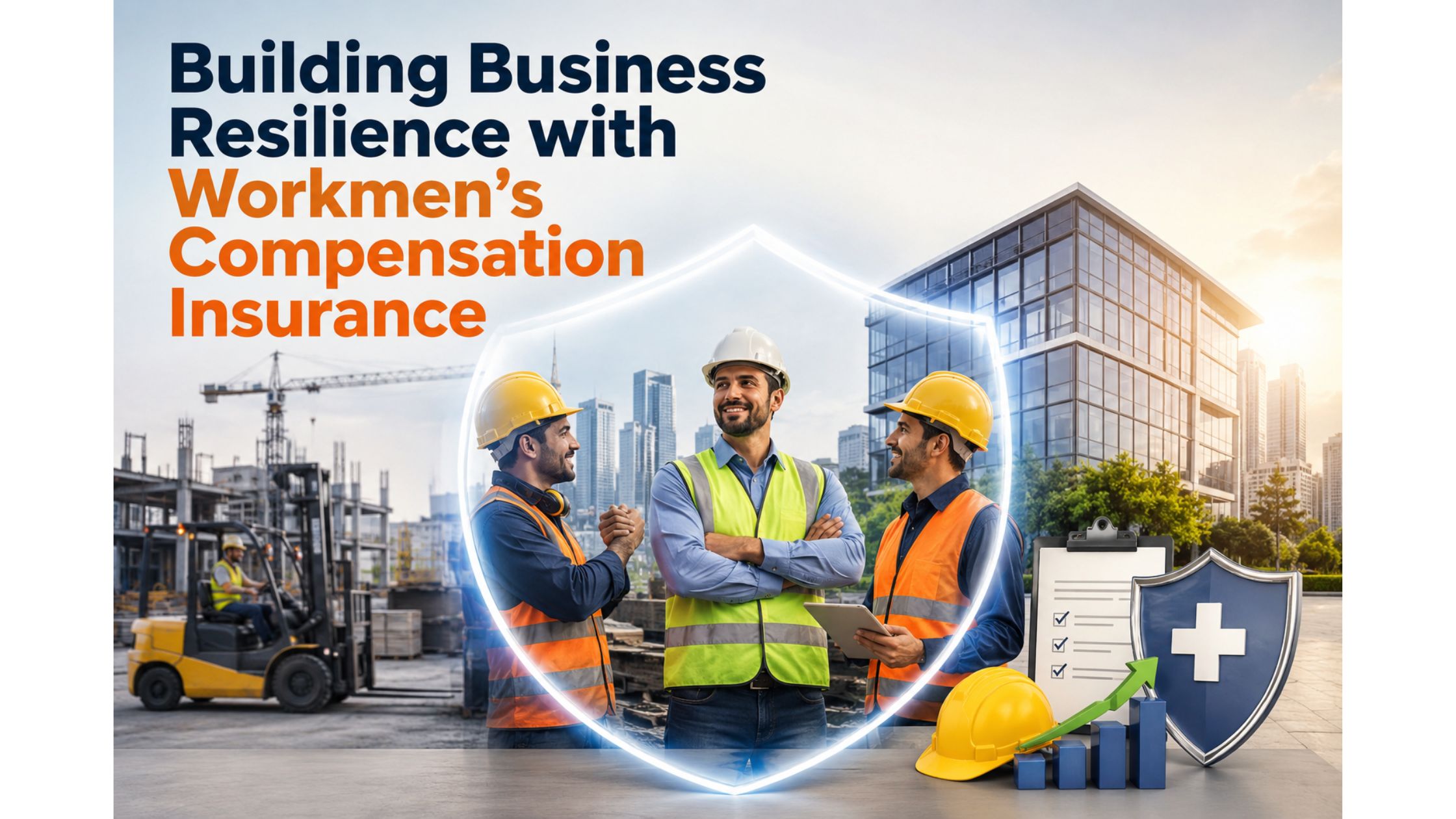
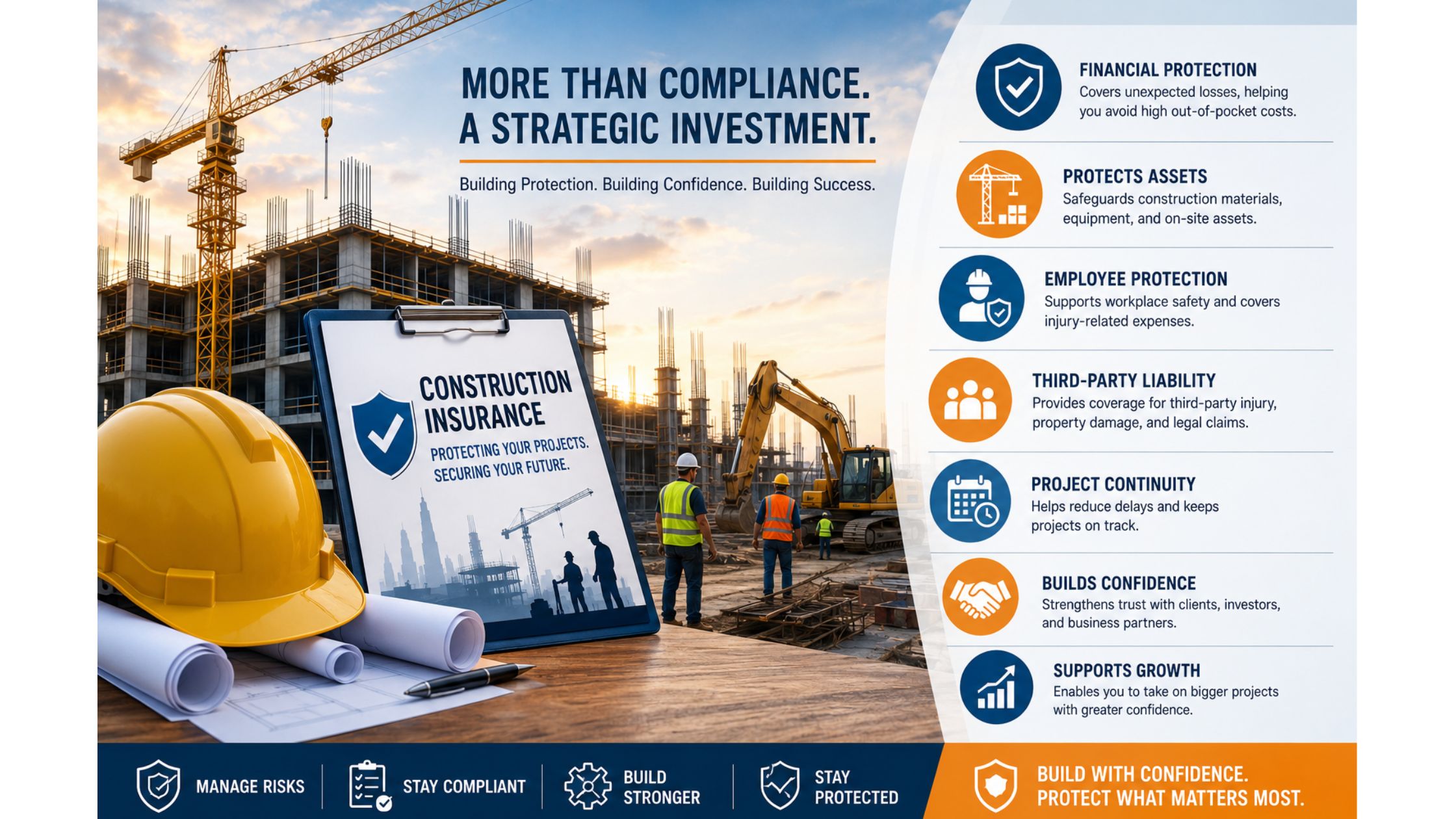
Why Construction Insurance Is More Than a Legal Requirement
Featured — Jun 24, 2026
Contractors All Risk Insurance

Why Construction Insurance Is More Than a Legal Requirement

The construction industry is built on planning, precision, and risk management. From residential developments and commercial buildings to infrastructure and industrial projects, construction companies face numerous challenges throughout every stage of a project. While many businesses purchase construction insurance to comply with contractual obligations or legal requirements, its value extends far beyond simple compliance.Construction insurance serves as a critical financial safeguard that protects businesses, project owners, contractors, employees, and stakeholders from unexpected events that could otherwise result in significant losses. In today's complex construction environment, insurance is not just a requirement—it's a strategic tool for business continuity, financial stability, and project success. Understanding Construction RisksConstruction projects involve multiple variables that can create unexpected challenges. Workers, machinery, materials, subcontractors, and changing site conditions all contribute to a risk-filled environment.Some of the most common construction risks include:Accidental property damageEquipment theft or vandalismWorkplace injuriesFire and explosionsStructural failuresWeather-related incidentsThird-party property damageProject delaysEven with strong safety measures in place, no construction project is completely risk-free. Financial Protection Against Unexpected LossesOne of the most significant benefits of construction insurance is financial protection. Construction projects often involve substantial investments, and a single incident can lead to costly repairs, replacements, and delays.Without insurance, businesses may be forced to absorb these expenses directly, affecting profitability and cash flow. Construction insurance helps transfer a portion of these risks to the insurer, reducing the financial burden on contractors and project owners.This protection allows businesses to recover more quickly from unforeseen events and continue operations with minimal disruption. Protecting Construction Materials and EquipmentConstruction sites contain valuable materials, tools, and machinery that are essential for project completion. Theft, accidental damage, or equipment breakdown can create unexpected costs and project delays.Construction insurance can help cover losses involving:Building materialsHeavy machineryConstruction toolsTemporary site structuresEquipment stored on-siteBy protecting these assets, businesses can avoid significant financial setbacks and maintain project momentum. Supporting Workplace Safety and Employee ProtectionConstruction remains one of the industries with the highest exposure to workplace accidents. Even with strict safety procedures, injuries can occur during daily operations.Insurance plays a vital role in helping businesses manage the financial consequences of workplace incidents by covering medical expenses, compensation costs, and legal obligations associated with employee injuries.This support benefits both employers and employees while contributing to a safer and more responsible work environment. Managing Third-Party Liability RisksConstruction activities can affect neighboring properties, businesses, pedestrians, and visitors. Accidental damage or injuries involving third parties can result in costly legal claims and compensation demands.Construction insurance helps provide protection against:Third-party bodily injury claimsProperty damage claimsLegal defense costsCompensation settlementsThis coverage helps businesses navigate liability issues while protecting their reputation and financial stability. Ensuring Project ContinuityProject interruptions can be costly. Delays caused by accidents, weather events, or equipment failures can impact schedules, increase labor costs, and affect client relationships.Construction insurance provides financial support that helps businesses recover from covered incidents more efficiently. By reducing the impact of unexpected setbacks, insurance contributes to smoother project execution and greater operational resilience.For many companies, maintaining project continuity is just as important as protecting physical assets. Building Client and Investor ConfidenceClients, developers, lenders, and investors often view comprehensive insurance coverage as a sign of professionalism and responsible risk management.When a construction company demonstrates that it has adequate insurance protection in place, stakeholders gain greater confidence in the project's ability to withstand unexpected challenges.This trust can help businesses secure contracts, attract investors, and strengthen long-term partnerships. Enhancing Business ReputationA construction company's reputation is one of its most valuable assets. Companies that effectively manage risks and respond quickly to unexpected incidents are often viewed as more reliable and trustworthy.Insurance enables businesses to handle claims, repairs, and liabilities efficiently, helping protect their reputation and maintain positive relationships with clients and partners.In a competitive industry, strong risk management practices can become a significant business advantage. Supporting Long-Term Business GrowthConstruction insurance allows companies to pursue larger and more complex projects with greater confidence. Knowing that financial protection is in place enables businesses to take on opportunities that may otherwise seem too risky.As construction companies grow, insurance becomes an essential part of their overall business strategy, helping support expansion while managing potential risks effectively. More Than Compliance—A Strategic InvestmentWhile legal and contractual requirements often drive the purchase of construction insurance, its true value lies in the protection and stability it provides.Construction insurance helps:Protect project investmentsSafeguard equipment and materialsManage liability exposuresSupport employee welfareMaintain project continuityStrengthen stakeholder confidenceProtect business reputationThese benefits extend far beyond meeting regulatory obligations.Construction insurance is often viewed as a mandatory expense, but in reality, it is a vital investment in the success and sustainability of a construction business. From protecting valuable assets and managing liabilities to supporting project continuity and stakeholder confidence, insurance plays a crucial role in modern construction risk management.In an industry where unexpected events can occur at any stage, construction insurance provides the financial protection and peace of mind needed to build with confidence. Rather than seeing it solely as a legal requirement, construction companies should view insurance as an essential tool for long-term growth, resilience, and business success

Read the full briefing

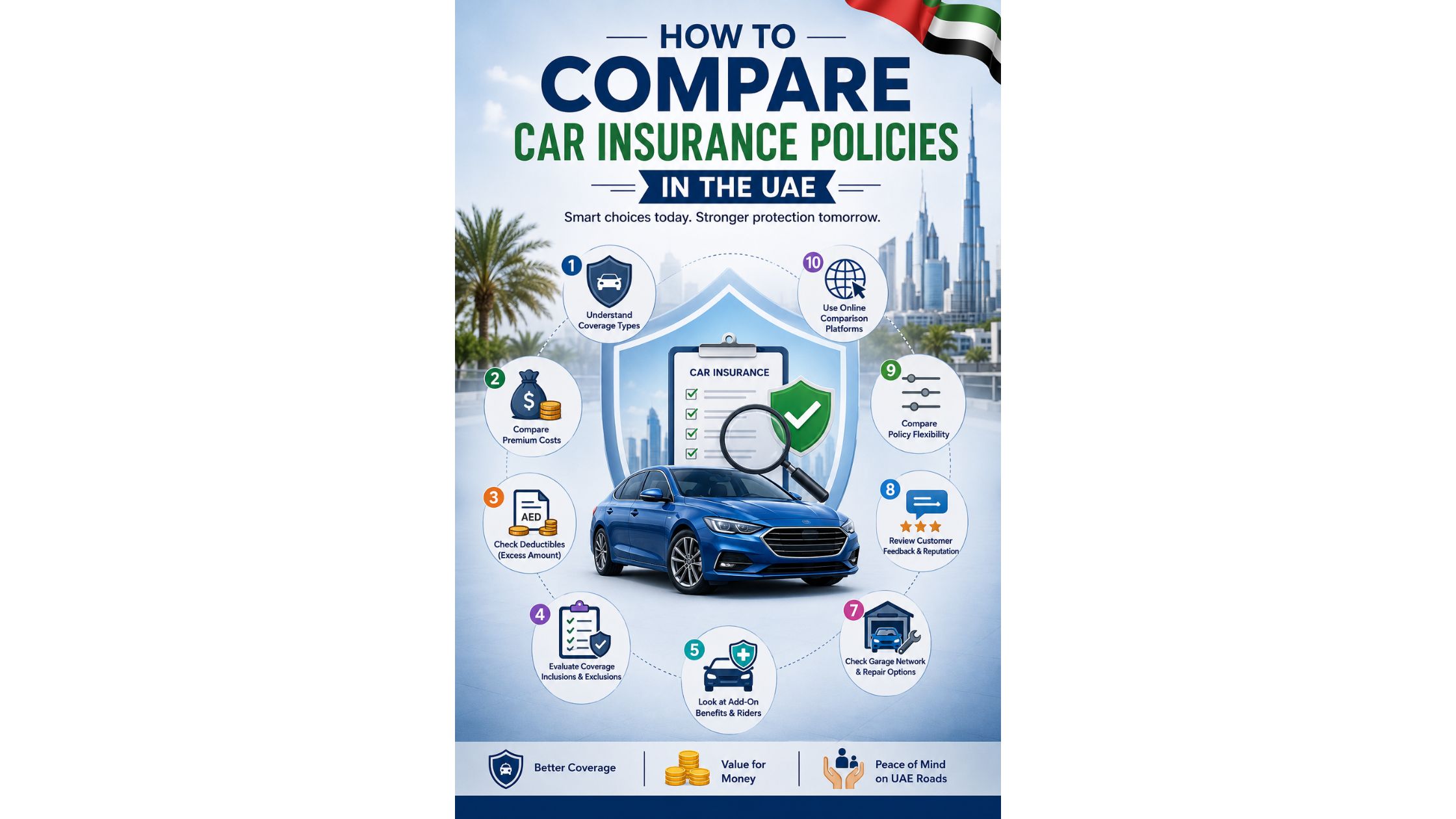
Compare. Save. Drive with confidence.

CAR Insurance and Large-Scale Infrastructure Projects
Contractors All Risk InsuranceJun 24, 2026

CAR Insurance and Large-Scale Infrastructure Projects

Large-scale infrastructure projects play a vital role in supporting economic growth, urban development, and public services. Roads, bridges, airports, rail networks, power plants, ports, and utility systems require significant investments, extensive planning, and years of execution. These projects often involve multiple contractors, sophisticated equipment, large workforces, and substantial financial commitments.While infrastructure developments create long-term benefits for communities and economies, they also face a wide range of risks during construction. Unexpected incidents such as accidents, equipment damage, natural events, or third-party liabilities can lead to costly delays and financial losses. This is where Construction All Risk (CAR) Insurance becomes an essential component of project risk management.CAR Insurance provides comprehensive protection for infrastructure projects by covering a broad range of construction-related risks and helping stakeholders manage uncertainties throughout the project lifecycle. Understanding Large-Scale Infrastructure ProjectsInfrastructure projects differ significantly from standard construction developments due to their size, complexity, and duration.Examples include:Highways and road networksBridges and tunnelsAirports and seaportsRail and metro systemsPower generation facilitiesWater treatment plantsOil and gas infrastructureTelecommunications networksThese projects often involve multiple stakeholders, including government agencies, developers, contractors, subcontractors, consultants, and investors.Given their scale and complexity, effective risk management becomes a critical requirement. Why Infrastructure Projects Face Greater RisksLarge infrastructure projects operate in challenging environments where numerous factors can impact progress.Common risks include:Accidental damage to ongoing construction workEquipment and machinery breakdownsTheft of construction materialsFire and explosion incidentsDesign and execution errorsNatural disasters and adverse weather conditionsThird-party property damageBodily injury claimsProject delays and disruptionsThe financial impact of these incidents can be significant, making comprehensive insurance protection essential. What Is Construction All Risk (CAR) Insurance?Construction All Risk Insurance is a specialized policy designed to protect construction projects against a wide range of physical loss or damage during the construction period.Unlike traditional insurance policies that focus on specific risks, CAR Insurance provides broad coverage for unforeseen and accidental events affecting the project.The policy is typically purchased by:Project ownersMain contractorsDevelopersEngineering firmsInfrastructure investorsIts objective is to minimize financial losses and support project continuity when unexpected incidents occur. Protecting High-Value Construction AssetsInfrastructure projects involve substantial investments in materials, machinery, and equipment.Examples include:Heavy earthmoving machineryCranes and lifting equipmentSpecialized construction vehiclesElectrical and mechanical systemsStructural componentsDamage or loss involving these assets can result in significant repair or replacement costs.CAR Insurance helps cover these losses, allowing projects to recover quickly and maintain progress without severe financial disruption. Coverage for Accidental Physical DamageOne of the primary benefits of CAR Insurance is protection against accidental physical damage to the project itself.Coverage may include:Structural damage during constructionCollapse of partially completed worksFire-related lossesDamage caused by construction activitiesImpact damage from machinery or equipmentFor infrastructure projects where construction values often reach millions or even billions of dirhams, this protection is particularly important. Managing Third-Party Liability RisksInfrastructure projects frequently operate near residential areas, commercial zones, transportation routes, and public spaces.Construction activities may unintentionally cause:Damage to neighboring propertiesInjury to members of the publicDisruptions to utilities and servicesCAR Insurance often includes third-party liability coverage that helps address legal expenses, compensation claims, and settlement costs arising from such incidents.This protection helps safeguard both project finances and stakeholder reputations. Protection Against Natural EventsLarge-scale infrastructure projects are exposed to environmental and weather-related risks throughout their construction phase.Potential threats include:FloodingStormsHeavy rainfallSandstormsGround movementExtreme temperaturesSuch events can damage ongoing work and delay project completion.CAR Insurance provides financial protection against covered losses, helping projects recover more efficiently from unforeseen natural events. Supporting Project ContinuityInfrastructure projects are often delivered under strict contractual deadlines and budget requirements.Unexpected incidents can lead to:Construction delaysIncreased labor costsMaterial replacement expensesContractual penaltiesBy providing financial support following covered losses, CAR Insurance helps minimize disruptions and enables contractors to resume work as quickly as possible.This contributes to improved project continuity and operational resilience. Enhancing Stakeholder ConfidenceInfrastructure developments involve significant investments from governments, financial institutions, developers, and private investors.Comprehensive insurance coverage demonstrates that project risks are being managed responsibly.Stakeholders gain confidence knowing that financial protection is in place to address unforeseen incidents and reduce exposure to major losses.This can improve financing opportunities and strengthen relationships among project participants. Supporting Regulatory and Contractual RequirementsMany infrastructure contracts require contractors and developers to maintain adequate insurance coverage before construction begins.CAR Insurance often forms an essential part of project documentation and risk management planning.Maintaining proper coverage helps organizations meet contractual obligations while ensuring projects remain compliant with industry standards and stakeholder expectations. CAR Insurance in the UAE Infrastructure SectorThe UAE continues to invest heavily in infrastructure development, including transportation networks, renewable energy projects, smart cities, and large-scale urban expansion initiatives.As project values continue to increase, the importance of Construction All Risk Insurance grows alongside them.CAR Insurance helps UAE contractors, developers, and project owners manage risks effectively while supporting the successful completion of critical infrastructure developments that contribute to the nation's long-term growth. Large-scale infrastructure projects involve substantial investments, complex operations, and a wide range of risks that can impact project success. Accidental damage, equipment losses, natural events, and third-party liabilities can create serious financial challenges if not properly managed.Construction All Risk (CAR) Insurance provides comprehensive protection that helps safeguard project assets, support business continuity, and strengthen stakeholder confidence throughout the construction process.For contractors, developers, and project owners involved in major infrastructure developments, CAR Insurance is more than a protective measure—it is a strategic risk management tool that helps ensure projects are completed successfully, efficiently, and with greater financial security.

Travel Insurance Considerations for Children and Seniors
Travel InsuranceJun 24, 2026

Travel Insurance Considerations for Children and Seniors

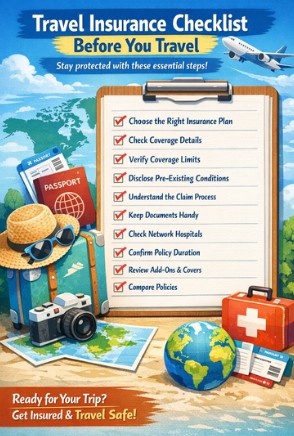
Traveling with family can be one of the most rewarding experiences, whether it involves a holiday abroad, visiting relatives, or exploring new destinations. However, when children and senior citizens are part of the journey, additional planning becomes necessary to ensure comfort, safety, and peace of mind. One of the most important aspects of travel preparation is securing the right travel insurance coverage.Children and seniors often have unique travel-related risks and healthcare needs compared to other travelers. Understanding how travel insurance can help protect these family members can make a significant difference when unexpected situations arise during a trip.Why Travel Insurance Matters for FamiliesTravel insurance is designed to provide financial protection against unforeseen events that may occur before or during a trip. These can include medical emergencies, trip cancellations, lost baggage, travel delays, and other unexpected disruptions.For families traveling with children or elderly relatives, the importance of travel insurance increases because these age groups may be more vulnerable to illness, accidents, or travel-related complications.Travel Insurance Considerations for Children1. Medical Coverage for Unexpected IllnessesChildren can become ill unexpectedly while traveling due to changes in climate, food, water, or exposure to new environments. A travel insurance policy with comprehensive medical coverage can help cover doctor visits, hospitalization, prescription medications, and emergency treatment expenses abroad.Access to quality healthcare in another country can be expensive, making medical coverage one of the most valuable travel insurance benefits for families.2. Emergency Medical AssistanceTravel insurance often includes access to emergency assistance services that can help families locate medical facilities, arrange treatment, and provide support during emergencies.This assistance can be particularly valuable when traveling in unfamiliar destinations where language barriers or local healthcare systems may be difficult to navigate.3. Trip Cancellation ProtectionChildren may experience sudden illnesses before departure, forcing families to postpone or cancel travel plans. Trip cancellation coverage may help recover eligible non-refundable travel expenses when a covered event prevents the trip from taking place.This protection can reduce the financial impact of unexpected disruptions before the journey begins.4. Travel Delays and DisruptionsLong delays, missed connections, or flight cancellations can be especially challenging when traveling with young children. Travel insurance may provide coverage for certain expenses related to covered travel delays, helping families manage unexpected situations more comfortably.5. Coverage for Family Travel PlansMany insurers offer family travel insurance plans that include coverage for parents and dependent children under a single policy. This can simplify travel planning while ensuring all family members are protected throughout the trip.Travel Insurance Considerations for Seniors1. Comprehensive Medical ProtectionMedical coverage is often the most important consideration for senior travelers. Healthcare costs abroad can be substantial, particularly if hospitalization or specialized treatment becomes necessary.Travel insurance can help cover eligible medical expenses incurred during the trip, providing financial protection against unexpected healthcare costs.2. Pre-Existing Medical ConditionsMany senior travelers may have ongoing health conditions that require special attention. Before purchasing a policy, it is important to review how pre-existing medical conditions are treated under the travel insurance plan.Understanding policy terms, exclusions, and eligibility requirements can help travelers choose coverage that best suits their needs.3. Emergency Medical EvacuationIn serious medical situations, transportation to an appropriate healthcare facility may be required. Emergency medical evacuation coverage can assist with the costs associated with medically necessary transportation during a covered emergency.This benefit can be particularly important when traveling to remote destinations or countries with limited healthcare infrastructure.4. Trip Interruption CoverageUnexpected health concerns may force seniors to cut a trip short or return home earlier than planned. Trip interruption benefits can help minimize financial losses associated with covered interruptions to travel arrangements.5. Assistance During Travel EmergenciesTravel assistance services can provide support for medical referrals, emergency communication, travel coordination, and other urgent needs. Having access to professional assistance can be reassuring for senior travelers and their families.Key Features Families Should Look ForWhen selecting travel insurance for children and seniors, consider the following features:Emergency medical coverageHospitalization benefitsEmergency medical evacuationTrip cancellation and interruption coverageTravel delay protectionLost baggage coverage24/7 emergency assistance servicesCoverage options suitable for family travelClear policy terms regarding pre-existing conditionsCarefully reviewing policy details helps ensure that coverage aligns with the specific needs of all travelers.Tips for Choosing the Right Travel InsuranceCompare Multiple PoliciesDifferent insurers offer varying levels of coverage, limits, and benefits. Comparing multiple options allows families to find a policy that balances protection and affordability.Review Age EligibilitySome policies may have age-related restrictions or specific conditions for senior travelers. Always review eligibility requirements before purchasing coverage.Check Medical Coverage LimitsMedical expenses abroad can be costly, particularly in destinations with high healthcare costs. Ensure the policy provides sufficient medical coverage for your travel plans.Understand ExclusionsReading the policy carefully helps travelers understand what is and is not covered. Awareness of exclusions can help prevent misunderstandings during the claims process.Purchase Coverage EarlyBuying travel insurance soon after booking a trip may provide access to additional benefits and protection for certain pre-departure risks.The Value of Travel Insurance for Family TravelTravel should be an enjoyable and memorable experience for every family member. While no one can predict unexpected illnesses, accidents, or travel disruptions, proper travel insurance can provide valuable protection when challenges arise.For families traveling with children and seniors, choosing comprehensive travel insurance helps create greater confidence throughout the journey. By understanding coverage options and selecting a policy that addresses the specific needs of all travelers, families can focus on making lasting memories rather than worrying about unforeseen events.

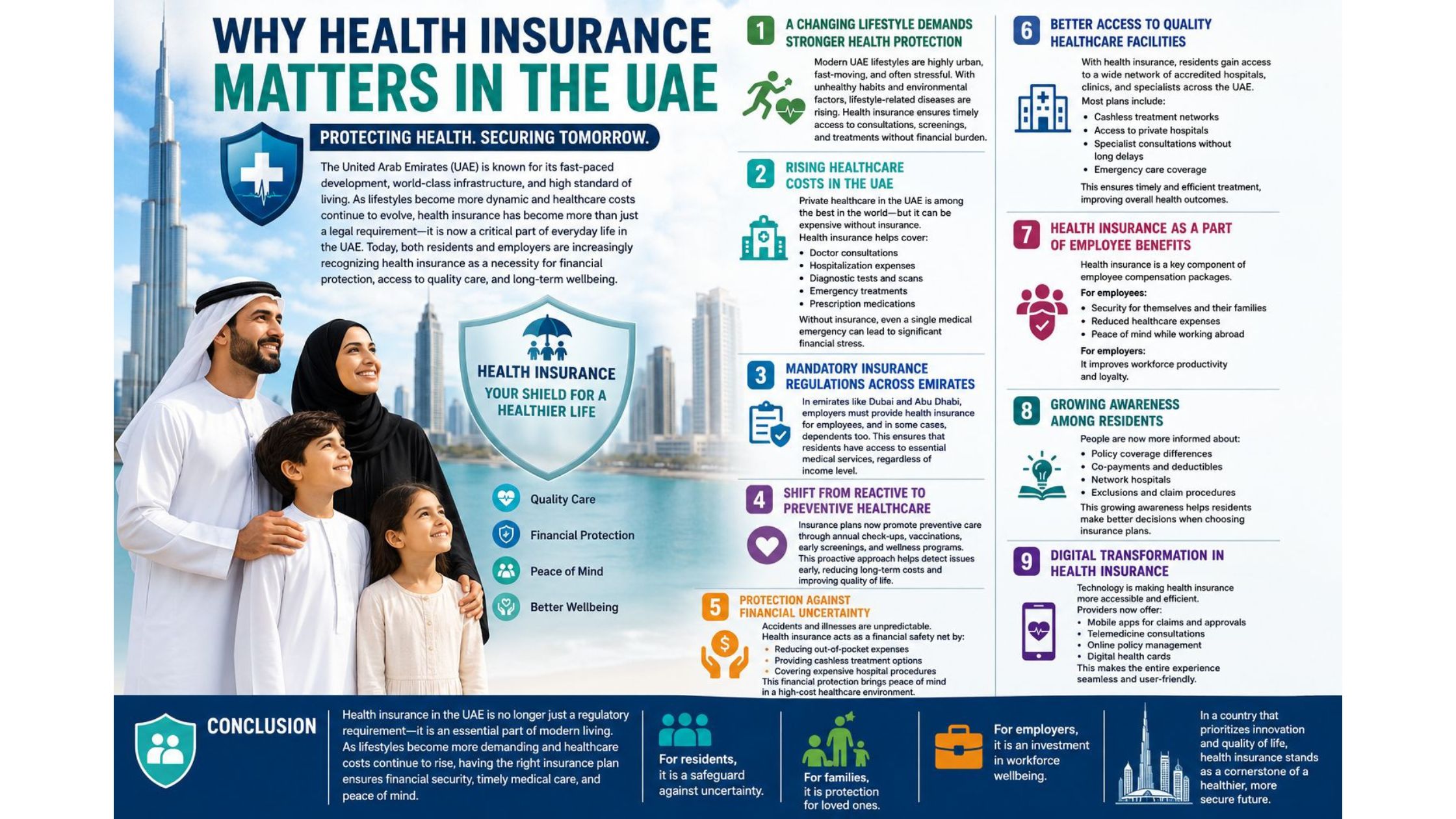
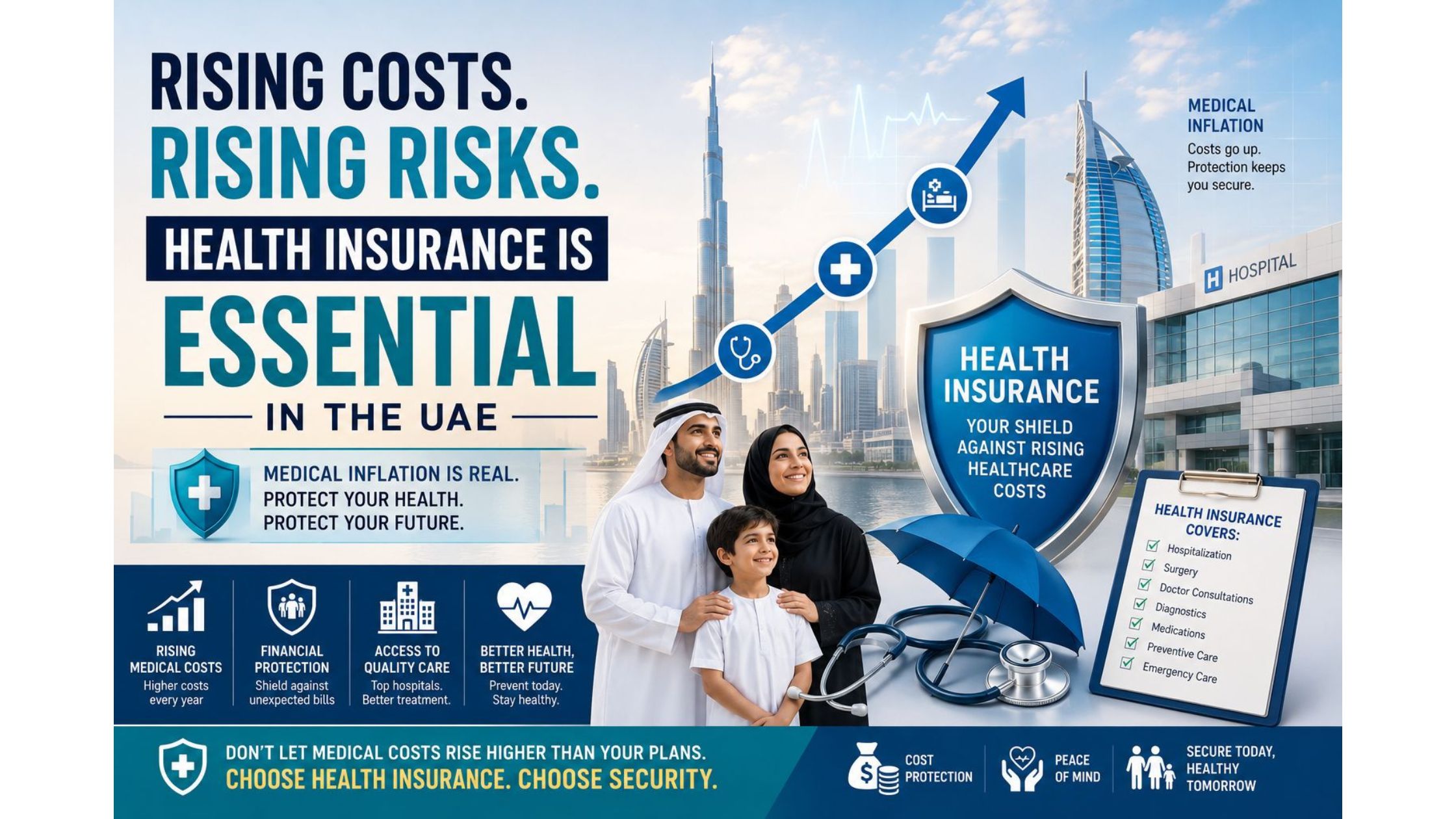
Ready to compare health insurance plans?

More Reading
How Travel Insurance Supports Worry-Free Adventures
Travel InsuranceJun 24, 2026

How Travel Insurance Supports Worry-Free Adventures

Travel is one of life's most exciting experiences. Whether you are exploring a new country, embarking on a family vacation, attending an international business trip, or pursuing an adventure-filled getaway, every journey offers opportunities to create lasting memories. However, even the most carefully planned trips can encounter unexpected challenges.Flight delays, lost baggage, medical emergencies, trip cancellations, and unforeseen disruptions can quickly turn an exciting adventure into a stressful situation. This is where travel insurance plays a valuable role. By providing financial protection and access to support services, travel insurance helps travelers focus on enjoying their journeys with greater confidence and peace of mind.Why Travel Insurance MattersMany travelers spend significant time planning itineraries, booking accommodations, and arranging transportation. Yet, they often overlook travel insurance, assuming that nothing will go wrong.The reality is that unexpected events can happen anywhere and at any time. Travel insurance acts as a safety net, helping travelers manage financial losses and receive assistance when unforeseen circumstances affect their trips.Rather than worrying about potential risks, travelers can enjoy their adventures knowing they have protection in place.Protection Against Medical EmergenciesOne of the most important benefits of travel insurance is medical coverage while traveling abroad.Healthcare costs can vary significantly from one country to another, and emergency medical treatment can be expensive, especially in destinations with high healthcare expenses. Travel insurance may help cover eligible costs related to:Emergency medical treatmentHospitalization expensesDoctor consultationsPrescription medicationsEmergency medical transportationHaving access to medical coverage allows travelers to seek necessary care without facing overwhelming financial concerns.Assistance During Unexpected Illness or InjuryAccidents and illnesses can occur regardless of how carefully a trip is planned. Food-related illnesses, injuries during recreational activities, or sudden health concerns can disrupt travel plans.Many travel insurance policies include emergency assistance services that help travelers locate medical facilities, arrange treatment, and receive support throughout the situation.This assistance can be particularly valuable when navigating unfamiliar healthcare systems in foreign countries.Coverage for Trip CancellationsTravel plans sometimes change unexpectedly due to circumstances beyond a traveler's control.Illness, family emergencies, severe weather conditions, or other covered events may require travelers to cancel their trips before departure. Without insurance, non-refundable expenses such as airline tickets, hotel bookings, and tour reservations may result in significant financial losses.Trip cancellation coverage can help reduce the financial impact of these unexpected disruptions.Protection Against Trip InterruptionsNot all travel disruptions occur before departure. Sometimes travelers need to cut their trips short due to emergencies that arise during their journey.Trip interruption benefits may help cover certain eligible expenses associated with returning home early or rearranging travel plans when covered circumstances occur.This added protection provides flexibility and financial support during challenging situations.Support During Flight DelaysFlight delays are among the most common travel inconveniences. Weather conditions, technical issues, airport disruptions, and operational challenges can affect schedules without warning.Travel insurance may provide assistance with certain expenses related to covered travel delays, such as:MealsAccommodationTransportationEssential necessitiesKnowing that support may be available can make unexpected waiting periods less stressful.Coverage for Lost or Delayed BaggageFew situations are more frustrating than arriving at a destination only to discover that luggage has been delayed, misplaced, or lost.Travel insurance can help travelers manage expenses related to lost, stolen, or delayed baggage, depending on policy terms and conditions.This protection can be especially useful when essential items such as clothing, medications, or travel documents are affected.Confidence for Adventure TravelersAdventure travel has become increasingly popular, with travelers seeking experiences such as hiking, diving, mountain excursions, wildlife tours, and outdoor activities.While these adventures can be exciting, they may also involve additional risks. Depending on the policy selected, travel insurance can provide protection that supports travelers participating in eligible activities.Before departure, travelers should review their policy carefully to understand which activities are covered.Emergency Medical Evacuation SupportIn severe situations, travelers may require transportation to a suitable medical facility or even repatriation to their home country.Emergency medical evacuation can be one of the most expensive travel-related emergencies. Travel insurance may help cover these costs when medically necessary and covered under the policy.This benefit offers reassurance, particularly when traveling to remote locations where healthcare resources may be limited.Assistance Available Around the ClockMany travel insurance providers offer 24/7 emergency assistance services.These support teams can assist travelers with:Medical referralsEmergency communicationTravel guidanceLost document supportCoordination during emergenciesHaving access to professional assistance at any time of day can significantly improve a traveler's experience during unexpected situations.Financial Security While TravelingTravel expenses can add up quickly, especially when unforeseen events occur. Travel insurance helps reduce the financial uncertainty associated with:Medical emergenciesTravel disruptionsCancellationsLost belongingsEmergency transportationThis financial protection allows travelers to focus more on their experiences and less on potential setbacks.Tips for Choosing the Right Travel InsuranceTo maximize the benefits of travel insurance, consider the following:Assess Your Travel PlansDifferent trips may require different levels of coverage. Family vacations, business travel, and adventure holidays often have unique insurance needs.Compare Coverage OptionsReview multiple policies to understand available benefits, limits, and exclusions before making a decision.Review Medical Coverage LimitsEnsure that medical coverage is sufficient for your destination and travel activities.Understand Policy ExclusionsReading the policy carefully helps avoid surprises during the claims process.Purchase Insurance EarlyBuying coverage shortly after booking a trip may provide broader protection against certain pre-travel risks.Travel with Greater Peace of MindEvery adventure comes with excitement, discovery, and the possibility of the unexpected. While no one can predict travel disruptions, travel insurance helps travelers prepare for many common risks that may arise before or during a trip.From medical emergencies and trip cancellations to baggage issues and travel delays, the right coverage provides valuable support when it matters most. By investing in travel insurance, travelers can enjoy their journeys with greater confidence, knowing they have protection in place to help manage unforeseen challenges.A worry-free adventure is not about avoiding every risk—it's about being prepared for the unexpected so you can focus on making the most of every travel experience. 

READ THE FULL BRIEFING
Travel Insurance and Access to Global Healthcare
Travel InsuranceJun 23, 2026

Travel Insurance and Access to Global Healthcare

International travel has become more accessible than ever, allowing people to explore new destinations, pursue business opportunities, and connect with family and friends around the world. While travelers often focus on flights, accommodations, and itineraries, one critical aspect of travel planning is frequently overlooked: access to healthcare while abroad.Medical emergencies can happen unexpectedly, regardless of age, destination, or travel experience. From sudden illnesses and accidents to emergency hospitalizations, healthcare needs can arise at any time. This is why travel insurance plays a vital role in supporting travelers by providing access to global healthcare services and financial protection when medical situations occur during a trip.Why Healthcare Access Matters When TravelingHealthcare systems differ significantly from one country to another. While some destinations offer world-class medical facilities, others may have limited healthcare infrastructure or require upfront payment before treatment is provided.Without travel insurance, travelers may face challenges such as:High medical treatment costsLimited access to private healthcare facilitiesLanguage barriers when seeking medical assistanceDifficulty locating appropriate healthcare providersUnexpected emergency transportation expensesTravel insurance helps bridge these gaps by providing support and resources that can make healthcare access easier and more manageable while abroad.The Growing Cost of Medical Care AbroadMedical treatment costs vary widely across countries, and expenses can escalate quickly in emergency situations.Even routine medical care may be costly for international visitors, while emergency procedures, hospital stays, or specialist consultations can result in substantial financial burdens. A single medical incident during a trip could significantly impact travel budgets if adequate coverage is not in place.Travel insurance helps travelers manage eligible healthcare expenses and reduces the financial uncertainty associated with medical emergencies overseas.Emergency Medical CoverageOne of the most valuable features of travel insurance is emergency medical coverage.Depending on the policy, coverage may help with eligible expenses related to:Emergency medical treatmentHospitalizationDoctor consultationsDiagnostic testingPrescription medicationsSurgical proceduresFollow-up treatment during travelThis financial support allows travelers to seek necessary medical attention without delaying care due to cost concerns.Access to Healthcare NetworksMany travel insurance providers maintain extensive networks of hospitals, clinics, physicians, and healthcare professionals across multiple countries.When a medical issue arises, travelers may receive assistance in locating suitable healthcare facilities that meet their needs. This can be particularly helpful in unfamiliar destinations where understanding local healthcare systems may be difficult.Access to established healthcare networks often improves the speed and convenience of obtaining medical care abroad.Assistance in Medical EmergenciesTravel insurance frequently includes 24/7 emergency assistance services designed to support travelers during urgent situations.These services may help with:Locating nearby hospitals or clinicsArranging medical appointmentsCoordinating emergency treatmentCommunicating with healthcare providersProviding multilingual assistanceOffering travel-related medical guidanceHaving access to professional support can significantly reduce stress during medical emergencies.Emergency Medical Evacuation CoverageNot every destination has access to specialized medical facilities capable of handling serious health conditions or injuries.In certain situations, travelers may need transportation to a larger medical center or another country for appropriate treatment. Emergency medical evacuation can involve air ambulances, specialized transport teams, and complex logistical arrangements.Travel insurance may help cover eligible evacuation costs when medically necessary, providing critical support during severe emergencies.Healthcare Support for Business TravelersBusiness travelers often work on tight schedules and may visit multiple countries throughout the year.Unexpected illness or injury during a business trip can disrupt professional commitments and lead to unplanned expenses. Travel insurance provides access to healthcare services that can help business travelers receive prompt medical attention and focus on recovery while minimizing disruptions.For professionals who travel frequently, healthcare access through travel insurance can be an essential part of risk management.Protection for Families Traveling AbroadFamilies traveling with children or senior relatives may have additional healthcare considerations.Young children can be more susceptible to illnesses related to food, weather, or environmental changes, while senior travelers may require more frequent medical attention or specialized care.Travel insurance helps families access healthcare services quickly and provides financial protection when medical situations arise during a trip.Assistance with Language and Communication BarriersSeeking medical treatment in a foreign country can be challenging when language differences create communication difficulties.Many travel insurance providers offer multilingual support services that help travelers communicate with healthcare facilities, understand treatment options, and navigate local medical systems more effectively.This assistance can be especially valuable during stressful emergency situations.Peace of Mind During International TravelOne of the greatest advantages of travel insurance is the confidence it provides.Knowing that support is available for medical emergencies allows travelers to focus on enjoying their experiences rather than worrying about potential healthcare challenges.Whether traveling for leisure, business, education, or family visits, access to healthcare support can make a significant difference in the overall travel experience.Choosing the Right Travel Insurance for Healthcare ProtectionWhen evaluating travel insurance options, consider the following healthcare-related features:Comprehensive Medical CoverageLook for policies that provide sufficient coverage for medical treatment, hospitalization, and emergency care.Emergency Medical EvacuationEnsure the policy includes evacuation benefits, particularly when traveling to remote destinations.24/7 Assistance ServicesRound-the-clock support can be invaluable during medical emergencies.Coverage LimitsReview coverage limits carefully to ensure they align with your destination and travel plans.Policy ExclusionsUnderstand any exclusions or limitations related to medical conditions, activities, or destinations.Family and Senior Coverage OptionsConsider specialized coverage if traveling with children or elderly family members.The Role of Travel Insurance in Modern TravelAs global travel continues to expand, access to healthcare has become an increasingly important consideration for travelers. Medical emergencies can happen without warning, and healthcare systems abroad may differ significantly from what travelers are accustomed to at home.Travel insurance serves as an important resource by helping travelers access medical care, navigate healthcare systems, and manage eligible medical expenses during international trips. Beyond financial protection, it provides practical support that can help travelers receive timely treatment when it matters most.ConclusionTravel opens the door to exciting experiences, cultural exploration, and personal growth. However, every journey also comes with uncertainties, including the possibility of unexpected health concerns.Travel insurance supports access to global healthcare by helping travelers obtain medical treatment, emergency assistance, and financial protection when medical situations arise abroad. From routine healthcare needs to serious emergencies, the right travel insurance policy can provide reassurance and support throughout the journey.By making healthcare protection part of travel planning, travelers can explore the world with greater confidence, knowing they have access to valuable resources wherever their adventures take them.

READ THE FULL BRIEFING
Building a Resilient Supply Chain Through Insurance
Marine InsuranceJun 23, 2026

Building a Resilient Supply Chain Through Insurance

In today's interconnected global economy, supply chains face a wide range of challenges, from transportation delays and cargo damage to natural disasters, geopolitical disruptions, and unexpected market changes. For businesses that rely on the smooth movement of goods, even a minor disruption can lead to financial losses, customer dissatisfaction, and operational setbacks. Building a resilient supply chain is therefore a strategic priority, and insurance plays a vital role in achieving that resilience.Understanding Supply Chain RisksSupply chains involve multiple stakeholders, including manufacturers, suppliers, logistics providers, warehouses, and distributors. Each stage introduces potential risks that can impact the successful delivery of goods. Common supply chain risks include:Cargo damage during transitTheft or loss of goodsDelays caused by weather eventsPort congestion and transportation disruptionsSupplier interruptionsAccidents involving transportation vehiclesPolitical and regulatory changes affecting tradeWithout adequate protection, these risks can significantly affect a company's profitability and reputation.Insurance as a Risk Management ToolInsurance serves as a financial safeguard against unexpected events that disrupt supply chain operations. Rather than absorbing the full cost of losses, businesses can transfer a portion of the risk to an insurer. This helps organizations recover more quickly and maintain operational continuity when disruptions occur.By incorporating insurance into their overall risk management strategy, businesses can strengthen their ability to respond to challenges while protecting their financial stability.Protecting Goods in Transit with Marine InsuranceOne of the most important insurance solutions for supply chain resilience is marine cargo insurance. Whether goods are transported by sea, air, road, or rail, cargo insurance provides protection against losses or damage during transit.This coverage can help businesses recover costs associated with:Physical damage to goodsTheft during transportationAccidental loss of cargoCertain weather-related incidentsHandling and loading-related damagesWith proper cargo protection, businesses can continue operations even after unexpected shipping incidents.Supporting Business ContinuitySupply chain disruptions can affect inventory levels, production schedules, and customer commitments. Insurance helps businesses maintain continuity by reducing the financial impact of these interruptions.When insured losses occur, compensation from insurance policies can provide the resources needed to replace damaged goods, secure alternative suppliers, or expedite shipments. This support enables businesses to recover faster and minimize downtime.Enhancing Supplier and Customer ConfidenceA resilient supply chain not only benefits the business itself but also strengthens relationships with suppliers and customers. Insurance demonstrates a proactive approach to risk management and business continuity planning.Suppliers are often more comfortable working with organizations that have safeguards in place, while customers gain confidence knowing that potential disruptions are being actively managed. This trust can contribute to stronger long-term business partnerships.Improving Financial StabilityUnexpected supply chain incidents can result in significant financial losses. Replacing damaged cargo, managing shipment delays, or addressing logistical challenges can quickly increase operational costs.Insurance helps reduce financial uncertainty by providing a safety net against these expenses. This protection allows businesses to preserve cash flow, maintain budgets, and continue investing in growth opportunities despite unforeseen disruptions.Supporting Global Trade ExpansionAs businesses expand into new markets, supply chain complexity often increases. International shipments may encounter additional risks related to customs requirements, longer transit routes, and varying regulatory environments.Insurance provides the confidence needed to engage in global trade by offering protection against many of the risks associated with international transportation. This enables businesses to pursue growth opportunities while managing potential exposures effectively.Integrating Insurance into a Broader Risk StrategyWhile insurance is an essential component of supply chain resilience, it works best when combined with other risk management measures. Businesses should also focus on:Supplier diversificationRegular risk assessmentsInventory planningTechnology-driven shipment trackingStrong contractual agreementsBusiness continuity planningTogether, these strategies create a more robust and adaptable supply chain capable of handling unexpected challenges.ConclusionBuilding a resilient supply chain requires careful planning, proactive risk management, and the right protection strategies. Insurance plays a crucial role by helping businesses manage financial losses, recover from disruptions, and maintain operational continuity.Whether protecting cargo in transit, supporting business continuity, or enabling global trade expansion, insurance provides the confidence and security needed to navigate today's complex supply chain environment. By making insurance an integral part of their risk management framework, businesses can strengthen resilience, protect profitability, and position themselves for long-term success.

READ THE FULL BRIEFING
Smart Tracking and Marine Insurance Benefits
Marine InsuranceJun 23, 2026

Smart Tracking and Marine Insurance Benefits

Global trade depends heavily on the safe and timely movement of goods across long and complex supply chains. With increasing shipping volumes, higher customer expectations, and rising risk exposure, businesses are now turning to technology-driven solutions like smart tracking systems. When combined with marine insurance, smart tracking creates a powerful ecosystem that improves cargo visibility, reduces risks, and strengthens overall trade protection. Understanding Smart Tracking in Marine LogisticsSmart tracking refers to the use of advanced technologies such as GPS, IoT sensors, RFID tags, and real-time monitoring systems to track cargo during transit. These tools provide continuous updates on location, condition, and movement of shipments across sea, air, and land routes.Instead of relying on manual updates or periodic checks, businesses can now monitor shipments in real time, improving transparency and control over logistics operations. Real-Time Visibility of CargoOne of the most important benefits of smart tracking is real-time visibility. Businesses can see exactly where their shipments are at any given moment, reducing uncertainty and improving planning.This visibility helps companies:Track shipment progress accuratelyIdentify delays earlyImprove delivery schedulingCommunicate better with customersWhen paired with marine insurance, this visibility also helps in faster verification during claim situations. Faster and More Accurate Claims ProcessingMarine insurance claims often require detailed evidence of loss, damage, or delay. Smart tracking systems provide digital proof such as location history, temperature logs, and handling records.This data helps insurers:Verify claims quicklyReduce disputesDetect inconsistenciesSpeed up settlement processesAs a result, businesses experience quicker financial recovery when cargo incidents occur. Reduced Risk of Cargo Theft and LossSmart tracking plays a key role in preventing cargo theft and loss. Real-time alerts can notify businesses if a shipment deviates from its route or experiences unauthorized access.This enables immediate action such as:Contacting logistics providersRerouting shipmentsAlerting authoritiesWhen combined with marine insurance, this reduces both frequency and severity of potential claims. Improved Risk Assessment for InsurersInsurers benefit significantly from smart tracking data because it provides detailed insights into shipping behavior and risk patterns. This allows them to evaluate risks more accurately and design better coverage solutions.With better data, insurers can:Assess shipping routes more effectivelyOffer customized premiumsIdentify high-risk shipmentsImprove underwriting decisionsThis creates a more efficient and transparent insurance ecosystem. Enhanced Supply Chain EfficiencySmart tracking improves not only insurance processes but also overall supply chain efficiency. Businesses can identify bottlenecks, optimize routes, and improve delivery performance.Key operational benefits include:Reduced shipment delaysBetter inventory managementImproved coordination with logistics partnersIncreased customer satisfactionMarine insurance complements this by ensuring financial protection during unforeseen disruptions. Better Control Over High-Value GoodsFor industries dealing with high-value or sensitive goods such as electronics, pharmaceuticals, and luxury items, smart tracking is especially important. It allows businesses to monitor environmental conditions like temperature, humidity, and shock levels.This ensures that goods remain within safe conditions throughout transit and helps prevent quality-related losses. Strengthening Customer ConfidenceCustomers today expect transparency and reliability in delivery services. Smart tracking enables businesses to provide real-time updates, improving trust and customer experience.When combined with marine insurance, it assures customers that even in case of unforeseen issues, their goods are financially protected. Reducing Operational and Financial RisksBy combining smart tracking with marine insurance, businesses can significantly reduce both operational and financial risks. Tracking minimizes the likelihood of loss, while insurance ensures protection when incidents still occur.This dual approach helps businesses:Maintain financial stabilityProtect supply chain investmentsReduce unexpected lossesImprove long-term resilienceSmart tracking technology is transforming the marine logistics and insurance landscape by providing real-time visibility, improving risk management, and enhancing operational efficiency. When integrated with marine insurance, it creates a strong safety net that protects businesses from both physical and financial losses.In today’s fast-moving global trade environment, combining smart tracking with marine insurance is no longer optional—it is a strategic advantage that strengthens supply chain performance, improves customer trust, and supports sustainable business growth.

READ THE FULL BRIEFING
Building Trade Confidence with Marine Insurance
Marine InsuranceJun 23, 2026

Building Trade Confidence with Marine Insurance

International trade is built on trust, timing, and the safe movement of goods across borders. For businesses engaged in import and export, uncertainty is always part of the journey—cargo can be delayed, damaged, or even lost during transit. This is where marine insurance plays a crucial role, not only as a financial safety net but also as a powerful tool for building trade confidence. The Role of Confidence in Global TradeTrade confidence refers to the level of trust businesses have in their ability to move goods safely, predictably, and profitably across supply chains. Without confidence, companies hesitate to expand into new markets, take larger orders, or engage with international partners.Marine insurance strengthens this confidence by reducing uncertainty and ensuring that financial losses from transit risks are covered. Protection Against Transit RisksGoods transported across sea, air, or land face multiple risks, including damage, theft, accidents, and natural disasters. Even the most efficient logistics systems cannot eliminate these risks entirely.Marine insurance provides protection against such uncertainties, helping businesses recover financially when incidents occur. This assurance allows companies to operate with greater confidence in global markets. Encouraging International Trade ExpansionMany businesses hesitate to enter international markets due to the fear of financial loss during shipping. Marine insurance removes a major barrier by offering protection for goods in transit.With coverage in place, businesses are more willing to:Expand into new countriesIncrease shipment volumesWork with global suppliers and buyersExplore new trade routesThis directly supports business growth and international expansion. Strengthening Buyer and Supplier RelationshipsTrust between buyers, suppliers, and logistics partners is essential for smooth trade operations. Marine insurance enhances this trust by ensuring that all parties are protected in case of unforeseen events.Suppliers are more confident shipping goods, while buyers feel secure knowing their investments are protected. This leads to stronger, long-term trade relationships. Financial Stability and Risk ReductionUnexpected cargo loss or damage can create significant financial pressure on businesses. Without insurance, companies may have to absorb these costs entirely, affecting cash flow and profitability.Marine insurance reduces this burden by covering financial losses related to:Damaged goodsLost shipmentsTransit accidentsCertain weather-related incidentsThis financial protection allows businesses to maintain stability even during disruptions. Faster Recovery from Trade DisruptionsWhen disruptions occur in the supply chain, time is critical. Delays in replacing goods or recovering losses can affect production schedules and customer commitments.Marine insurance supports faster recovery by providing compensation that helps businesses:Replace lost inventoryResume operations quicklyMeet customer demandsAvoid long-term disruptionsThis improves resilience and strengthens confidence in trade operations. Supporting Risk Management StrategiesMarine insurance is most effective when integrated into a broader risk management framework. Businesses can further enhance trade confidence by combining insurance with:Reliable logistics partnersStrong supplier agreementsShipment tracking systemsDiversified sourcing strategiesTogether, these measures create a more predictable and secure trading environment. Boosting Customer ConfidenceCustomers expect timely delivery and product safety, especially in international trade. When businesses use marine insurance, they are better equipped to handle unexpected issues without affecting customer satisfaction.This assurance builds stronger customer trust and enhances brand reputation in competitive markets. Enabling Long-Term Business GrowthTrade confidence directly impacts a company’s ability to grow. Businesses that feel secure in their logistics and risk coverage are more likely to take calculated risks, invest in new opportunities, and scale operations.Marine insurance acts as a foundation for this growth by minimizing uncertainty and protecting financial interests. ConclusionBuilding trade confidence is essential for success in today’s global marketplace. Marine insurance plays a key role by reducing risk, ensuring financial protection, and strengthening relationships across the supply chain.By safeguarding cargo and supporting business continuity, marine insurance enables companies to trade with confidence, expand globally, and grow sustainably. It is not just a protective measure—it is a strategic enabler of international trade success.

READ THE FULL BRIEFING
Why Architects Need Professional Indemnity Insurance
Professional Indemnity InsuranceJun 23, 2026

Why Architects Need Professional Indemnity Insurance

Architecture is a profession built on precision, expertise, and responsibility. Architects are involved in designing structures, preparing plans, coordinating with stakeholders, and ensuring projects meet safety and regulatory requirements. Despite their experience and attention to detail, mistakes, omissions, or misunderstandings can occur, potentially leading to financial losses and legal disputes. This is why Professional Indemnity Insurance is an essential form of protection for architects and architectural firms. 1. Protection Against Professional Errors and OmissionsEven the most experienced architects can face allegations of errors in design, specifications, or project documentation. A minor oversight in planning or calculations can result in costly project delays, structural issues, or additional construction expenses.Professional Indemnity Insurance helps cover legal defense costs and compensation claims arising from professional mistakes, helping architects manage the financial impact of such situations. 2. Safeguards Against Client ClaimsClients invest significant resources in construction and development projects. If they believe an architect's advice, design, or service has caused financial loss, they may seek compensation through legal action.Professional Indemnity Insurance provides financial protection against claims of negligence, breach of professional duty, or inadequate professional services. This support allows architects to defend their work without facing severe financial strain. 3. Supports Compliance with Contract RequirementsMany project owners, developers, and government entities require architects to carry Professional Indemnity Insurance before awarding contracts. The coverage serves as proof that the architect has adequate financial protection in place.Having an active policy can strengthen business credibility and improve eligibility for larger and more complex projects, opening new opportunities for growth. 4. Covers Legal Defense CostsLegal proceedings can be expensive, even when an architect is not at fault. Attorney fees, court expenses, expert witness costs, and settlement negotiations can quickly become a significant financial burden.Professional Indemnity Insurance helps cover these costs, enabling architects to defend themselves effectively while protecting their business finances. 5. Protects Business ReputationAn architect's reputation is one of their most valuable assets. Allegations of professional negligence can damage client confidence and impact future business opportunities.By providing support during disputes and claims, Professional Indemnity Insurance helps architects manage challenges professionally and maintain trust with clients, partners, and stakeholders. 6. Addresses Risks Throughout the Project LifecycleArchitectural projects often involve multiple phases, including planning, design, approvals, construction oversight, and project completion. Risks can arise at any stage and may not become apparent until months or even years later.Professional Indemnity Insurance helps protect architects against claims related to past professional services, providing long-term peace of mind. 7. Supports Independent Architects and Firms of All SizesProfessional liability risks are not limited to large architectural firms. Independent architects, consultants, and small practices can also face claims arising from professional advice or project-related services.Professional Indemnity Insurance provides valuable protection regardless of business size, helping professionals focus on delivering quality work with confidence. 8. Enhances Client ConfidenceClients are increasingly aware of project risks and often prefer working with professionals who carry adequate insurance coverage. Professional Indemnity Insurance demonstrates a commitment to accountability and risk management.This assurance can strengthen client relationships and provide a competitive advantage when bidding for projects.ConclusionArchitects play a critical role in shaping safe, functional, and innovative spaces, but their responsibilities also expose them to significant professional risks. From design errors and project disputes to legal claims and reputational challenges, the financial consequences can be substantial.Professional Indemnity Insurance provides an important safety net by covering legal costs, compensation claims, and professional liability risks. For architects in the UAE, investing in Professional Indemnity Insurance is not only a smart risk management strategy but also a valuable tool for protecting their business, reputation, and long-term success.

READ THE FULL BRIEFING
Professional Indemnity Insurance for Accounting Firms
Professional Indemnity InsuranceJun 22, 2026

Professional Indemnity Insurance for Accounting Firms

Accounting firms play a vital role in helping businesses manage finances, maintain compliance, prepare tax filings, and make informed financial decisions. Clients rely heavily on the accuracy and professionalism of accountants, making the profession one that carries significant responsibility. However, even the most experienced accounting professionals can face claims arising from errors, omissions, or misunderstandings. This is where Professional Indemnity Insurance becomes an essential safeguard.Understanding Professional Indemnity InsuranceProfessional Indemnity Insurance is designed to protect businesses and professionals against claims resulting from alleged negligence, errors, omissions, or breaches of professional duty. For accounting firms, it provides financial protection when clients claim that professional services have caused them financial loss.The coverage can help with legal defense costs, settlements, and compensation payments, allowing firms to manage risks without jeopardizing their financial stability.Why Accounting Firms Need Professional Indemnity Insurance1. Protection Against Professional ErrorsAccounting work requires precision and attention to detail. Mistakes in financial statements, tax calculations, audits, or bookkeeping can result in financial losses for clients.Professional Indemnity Insurance helps protect accounting firms from the financial consequences of claims related to such errors, ensuring that one mistake does not threaten the future of the business.2. Coverage for Negligence ClaimsClients may allege that an accountant failed to provide accurate advice, missed critical information, or did not meet professional standards. Even if the claim is unfounded, defending against it can be costly and time-consuming.Professional Indemnity Insurance helps cover legal expenses and associated costs, allowing firms to focus on their operations while managing disputes effectively.3. Financial Protection Against Legal CostsLegal proceedings can involve significant expenses, including lawyer fees, court costs, expert witness fees, and settlement negotiations. These costs can quickly escalate and impact a firm's profitability.Professional Indemnity Insurance provides support for these expenses, helping firms navigate legal challenges with greater confidence.4. Supports Client Confidence and TrustBusinesses often prefer to work with accounting firms that have adequate professional liability coverage. Insurance demonstrates a commitment to professionalism, accountability, and risk management.Having Professional Indemnity Insurance can strengthen client relationships and provide reassurance that potential issues will be handled responsibly.5. Compliance with Contractual RequirementsMany clients, regulatory bodies, and business partners may require accounting firms to maintain Professional Indemnity Insurance as part of contractual agreements.Maintaining appropriate coverage can help firms meet these requirements and remain eligible for valuable business opportunities.Common Risks Faced by Accounting FirmsAccounting firms may encounter a variety of professional risks, including:Errors in financial reportingIncorrect tax advice or filingsBookkeeping inaccuraciesAudit-related disputesMissed deadlines and compliance issuesMisinterpretation of financial regulationsAlleged breaches of professional dutyProfessional Indemnity Insurance helps mitigate the financial impact of claims arising from these situations.Benefits of Professional Indemnity Insurance for Accounting FirmsBusiness ContinuityA significant legal claim can create financial pressure on an accounting firm. Insurance helps absorb unexpected costs and supports business continuity.Reputation ProtectionManaging claims professionally can help preserve the firm's reputation and maintain client confidence.Risk Management SupportInsurance forms an important part of a broader risk management strategy, helping firms address potential liabilities proactively.Peace of MindKnowing that professional liability risks are covered allows accountants to focus on delivering quality services without constant concern about potential claims.Choosing the Right Professional Indemnity InsuranceWhen selecting a policy, accounting firms should consider:Coverage limits appropriate to the firm's size and client portfolioScope of services coveredLegal defense cost protectionPolicy exclusions and conditionsIndustry-specific requirementsRetroactive coverage optionsWorking with an experienced insurance advisor can help firms identify the most suitable coverage for their professional activities.Accounting firms provide critical financial expertise that businesses depend on every day. While professionalism and accuracy remain top priorities, the possibility of errors, disputes, or negligence claims can never be completely eliminated.Professional Indemnity Insurance offers essential protection against the financial and legal risks associated with providing professional accounting services. By investing in appropriate coverage, accounting firms can protect their finances, strengthen client confidence, and support long-term business success in an increasingly complex professional environment. 

READ THE FULL BRIEFING
Understanding Claims-Made Policies in Professional Indemnity Insurance
Professional Indemnity InsuranceJun 22, 2026

Understanding Claims-Made Policies in Professional Indemnity Insurance

Professional Indemnity Insurance is essential for professionals such as consultants, architects, engineers, accountants, and other service providers. One of the most important concepts within this type of insurance is the “claims-made policy.” Many professionals purchase coverage without fully understanding how it works, which can lead to gaps in protection when they need it most. Understanding claims-made policies is crucial for ensuring continuous and effective coverage. What is a Claims-Made Policy?A claims-made policy provides coverage only if the claim is made and reported while the policy is active. This means the timing of the claim is more important than when the actual mistake or incident occurred.For example, if an error happened in 2022 but the claim is made in 2026, the policy in force in 2026 will respond—not the policy from 2022. This structure is commonly used in Professional Indemnity Insurance because professional liability issues may arise long after services are delivered. How Claims-Made Policies WorkA claims-made policy typically involves three key elements:1. Policy Active PeriodThe insurance must be active at the time the claim is reported. If the policy expires and is not renewed, coverage may not apply unless special provisions exist.2. Retroactive DateMost policies include a retroactive date, which is the earliest date from which past work is covered. Any claim arising from work done before this date is not covered.3. Reporting RequirementClaims must be reported to the insurer as soon as the insured becomes aware of them. Delayed reporting can result in denial of coverage, even if the policy is active. Claims-Made vs Occurrence-Based PoliciesUnderstanding the difference between these two policy types is important:Claims-Made Policy: Covers claims made during the policy period, regardless of when the incident occurred (subject to retroactive date).Occurrence Policy: Covers incidents that occur during the policy period, even if the claim is made years later.Professional Indemnity Insurance typically uses the claims-made structure because professional errors may only surface long after services are delivered. Why Claims-Made Policies Are Used in Professional Indemnity InsuranceClaims-made policies are preferred in Professional Indemnity Insurance for several reasons:1. Long-Tail RisksProfessional errors, omissions, or negligence may take years to surface. Claims-made policies help insurers manage these delayed risks more effectively.2. Predictable Coverage PeriodInsurers can better control exposure by limiting coverage to active policy periods and defined retroactive dates.3. Continuous Coverage ImportanceThese policies encourage professionals to maintain uninterrupted insurance coverage, ensuring ongoing protection. Key Features Professionals Should UnderstandRetroactive CoverageThis protects past work performed after a specified date, provided the policy is active when the claim is made.Continuous RenewalRenewing the policy without gaps ensures seamless protection across years of professional activity.Extended Reporting Period (ERP)Also known as “run-off cover,” this allows claims to be reported even after the policy ends, for a limited time or additional premium. Common Risks of Not Understanding Claims-Made PoliciesFailing to understand how claims-made policies work can lead to serious gaps in protection:Claims from past work may be denied due to an incorrect retroactive dateLapsed policies may leave professionals exposed to late claimsDelayed reporting may result in rejection of valid claimsSwitching insurers without proper continuity can create coverage gaps Benefits of Claims-Made Structure for ProfessionalsDespite its complexity, claims-made insurance offers important advantages:More affordable and flexible premiumsBetter alignment with modern professional risk environmentsCoverage for evolving and long-term liabilitiesEasier policy updates and adjustments based on business growth How to Ensure Proper ProtectionProfessionals should take the following steps to avoid coverage gaps:Always verify the retroactive date in the policyEnsure continuous policy renewal without interruptionReport potential claims immediately, even if uncertainConsult an insurance advisor when switching providersConsider run-off cover when closing or changing businesses ConclusionClaims-made policies are the foundation of Professional Indemnity Insurance and play a critical role in protecting professionals from long-term liability risks. While they may seem complex, understanding how they function helps ensure that coverage remains effective when it is needed most.For professionals in the UAE and beyond, maintaining continuous coverage, understanding retroactive dates, and reporting claims promptly are essential steps in avoiding unexpected financial exposure. With the right approach, claims-made policies provide strong and reliable protection for professional services in an increasingly risk-sensitive business environment

READ THE FULL BRIEFING
Common Misconceptions About Professional Indemnity Insurance
Professional Indemnity InsuranceJun 22, 2026

Common Misconceptions About Professional Indemnity Insurance

Professional Indemnity Insurance (PI Insurance) is essential for professionals such as consultants, architects, engineers, accountants, IT service providers, and many other service-based businesses. Despite its importance, there are several misconceptions that often lead professionals to misunderstand its purpose, scope, and value. These misunderstandings can leave businesses exposed to unnecessary risks. Let’s clarify the most common misconceptions about Professional Indemnity Insurance. 1. “Only big companies need Professional Indemnity Insurance”One of the most common myths is that PI Insurance is only necessary for large corporations or multinational firms. In reality, small businesses, freelancers, and independent consultants are equally exposed to professional risks.Even a single mistake in advice, design, or service delivery can lead to costly legal claims. PI Insurance is important for businesses of all sizes, especially those providing expert services. 2. “It only covers court cases”Many people assume that PI Insurance only applies when a case goes to court. However, most claims are settled before reaching litigation.Professional Indemnity Insurance typically covers legal defense costs, settlements, arbitration expenses, and even out-of-court negotiations. This makes it valuable even for disputes that never reach a courtroom. 3. “It covers all types of business risks”Another misconception is that PI Insurance provides complete protection against all business risks. In reality, it is specifically designed to cover professional errors, negligence, and omissions.It does not cover general risks like property damage, employee injuries, or theft. Those require separate policies such as general liability or property insurance. 4. “If I haven’t made a mistake, I don’t need it”Some professionals believe insurance is unnecessary if they always perform their work correctly. However, PI Insurance is not only about actual mistakes—it also covers alleged mistakes.Even false or unfounded claims can lead to expensive legal defense costs. Insurance ensures protection even when the allegation itself is incorrect. 5. “Once I stop working, I don’t need coverage anymore”Many professionals think insurance is unnecessary after they retire or close their business. However, claims can arise years after services are completed.This is why run-off cover or extended reporting periods are important. They protect professionals from claims made after the policy has ended. 6. “It’s too expensive for small firms”Cost concerns often discourage small businesses from purchasing PI Insurance. However, the cost of a single legal claim is usually far higher than the annual premium.In reality, PI Insurance is a cost-effective way to protect business continuity and financial stability. Many insurers also offer flexible plans for small and medium enterprises. 7. “All PI policies are the same”Not all Professional Indemnity policies provide the same level of coverage. Differences exist in terms of limits, exclusions, retroactive dates, and additional benefits.Choosing the wrong policy can leave gaps in protection. It is important to carefully compare coverage rather than focusing only on price. 8. “It only matters for regulated professions”Some believe PI Insurance is only required for regulated professions like law or accounting. However, any professional offering advice or services can face liability risks.Consultants, designers, IT professionals, and marketing agencies also benefit from PI Insurance. In today’s service-driven economy, professional liability risks are widespread. 9. “It slows down business operations”Another misconception is that insurance adds unnecessary complexity to business processes. In fact, PI Insurance can improve business confidence and client trust.Many clients require proof of coverage before signing contracts. Having insurance can actually help secure more business opportunities. 10. “Claims are easy to handle without insurance”Some professionals believe they can manage claims independently without insurance support. However, legal disputes can be complex, time-consuming, and financially draining.Professional Indemnity Insurance provides expert legal assistance and financial backing, allowing professionals to focus on their core work. ConclusionProfessional Indemnity Insurance is often misunderstood, leading many professionals to underestimate its importance. It is not limited to large firms, nor is it only for legal disputes or regulated industries. Instead, it is a crucial safety net for anyone providing professional advice or services.Understanding the truth behind these misconceptions helps businesses make informed decisions and avoid unnecessary risks. In a competitive and litigious environment, PI Insurance is not just protection—it is a foundation for long-term professional stability and trust. 

READ THE FULL BRIEFING
The Importance of Adequate Coverage Limits in Insurance
Professional Indemnity InsuranceJun 22, 2026

The Importance of Adequate Coverage Limits in Insurance

When purchasing insurance—especially Professional Indemnity Insurance, Health Insurance, or Liability Insurance—one of the most critical yet often overlooked factors is the coverage limit. The coverage limit is the maximum amount an insurer will pay for a claim. Choosing the right limit is essential because it directly determines how well you are protected when a major loss or legal claim occurs.Many businesses focus only on premiums, but inadequate coverage limits can lead to serious financial exposure. Understanding and selecting the right limit is not just a technical decision—it is a key risk management strategy. What Are Coverage Limits?Coverage limits refer to the maximum financial protection provided by an insurance policy. These limits can be defined in different ways:Per Claim Limit: Maximum amount payable for a single claimAggregate Limit: Total amount payable during the policy periodSub-limits: Specific caps for certain types of claims or coverage areasFor example, a Professional Indemnity policy may offer AED 1 million per claim and AED 2 million in total for the policy year. Why Adequate Coverage Limits Matter1. Protection Against Large Financial LossesLegal claims, compensation demands, and damages can quickly become expensive. If your coverage limit is too low, you may need to pay the remaining amount out of pocket.Adequate coverage ensures that your business is financially protected even in high-value claims. This prevents a single incident from affecting your financial stability. 2. Rising Cost of Legal ClaimsLegal fees, court costs, and settlements are increasing globally. Even minor professional disputes can escalate into significant financial burdens.Higher coverage limits help absorb these rising costs and ensure you are not underinsured in a changing legal environment. 3. Client and Contract RequirementsMany clients, especially corporate and government entities, require professionals to maintain a minimum level of insurance coverage.Having adequate limits not only helps you meet contractual obligations but also improves your credibility and competitiveness in the market. 4. Protection for High-Risk ProfessionsCertain industries—such as engineering, architecture, finance, consulting, and healthcare—carry higher liability risks.For these professions, low coverage limits can be extremely dangerous because even a small error can lead to large compensation claims. Adequate limits ensure better protection against high-value exposures. 5. Safeguarding Business ReputationIf a claim exceeds your insurance limit, your business may be forced to pay the remaining amount, potentially affecting financial resources and reputation.Adequate coverage ensures claims are handled professionally without putting your brand image or financial stability at risk. Risks of Choosing Low Coverage LimitsSelecting insufficient coverage may lead to several problems:Out-of-pocket payments for large claimsFinancial stress during legal disputesBusiness disruption or closure in severe casesLoss of client trust and credibilityDifficulty securing future contractsUnderinsurance is often more damaging than having no insurance at all in extreme cases. How to Determine the Right Coverage LimitChoosing the correct limit depends on several factors:1. Nature of Your BusinessHigh-risk professions require higher limits compared to low-risk service providers.2. Size of Contracts and ClientsLarger projects and corporate clients typically require higher insurance coverage.3. Potential Financial ExposureEstimate the maximum possible loss your business could face from a single claim.4. Regulatory or Contractual RequirementsSome industries or contracts specify minimum insurance limits.5. Risk AppetiteBusinesses must balance affordability with sufficient protection. The Role of Insurance AdvisorsInsurance professionals play a key role in helping businesses determine the right coverage limits. They assess risk exposure, industry standards, and contract requirements to recommend suitable protection levels.Working with an expert ensures that your policy is neither underinsured nor unnecessarily expensive. Adequate coverage limits are the foundation of effective insurance protection. Whether it is Professional Indemnity Insurance or any other policy, choosing the right limit ensures that your business is fully protected against unexpected financial losses.Underestimating your coverage needs can lead to serious financial consequences, while the right limit provides confidence, stability, and long-term security. In today’s competitive and risk-driven business environment, proper coverage limits are not optional—they are essential.  

READ THE FULL BRIEFING
Beyond the Helmet: The Hidden Value of Bike Insurance
Bike InsuranceJun 13, 2026

Beyond the Helmet: The Hidden Value of Bike Insurance

Motorcycle riding offers a unique sense of freedom, convenience, and adventure. Whether you're commuting through city streets, enjoying weekend rides, or exploring scenic routes across the UAE, your bike is more than just a mode of transportation—it’s an investment and a lifestyle choice. While helmets, protective gear, and safe riding habits are essential, one important layer of protection is often overlooked: bike insurance.Many riders view bike insurance as a legal requirement, but its value extends far beyond compliance. A comprehensive bike insurance policy can provide financial security, peace of mind, and support during unexpected situations that could otherwise result in significant expenses.More Than Just Legal ComplianceIn the UAE, vehicle insurance is mandatory for all road users, including motorcycle owners. However, bike insurance is not simply about meeting legal obligations. It serves as a financial safety net that helps riders manage the costs associated with accidents, theft, damage, and liability claims.Without adequate insurance coverage, a single incident could lead to substantial repair bills, medical expenses, or legal liabilities.Financial Protection Against AccidentsEven the most experienced and cautious riders cannot completely eliminate the risk of accidents. Road conditions, weather changes, and the actions of other drivers can all contribute to unexpected incidents.Bike insurance helps cover expenses such as:Motorcycle repair costsReplacement of damaged partsThird-party property damageLiability claims arising from accidentsEmergency roadside assistance (where applicable)This protection reduces the financial burden that often follows an accident.Protection Against Theft and VandalismMotorcycles are often more vulnerable to theft compared to larger vehicles. In addition, vandalism or malicious damage can result in costly repairs.Comprehensive bike insurance can provide coverage for:Motorcycle theftAttempted theft damageVandalism-related repairsLosses caused by criminal activitiesThis ensures riders are not left facing major financial losses if their motorcycle is targeted.Safeguarding Your InvestmentFor many riders, purchasing a motorcycle represents a significant financial commitment. Whether it is a daily commuter bike, a touring motorcycle, or a high-performance sports model, protecting that investment is crucial.Insurance helps preserve the value of your motorcycle by providing financial assistance when repairs or replacement become necessary. Instead of bearing the full cost yourself, insurance helps absorb unexpected expenses.Third-Party Liability CoverageOne of the most valuable aspects of bike insurance is third-party liability protection. If a rider is involved in an accident that causes injury to another person or damages someone else's property, the resulting costs can be substantial.Third-party coverage can help pay for:Property damage compensationThird-party injury claimsLegal expenses related to liability casesCourt-awarded compensation where applicableThis protection shields riders from potentially devastating financial consequences.Peace of Mind on Every JourneyKnowing that you have insurance coverage allows you to ride with greater confidence. Instead of worrying about the financial impact of unforeseen incidents, you can focus on enjoying the road.The psychological benefit of insurance is often underestimated. Peace of mind enables riders to travel with greater comfort, knowing they have support when unexpected challenges arise.Support During EmergenciesMany bike insurance policies offer additional services that can prove invaluable during emergencies.These may include:Roadside assistanceTowing servicesBreakdown supportEmergency transportation assistanceSuch services can save both time and money when riders encounter unexpected mechanical problems or roadside emergencies.Cost-Effective Financial PlanningSome riders hesitate to purchase comprehensive coverage due to concerns about premiums. However, the cost of insurance is often far lower than the potential expenses resulting from a serious accident, theft, or liability claim.Insurance helps riders:Avoid sudden large financial lossesManage risks more effectivelyPlan transportation expenses with greater certaintyMaintain financial stability during unexpected eventsViewed from a long-term perspective, bike insurance is an investment in financial protection rather than an expense.Choosing the Right Bike Insurance PolicyWhen selecting a bike insurance policy, riders should consider:Coverage limitsComprehensive versus third-party coverageTheft protection optionsRoadside assistance benefitsClaims process efficiencyPolicy exclusions and conditionsCarefully reviewing these factors helps ensure the policy aligns with individual riding habits and protection needs.While helmets protect riders physically, bike insurance protects them financially. The true value of bike insurance goes far beyond meeting legal requirements—it provides protection against accidents, theft, liability claims, and unexpected expenses that can arise at any time.For motorcycle owners in the UAE, bike insurance represents an essential layer of security that supports safer, more confident riding. Beyond the helmet, it serves as a powerful financial safeguard that protects both your motorcycle and your future. 

READ THE FULL BRIEFING
The Cost of Motorcycle Repairs vs Insurance Coverage
Bike InsuranceJun 13, 2026

The Cost of Motorcycle Repairs vs Insurance Coverage

Motorcycle riding offers freedom, convenience, and excitement, making it a popular mode of transportation across the UAE. While riders often focus on safety gear, road rules, and bike maintenance, one important factor that contributes to safer riding is insurance awareness. Understanding how bike insurance works can encourage responsible behavior, reduce risks, and help riders make better decisions on the road.Insurance is more than a legal requirement—it serves as a reminder of the financial and personal consequences that can result from accidents and unsafe riding practices. By understanding the protection and responsibilities associated with insurance coverage, riders can develop habits that promote long-term safety and confidence. Understanding the Connection Between Insurance and SafetyMany riders view insurance as something they purchase and rarely think about afterward. However, insurance awareness can directly influence riding behavior. Knowing the potential costs of accidents, repairs, injuries, and liability claims encourages riders to be more cautious and responsible.When riders understand the value of their coverage, they often become more conscious of the risks they face and the importance of avoiding unnecessary incidents. Encouraging Responsible Riding BehaviorSafe riding habits begin with personal responsibility. Insurance awareness reinforces the importance of following traffic laws and maintaining safe riding practices.Responsible habits include:Obeying speed limitsFollowing traffic signalsMaintaining safe following distancesAvoiding distracted ridingRespecting other road usersThese behaviors not only improve road safety but can also help reduce the likelihood of claims and insurance-related complications. Promoting Regular Motorcycle MaintenanceA well-maintained motorcycle is less likely to experience mechanical failures that can lead to accidents. Riders who understand insurance requirements often become more attentive to the condition of their bikes.Regular maintenance should include:Checking tire condition and pressureInspecting brakes and lightsMonitoring engine performanceReplacing worn componentsScheduling routine servicingPreventive maintenance contributes to both rider safety and long-term motorcycle reliability. Understanding Financial Consequences of AccidentsInsurance awareness helps riders recognize the financial impact of accidents. Even minor collisions can result in costly repairs, medical expenses, and liability claims.When riders understand these potential costs, they are more likely to:Ride cautiouslyAvoid risky maneuversStay alert in trafficPrioritize defensive riding techniquesThis awareness encourages safer decision-making on every journey. Supporting Defensive Riding PracticesDefensive riding is one of the most effective ways to reduce accident risks. Insurance awareness reinforces the importance of anticipating potential hazards and preparing for unexpected situations.Defensive riders typically:Scan the road ahead continuouslyWatch for sudden lane changesAnticipate the actions of other driversAdapt to changing road conditionsMaintain visibility at all timesThese practices significantly improve rider safety and confidence. Raising Awareness About Third-Party LiabilityOne of the most important aspects of bike insurance is third-party liability coverage. Riders who understand their legal responsibilities toward other road users are often more careful and considerate.Awareness of liability risks encourages riders to:Respect traffic regulationsAvoid aggressive ridingExercise caution in crowded areasMinimize the risk of causing harm to othersThis contributes to a safer road environment for everyone. Building Confidence Through ProtectionKnowing that insurance coverage is in place can provide valuable peace of mind. Riders who feel financially protected are often better able to focus on safe riding rather than worrying about potential financial losses.Insurance support allows riders to:Travel with greater confidenceHandle emergencies more effectivelyFocus on road awarenessMake informed decisions during stressful situationsConfidence combined with caution creates a stronger safety mindset. Encouraging Continuous LearningInsurance awareness can motivate riders to improve their skills and knowledge. Understanding risk factors often inspires riders to invest in additional training and safety education.Continuous learning may include:Advanced riding coursesRoad safety workshopsDefensive riding programsMotorcycle safety certificationsImproved riding skills lead to safer roads and fewer accidents. Preparing for Unexpected SituationsNo rider can completely eliminate risk. Weather changes, road hazards, and the actions of other motorists can create unexpected challenges.Insurance awareness helps riders prepare by encouraging:Emergency planningSafe route selectionProper documentation managementUnderstanding claims proceduresBeing prepared can make a significant difference when unexpected situations arise.Creating a Culture of Road SafetyWhen riders understand the broader benefits of insurance, they contribute to a culture of responsibility and safety. Safe riding habits benefit not only individual riders but also passengers, pedestrians, and other road users.By promoting awareness, riders help create:Safer roadsFewer accidentsGreater public confidence in motorcyclistsStronger community responsibilityThis collective approach enhances road safety across the UAE.Building safer riding habits goes beyond wearing protective gear and following traffic laws. Insurance awareness plays an important role in shaping responsible behavior, encouraging preventive maintenance, promoting defensive riding, and helping riders understand the financial consequences of accidents.For motorcycle owners in the UAE, insurance is more than a policy it is a valuable tool that supports safer decisions, greater confidence, and long-term protection. By understanding the role of insurance and embracing responsible riding practices, riders can enjoy the road while helping create a safer environment for everyone. 

READ THE FULL BRIEFING
The Cost of Motorcycle Repairs vs Insurance Coverage
Bike InsuranceJun 13, 2026

The Cost of Motorcycle Repairs vs Insurance Coverage

Motorcycles offer an efficient, economical, and enjoyable way to travel across the UAE. Whether used for daily commuting or recreational riding, motorcycles are valuable assets that require proper care and protection. While many riders focus on maintenance and safety gear, one critical aspect of ownership is often overlooked: the financial impact of repair costs.Motorcycle repairs can range from minor expenses to major financial burdens, depending on the severity of damage. This is where bike insurance becomes an essential safeguard. Understanding the relationship between repair costs and insurance coverage can help riders make informed decisions and avoid unexpected financial setbacks. The Rising Cost of Motorcycle RepairsModern motorcycles are equipped with advanced technology, sophisticated electronics, and specialized components. While these features improve performance and safety, they can also increase repair expenses.Common repair costs may include:Body panel replacementEngine repairsBrake system maintenanceSuspension repairsElectrical component replacementTire and wheel damage repairsEven relatively minor accidents can result in repair bills that quickly add up. Minor Damage Can Lead to Significant ExpensesMany riders assume that only major accidents result in costly repairs. However, even a small collision or fall can cause damage that requires professional repair.Examples include:Scratched fairingsBroken mirrorsDamaged indicatorsBent handlebarsCracked headlightsWhile each repair may seem minor, the combined costs can place a significant strain on a rider's finances. Major Accident Repairs Can Be CostlyWhen a motorcycle is involved in a serious accident, repair expenses can increase dramatically. Structural damage, engine issues, and extensive bodywork often require specialized parts and labor.Potential major repair costs may involve:Frame repairsEngine replacementTransmission repairsFuel system damageComplete body panel replacementWithout insurance coverage, riders may be forced to pay these expenses entirely out of pocket. Understanding Insurance CoverageBike insurance helps reduce the financial burden associated with accidents and damage. Depending on the policy type, insurance can cover a wide range of repair-related expenses.Coverage may include:Accident-related damageCollision repairsFire damageTheft-related lossesVandalism damageThird-party liability claimsThe level of protection depends on the specific policy and coverage options selected. Third-Party Insurance vs Repair CostsThird-party insurance is often the minimum legal requirement for motorcycle owners. While it provides important liability protection, it does not cover repairs to the insured rider's motorcycle.Third-party coverage typically helps pay for:Damage caused to another person's propertyInjuries sustained by third partiesLegal liabilities arising from accidentsHowever, repair costs for your own motorcycle remain your responsibility. Comprehensive Insurance Offers Greater ProtectionComprehensive bike insurance provides broader coverage and is often the preferred option for riders seeking financial security.Comprehensive coverage may include:Repairs to your own motorcycleTheft protectionFire damage coverageNatural disaster-related damageThird-party liability protectionThis wider scope of protection helps riders avoid significant out-of-pocket expenses after an accident. Comparing Repair Costs to Insurance PremiumsSome riders hesitate to purchase comprehensive coverage because of premium costs. However, comparing annual insurance premiums to potential repair expenses often reveals the value of insurance.For example:A damaged fairing may cost hundreds of dirhams to replace.Engine repairs can cost thousands of dirhams.Major accident repairs may exceed the motorcycle's annual insurance premium many times over.Insurance helps transfer these financial risks to the insurer, providing greater financial stability. Protection Against Unexpected EventsNot all motorcycle damage results from collisions. Theft, vandalism, and environmental factors can also create costly repair situations.Insurance may help cover:Theft-related lossesDamage from attempted theftFire incidentsFlood-related damage (depending on policy terms)Accidental damage while parkedThis protection extends beyond everyday riding risks. Preserving the Value of Your MotorcycleTimely repairs are essential for maintaining a motorcycle's performance, appearance, and resale value. Riders without insurance may delay necessary repairs due to financial concerns.Insurance support allows owners to:Repair damage promptlyMaintain vehicle safety standardsPreserve resale valueProtect their investment over the long termThis contributes to better ownership experiences and financial outcomes. Choosing the Right CoverageWhen evaluating motorcycle insurance options, riders should consider:Coverage limitsRepair benefitsDeductibles and excess amountsNetwork garages and repair facilitiesClaims process efficiencyPolicy exclusionsUnderstanding these factors helps ensure adequate protection against repair-related expenses.Motorcycle repair costs can be unpredictable and, in some cases, surprisingly expensive. From minor cosmetic damage to major accident repairs, the financial impact can place significant pressure on riders who lack adequate coverage.Bike insurance serves as a valuable financial safety net by helping cover repair costs, protecting against theft and liability claims, and preserving the value of your motorcycle. While insurance premiums represent an ongoing expense, they are often far more affordable than the potential costs of major repairs.For riders in the UAE, understanding the true cost of motorcycle repairs versus insurance coverage highlights why comprehensive protection is an important part of responsible motorcycle ownership. 

READ THE FULL BRIEFING
What Your Bike Insurance May Not Cover
Bike InsuranceJun 13, 2026

What Your Bike Insurance May Not Cover

Bike insurance is an essential part of responsible motorcycle ownership in the UAE. It provides financial protection against accidents, theft, liability claims, and other unexpected events. However, many riders assume their insurance policy covers every possible situation, only to discover coverage limitations when filing a claim.Understanding potential coverage gaps is just as important as understanding what your policy includes. By being aware of these exclusions and limitations, riders can make informed decisions, avoid unpleasant surprises, and ensure they have the protection they need. What Are Insurance Coverage Gaps?Coverage gaps refer to situations, risks, or expenses that are not covered by your bike insurance policy. These exclusions vary between insurers and policy types, making it important to review policy documents carefully before purchasing coverage.Failing to understand these gaps can lead to unexpected out-of-pocket expenses when you need financial protection the most. Third-Party Insurance Does Not Cover Your BikeOne of the most common misunderstandings involves third-party insurance.While third-party coverage helps pay for:Damage caused to another person's propertyInjuries sustained by third partiesLegal liabilities arising from accidentsIt does not cover damage to your own motorcycle.If your bike is damaged in an accident and you only have third-party insurance, repair costs will generally be your responsibility. Wear and Tear Is Usually ExcludedInsurance is designed to cover sudden and unexpected events, not gradual deterioration.Most policies do not cover:Tire wearBrake pad replacementBattery agingEngine wear due to normal useRoutine maintenance costsRegular servicing and maintenance remain the owner's responsibility. Mechanical and Electrical BreakdownsMany riders assume insurance covers all mechanical issues. However, standard bike insurance policies generally exclude breakdowns caused by mechanical or electrical failures that occur over time.Examples may include:Engine failures due to lack of maintenanceElectrical system malfunctionsTransmission problemsMechanical defects unrelated to an accidentThese repairs are typically not covered unless specifically included through additional protection plans. Riding Outside Policy ConditionsInsurance coverage may become invalid if riders violate policy terms and conditions.Common situations include:Riding without a valid motorcycle licenseAllowing an unauthorized rider to use the bikeUsing the motorcycle for purposes not stated in the policyParticipating in illegal activitiesClaims arising from such situations may be rejected. Racing and Competitive EventsMotorcycles used in racing, speed competitions, or organized track events are usually excluded from standard insurance coverage.This often applies to:Professional racingAmateur racing eventsSpeed testingCompetitive riding activitiesSpecialized insurance may be required for these activities. Modifications and Custom PartsMotorcycle enthusiasts often invest in custom upgrades and modifications. However, not all modifications are automatically covered under standard insurance policies.Coverage may exclude:Custom exhaust systemsPerformance upgradesAftermarket accessoriesCosmetic enhancementsSpecialized equipmentRiders should notify their insurer about significant modifications to determine whether additional coverage is needed. Theft Due to NegligenceComprehensive insurance often includes theft protection, but coverage may be limited if negligence contributed to the loss.Examples may include:Leaving keys in the motorcycleFailing to secure the bike properlyIgnoring required security measuresPolicy conditions vary, making it important to understand the insurer's requirements. Certain Natural Disasters and Environmental DamageWhile some comprehensive policies provide protection against natural events, coverage can vary significantly.Depending on the policy, exclusions may apply to:Flood-related damageSandstorm damageExtreme weather conditionsEnvironmental hazardsReviewing the policy wording helps clarify the extent of protection available. Personal Belongings May Not Be CoveredItems carried on or attached to the motorcycle are often excluded from standard coverage.Examples include:Mobile phonesLaptopsRiding equipmentPersonal bagsElectronic devicesSeparate insurance may be necessary to protect valuable personal belongings. Delayed Claim ReportingInsurance policies usually require incidents to be reported within a specific timeframe.Delays in reporting accidents or damage can result in:Claim processing difficultiesReduced compensationClaim rejectionPrompt communication with the insurer helps protect your rights under the policy. Underestimating Coverage LimitsEven when a claim is covered, policy limits may affect the amount payable.Potential limitations may involve:Maximum repair reimbursement amountsDeductibles or excess paymentsCoverage caps for accessoriesLimits on specific types of damageUnderstanding these limits prevents unrealistic expectations during the claims process. How to Avoid Coverage GapsRiders can reduce the risk of unexpected exclusions by:Carefully reviewing policy documentsUnderstanding exclusions and limitationsComparing coverage options before purchasingDeclaring modifications and accessoriesMaintaining proper documentationDiscussing concerns with insurance providersTaking these steps helps ensure more comprehensive protection.Bike insurance provides valuable financial protection, but no policy covers every possible situation. Coverage gaps related to wear and tear, mechanical failures, unauthorized use, racing activities, modifications, and certain theft or environmental scenarios can leave riders exposed to unexpected expenses.Understanding these limitations before purchasing a policy allows motorcycle owners to make informed decisions and choose coverage that best fits their needs. By knowing what is and isn't covered, UAE riders can enjoy greater confidence on the road while avoiding costly surprises when filing a claim. 

READ THE FULL BRIEFING
The Insurance Checklist Every Motorcycle Rider Needs Before Hitting the Road
Bike InsuranceJun 13, 2026

The Insurance Checklist Every Motorcycle Rider Needs Before Hitting the Road

Motorcycle riding offers freedom, convenience, and excitement, but it also comes with responsibilities. Before starting your engine and heading onto UAE roads, ensuring that your bike insurance is in order is just as important as wearing a helmet or checking your fuel level.Many riders purchase insurance and rarely review their coverage afterward. However, circumstances change, policies expire, and coverage needs evolve over time. A quick insurance checklist before every riding season—or even periodically throughout the year—can help you avoid costly surprises and ensure you're fully protected when it matters most.1. Verify That Your Insurance Policy Is ActiveThe first and most important step is confirming that your motorcycle insurance policy is valid and up to date.Check:Policy expiration dateRenewal statusCoverage start and end datesPremium payment statusRiding with an expired policy can lead to legal complications and leave you financially exposed in the event of an accident. 2. Understand Your Coverage TypeNot all motorcycle insurance policies provide the same level of protection. Take time to review what type of coverage you currently have.Common options include:Third-Party CoverageProtects against damage or injuries caused to other people and their property.Comprehensive CoverageProvides broader protection, including damage to your own motorcycle, theft, fire, and third-party liability.Knowing your coverage helps you understand exactly what protection you can rely on. 3. Review Coverage LimitsHaving insurance is important, but understanding your coverage limits is equally critical.Check:Maximum claim amountsThird-party liability limitsTheft coverage limitsRepair reimbursement limitsAccessory coverage limitsAdequate coverage limits can prevent significant out-of-pocket expenses after an incident. 4. Confirm Personal and Vehicle InformationIncorrect information on your policy could cause delays or complications during a claim.Verify:Rider's nameContact detailsMotorcycle registration informationEngine and chassis numbersLicense detailsKeeping records accurate helps ensure a smoother claims process if needed. 5. Review Policy ExclusionsMany riders focus only on what their insurance covers and overlook exclusions.Common exclusions may include:Wear and tearMechanical breakdownsRacing activitiesUnauthorized ridersIllegal activitiesCertain modificationsUnderstanding exclusions prevents unpleasant surprises when filing a claim. 6. Check Coverage for Motorcycle AccessoriesIf you have invested in accessories or custom upgrades, verify whether they are included in your policy.Examples include:Custom exhaust systemsSaddlebagsNavigation systemsProtective crash barsPerformance modificationsSome accessories may require additional coverage or declaration to the insurer. 7. Verify Theft Protection CoverageMotorcycle theft can result in significant financial loss. If theft coverage is important to you, ensure it is included in your policy.Review:Theft protection termsSecurity requirementsCoverage limitsClaim documentation requirementsUnderstanding these conditions can help you stay compliant and protected. 8. Confirm Roadside Assistance BenefitsUnexpected breakdowns can occur even with proper maintenance.Check whether your insurance includes:Emergency towingFlat tire assistanceBattery supportBreakdown recoveryEmergency roadside servicesThese benefits can save time, money, and stress during emergencies. 9. Understand the Claims ProcessKnowing how to file a claim before an accident occurs can make a significant difference during stressful situations.Make sure you know:Emergency contact numbersRequired documentationReporting deadlinesClaim submission proceduresApproved repair networksPreparation can help speed up claim processing and reduce complications. 10. Keep Insurance Documents AccessibleImportant insurance documents should always be easy to access when needed.Maintain copies of:Insurance certificatePolicy scheduleEmergency contact informationVehicle registrationDriving licenseDigital copies can also be useful for quick reference during emergencies. 11. Review Coverage Before Long TripsIf you're planning a long-distance ride or cross-emirate journey, it's a good idea to reassess your insurance protection.Consider:Roadside assistance availabilityEmergency support servicesCoverage limitationsAdditional travel-related protectionsA quick review can help ensure a smoother and safer trip. 12. Evaluate Your Coverage AnnuallyYour riding habits and financial needs may change over time. Annual policy reviews help ensure your coverage remains suitable.Ask yourself:Has the value of my motorcycle changed?Have I added accessories or modifications?Do I need broader protection?Am I still receiving good value from my policy?Regular evaluations help maintain adequate protection throughout your ownership journey. Why an Insurance Checklist MattersInsurance is often viewed as something riders purchase and forget about. However, taking a few minutes to review your policy can help you:Avoid coverage gapsReduce financial risksImprove claims readinessStay legally compliantRide with greater confidenceA well-informed rider is often a safer and more prepared rider.Before hitting the road, every motorcycle rider should take time to review their insurance coverage. From confirming policy validity and understanding exclusions to reviewing theft protection and roadside assistance benefits, a simple insurance checklist can make a significant difference when unexpected situations arise.Bike insurance is more than a legal requirement—it is a critical tool for financial protection and peace of mind. By ensuring your coverage is current, comprehensive, and aligned with your riding needs, you can focus on enjoying the journey while knowing you're prepared for the road ahead. 

READ THE FULL BRIEFING
Avoiding Costly Home Repairs with the Right Insurance
Home InsuranceJun 13, 2026

Avoiding Costly Home Repairs with the Right Insurance

Owning a home is one of the most significant investments a person can make. Whether you own a villa, townhouse, or apartment in the UAE, maintaining your property requires time, effort, and financial commitment. While regular maintenance can help prevent many issues, unexpected events can still occur and lead to expensive repair bills.From water leaks and electrical faults to accidental damage and unforeseen incidents, home repairs can quickly become a financial burden. This is where the right home insurance policy plays an important role. By providing financial protection against covered risks, home insurance helps homeowners avoid the stress and cost of major repairs.Understanding the Financial Impact of Home RepairsMany homeowners underestimate how expensive repairs can be until they face an unexpected problem. Structural damage, damaged fixtures, broken appliances, or repairs caused by sudden incidents can require substantial spending.Without adequate insurance coverage, homeowners may have to pay these costs entirely out of pocket. Depending on the severity of the damage, repair expenses can significantly affect household budgets and long-term financial plans.Why Home Insurance MattersHome insurance is designed to provide financial protection when unexpected events damage your property or belongings. Instead of bearing the full cost of repairs yourself, insurance can help cover eligible expenses based on the terms of your policy.This financial support allows homeowners to restore their property more quickly and reduces the risk of major financial setbacks.Common Situations That Can Lead to Costly RepairsWater DamageWater-related incidents are among the most common causes of property damage. Leaks from pipes, damaged plumbing systems, or appliance malfunctions can affect walls, ceilings, flooring, and furniture.Repairing water damage often involves more than fixing the source of the leak. Homeowners may also need to replace damaged materials and restore affected areas, leading to considerable costs.Electrical IssuesElectrical faults can damage appliances, wiring, and other parts of the home. In severe cases, they may even create safety hazards that require immediate professional attention.The cost of diagnosing and repairing electrical problems can be significant, especially if extensive work is required.Accidental DamageAccidents can happen in any household. Broken glass, damaged fixtures, or accidental impacts can result in unexpected repair expenses.Having appropriate insurance coverage can help reduce the financial impact of these unforeseen incidents.Damage to Home ContentsBeyond the structure itself, many homeowners own valuable possessions such as furniture, electronics, appliances, and personal belongings. Replacing damaged items can be expensive, particularly when multiple items are affected at the same time.Home contents coverage can help protect these belongings and provide financial assistance when covered losses occur.The Benefits of Choosing the Right Home Insurance PolicyFinancial ProtectionOne of the primary advantages of home insurance is the ability to manage unexpected repair costs. Rather than facing a large financial burden alone, homeowners have access to support that can help cover eligible repair expenses.Peace of MindKnowing that your property is protected allows you to focus on enjoying your home rather than constantly worrying about potential risks. Peace of mind is often one of the most valuable benefits of having insurance coverage.Faster Recovery After an IncidentWhen damage occurs, having insurance can help speed up the recovery process. Homeowners can begin repairs and restoration efforts with greater confidence, helping them return to normal life more quickly.Protection for Property and BelongingsA comprehensive home insurance policy can provide coverage for both the physical structure of the home and the valuable possessions inside it. This broader protection helps reduce financial exposure in a variety of situations.How to Choose the Right CoverageSelecting the right home insurance policy requires careful consideration of your property's value, household contents, and potential risks.When reviewing insurance options, homeowners should:Assess the value of their property and belongings.Understand the coverage limits provided by the policy.Review exclusions and conditions carefully.Consider both building and contents protection.Ensure the policy aligns with their specific needs and lifestyle.Taking time to understand these factors can help homeowners make informed decisions and avoid coverage gaps.Building a Stronger Financial Safety NetHomeownership comes with responsibilities, and protecting your property should be one of them. While regular maintenance remains essential, even the most carefully maintained homes can face unexpected problems.The right home insurance policy acts as a financial safety net, helping homeowners manage repair costs, protect valuable assets, and recover more easily from unforeseen events. By investing in appropriate coverage today, homeowners can reduce financial uncertainty and safeguard one of their most valuable assets for the future.Costly home repairs can arise when least expected, creating financial strain and disrupting daily life. While no homeowner can predict every risk, the right insurance coverage can make a significant difference in managing the impact of unexpected events.By choosing a suitable home insurance policy, UAE homeowners can protect their property, preserve their finances, and enjoy greater peace of mind knowing they are prepared for life's uncertainties. 

READ THE FULL BRIEFING
Home Insurance Considerations for UAE Homeowners
Home InsuranceJun 13, 2026

Home Insurance Considerations for UAE Homeowners

Purchasing a home is a major milestone and often one of the largest financial investments a person will make. Whether you own an apartment in Dubai, a villa in Abu Dhabi, or a family home elsewhere in the UAE, protecting your property should be an important part of your financial planning. While many homeowners focus on maintenance, renovations, and property value appreciation, home insurance is another essential factor that should not be overlooked.Home insurance helps provide financial protection against unexpected events that may cause damage to your property or belongings. However, choosing the right coverage requires careful consideration of several factors. Understanding these considerations can help UAE homeowners make informed decisions and ensure their homes are adequately protected.Understanding the Purpose of Home InsuranceHome insurance is designed to help homeowners manage financial losses resulting from covered incidents that affect their property or household contents. Instead of bearing the full cost of repairs or replacements, policyholders may receive financial assistance according to the terms and conditions of their policy.The primary goal is to provide a layer of financial security and help homeowners recover more easily from unforeseen situations.Evaluate the Value of Your PropertyBefore selecting a home insurance policy, it is important to understand the value of your property. Many homeowners focus solely on the market value of their home, but insurance considerations often involve the cost of repairing or rebuilding the property if damage occurs.Accurately assessing the property's replacement value can help ensure sufficient coverage and reduce the risk of being underinsured.Consider the Value of Household ContentsA home contains much more than walls, floors, and fixtures. Furniture, electronics, appliances, clothing, jewelry, and personal belongings can represent a significant financial investment.Many homeowners underestimate the total value of their possessions. Creating an inventory of household contents can provide a clearer understanding of what needs protection and help determine appropriate coverage levels.Understand the Difference Between Building and Contents CoverageHome insurance policies may offer protection for different aspects of a property.Building CoverageThis generally focuses on the physical structure of the home, including walls, roofs, ceilings, floors, and permanent fixtures.Contents CoverageThis typically relates to personal belongings and movable items within the property, such as furniture, electronics, and household appliances.Understanding these distinctions can help homeowners choose coverage that aligns with their specific needs.Review Policy Coverage CarefullyNot all home insurance policies provide the same level of protection. Coverage details, limits, and conditions can vary significantly between providers.Homeowners should carefully review policy documents to understand:What is coveredCoverage limitsApplicable deductibles or excess amountsPolicy conditions and requirementsAny optional coverage enhancementsTaking time to review these details can help avoid misunderstandings later.Be Aware of Policy ExclusionsOne of the most important aspects of any insurance policy is understanding what is not covered. Policy exclusions outline situations or types of losses that may fall outside the scope of coverage.Reviewing exclusions helps homeowners set realistic expectations and identify areas where additional protection may be beneficial.Consider Liability ProtectionHomeownership can involve liability risks. For example, visitors, guests, or third parties may experience injuries or property damage while on your premises.Some home insurance policies may include liability protection, which can help provide financial support if covered claims arise. Understanding the availability and scope of this protection is an important consideration for homeowners.Account for Lifestyle ChangesA homeowner's needs may change over time. Renovations, home improvements, newly purchased valuables, or changes in family circumstances can all affect insurance requirements.Regularly reviewing your home insurance policy ensures that coverage remains aligned with your current lifestyle and property situation.Keep Accurate DocumentationMaintaining records of valuable possessions, purchase receipts, warranties, and photographs can be beneficial. In the event of a covered loss, proper documentation may help support claims and simplify the assessment process.Organized records also make it easier to review coverage requirements and update insurance policies when necessary.Compare Coverage Beyond PriceWhile cost is an important consideration, selecting a home insurance policy based solely on price may not always provide the best value. The scope of coverage, service quality, claims support, and policy flexibility are equally important factors.A comprehensive policy that adequately protects your property and belongings can offer greater long-term value than choosing the lowest-priced option.The Importance of Regular Policy ReviewsAs property values, household contents, and personal circumstances evolve, insurance needs may change as well. Conducting regular policy reviews helps ensure that coverage remains appropriate and up to date.Annual reviews can be an effective way to identify potential coverage gaps and make adjustments before unexpected situations arise.Home insurance is an important component of responsible homeownership in the UAE. While every homeowner's situation is unique, understanding key considerations such as property value, contents protection, liability coverage, policy exclusions, and changing insurance needs can help ensure more effective protection.By taking a thoughtful approach to home insurance and regularly reviewing coverage requirements, UAE homeowners can better safeguard their property, protect their finances, and enjoy greater peace of mind knowing they are prepared for life's uncertainties. 

READ THE FULL BRIEFING
Smart Homeowners Don't Leave Protection to Chance
Home InsuranceJun 13, 2026

Smart Homeowners Don't Leave Protection to Chance

A home is much more than a building. It is where families create memories, build their future, and invest a significant portion of their financial resources. Whether you own a villa, townhouse, or apartment in the UAE, protecting your home should be a priority. While many homeowners focus on maintenance, upgrades, and property value appreciation, one important aspect of homeownership is often overlooked—proper insurance protection.Unexpected events can occur without warning, and the financial impact of property damage or loss can be substantial. Smart homeowners understand that relying on luck is not a strategy. Instead, they take proactive steps to protect their homes, belongings, and financial wellbeing through comprehensive home insurance coverage.Why Home Protection MattersOwning a home comes with responsibilities as well as risks. Even well-maintained properties can be affected by unforeseen incidents that may require costly repairs or replacements.Without adequate protection, homeowners may face significant out-of-pocket expenses that can disrupt their financial plans. Home insurance serves as a valuable safety net, helping homeowners manage these risks and recover more effectively when unexpected situations arise.The Cost of Being UnpreparedMany homeowners assume that serious property damage is unlikely to happen to them. However, unexpected incidents can occur at any time and often result in expenses that are far greater than anticipated.Repairing damaged property, replacing household belongings, or addressing the aftermath of an unexpected event can place considerable financial strain on a household. Being unprepared can turn a manageable situation into a major financial challenge.Home Insurance: A Smart Layer of ProtectionHome insurance is designed to provide financial support when covered events affect your property or belongings. Rather than bearing the full cost of repairs or replacements alone, homeowners can rely on their insurance policy for assistance within the terms of their coverage.This protection helps reduce financial uncertainty and provides greater confidence when dealing with unforeseen circumstances.Protecting More Than Just the StructureWhen people think about home insurance, they often focus on the building itself. However, a home contains many valuable possessions that may also require protection.These may include:FurnitureElectronicsHome appliancesPersonal belongingsDecorative itemsValuable household assetsReplacing multiple items after a loss can be expensive. Home insurance can help protect not only the physical structure of the property but also the contents that make a house feel like home.Financial Security During Unexpected EventsOne of the most significant benefits of home insurance is financial protection. Unexpected repair or replacement costs can quickly add up, particularly when extensive damage occurs.Insurance helps homeowners manage these costs more effectively, reducing the likelihood that a single incident will create long-term financial difficulties. This financial support allows families to focus on recovery rather than worrying about the burden of unexpected expenses.Peace of Mind for HomeownersProtection is not only about finances—it is also about peace of mind. Knowing that your home and belongings are covered can reduce stress and provide reassurance.Homeowners who have appropriate insurance coverage often feel more confident about their ability to handle unexpected situations. This peace of mind allows them to enjoy their homes without constantly worrying about potential risks.Why Proactive Planning Is EssentialOne of the most common mistakes homeowners make is waiting until after a problem occurs to think about protection. Unfortunately, by that point, options may be limited.Smart homeowners understand the value of planning ahead. They take time to assess potential risks, review insurance options, and ensure they have suitable coverage before it is needed. Proactive planning can make a significant difference when unexpected events occur.Reviewing Coverage RegularlyHomeownership is not static. Over time, homeowners may purchase new furniture, renovate their property, upgrade appliances, or acquire valuable possessions.These changes can affect insurance needs. Regularly reviewing your home insurance policy helps ensure that your coverage remains aligned with the current value of your property and belongings. Keeping coverage updated helps avoid protection gaps and ensures continued financial security.Home Insurance as Part of a Long-Term StrategyHome insurance should not be viewed simply as an annual expense. Instead, it can be considered an important part of a broader financial protection strategy.By helping safeguard one of your most valuable assets, home insurance contributes to long-term financial stability. It supports responsible homeownership and provides protection against uncertainties that could otherwise create significant financial setbacks.Building a More Secure FutureThe most successful homeowners understand that protecting a home involves more than routine maintenance and repairs. It requires preparation, planning, and a commitment to safeguarding what matters most.Insurance plays an important role in creating a stronger foundation for the future. It allows homeowners to face uncertainties with greater confidence and helps preserve the value of their investment over time.A home represents years of hard work, financial commitment, and personal achievement. Protecting that investment should never be left to chance. While no one can predict the future, homeowners can take proactive steps to prepare for unexpected situations and reduce potential financial risks.Smart homeowners recognize that protection is an essential part of responsible homeownership. By choosing the right home insurance coverage and reviewing it regularly, they can protect their property, their belongings, and their peace of mind for years to come. 

READ THE FULL BRIEFING
The Evolution of Property Protection in the UAE
Home InsuranceJun 13, 2026

The Evolution of Property Protection in the UAE

The UAE property market continues to evolve as homeowners, investors, and residents place greater emphasis on protecting their assets. With rising property investments, increasing awareness of financial planning, and the growing adoption of digital services, home insurance is becoming an increasingly important component of property ownership in the UAE.Today's homeowners are looking beyond traditional coverage and seeking solutions that offer convenience, flexibility, and comprehensive protection. As a result, several emerging trends are influencing how home insurance is purchased, managed, and utilized across the UAE.Growing Awareness of Home ProtectionOne of the most significant trends in the UAE is the increasing awareness of home insurance among property owners and tenants. More residents are recognizing that unexpected events can lead to substantial financial losses and that insurance can provide an important layer of financial security.As awareness grows, homeowners are becoming more proactive about evaluating risks and seeking coverage that aligns with their property values and lifestyle needs.Increased Demand for Comprehensive CoverageHomeowners are no longer focusing solely on protecting the physical structure of their property. There is growing interest in policies that also provide protection for household contents, personal belongings, and valuable assets.This shift reflects a broader understanding that a home consists not only of the building itself but also of the possessions that contribute to daily life and financial wellbeing.Digital Transformation in Home InsuranceTechnology is transforming the insurance industry, and home insurance is no exception. Many insurers now offer digital platforms that allow customers to obtain quotes, compare coverage options, manage policies, and submit claims online.The convenience of digital services is helping simplify the insurance process and making coverage more accessible to a wider range of UAE residents.Personalized Insurance SolutionsModern homeowners have diverse needs, and insurance providers are responding by offering more customized coverage options. Rather than relying on standardized policies, many homeowners now seek solutions tailored to their specific property type, household contents, and lifestyle requirements.Personalized insurance helps ensure that coverage remains relevant and provides protection where it is needed most.Greater Focus on Risk ManagementPreventive risk management is becoming an important consideration for homeowners. Many property owners are investing in maintenance, security systems, and safety measures to reduce potential risks and protect their homes.Insurance and risk management increasingly work together, helping homeowners create a more comprehensive approach to property protection.Rising Importance of Contents InsuranceAs households accumulate valuable electronics, appliances, furniture, and personal belongings, contents insurance is gaining greater attention. Many homeowners are realizing that replacing these items after an unexpected loss can be financially challenging.This trend has encouraged more residents to consider coverage that extends beyond the structure of the home and includes protection for personal possessions.Integration of Smart Home TechnologyThe growing adoption of smart home technology is influencing the insurance landscape. Devices such as security cameras, smart locks, leak detection systems, and connected monitoring solutions help homeowners identify potential issues before they become major problems.As smart home technology becomes more common, it is expected to play a larger role in property protection and insurance considerations.Increased Interest from Property InvestorsThe UAE continues to attract local and international property investors. As investment portfolios expand, many investors are paying closer attention to risk management strategies that help protect their real estate assets.Home insurance is increasingly viewed as an important component of responsible property investment and long-term asset preservation.Regular Policy Reviews Are Becoming More CommonHomeowners are becoming more aware that insurance needs can change over time. Renovations, property upgrades, newly acquired valuables, and changing family circumstances can all affect coverage requirements.As a result, more policyholders are conducting regular insurance reviews to ensure their protection remains aligned with their current needs.Customer Experience Is Driving Insurance ChoicesToday's consumers expect convenience, transparency, and efficient service. Insurance providers that offer streamlined purchasing processes, responsive support, and easy-to-use digital platforms are gaining greater attention from homeowners.The focus on customer experience is encouraging insurers to develop more user-friendly solutions that simplify the insurance journey.Sustainability and Property ProtectionAs sustainability becomes a growing priority in the UAE, homeowners are increasingly investing in energy-efficient homes and environmentally conscious upgrades. These investments often represent significant financial commitments that owners wish to protect.Insurance is becoming part of a broader strategy to safeguard sustainable property investments and maintain long-term asset value.The Future of Home Insurance in the UAEThe future of home insurance in the UAE is likely to be shaped by continued technological innovation, increased personalization, and stronger customer engagement. As homeowners become more informed about property risks and financial protection, demand for comprehensive and flexible coverage solutions is expected to grow.Insurance providers that embrace digital transformation, customer-centric services, and evolving property protection needs will be well-positioned to support the next generation of UAE homeowners.Home insurance is becoming an increasingly important part of the UAE property market. From digital innovation and personalized coverage to smart home integration and enhanced risk awareness, several trends are reshaping how homeowners approach property protection.As the market continues to evolve, homeowners who stay informed about these trends will be better equipped to protect their investments, manage risks effectively, and enjoy greater peace of mind. In a rapidly changing property landscape, home insurance remains a valuable tool for safeguarding both financial security and long-term property ownership. 

READ THE FULL BRIEFING
How Contractors All Risk Insurance Creates Financial Security
Contractors All Risk InsuranceJun 13, 2026

How Contractors All Risk Insurance Creates Financial Security

The construction industry is one of the most dynamic and high-risk sectors in the world. Every project, whether a residential building, commercial development, or infrastructure initiative, involves significant financial investments, valuable equipment, skilled labor, and strict project timelines. While careful planning and safety measures can help reduce risks, unexpected events can still occur and create substantial financial challenges.This is where Contractors All Risk (CAR) Insurance plays a vital role. Designed specifically for construction projects, CAR insurance provides financial protection against a wide range of risks that may arise during the course of a project. By helping contractors manage potential losses, this coverage contributes significantly to financial security and business stability.Understanding Contractors All Risk InsuranceContractors All Risk Insurance is a specialized insurance policy developed to protect construction projects during the building phase. It is designed to provide coverage for various risks that may affect construction works, materials, equipment, and third-party liabilities, depending on the terms and conditions of the policy.The primary objective of CAR insurance is to help minimize financial losses resulting from unexpected events that could otherwise disrupt project progress and profitability.Why Financial Security Matters in ConstructionConstruction projects often involve substantial investments and complex financial commitments. Contractors must manage expenses related to labor, machinery, materials, subcontractors, permits, and project management.Any unexpected incident that causes damage or delays can result in significant costs. Without proper protection, these financial burdens can impact cash flow, profitability, and even the long-term sustainability of a construction business.Financial security allows contractors to continue operations with confidence, knowing they have support in managing unforeseen risks.Protection Against Unexpected Property DamageConstruction sites are exposed to numerous risks throughout the project lifecycle. Damage to partially completed structures, construction materials, or project assets can result in costly repairs and replacement expenses.CAR insurance helps provide financial support when covered property damage occurs. This protection allows contractors to address issues more efficiently without absorbing the full financial impact themselves.Safeguarding Construction MaterialsConstruction materials often represent a significant portion of project costs. Damage to materials during storage, transportation, or installation can create budget overruns and project disruptions.By providing protection for covered losses involving construction materials, CAR insurance helps preserve project investments and supports financial stability throughout the construction process.Supporting Equipment and Asset ProtectionModern construction projects rely heavily on equipment, machinery, and specialized tools. These assets are essential for maintaining productivity and meeting project deadlines.Unexpected damage to construction-related assets can create additional expenses and operational challenges. Contractors All Risk Insurance helps reduce the financial consequences associated with covered incidents involving project-related property and resources.Reducing the Impact of Project InterruptionsConstruction schedules are carefully planned to meet deadlines and contractual obligations. Unexpected incidents can disrupt project timelines, resulting in additional expenses and resource allocation challenges.When covered events occur, CAR insurance can help mitigate the financial effects of disruptions by supporting recovery efforts and helping contractors resume operations more effectively.Managing Third-Party Liability RisksConstruction activities can sometimes affect neighboring properties, visitors, or members of the public. Third-party claims arising from property damage or bodily injury can result in significant legal and financial obligations.Many Contractors All Risk policies include liability protection that helps contractors manage covered third-party claims. This support helps protect business finances while promoting responsible project management.Strengthening Cash Flow StabilityOne of the greatest advantages of CAR insurance is its ability to support cash flow management. Unexpected repair costs, replacement expenses, or liability claims can place considerable pressure on financial resources.Insurance helps reduce the need for contractors to allocate large amounts of capital to address unforeseen losses. Maintaining stable cash flow enables businesses to continue operations, meet financial obligations, and focus on project completion.Enhancing Business CredibilityFinancial security extends beyond protection from losses. Clients, investors, and project stakeholders often prefer working with contractors who demonstrate strong risk management practices.Having Contractors All Risk Insurance reflects a commitment to responsible project planning and financial preparedness. This can enhance credibility, strengthen business relationships, and improve confidence among stakeholders.Supporting Long-Term Business GrowthConstruction companies that effectively manage risks are often better positioned for sustainable growth. By reducing exposure to major financial setbacks, CAR insurance allows businesses to focus on expansion opportunities, project development, and operational improvements.Insurance becomes part of a broader business strategy that supports long-term resilience and competitiveness in a challenging industry.Creating Confidence Throughout the Project LifecycleFrom project commencement to final completion, construction companies face numerous uncertainties. Contractors All Risk Insurance provides a layer of financial protection that helps businesses navigate these challenges with greater confidence.Knowing that appropriate coverage is in place allows contractors to focus on project execution, quality standards, and client satisfaction rather than worrying about the financial consequences of unexpected events. Financial security is essential for the success of any construction project. While risks cannot be completely eliminated, they can be managed effectively through proper planning and insurance protection. Contractors All Risk Insurance serves as an important tool for safeguarding construction investments, protecting assets, managing liabilities, and maintaining business stability.By helping contractors reduce financial exposure and recover more efficiently from unforeseen incidents, CAR insurance supports stronger project outcomes and long-term business success. For construction companies operating in the UAE and beyond, investing in Contractors All Risk Insurance is not just a precaution—it is a strategic step toward building a more secure and resilient future. 

READ THE FULL BRIEFING
Building Secure Projects in the UAE Through Insurance
Contractors All Risk InsuranceJun 13, 2026

Building Secure Projects in the UAE Through Insurance

The UAE has established itself as a global hub for construction and infrastructure development. From iconic skyscrapers and residential communities to commercial complexes and large-scale infrastructure projects, the country's construction sector continues to play a vital role in economic growth and urban development.However, every construction project, regardless of its size, involves a variety of risks. Unexpected incidents, property damage, equipment losses, and liability claims can impact project timelines, budgets, and overall success. This is why insurance has become an essential component of modern project management. By providing financial protection and risk mitigation, insurance helps create a more secure environment for construction projects across the UAE.The Importance of Risk Management in ConstructionConstruction projects are complex undertakings that involve multiple stakeholders, significant investments, and strict deadlines. Even with comprehensive planning and safety protocols, unforeseen events can occur and create operational and financial challenges.Effective risk management is critical to minimizing disruptions and ensuring project continuity. Insurance forms a key part of this strategy by helping businesses manage potential losses and maintain financial stability when unexpected situations arise.Why Construction Projects Need InsuranceEvery construction project faces a range of potential risks throughout its lifecycle. These risks may affect property, materials, equipment, workers, subcontractors, and third parties.Without adequate insurance protection, contractors and project owners may face substantial financial burdens that can delay progress and impact profitability. Insurance helps provide a safety net, allowing projects to recover more efficiently from covered incidents and continue moving forward.Protecting Construction InvestmentsConstruction projects often require significant financial commitments. Costs associated with land acquisition, building materials, machinery, labor, and project management can amount to substantial investments.Insurance helps safeguard these investments by providing financial support when covered losses occur. This protection reduces the financial impact of unexpected events and helps preserve project resources.Supporting Project ContinuityUnexpected incidents can disrupt construction schedules and create costly delays. Project interruptions may affect contractors, suppliers, developers, and clients alike.Insurance helps support recovery efforts following covered events, enabling businesses to address issues more effectively and resume operations with greater confidence. Maintaining continuity is essential for meeting deadlines and fulfilling contractual obligations.Protecting Construction Materials and EquipmentConstruction sites rely heavily on valuable materials, tools, and machinery. Damage to these assets can create significant financial setbacks and operational challenges.Insurance plays an important role in protecting project-related resources. By reducing the financial consequences of covered losses, businesses can maintain productivity and avoid major disruptions.Managing Liability RisksConstruction activities can expose businesses to liability risks involving third parties. Visitors, neighboring properties, suppliers, and members of the public may be affected by incidents occurring near a construction site.Liability insurance helps provide financial protection against covered claims arising from property damage or bodily injury. This support helps contractors and project owners manage potential legal and financial responsibilities more effectively.Enhancing Financial StabilityOne of the most valuable benefits of insurance is its ability to strengthen financial security. Unexpected losses can place considerable pressure on project budgets and company cash flow.Insurance helps reduce the burden of unforeseen expenses, allowing businesses to maintain financial stability while focusing on project completion. This financial support can be critical for both short-term recovery and long-term success.Building Confidence Among StakeholdersConstruction projects involve collaboration between developers, contractors, consultants, investors, lenders, and suppliers. Stakeholders often seek assurance that risks are being managed responsibly.Having appropriate insurance coverage demonstrates a commitment to professional risk management and project security. This can increase confidence among stakeholders and contribute to stronger business relationships.Insurance as Part of a Comprehensive Project StrategyInsurance should not be viewed as a standalone solution but as part of a broader project management framework. Successful projects combine insurance protection with effective planning, safety measures, quality control, and ongoing risk assessments.This integrated approach helps create a stronger foundation for project success and supports more resilient construction operations.The Growing Importance of Insurance in the UAE Construction SectorAs construction activity continues to expand across the UAE, the importance of insurance is becoming increasingly evident. Developers and contractors are recognizing that proper insurance protection is essential for managing project risks and protecting valuable investments.With growing project complexity and increasing stakeholder expectations, insurance is playing a larger role in supporting secure and sustainable development throughout the country.Preparing for the UnexpectedNo construction project is entirely free from risk. While careful planning and risk management can reduce exposure, unexpected situations may still arise.Insurance provides an additional layer of protection that helps businesses prepare for uncertainties. This preparedness enables project teams to respond more effectively when challenges occur and maintain focus on achieving project objectives.The UAE's construction industry continues to drive innovation, economic growth, and urban development. However, with opportunity comes responsibility, and protecting construction projects from financial and operational risks is essential for long-term success.Insurance plays a vital role in building secure projects by protecting investments, supporting business continuity, managing liabilities, and strengthening financial stability. By incorporating insurance into a comprehensive risk management strategy, contractors, developers, and project owners can approach construction projects with greater confidence and resilience.In a fast-growing and competitive construction environment, insurance is more than a protective measure—it is a strategic tool that helps build stronger, safer, and more successful projects across the UAE. 

READ THE FULL BRIEFING
Corporate Life Insurance Benefits in the UAE Market
Life InsuranceJun 11, 2026

Corporate Life Insurance Benefits in the UAE Market

In the UAE’s fast-growing business environment, companies are increasingly focusing on employee welfare, financial stability, and long-term talent retention. One of the most effective tools supporting these goals is corporate life insurance. Far beyond being just an employee benefit, it has become a strategic business asset that strengthens organizations financially and operationally.Corporate life insurance is designed to provide financial protection to employees and their families while also supporting employers in building a stable and motivated workforce. In the UAE, where companies compete for global talent, this benefit plays a key role in organizational success. 1. Enhancing Employee Financial SecurityCorporate life insurance provides employees with peace of mind by ensuring financial protection for their families in case of unforeseen events.It typically offers:Lump-sum death benefits to beneficiariesFinancial support for dependentsCoverage during employment tenureAdditional protection through group policiesThis security allows employees to focus on their work without constant financial worry. 2. Strengthening Employee Retention and LoyaltyIn a competitive job market like the UAE, retaining skilled employees is a major challenge. Corporate life insurance helps companies build stronger emotional and financial bonds with their workforce.It contributes to:Higher employee satisfactionIncreased loyalty toward the employerReduced turnover ratesStronger long-term employee relationshipsEmployees are more likely to stay with companies that invest in their well-being. 3. Cost-Effective Benefit for EmployersCorporate life insurance is one of the most cost-efficient employee benefit programs available. Compared to individual policies, group life insurance offers broader coverage at lower premium costs.Key advantages include:Lower per-employee insurance costsSimplified policy managementBulk coverage under one master policyReduced administrative burdenThis makes it an attractive option for businesses of all sizes. 4. Supporting Business Continuity and StabilityUnexpected loss of key employees can impact operations and productivity. Corporate life insurance helps businesses maintain stability during such events.It supports organizations by:Providing financial support during workforce disruptionsHelping manage succession challengesReducing operational uncertaintySupporting business continuity planningThis ensures smoother organizational resilience. 5. Enhancing Employer Brand and ReputationCompanies that offer corporate life insurance are seen as responsible and employee-centric. In the UAE’s competitive talent market, employer reputation is a key differentiator.It helps businesses:Attract high-quality talentImprove employer brandingStrengthen corporate social responsibility (CSR) imageBuild trust with employees and stakeholdersA strong benefits package signals a strong organization. 6. Tax and Financial Efficiency AdvantagesWhile the UAE is known for its tax-friendly environment, corporate life insurance still provides financial planning advantages for businesses operating across global markets.Benefits include:Efficient employee compensation structuringBetter financial planning for HR budgetsReduced financial risks related to employee lossStreamlined benefit administrationThis adds financial clarity and stability for organizations. 7. Boosting Employee Productivity and MoraleWhen employees feel financially protected, they are more focused and productive at work. Corporate life insurance contributes directly to workplace confidence.It leads to:Reduced financial stress among employeesHigher motivation and engagementImproved workplace moraleStronger organizational cultureA secure workforce is a productive workforce.Corporate life insurance in the UAE has evolved into a powerful business tool that goes far beyond basic employee protection. It enhances financial security, improves retention, strengthens employer branding, and supports long-term business stability.For companies operating in the UAE’s competitive market, corporate life insurance is not just a benefit—it is a strategic investment in people, performance, and sustainable growth. 

READ THE FULL BRIEFING
Why Life Insurance Is Essential for UAE Business Owners
Life InsuranceJun 11, 2026

Why Life Insurance Is Essential for UAE Business Owners

Running a business in the UAE comes with significant opportunities as well as financial responsibilities. From managing employees and operations to handling investments and liabilities, business owners carry multiple risks on a daily basis. One often overlooked but highly important tool for financial stability is life insurance protection.For entrepreneurs and business owners in the UAE, life insurance is not just a personal safety net—it is a strategic business protection tool that safeguards companies, families, and long-term financial continuity. 1. Ensuring Business Continuity in Uncertain SituationsA sudden loss of a business owner can disrupt operations, decision-making, and financial stability. Life insurance helps reduce this risk by providing financial support during critical transitions.It helps businesses:Maintain operational stability after unexpected eventsProvide liquidity for business continuitySupport restructuring or transition planningAvoid sudden financial breakdownsThis ensures the business can continue functioning smoothly even in difficult circumstances. 2. Protecting Business Partners and StakeholdersIn partnerships or jointly owned companies, life insurance plays a key role in protecting all stakeholders. It ensures that ownership transitions do not create financial or legal disputes.It helps:Facilitate smooth ownership transferProvide funds to buy out shares of a deceased partnerAvoid conflicts among stakeholdersMaintain business stability and trustThis is especially important in UAE businesses with multiple partners or investors. 3. Supporting Family Financial SecurityFor many business owners in the UAE, personal income and business income are closely linked. Life insurance ensures that families are financially protected even if the business owner is no longer present.It provides:Income replacement for dependentsProtection of family lifestyle and commitmentsSupport for education and living expensesFinancial stability during emotional distressThis reduces the financial burden on families during challenging times. 4. Managing Business Debt and Financial ObligationsMany businesses in the UAE operate with loans, credit lines, or financial commitments. In the absence of the owner, these liabilities can become a serious challenge.Life insurance helps:Settle outstanding business debtsCover bank loans or financing obligationsPrevent liquidation of business assetsProtect company creditworthinessThis ensures that financial obligations do not become a burden on the business or family. 5. Strengthening Business Succession PlanningSuccession planning is essential for long-term business sustainability. Life insurance provides the financial structure needed for a smooth transition of leadership or ownership.It supports:Transfer of ownership to heirs or partnersFunding for business continuity plansAvoiding forced asset salesEnsuring structured leadership transitionThis makes succession more organized and financially secure. 6. Enhancing Investor and Partner ConfidenceInvestors and business partners prefer companies with strong risk management systems. Life insurance demonstrates preparedness and financial responsibility.It helps:Build investor confidenceStrengthen business credibilityImprove access to fundingEnhance long-term partnershipsThis makes the business more attractive and stable in the market. 7. Providing Liquidity During Critical TimesOne of the most important benefits of life insurance is immediate liquidity. Businesses often face cash flow challenges during emergencies, and insurance payouts can provide essential financial support.It can be used for:Emergency operational fundingBusiness restructuring costsEmployee salary protectionLegal and administrative expensesThis ensures financial flexibility during critical situations.For business owners in the UAE, life insurance is not just a personal financial product—it is a powerful business protection strategy. It safeguards companies, protects families, ensures smooth succession, and provides financial stability during uncertain times.In a dynamic and competitive market like the UAE, life insurance is an essential part of responsible entrepreneurship and long-term business planning. It ensures that both the business and the legacy of the owner remain protected for the future. 

READ THE FULL BRIEFING
Why Young Drivers Pay More for Car Insurance in the UAE
Car InsuranceJun 11, 2026

Why Young Drivers Pay More for Car Insurance in the UAE

Car insurance premiums in the UAE are not the same for everyone. One of the biggest factors affecting the cost is age, and young drivers often pay significantly higher premiums compared to experienced motorists. While this may feel unfair at first, it is based on risk assessment models used by insurers to calculate potential claim probability. 1. Higher Risk of Accidents Among Young DriversInsurance companies consider young and inexperienced drivers to be at higher risk of road accidents. This is because they typically have less driving experience and are still developing hazard awareness skills. Statistically, accident rates are higher in the 18–25 age group, which directly impacts premium pricing. 2. Limited Driving ExperienceExperience plays a major role in safe driving behavior. Young drivers are more likely to make errors such as sudden braking, improper lane changes, or misjudging traffic situations. Since insurers rely on historical driving data, limited experience leads to higher risk classification and increased premiums. 3. Higher Probability of Risky Driving BehaviorYounger drivers are often associated with riskier driving habits such as speeding or aggressive driving. Even if not every young driver behaves this way, insurers price based on group risk trends. This perceived behavior increases the likelihood of claims, leading to higher insurance costs. 4. Lack of No-Claim HistoryA strong No Claim Discount (NCD) helps reduce insurance premiums over time. Young drivers usually do not have a prior insurance history, meaning they cannot benefit from discounts. Without a proven record of safe driving, insurers charge higher base premiums. 5. Expensive Repair and Claim Costs in the UAECar repairs and accident-related expenses in the UAE can be high due to advanced vehicle technologies and premium service standards. When young drivers are statistically more likely to file claims, insurers factor in these potential costs. This further contributes to higher premium pricing. 6. Type of Vehicles Driven by Young DriversMany young drivers prefer sporty or high-performance cars, which are more expensive to repair and insure. Even standard vehicles can attract higher premiums if they are considered higher risk models. The combination of driver age and vehicle type significantly impacts insurance cost. 7. Limited Financial Responsibility ProfileInsurers also assess financial behavior and stability indirectly through risk models. Young drivers, often early in their careers, are seen as higher risk due to limited financial history. This does not mean inability to pay, but rather reflects statistical underwriting models used by insurers. How Young Drivers Can Reduce Car Insurance Costs Even though premiums are higher, young drivers in the UAE can still reduce costs by:Maintaining a clean driving recordChoosing safe, economical carsOpting for higher voluntary deductiblesTaking defensive driving coursesComparing multiple insurance providersYoung drivers pay more for car insurance in the UAE primarily due to higher risk profiles, limited experience, and lack of driving history. However, with responsible driving and smart policy choices, premiums can gradually decrease over time. Building a strong driving record is the key to unlocking more affordable insurance in the future.

READ THE FULL BRIEFING
How Credit History Affects Insurance in Some Markets
Car InsuranceJun 11, 2026

How Credit History Affects Insurance in Some Markets

Credit history is widely used in several global insurance markets as a factor to assess risk and determine premium pricing. While the UAE insurance market does not always rely heavily on traditional credit scoring in the same way as countries like the US or UK, financial behavior and stability can still indirectly influence underwriting decisions in certain cases. Understanding this relationship helps residents see how insurers evaluate overall risk profiles. 1. What Is Credit History in Insurance Context?Credit history refers to a record of how responsibly a person manages borrowed money and financial obligations. In some insurance markets, insurers use credit-based insurance scores derived from credit history to estimate risk levels. The idea is that financial behavior may reflect responsibility and predict the likelihood of filing claims. 2. How Credit Scores Influence Insurance Premiums GloballyIn many developed markets, individuals with strong credit histories often receive lower insurance premiums. This is because data shows that financially responsible individuals tend to file fewer claims. On the other hand, poor credit history may indicate higher risk, leading to increased insurance costs. 3. UAE Insurance Market Perspective 🇦🇪In the UAE, insurers primarily focus on factors such as age, driving history, claims record, occupation, and medical conditions rather than formal credit scores. However, financial stability and payment behavior can still play a role in underwriting decisions, especially for premium or corporate insurance products. While not always directly calculated into pricing, it may influence eligibility and payment flexibility. 4. Indirect Impact Through Financial ResponsibilityEven without a formal credit scoring system, insurers may consider indicators of financial responsibility. For example, consistent premium payments, stable employment, and long-term residency can positively influence policy approvals. This indirectly mirrors the role credit history plays in other markets. 5. Insurance Types Where Financial Behavior Matters MoreCertain insurance products in the UAE may be more sensitive to financial profiling, such as:High-value life insurance policiesCorporate insurance packagesCredit-linked insurance products (loans, mortgages)In these cases, insurers may assess financial risk more carefully before offering coverage. 6. Why Insurers Care About Financial StabilityInsurance companies aim to reduce the risk of non-payment and ensure long-term policy sustainability. A financially stable customer is more likely to maintain continuous coverage and fulfill premium obligations. This helps insurers manage risk and maintain portfolio balance. 7. Key Difference Between UAE and Western MarketsUnlike some Western markets where credit-based insurance scoring is standardized, the UAE relies more on behavioral and demographic risk factors. This includes driving record for motor insurance and medical history for health insurance. Credit history plays a limited but evolving role in specific segments. 8. Future Trend: Data-Driven Insurance in the UAE 📊With the growth of InsurTech and digital transformation, UAE insurers are increasingly using advanced data analytics. In the future, broader financial behavior data may become more relevant in pricing and risk assessment. However, strict regulatory frameworks will continue to ensure fairness and transparency.While credit history is a major factor in insurance pricing in some global markets, its role in the UAE is currently indirect and limited. Insurers in the UAE focus more on driving behavior, medical history, and claims records, but financial responsibility still plays a supporting role in risk evaluation. As the insurance industry becomes more data-driven, its influence may gradually increase in certain product segments. 

READ THE FULL BRIEFING
How Home Insurance Protects Your Property and Belongings
Home InsuranceJun 11, 2026

How Home Insurance Protects Your Property and Belongings

Your home is more than just a building—it's where you create memories, store valuable possessions, and build a sense of security for yourself and your family. Whether you own a villa, townhouse, or apartment, your property and belongings represent a significant financial investment. Protecting them from unexpected events is essential, and that's where home insurance plays a vital role.Home insurance provides financial protection against a range of risks that could otherwise result in substantial losses. From accidental damage and theft to fire and water-related incidents, the right policy helps safeguard both your property and the possessions inside it.Understanding Home Insurance CoverageHome insurance is designed to protect two key aspects of your home:1. Building CoverageBuilding coverage protects the physical structure of your property. This includes walls, roofs, floors, built-in fixtures, and other permanent components of the home.If your property suffers damage due to a covered event, home insurance can help cover repair or rebuilding costs, reducing the financial burden on homeowners.2. Contents CoverageContents insurance protects personal belongings inside your home, including:FurnitureElectronicsAppliancesClothingJewelry (subject to policy limits)Personal valuablesIf these items are damaged, destroyed, or stolen due to a covered event, your insurance policy may help pay for replacement or repair costs.Protection Against Fire and Smoke DamageFire can cause devastating damage to a property within a short period. Beyond the visible destruction, smoke and soot can also damage furniture, electronics, and personal belongings.Home insurance helps cover the costs associated with repairing structural damage and replacing affected possessions. This financial support can make recovery significantly easier after a fire-related incident.Coverage for Theft and BurglaryBurglary remains a concern for homeowners and tenants alike. Losing valuable possessions can be both financially and emotionally stressful.Home insurance can provide compensation for stolen items covered under the policy. This may include electronics, furniture, and personal belongings, helping policyholders recover more quickly after a theft.Protection Against Water DamageWater leaks, burst pipes, and certain water-related incidents can lead to costly repairs and property damage.Depending on the policy terms, home insurance may cover damages caused by unexpected water incidents. This can include repairs to affected areas of the property and replacement of damaged belongings.Coverage for Accidental DamageAccidents can happen in any household. A dropped television, broken glass panel, or accidental damage to furniture can result in unexpected expenses.Many home insurance policies offer optional accidental damage coverage that helps protect against everyday mishaps. This additional protection can provide valuable peace of mind for homeowners and tenants.Financial Protection from Natural EventsWhile severe weather events may be less common in some regions, unexpected environmental incidents can still cause property damage.Certain home insurance policies provide protection against covered natural events, helping homeowners manage repair and replacement costs that might otherwise be difficult to absorb.Liability ProtectionHome insurance often includes personal liability coverage, which can protect you if someone is injured on your property or if you accidentally cause damage to another person's property.Liability coverage can help cover legal expenses, compensation claims, and related costs, offering an additional layer of financial security.Peace of Mind for Homeowners and TenantsOne of the greatest benefits of home insurance is peace of mind. Knowing that your property and belongings are protected allows you to focus on daily life without constantly worrying about potential financial losses.Whether you're a homeowner protecting a valuable property or a tenant safeguarding personal belongings, insurance helps provide confidence that you're prepared for unexpected situations.Why Reviewing Your Coverage MattersYour insurance needs may change over time. Renovations, new furniture, electronics, or valuable purchases can affect the level of protection you require.Regularly reviewing your home insurance policy ensures that your coverage remains aligned with the current value of your property and belongings. Updating your policy when necessary can help prevent gaps in protection. Home insurance is an important tool for protecting both your property and the belongings that make your house a home. From fire and theft to accidental damage and liability protection, it helps reduce the financial impact of unexpected events and supports a faster recovery process.By choosing the right home insurance policy and reviewing it regularly, homeowners and tenants can enjoy greater financial security, protect valuable assets, and gain peace of mind knowing that their home is prepared for life's uncertainties. 

READ THE FULL BRIEFING
How Fire Damage Is Covered Under UAE Car Insurance
Car InsuranceJun 11, 2026

How Fire Damage Is Covered Under UAE Car Insurance

Fire damage coverage is an important part of comprehensive car insurance in the UAE, offering financial protection if your vehicle is damaged or destroyed due to fire-related incidents. Whether caused by accidents, electrical faults, or external factors, fire damage can lead to significant repair or replacement costs. Understanding how this coverage works helps drivers make informed insurance decisions. 1. What Is Fire Damage Coverage?Fire damage coverage is a benefit included in comprehensive car insurance policies that protects your vehicle against losses caused by fire. This includes damage from accidental fire, engine overheating, electrical short circuits, or even external fire incidents. If your car is partially or fully damaged, the insurance provider helps cover repair or replacement costs depending on the policy terms. 2. What Types of Fire Incidents Are Covered?Most comprehensive policies in the UAE cover a range of fire-related risks such as:Accidental vehicle fire due to engine malfunctionElectrical wiring faults leading to fireFire caused by road accidentsExternal fire damage (e.g., nearby vehicle or building fire)Explosion-related fire incidentsCoverage may vary depending on the insurer and policy conditions. 3. What Is Not Covered? 🚫Fire damage coverage does not include every situation. Common exclusions may include:Intentional or fraudulent fire damageFire caused while committing illegal activitiesDamage due to lack of vehicle maintenanceDriving under extreme negligence or violation of policy termsWear and tear or mechanical breakdown without fire incidentIt is important to read your policy exclusions carefully. 4. Why Fire Damage Coverage Is Important in the UAEAlthough vehicle fires are not very common, the UAE’s high temperatures and traffic conditions can increase risk factors such as overheating and electrical issues. Luxury and high-performance vehicles, which are common in the UAE, can also be expensive to repair after fire damage. This makes fire coverage a valuable protection feature for many drivers. 5. How Fire Damage Claims WorkIf your car suffers fire damage, the claims process generally includes:Reporting the incident to your insurer immediatelySubmitting required documents (police report, photos, etc.)Vehicle inspection by the insurance companyAssessment of repair or total loss valueClaim settlement based on policy termsQuick reporting helps ensure smoother claim processing. 6. Comprehensive vs Third-Party InsuranceFire damage coverage is typically not included in third-party insurance policies. It is mainly available under comprehensive insurance plans, which offer broader protection. If fire coverage is important to you, choosing a comprehensive policy is essential. 7. Total Loss Due to Fire 🔥If the fire completely destroys the vehicle or repair costs exceed the insured value, it may be considered a total loss. In such cases, insurers usually compensate based on the insured value or market value of the car, depending on policy terms. This helps reduce financial burden significantly. 8. How to Strengthen Your Fire Protection CoverageDrivers in the UAE can enhance protection by:Choosing comprehensive insurance policiesAdding engine protection or electrical cover (if available)Regular vehicle maintenance and servicingParking in safe, shaded, or secured areasThese steps help reduce both risk and financial impact.Fire damage coverage in UAE car insurance provides essential financial protection against unexpected and costly fire-related incidents. While it is typically included in comprehensive policies, understanding what is covered and excluded helps drivers make smarter insurance choices. In a country where vehicle value and road conditions matter, this coverage adds an important layer of security and peace of mind. 

READ THE FULL BRIEFING
Why the Cheapest Home Insurance Isn’t Always the Best
Home InsuranceJun 11, 2026

Why the Cheapest Home Insurance Isn’t Always the Best

When choosing home insurance, it’s natural to look for affordable options. After all, everyone wants to save money while protecting their property. However, selecting the cheapest home insurance policy without understanding what it actually covers can lead to serious financial risks later.Low premiums may look attractive at first, but they often come with limited coverage, higher out-of-pocket costs, and important exclusions that only become clear when you need to make a claim. In home insurance, what you don’t know can cost you more than what you save.Limited Coverage Can Leave You ExposedCheaper home insurance policies often provide only basic protection. While they may cover major risks like fire or total loss, they might exclude or limit coverage for common issues such as:Water damageAccidental damageTheft or burglaryTemporary accommodation during repairsThis means that when unexpected events occur, you may end up paying a significant portion of the repair or replacement costs yourself.Higher Deductibles Increase Your ExpensesA low premium often comes with a trade-off: higher deductibles. A deductible is the amount you must pay out of pocket before your insurance starts covering the rest.For example, a cheaper policy might save you money monthly, but if a claim occurs, you could end up paying a large upfront amount before receiving any compensation. In some cases, this reduces the real value of the insurance protection.Hidden Exclusions Can Create SurprisesNot all home insurance policies are the same, even if they look similar on the surface. Budget-friendly plans may include exclusions that are not immediately obvious.These could include:Limited coverage for valuables like jewelry or electronicsRestrictions on natural disaster protectionExclusions for certain types of water damage or moldReduced claim limits for contents inside the homeWithout carefully reviewing the policy wording, homeowners may only discover these limitations during a claim.Slower or Limited Claims SupportThe quality of customer service and claims handling can vary significantly between insurance providers. Lower-cost policies may not offer the same level of support, resulting in:Delayed claim processingLimited customer assistanceMore documentation requirementsSlower settlement timesWhen you need urgent financial help after property damage, delays can add stress and inconvenience to an already difficult situation.Insufficient Protection for Valuable AssetsYour home is likely to contain items that hold both financial and emotional value. Cheap insurance plans may not fully cover high-value belongings such as:Electronics and appliancesFurniture and fittingsPersonal valuablesRenovation upgradesIf coverage limits are too low, you may not receive enough compensation to replace your items at current market value.Better Value Doesn’t Always Mean Higher PriceChoosing better home insurance does not always mean selecting the most expensive policy. Instead, it means finding the right balance between cost and coverage.A well-structured policy should offer:Adequate protection for your home and belongingsReasonable deductiblesClear and transparent termsReliable claims supportCoverage that matches your lifestyle and property valueSometimes, a slightly higher premium provides significantly better protection and peace of mind.The Importance of Comparing PoliciesInstead of focusing only on price, homeowners should compare insurance policies based on:Coverage detailsClaim limitsExclusionsAdd-on benefitsProvider reputationTaking the time to compare options helps ensure you are not sacrificing essential protection just to save a small amount on premiums.The cheapest home insurance policy may look appealing, but it often comes with limitations that can create financial strain when you need support the most. True value lies in finding a policy that offers the right balance of affordability and comprehensive protection.By understanding coverage details and comparing options carefully, homeowners can choose insurance that not only fits their budget but also provides reliable protection for their property and belongings. 

READ THE FULL BRIEFING
Technology Innovations in Property Protection
Home InsuranceJun 11, 2026

Technology Innovations in Property Protection

Property protection has evolved far beyond traditional locks, alarms, and insurance policies. Today, technology is playing a central role in how homes and buildings are safeguarded against risks such as theft, fire, water damage, and natural disasters. From smart sensors to AI-powered monitoring systems, innovation is making property protection more proactive, intelligent, and efficient.As homeowners and insurers adopt digital solutions, the focus is shifting from reacting to damage to preventing it altogether.Smart Home Security SystemsOne of the most significant advancements in property protection is the rise of smart home security systems. These systems combine cameras, motion sensors, alarms, and mobile apps to provide real-time monitoring of homes.Homeowners can now:Monitor their property remotely through smartphonesReceive instant alerts for unusual activityControl security devices from anywhereThis level of connectivity improves response time and significantly reduces the risk of theft or intrusion.IoT-Enabled Sensors for Early DetectionThe Internet of Things (IoT) has transformed how risks are detected inside homes. Smart sensors can now identify issues such as:Water leaksSmoke or fireGas leaksTemperature changesThese sensors provide early warnings, allowing homeowners to take action before small issues turn into major damages. For example, a water leak sensor can prevent expensive flooding damage by alerting the homeowner immediately.AI-Powered Surveillance and MonitoringArtificial intelligence is enhancing property protection by making security systems smarter and more accurate. AI-enabled cameras can distinguish between normal activity and suspicious behavior, reducing false alarms.Key benefits include:Facial recognition for access controlBehavioral analysis for threat detectionAutomated alerts for unusual activity patternsThis technology improves both safety and efficiency in property monitoring.Smart Fire Safety SolutionsFire safety technology has also advanced significantly. Modern systems go beyond traditional smoke detectors by offering:Smart smoke and heat sensorsAutomatic fire suppression systemsRemote emergency alerts to mobile devicesIntegration with emergency servicesThese innovations help reduce response time during fire incidents, minimizing property damage and potential loss of life.Water Damage Prevention TechnologyWater damage is one of the most common and costly property risks. Smart water management systems are now helping homeowners prevent such issues.These systems can:Detect leaks instantlyAutomatically shut off water supplyMonitor water usage patternsAlert homeowners about abnormal consumptionThis proactive approach helps avoid structural damage and expensive repairs.Drones and Aerial Property InspectionsDrones are increasingly being used for property inspections, especially for large buildings and hard-to-reach areas such as roofs.They help by:Capturing high-resolution images for damage assessmentIdentifying structural issues earlySupporting insurance claims with accurate visual evidenceThis reduces the need for manual inspections and improves safety and accuracy.Blockchain in Property Records and InsuranceBlockchain technology is improving transparency and security in property management and insurance. It ensures that property records and transactions are secure, tamper-proof, and easily verifiable.This can help in:Preventing fraud in insurance claimsSecuring property ownership recordsStreamlining claims verification processesIt adds a new layer of trust and efficiency to the property ecosystem.Smart Integration with Insurance SystemsModern insurance companies are beginning to integrate smart home data into their policies. This allows insurers to:Assess risk more accuratelyOffer personalized premiumsEncourage preventive safety measuresFor example, homes equipped with advanced security systems may benefit from lower insurance premiums due to reduced risk exposure.The Future of Property ProtectionThe future of property protection lies in predictive and fully connected systems. Homes will increasingly become self-monitoring environments that can detect risks, respond automatically, and communicate directly with homeowners and insurers.Emerging trends include:Fully automated smart homesAI-driven risk prediction modelsIntegrated insurance and security ecosystemsReal-time disaster response systemsThese advancements will make property protection more proactive, intelligent, and reliable than ever before.Technology is fundamentally transforming how we protect our properties. From smart sensors and AI surveillance to IoT devices and blockchain systems, innovation is shifting property protection from reactive solutions to proactive prevention.As these technologies continue to evolve, homeowners will enjoy greater safety, insurers will gain better risk insights, and the entire property ecosystem will become more secure and efficient. 

READ THE FULL BRIEFING
Building Financial Resilience Through Home Insurance
Home InsuranceJun 11, 2026

Building Financial Resilience Through Home Insurance

Financial resilience is the ability to withstand unexpected financial shocks and recover quickly without long-term disruption to your lifestyle. For most individuals and families, the home is their biggest asset—and also one of the most vulnerable to risks such as fire, theft, water damage, or natural disasters. This is where home insurance plays a critical role in building long-term financial stability.Home insurance is not just a protective policy; it is a financial safety tool that helps you manage uncertainty and protect your wealth when unexpected events occur.Why Financial Resilience MattersLife is unpredictable, and major property-related incidents can happen without warning. Without proper financial protection, homeowners may face:High repair or rebuilding costsLoss of personal belongingsTemporary relocation expensesUnexpected financial strainEven a single incident can disrupt savings, investments, and long-term financial goals. Financial resilience ensures that such events do not derail your financial future.Home Insurance as a Financial Safety NetHome insurance acts as a safety net by covering the financial impact of unexpected property damage or loss. Instead of paying large amounts out of pocket, policyholders receive financial support based on their coverage terms.This helps homeowners:Recover faster after incidentsAvoid sudden financial burdensMaintain financial stability during emergenciesIt transforms unpredictable losses into manageable situations.Protection Against High-Cost Property DamageOne of the biggest threats to financial stability is the cost of repairing or rebuilding a damaged home. Events like fire, flooding, or structural damage can lead to significant expenses.Home insurance helps cover:Repair costs for damaged structuresReconstruction expenses in severe casesReplacement of affected fixtures and fittingsWithout insurance, these costs can severely impact savings and long-term investments.Safeguarding Personal BelongingsA home contains valuable items such as furniture, electronics, appliances, and personal possessions. Losing these items due to theft, fire, or damage can be financially overwhelming.Contents coverage under home insurance helps replace or repair these belongings, reducing the financial burden on homeowners and helping them restore normal life more quickly.Reducing Financial Stress During EmergenciesUnexpected property damage often comes with emotional stress and financial pressure. Home insurance reduces this burden by ensuring that financial support is available when needed.This allows homeowners to focus on recovery instead of worrying about how to fund repairs or replacements. It provides peace of mind during difficult situations.Supporting Long-Term Financial PlanningFinancial resilience is not just about handling emergencies—it is also about protecting long-term financial goals such as:Savings growthRetirement planningEducation fundsInvestment stabilityBy preventing large, unexpected expenses from disrupting financial plans, home insurance helps individuals stay on track with their goals.Encouraging Responsible Financial BehaviorHaving home insurance also encourages better financial discipline. Homeowners are more likely to:Assess risks carefullyMaintain property properlyChoose appropriate coverage levelsPlan for potential future risksThis proactive approach strengthens overall financial awareness and preparedness.Additional Benefits That Strengthen ResilienceMany home insurance policies offer additional benefits that further enhance financial resilience, such as:Temporary accommodation during repairsLiability coverage for third-party damageEmergency assistance servicesOptional coverage for high-value itemsThese features provide an extra layer of financial protection beyond basic property coverage.Choosing the Right Level of CoverageBuilding financial resilience depends on selecting the right insurance coverage. Underinsuring your property may lead to insufficient protection, while overinsuring may increase unnecessary costs.A balanced policy should:Cover both structure and contents adequatelyReflect the current value of the propertyInclude relevant add-ons based on lifestyleOffer clear and transparent termsRegularly reviewing your policy ensures it continues to support your financial needs.Home insurance is a key component of financial resilience. It protects homeowners from unexpected financial shocks, safeguards valuable assets, and supports long-term financial stability. By covering repair costs, replacing belongings, and reducing financial stress, it ensures that one unexpected event does not derail years of financial planning.In an uncertain world, building financial resilience is not optional—it is essential. And home insurance is one of the most effective tools to achieve it. 

READ THE FULL BRIEFING
The Business Benefits of Workplace Injury Coverage
Workmen Compensation InsuranceJun 11, 2026

The Business Benefits of Workplace Injury Coverage

Workplace injuries are one of the most common yet overlooked risks businesses face. Whether it’s a construction site accident, a factory mishap, or even a slip-and-fall incident in an office environment, the financial and operational impact can be significant. Workplace injury coverage—commonly provided through Workmen’s Compensation Insurance—plays a crucial role in ensuring that businesses remain stable even when unexpected incidents occur.1. Reduces Financial Burden on the BusinessWhen an employee gets injured at work, the associated costs can quickly add up, including medical treatment, hospitalization, rehabilitation, and compensation for lost wages. Without insurance, these expenses must be directly covered by the employer, which can strain cash flow and disrupt financial planning. Workplace injury coverage ensures these costs are handled by the insurer, protecting the business from sudden financial shocks.2. Ensures Legal and Regulatory ComplianceIn many regions, including the UAE, employers are required to provide workplace injury protection for their employees. Failure to comply can lead to penalties, legal disputes, and reputational damage. Having proper coverage ensures that businesses meet legal obligations while avoiding unnecessary risks. It also provides peace of mind during audits or regulatory checks.3. Maintains Workforce Productivity and MoraleWhen employees feel protected, they are more confident and motivated in their work environment. Knowing that medical care and compensation are available in case of an accident improves morale and reduces workplace anxiety. Additionally, when injured employees receive timely support, they recover faster and return to work sooner, minimizing productivity loss.4. Protects Business Reputation and Employer BrandA business that takes care of its employees builds a strong reputation in the market. On the other hand, mishandling workplace injuries can lead to negative publicity and reduced trust among clients and potential hires. Workplace injury coverage demonstrates responsibility and commitment to employee welfare, strengthening the employer brand and supporting long-term growth.5. Supports Long-Term Business ContinuityUnexpected workplace accidents can disrupt operations, especially in small and medium-sized businesses. By transferring financial risk to an insurance provider, companies can maintain operational stability even during crises. This allows business owners to focus on recovery and continuity rather than financial stress, ensuring the organization stays resilient in the long run.Workplace injury coverage is not just an insurance requirement—it is a strategic tool for business stability. It protects finances, ensures compliance, boosts employee confidence, and strengthens reputation. For businesses aiming for sustainable growth, investing in Workmen’s Compensation Insurance is a critical step toward long-term security and operational resilience. 

READ THE FULL BRIEFING
Manufacturing Industry Risks and the Need for Workmen’s Compensation Insurance
Workmen Compensation InsuranceJun 11, 2026

Manufacturing Industry Risks and the Need for Workmen’s Compensation Insurance

Manufacturing is one of the most dynamic yet high-risk industries. From heavy machinery and production lines to chemical exposure and manual handling, employees often work in environments where the likelihood of accidents is significantly higher than in other sectors. This makes Workmen’s Compensation Coverage not just important—but essential—for manufacturing businesses aiming to operate safely, legally, and sustainably. 1. High-Risk Work Environment Requires Strong ProtectionManufacturing facilities involve continuous interaction with machinery, tools, and industrial processes that can cause serious injuries if not managed properly. Even with strict safety protocols, accidents such as cuts, burns, fractures, or equipment-related incidents can still happen. Workmen’s Compensation Insurance ensures that employees receive medical care and financial support immediately after such incidents, reducing the burden on both workers and employers. 2. Financial Protection Against Costly ClaimsWorkplace injuries in manufacturing can result in significant financial liabilities, including hospital bills, rehabilitation costs, disability compensation, and legal expenses. Without insurance, these costs fall directly on the business and can severely impact cash flow. Workmen’s Compensation Coverage transfers this financial risk to the insurer, helping manufacturers maintain stability even during unexpected incidents. 3. Ensures Compliance with Legal RequirementsIn the UAE and many other regions, employers in industrial sectors are required to provide adequate workplace injury protection. Non-compliance can lead to penalties, legal action, and potential suspension of operations. Having Workmen’s Compensation Insurance ensures manufacturers meet regulatory obligations while maintaining smooth business operations and avoiding legal complications. 4. Improves Employee Safety and MoraleEmployees are more confident and productive when they know they are protected in case of workplace accidents. Offering Workmen’s Compensation Coverage shows that the company values worker safety and well-being. This not only improves morale but also helps in retaining skilled workers, reducing turnover in a highly competitive manufacturing workforce. 5. Supports Business Continuity and ProductivityAccidents in manufacturing can disrupt production lines, delay orders, and affect supply chains. By ensuring injured employees receive quick medical attention and compensation, businesses can minimize downtime and maintain operational continuity. Insurance also allows management to focus on recovery and process improvement rather than financial strain. 6. Strengthens Company Reputation and Client TrustManufacturers often work with international clients and large contracts where safety standards and compliance are closely evaluated. Having Workmen’s Compensation Coverage enhances credibility and demonstrates responsible business practices. This can improve client trust, strengthen partnerships, and increase opportunities for long-term contracts.Workmen’s Compensation Coverage is a critical pillar for manufacturing businesses. It protects employees, reduces financial risk, ensures compliance, and supports uninterrupted operations. In an industry where risks are unavoidable, the right insurance coverage is not just a safety net—it is a foundation for sustainable growth and long-term success. 

READ THE FULL BRIEFING
The Increasing Need for Strong Workplace Safety Frameworks
Workmen Compensation InsuranceJun 11, 2026

The Increasing Need for Strong Workplace Safety Frameworks

Workplace environments are evolving rapidly due to new technologies, changing regulations, and increasing awareness of employee well-being. As businesses grow more complex, so do the risks associated with daily operations. This has made workplace protection programs—covering safety measures, employee training, and insurance solutions like Workmen’s Compensation—more important than ever. 1. Rising Awareness of Employee Safety and Well-beingModern businesses are placing greater emphasis on protecting their workforce, not just as a legal requirement but as a core value. Employees today expect safer working conditions and stronger support systems. Workplace protection programs help organizations build a culture of safety where risks are actively managed, and employee well-being is prioritized. 2. Increasing Workplace Risks Across IndustriesFrom construction and manufacturing to logistics and healthcare, workplace risks are becoming more diverse and unpredictable. Even office environments are not risk-free, with issues like ergonomic injuries and accidents still occurring. Protection programs help businesses identify potential hazards early and implement preventive measures to reduce incidents. 3. Regulatory Pressure and Compliance RequirementsGovernments and regulatory bodies are tightening workplace safety standards across many sectors, including in regions like the UAE. Employers are required to maintain proper safety policies and insurance coverage to avoid penalties and legal consequences. Workplace protection programs ensure businesses stay compliant while maintaining smooth operations. 4. Financial Stability Through Risk ReductionWorkplace accidents can lead to unexpected costs such as medical expenses, compensation claims, legal fees, and operational downtime. Protection programs, including insurance coverage, help reduce the financial burden by transferring risk and ensuring timely support for affected employees. This allows businesses to maintain financial stability even during crises. 5. Improved Productivity and Employee RetentionA safe and well-structured workplace leads to higher employee morale, better productivity, and lower turnover rates. When employees feel protected, they are more engaged and confident in their roles. Workplace protection programs contribute to a positive work culture where employees are more likely to stay and grow with the organization. 6. Strengthening Business Reputation and TrustCompanies that invest in workplace protection are seen as responsible and reliable employers. This not only enhances internal culture but also strengthens external reputation among clients, partners, and stakeholders. In competitive industries, a strong safety record can become a key differentiator for winning contracts and attracting top talent.The importance of workplace protection programs continues to grow as businesses face increasing risks, stricter regulations, and higher employee expectations. These programs are no longer optional—they are essential for long-term stability, compliance, and growth. By investing in safety and insurance solutions, businesses can protect their people, finances, and future. 

READ THE FULL BRIEFING
Building Business Resilience with Workmen’s Compensation Insurance
Workmen Compensation InsuranceJun 11, 2026

Building Business Resilience with Workmen’s Compensation Insurance

Workmen’s Compensation Insurance is often viewed as a regulatory requirement or a basic workplace safety measure. However, forward-thinking businesses understand that it is much more than compliance—it is a long-term strategic investment that supports financial stability, employee trust, and sustainable growth. In today’s competitive business environment, protecting your workforce is directly linked to protecting your business future. 1. Strengthens Financial Risk ManagementWorkplace accidents can result in significant financial liabilities, including medical expenses, compensation payouts, and legal costs. For businesses operating in high-risk industries, these costs can quickly become overwhelming. Workmen’s Compensation Insurance transfers this financial risk to the insurer, allowing companies to maintain predictable expenses and safeguard cash flow in the long run. 2. Ensures Business Continuity and StabilityUnexpected workplace injuries can disrupt operations, especially in sectors like construction, manufacturing, and logistics. When employees are injured, productivity can slow down or even halt. With proper insurance coverage, businesses can manage these disruptions more effectively, ensuring injured employees receive support while operations continue with minimal financial strain. 3. Enhances Employee Trust and RetentionEmployees are more likely to stay loyal to organizations that prioritize their safety and well-being. Offering Workmen’s Compensation Insurance demonstrates that the employer values its workforce beyond productivity. This builds trust, improves morale, and reduces employee turnover—saving recruitment and training costs over time. 4. Supports Legal Compliance and Reduces Liability RisksIn many regions, including the UAE, employers are required to provide workplace injury protection. Non-compliance can result in penalties, lawsuits, and reputational damage. By maintaining Workmen’s Compensation Insurance, businesses ensure they meet legal obligations while minimizing exposure to liability risks that could impact long-term operations. 5. Improves Corporate Reputation and Business OpportunitiesCompanies with strong employee protection policies are viewed as responsible and trustworthy partners. This reputation can play a key role in securing contracts, especially with large corporations and government entities that prioritize compliance and safety standards. Over time, this enhances business credibility and opens doors to new opportunities. 6. Builds a Foundation for Sustainable GrowthLong-term business success depends on stability, risk control, and workforce confidence. Workmen’s Compensation Insurance contributes to all three by reducing uncertainty, protecting employees, and ensuring smooth operations during crises. It allows businesses to focus on expansion and innovation without being constantly exposed to financial shocks from workplace incidents.Workmen’s Compensation Insurance is not just a protective measure—it is a strategic business tool. By integrating it into long-term planning, companies can strengthen financial resilience, improve employee satisfaction, ensure compliance, and build a strong foundation for sustainable growth. Businesses that prioritize workforce protection today are better positioned for success tomorrow. 

READ THE FULL BRIEFING
How to Compare Car Insurance Policies in the UAE
Car InsuranceJun 08, 2026

How to Compare Car Insurance Policies in the UAE

Choosing the right car insurance policy in the UAE is not just about finding the cheapest option—it’s about balancing coverage, cost, and reliability. With many insurers offering different benefits, comparing policies carefully helps you avoid hidden gaps and ensures better financial protection in case of an accident or loss. 1. Start with Understanding Coverage TypesThe first step is to identify whether the policy is third-party insurance or comprehensive insurance. Third-party covers only damage or injury caused to others, while comprehensive insurance also protects your own vehicle. Understanding this difference helps you filter policies based on your actual needs. 2. Compare Premium Costs /'Premium is the amount you pay annually for insurance coverage. While lower premiums may seem attractive, they often come with limited benefits or higher deductibles. Always compare what you are getting for the price rather than choosing the cheapest option blindly. 3. Check Deductibles (Excess Amount)A deductible is the amount you pay out of pocket when making a claim. Some policies offer lower premiums but higher deductibles, which can increase your cost during accidents. Comparing deductible structures helps you understand the real financial impact of a claim. 4. Evaluate Coverage Inclusions and ExclusionsNot all policies cover the same risks. Carefully review what is included, such as:Accidents and collision damageTheft and fireNatural disastersPersonal accident coverRoadside assistanceAlso check exclusions like off-road driving, unauthorized drivers, or wear and tear. 5. Look at Add-On Benefits and Riders Insurance companies in the UAE offer optional add-ons that enhance protection, such as:Agency repairRoadside assistanceReplacement vehicleEngine protectionOff-road coverageComparing these extras helps you choose a policy that matches your lifestyle. 6. Assess Claims Process EfficiencyA good insurance policy is not just about coverage—it’s also about how smoothly claims are handled. Look for insurers with:Fast claim approvalsEasy online claim submissionStrong customer supportHigh claim settlement reputationThis ensures you get support when you need it most. 7. Check Garage Network and Repair Options Different insurers have partnerships with different garages and service centers. Some offer agency repairs, while others limit you to non-agency workshops. Comparing repair networks ensures you get quality service after an accident. 8. Review Customer Feedback and ReputationCustomer reviews and ratings can give insights into real experiences with the insurer. Look for feedback on claim settlement speed, customer service quality, and transparency. A reliable insurer adds value beyond just price. 9. Compare Policy FlexibilitySome insurers allow customization of coverage, while others offer fixed packages. Flexible policies let you add or remove benefits based on your needs. This is especially useful for expats and different vehicle types in the UAE. 10. Use Online Comparison Platforms Digital insurance platforms and aggregators in the UAE make it easy to compare multiple policies side by side. You can check prices, features, and benefits instantly. This saves time and helps you make informed decisions.Comparing car insurance policies in the UAE requires more than just looking at price. You need to evaluate coverage, deductibles, benefits, claims process, and insurer reliability. By carefully analyzing these factors, you can choose a policy that offers strong protection, value for money, and peace of mind on UAE roads. 

READ THE FULL BRIEFING
The Rising Importance of Health Insurance in UAE Lifestyle
Health InsuranceJun 05, 2026

The Rising Importance of Health Insurance in UAE Lifestyle

The United Arab Emirates (UAE) is known for its fast-paced development, world-class infrastructure, and high standard of living. As lifestyles become more dynamic and healthcare costs continue to evolve, health insurance has become more than just a legal requirement—it is now a critical part of everyday life in the UAE. Today, both residents and employers are increasingly recognizing health insurance as a necessity for financial protection, access to quality care, and long-term wellbeing. 1. A Changing Lifestyle Demands Stronger Health ProtectionModern UAE lifestyles are highly urban, fast-moving, and often stressful. With long working hours, increased reliance on processed food, sedentary routines, and environmental factors such as heat and pollution, the risk of lifestyle-related health issues has increased.Conditions like diabetes, hypertension, obesity, and heart disease are becoming more common. In such a scenario, having health insurance ensures timely access to medical consultations, preventive screenings, and treatments without financial burden. 2. Rising Healthcare Costs in the UAEThe UAE offers some of the best healthcare facilities in the world, but this quality comes at a cost. Private hospitals, specialist consultations, surgeries, and emergency treatments can be expensive without insurance coverage.Health insurance helps individuals manage these costs by covering:Doctor consultationsHospitalization expensesDiagnostic tests and scansEmergency treatmentsPrescription medicationsWithout insurance, even a single medical emergency can lead to significant financial stress. 3. Mandatory Insurance Regulations Across EmiratesHealth insurance is not just optional in many parts of the UAE. In emirates like Dubai and Abu Dhabi, employers are legally required to provide health insurance for their employees. In some cases, sponsors must also ensure coverage for dependents.This regulatory framework highlights how seriously the UAE government views healthcare accessibility. It ensures that residents—regardless of income level—have access to essential medical services. 4. Shift from Reactive to Preventive HealthcareEarlier, many people only thought about insurance when illness struck. However, the UAE is now witnessing a shift toward preventive healthcare.Modern health insurance plans encourage:Annual health check-upsVaccinationsEarly disease screeningWellness programsThis proactive approach helps detect health issues early, reducing long-term medical costs and improving quality of life. 5. Protection Against Financial UncertaintyMedical emergencies are unpredictable. Accidents, sudden illnesses, or chronic disease diagnoses can happen at any time. Without insurance, families may face unexpected financial strain.Health insurance acts as a financial safety net by:Reducing out-of-pocket expensesProviding cashless treatment optionsCovering expensive hospital proceduresThis financial protection is especially important in a high-cost healthcare environment like the UAE. 6. Better Access to Quality Healthcare FacilitiesWith health insurance, residents gain access to a wide network of accredited hospitals, clinics, and specialists across the UAE.Most insurance plans include:Cashless treatment networksAccess to private hospitalsSpecialist consultations without long delaysEmergency care coverageThis ensures timely and efficient treatment, improving overall health outcomes. 7. Health Insurance as a Part of Employee BenefitsIn the UAE job market, health insurance is a key component of employee compensation packages. Companies that offer comprehensive medical coverage often attract and retain better talent.For employees, this means:Security for themselves and their familiesReduced healthcare expensesPeace of mind while working abroadFor employers, it improves workforce productivity and loyalty. 8. Growing Awareness Among ResidentsOver the years, awareness about health insurance has significantly increased in the UAE. People are now more informed about:Policy coverage differencesCo-payments and deductiblesNetwork hospitalsExclusions and claim proceduresThis growing awareness is helping residents make better decisions when selecting insurance plans. 9. Digital Transformation in Health InsuranceThe UAE is rapidly embracing digital healthcare services. Insurance providers now offer:Mobile apps for claims and approvalsTelemedicine consultationsOnline policy managementDigital health cardsThis makes health insurance more accessible, efficient, and user-friendly than ever before.Health insurance in the UAE is no longer just a regulatory requirement—it is an essential part of modern living. As lifestyles become more demanding and healthcare costs continue to rise, having the right insurance plan ensures financial security, timely medical care, and peace of mind.For residents, it is a safeguard against uncertainty. For families, it is protection for loved ones. And for employers, it is an investment in workforce wellbeing.In a country that prioritizes innovation and quality of life, health insurance stands as a cornerstone of a healthier, more secure future. 

READ THE FULL BRIEFING
Medical Inflation Makes Health Insurance Essential in the UAE
Health InsuranceJun 05, 2026

Medical Inflation Makes Health Insurance Essential in the UAE

Healthcare in the UAE is among the most advanced in the world, offering state-of-the-art hospitals, cutting-edge treatments, and highly qualified medical professionals. However, this quality comes with a rising cost. Medical inflation—steady increases in healthcare expenses year after year—is making health insurance not just important, but essential for every resident in the UAE. 1. Understanding Medical Inflation in HealthcareMedical inflation refers to the rising cost of healthcare services over time. This includes increases in:Hospital room chargesDoctor consultation feesSurgery and treatment costsDiagnostic tests and lab workPrescription medicinesIn the UAE, where healthcare standards are premium, these costs rise faster than general inflation, directly affecting out-of-pocket expenses for patients. 2. Why Healthcare Costs Are Rising in the UAESeveral factors contribute to rising medical costs in the UAE:Adoption of advanced medical technologiesHigh demand for specialist careIncreased lifestyle-related diseasesDependence on private healthcare systemsExpensive imported medical equipment and medicinesAs a result, even routine treatments are becoming costlier over time. 3. The Impact of Medical Inflation on IndividualsWithout health insurance, individuals face increasing financial pressure. A simple hospital visit today may cost significantly more than it did a few years ago.Common challenges include:Expensive emergency treatmentsHigh surgery billsRising cost of chronic disease managementIncreasing outpatient consultation feesThis makes budgeting for healthcare unpredictable and stressful. 4. How Health Insurance Protects Against Rising CostsHealth insurance acts as a financial shield against inflation by covering a large portion of medical expenses. Instead of paying increasing costs directly, policyholders pay a fixed premium.Insurance helps by:Locking in predictable healthcare costsCovering expensive treatments and hospital staysReducing out-of-pocket expensesOffering cashless treatment in network hospitalsThis stability is crucial in a rapidly changing cost environment. 5. The UAE’s Premium Healthcare System and Its Cost StructureThe UAE is home to world-class healthcare facilities, especially in cities like Dubai and Abu Dhabi. Hospitals invest heavily in technology, infrastructure, and specialist care.While this ensures high-quality treatment, it also leads to:Higher consultation feesExpensive specialist proceduresPremium hospital accommodation chargesHealth insurance ensures residents can access these facilities without financial hesitation. 6. Rising Chronic Diseases Increase Long-Term CostsLifestyle changes in the UAE have led to an increase in chronic conditions such as:DiabetesHypertensionHeart diseaseObesity-related complicationsThese conditions require ongoing treatment, medication, and monitoring—making healthcare costs even more expensive over time.Health insurance plays a key role in managing these long-term expenses. 7. Medical Inflation and Emergency SituationsMedical emergencies are unpredictable, and costs can escalate quickly. A single accident or critical illness may involve:Emergency surgeryICU admissionLong hospital staysSpecialized medicationsWithout insurance, such situations can create significant financial strain on families. 8. How Employers Rely on Health Insurance in UAEIn the UAE, many employers provide health insurance as part of employee benefits. This is not only a legal requirement in certain emirates but also a strategic workforce investment.For employers, insurance helps:Reduce employee financial stressImprove productivityAttract and retain talentEnsure compliance with regulations 9. Preventive Care Helps Reduce Long-Term CostsHealth insurance is no longer just about treatment—it also supports preventive care. Many plans include:Annual health check-upsVaccination programsEarly screening testsWellness benefitsEarly detection reduces the severity of illnesses and helps control long-term healthcare expenses. 10. Why Waiting Without Insurance Is RiskyDelaying health insurance coverage in a high-inflation healthcare environment can lead to:Higher future premiumsUnexpected financial emergenciesLimited access to quality care during urgent situationsAccumulated medical debtAs medical inflation continues, the cost of being uninsured increases every year. Medical inflation in the UAE is steadily increasing healthcare expenses across all categories—from routine check-ups to complex surgeries. In this environment, health insurance is no longer optional; it is a financial necessity.By offering cost protection, access to quality care, and financial stability, health insurance ensures that residents can focus on recovery and wellbeing instead of worrying about rising medical bills. 

READ THE FULL BRIEFING
How Age Affects Health Insurance Premiums in the UAE
Health InsuranceJun 05, 2026

How Age Affects Health Insurance Premiums in the UAE

In the UAE, health insurance premiums are not fixed for everyone. One of the most important factors that determines how much you pay is age. As individuals grow older, the cost of health insurance generally increases due to higher medical risks and increased healthcare usage. Understanding this relationship helps residents make smarter decisions about when and how to secure coverage. 1. Why Age Matters in Health Insurance PricingInsurance works on the principle of risk. Younger individuals are statistically healthier and require fewer medical services, while older individuals are more likely to need frequent medical care.As age increases:Risk of illness risesHospital visits become more frequentChances of chronic conditions increaseMedical treatment costs growBecause of this, insurers adjust premiums to reflect higher expected healthcare usage. 2. Lower Premiums for Younger IndividualsYoung adults and early-career professionals in the UAE usually benefit from more affordable health insurance premiums.This is because:Fewer pre-existing conditionsLower likelihood of hospitalizationReduced need for ongoing treatmentsFor many expats starting their careers, this is the most cost-effective time to secure comprehensive coverage. 3. Rising Premiums with Increasing AgeAs individuals move into their 40s, 50s, and beyond, insurance premiums typically increase.Key reasons include:Higher risk of chronic illnesses like diabetes and hypertensionIncreased need for specialist consultationsGreater likelihood of surgeries or long-term treatmentsIn the UAE’s premium healthcare environment, these risks significantly impact pricing structures. 4. Age Bands Used by Insurance ProvidersMost insurance companies in the UAE classify applicants into age brackets, such as:0–18 years (dependents/children)19–30 years (young adults)31–45 years (working professionals)46–60 years (middle-aged group)60+ years (senior coverage category)Each bracket comes with different premium rates, coverage limits, and policy conditions. 5. Pre-Existing Conditions and Age ImpactWith age, the likelihood of pre-existing medical conditions increases. Conditions like:DiabetesHeart diseaseAsthmaArthritisThese conditions can lead to:Higher premiumsWaiting periods for coverageExclusions in some policiesThis is why early insurance planning is financially beneficial. 6. Employer-Provided Insurance vs Individual PlansIn the UAE, many employees receive health insurance through their employers. In such cases, age impact is often absorbed into group pricing.However:Younger employees benefit from lower overall group riskOlder employees may indirectly influence group premiums over timeIndividual top-up or private plans still reflect age-based pricing 7. How Age Affects Coverage OptionsAs age increases, not only premiums but also policy structures may change:Lower coverage limits in some affordable plansHigher co-payments or deductiblesRestrictions on certain treatmentsMore focus on chronic disease managementOlder individuals often require more comprehensive plans to ensure adequate protection. 8. Why Early Enrollment Saves MoneyOne of the biggest advantages in the UAE insurance market is early enrollment.Benefits include:Lower long-term premium costsContinuous coverage without gapsBetter acceptance terms (fewer exclusions)Easier access to comprehensive plansDelaying insurance until later in life often results in significantly higher costs. 9. Senior Health Insurance ConsiderationsFor residents above 60, insurance becomes more specialized and expensive due to higher healthcare needs.Common features include:Higher premiumsLimited plan optionsFocus on chronic illness coverageStrict underwriting conditionsThis makes it even more important to maintain continuous coverage before reaching senior age. 10. Balancing Age, Coverage, and AffordabilityWhile age is a major factor, it is not the only one. Other elements affecting premiums include:Lifestyle habits (smoking, fitness)Medical historyType of coverage selectedHospital network accessChoosing the right balance ensures both affordability and sufficient protection.Age plays a significant role in determining health insurance premiums in the UAE. While younger individuals benefit from lower costs and wider options, premiums gradually increase as healthcare needs rise with age.The key takeaway is simple: the earlier you secure health insurance, the more cost-effective and comprehensive your coverage is likely to be in the long run. 

READ THE FULL BRIEFING
Why Life Insurance Is a Key Part of Wealth Protection
Life InsuranceJun 04, 2026

Why Life Insurance Is a Key Part of Wealth Protection

Building wealth takes years of hard work, disciplined saving, and careful financial planning. Whether it involves purchasing a home, growing a business, investing in assets, or saving for future goals, protecting that wealth is just as important as creating it. While many people focus on investments and savings strategies, they often overlook one of the most effective tools for financial security: life insurance.Life insurance is commonly associated with providing financial support to loved ones after an individual's death. However, its role extends far beyond family protection. It serves as an important component of a comprehensive wealth protection strategy, helping families preserve assets, maintain financial stability, and secure long-term goals.Protecting Family Financial SecurityFor many families, the primary source of wealth is future earning potential. If a breadwinner passes away unexpectedly, the loss of income can significantly impact a family's financial wellbeing.Life insurance helps replace lost income, allowing dependents to maintain their standard of living and continue meeting essential expenses such as:Mortgage or rent paymentsEducation costsDaily living expensesOutstanding debtsHealthcare expensesBy providing financial support when it is needed most, life insurance prevents families from having to liquidate investments or sell valuable assets to cover immediate costs.Preserving Assets and InvestmentsWithout adequate financial protection, families may be forced to access savings, sell property, or withdraw investments during difficult times. Such actions can disrupt long-term wealth-building plans and reduce the value of accumulated assets.Life insurance provides a financial cushion that helps preserve:Real estate investmentsBusiness interestsRetirement savingsInvestment portfoliosFamily-owned assetsThis allows beneficiaries to maintain ownership of valuable assets rather than making decisions under financial pressure.Supporting Long-Term Financial GoalsMany financial goals extend over decades, including children's education, retirement planning, and wealth transfer to future generations. An unexpected loss can place these objectives at risk.Life insurance helps ensure that long-term plans remain achievable by providing financial resources that can be used to continue pursuing important life goals, even when circumstances change unexpectedly.Managing Outstanding LiabilitiesMany individuals and families carry financial obligations such as:Home loansPersonal loansBusiness loansCredit facilitiesIf these obligations remain unpaid after a person's death, surviving family members may face significant financial stress. Life insurance can help settle outstanding liabilities, preventing debt from eroding family wealth and ensuring financial stability.Protecting Business WealthFor entrepreneurs and business owners, life insurance plays a crucial role in protecting the value and continuity of their businesses.Life insurance can support:Business succession planningPartnership protectionKey person coverageDebt repaymentBusiness continuity fundingThis protection helps ensure that a business remains stable and operational despite the unexpected loss of an owner or key employee.Facilitating Wealth TransferOne of the greatest challenges in financial planning is transferring wealth efficiently to future generations. Life insurance can help provide beneficiaries with immediate financial resources, making the transfer of assets smoother and less disruptive.This enables families to:Preserve generational wealthMaintain family-owned businessesProtect investment portfoliosProvide financial security to heirsAs a result, wealth accumulated over a lifetime can continue benefiting future generations.Creating Financial CertaintyUncertainty is one of the biggest threats to financial security. Life insurance introduces a level of predictability by ensuring that a designated financial benefit will be available to beneficiaries when needed.This certainty allows individuals to make long-term financial decisions with greater confidence, knowing their families and assets have an additional layer of protection.Complementing Other Wealth Protection StrategiesLife insurance works best when integrated with other financial planning tools. It complements:Savings plansRetirement fundsInvestment portfoliosEstate planning strategiesBusiness continuity plansRather than replacing these strategies, life insurance strengthens them by addressing risks that could otherwise undermine years of wealth accumulation.Adapting to Modern Financial NeedsToday's life insurance solutions offer greater flexibility than ever before. Many policies are designed to support evolving financial needs and can be tailored to align with individual wealth protection objectives.This flexibility makes life insurance relevant not only for families but also for professionals, entrepreneurs, investors, and individuals seeking comprehensive financial security.ConclusionWealth protection is about more than growing assets—it is about ensuring those assets remain secure and continue supporting future generations. Life insurance serves as a critical safeguard against financial uncertainty, helping families preserve wealth, protect investments, manage liabilities, and maintain long-term financial goals.As financial planning becomes increasingly sophisticated, life insurance remains one of the most effective and reliable tools for protecting what matters most. By incorporating life insurance into a broader wealth protection strategy, individuals can build a stronger financial foundation and create lasting security for their loved ones. 

READ THE FULL BRIEFING
Why Life Insurance Is Becoming More Relevant for Younger Generations
Life InsuranceJun 04, 2026

Why Life Insurance Is Becoming More Relevant for Younger Generations

Life insurance was once considered something people only thought about later in life—after marriage, children, or major financial commitments. However, this perception is rapidly changing. Today, younger generations are increasingly recognizing the importance of life insurance as part of their financial planning journey.From rising living costs to evolving career paths and growing financial responsibilities, life insurance is becoming more relevant than ever for millennials and Gen Z. It is no longer just a protection tool; it is a smart financial decision made early in life. 1. Rising Awareness About Financial SecurityYounger generations are more financially aware compared to previous ones. With easy access to financial education online, social media discussions, and digital advisory platforms, individuals are now more informed about risk management and long-term planning.Life insurance is being seen as:A financial safety netA tool for responsible planningA part of early wealth-building strategyThis shift in mindset is driving early adoption of insurance products. 2. Lower Premiums at a Younger AgeOne of the biggest advantages of buying life insurance early is cost efficiency. Premiums are significantly lower when a person is young and healthy.Younger policyholders benefit from:Lower risk-based premiumsEasier policy approvalsWider policy optionsLonger coverage duration at stable ratesThis makes early purchase financially attractive and practical. 3. Changing Lifestyle and Financial ResponsibilitiesModern lifestyles have changed significantly. Even younger individuals now manage responsibilities such as:Personal loansCredit card debtHome rentals or mortgagesFamily financial supportLife insurance helps ensure that these financial obligations do not become a burden on family members in case of unexpected events. 4. Growth of Financial Independence MindsetYounger generations are more focused on financial independence and self-reliance. They are actively investing, saving, and planning for long-term goals.Life insurance fits into this mindset by:Providing financial protection while building wealthSupporting long-term financial disciplineActing as a foundation for future planningIt complements other financial tools like investments and savings plans. 5. Increasing Cost of Living and UncertaintyIn many regions, including the UAE and other global cities, the cost of living is rising steadily. At the same time, job markets are evolving, and income stability is not always guaranteed.Life insurance provides:Income replacement protectionFinancial backup during uncertaintyStability for dependents or family membersThis makes it a practical choice even for individuals without dependents yet. 6. Early Planning for Future ResponsibilitiesEven if younger individuals do not have immediate dependents, they often plan for future milestones such as marriage, children, or home ownership.Buying life insurance early ensures:Coverage is already in place when responsibilities increaseNo risk of higher premiums later due to health changesLong-term financial planning is already securedIt becomes part of a forward-thinking financial strategy. 7. Health Changes and Future InsurabilityOne of the most overlooked reasons to buy life insurance early is health uncertainty. As people age, the risk of medical conditions increases, which can lead to:Higher premiumsPolicy exclusionsDifficulty in getting coverageBy securing life insurance early, younger individuals lock in better terms while they are healthy. 8. Digital Access and Simplified Insurance BuyingTechnology has made life insurance more accessible than ever. Younger generations prefer digital-first experiences, and insurance companies have adapted accordingly.Now they can:Compare policies onlineBuy insurance digitallyManage policies through appsReceive instant approvals in some casesThis convenience has significantly increased adoption among younger consumers. 9. Growing Importance of Financial Protection MindsetUnlike older generations who often focused only on savings, younger individuals are adopting a more balanced financial approach that includes protection + investment.Life insurance supports this by:Protecting accumulated wealthEnsuring financial continuityReducing financial risks in emergenciesIt is becoming a core part of modern financial planning. 10. Building a Strong Financial Foundation EarlyStarting life insurance early is not just about protection—it is about building a strong financial foundation.It helps young individuals:Develop disciplined financial habitsPlan long-term goals effectivelyBuild confidence in financial decision-makingThe earlier this foundation is built, the stronger future financial stability becomes.Life insurance is no longer limited to older age groups or high-income earners. It is increasingly relevant for younger generations who are more financially aware, digitally connected, and future-focused.With benefits like lower premiums, long-term financial security, and protection against uncertainty, life insurance is becoming a key part of early financial planning.For today’s youth, it is not just about preparing for the future—it is about securing it early, wisely, and confidently. 

READ THE FULL BRIEFING
Life Insurance and the Art of Future-Proofing Finances
Life InsuranceJun 04, 2026

Life Insurance and the Art of Future-Proofing Finances

In an unpredictable world, financial planning is no longer just about managing today's expenses—it's about preparing for tomorrow's uncertainties. Whether it's protecting a family's lifestyle, safeguarding business interests, or preserving long-term wealth, future-proofing finances has become an essential goal for individuals and families alike.Among the many financial tools available, life insurance stands out as one of the most effective ways to create long-term financial resilience. While often viewed solely as a protection product, life insurance plays a much broader role in helping people prepare for life's unexpected events and secure their financial future.What Does It Mean to Future-Proof Your Finances?Future-proofing finances involves creating a strategy that can withstand unexpected life events, economic changes, and financial challenges. It means ensuring that your financial goals remain achievable regardless of unforeseen circumstances.A future-proof financial plan typically focuses on:Protecting income sourcesPreserving accumulated wealthManaging financial risksSupporting family securityPreparing for long-term goalsLife insurance contributes to each of these objectives by providing a financial safety net when it matters most.Protecting Your Family's Financial StabilityOne of the primary reasons people purchase life insurance is to protect their loved ones from financial hardship.If a family's primary income earner passes away unexpectedly, the impact extends beyond emotional loss. Household expenses, education costs, loan repayments, and everyday living expenses still need to be covered.Life insurance helps provide financial support that allows families to:Maintain their lifestyleCover ongoing expensesContinue educational plansMeet financial obligationsAvoid financial disruptionThis protection creates stability during one of life's most challenging periods.Safeguarding Long-Term Financial GoalsMany financial goals require years of planning and commitment. These may include:Funding children's educationPurchasing a homeBuilding retirement savingsExpanding a businessCreating a family legacyUnexpected events can derail these plans if adequate financial protection is not in place.Life insurance helps ensure that long-term objectives remain achievable by providing financial resources that can bridge gaps and support continued progress toward important goals.Preserving Wealth Across GenerationsFuture-proofing is not only about protecting current finances; it is also about preserving wealth for future generations.Life insurance can play an important role in wealth transfer by providing beneficiaries with financial resources that help maintain family assets and support future opportunities.This can help families:Preserve investmentsProtect real estate holdingsSupport future generationsMaintain family financial stabilityBuild a lasting financial legacyBy helping safeguard accumulated wealth, life insurance contributes to long-term financial continuity.Managing Debt and Financial ObligationsMany individuals carry significant financial commitments, including:Home mortgagesPersonal loansBusiness financingEducational expensesWithout proper planning, these obligations can become a burden for surviving family members.Life insurance provides a source of funds that can help cover outstanding liabilities, reducing financial stress and preventing valuable assets from being sold to settle debts.Supporting Business ContinuityFor entrepreneurs and business owners, future-proofing extends beyond personal finances.A business may depend heavily on the leadership, expertise, or financial contributions of key individuals. Life insurance can help protect against disruptions by supporting:Business succession planningKey person protectionPartnership continuityDebt managementOperational stabilityThis ensures that businesses can continue functioning even when faced with unexpected challenges.Creating Financial Confidence in Uncertain TimesEconomic fluctuations, inflation, and changing financial conditions can create uncertainty about the future.Life insurance helps provide a measure of financial certainty by guaranteeing a benefit that can support beneficiaries when needed. This confidence allows individuals to make long-term decisions with greater assurance, knowing that an additional layer of protection is in place.Integrating Life Insurance into a Broader Financial StrategyLife insurance is most effective when viewed as part of a comprehensive financial plan.It complements other financial tools such as:Savings plansInvestment portfoliosRetirement strategiesEstate planningBusiness continuity planningTogether, these components create a more resilient financial foundation capable of adapting to changing circumstances.Why Future-Proofing Matters More Than EverToday's world presents a variety of uncertainties, from economic shifts and rising living costs to evolving family responsibilities. Financial resilience is no longer optional—it is essential.Life insurance helps address these uncertainties by providing a structured approach to risk management and financial protection. Rather than reacting to unexpected events, individuals can proactively prepare for them.Future-proofing finances is about creating stability, protecting wealth, and ensuring that long-term goals remain achievable regardless of life's uncertainties. Life insurance plays a central role in this process by offering financial security, preserving family wealth, supporting business continuity, and protecting future generations.While no one can predict what the future holds, thoughtful planning can help reduce uncertainty. By making life insurance part of a comprehensive financial strategy, individuals and families can build a stronger, more resilient foundation for the years ahead and create lasting financial confidence in an ever-changing world. 

READ THE FULL BRIEFING
Why Vehicle Owners Should Review Policy Exclusions
Car InsuranceJun 03, 2026

Why Vehicle Owners Should Review Policy Exclusions

Car insurance provides essential financial protection for vehicle owners, helping cover repair costs, liabilities, and unexpected losses. However, many drivers focus only on the benefits and coverage limits of their policy while overlooking one critical section: policy exclusions. Understanding what your insurance policy does not cover is just as important as knowing what it does cover.Reviewing policy exclusions can help vehicle owners avoid claim disputes, unexpected expenses, and misunderstandings during difficult situations. Here's why taking the time to review policy exclusions is an important part of responsible vehicle ownership.Understanding What Policy Exclusions MeanPolicy exclusions are specific situations, events, or circumstances that are not covered under your insurance policy. Insurers include these exclusions to define the boundaries of coverage and clarify the insurer's responsibilities.While coverage sections explain when the insurer will provide financial support, exclusions explain when a claim may not be eligible for compensation. Being aware of these exclusions allows drivers to make informed decisions and avoid unpleasant surprises.Preventing Unexpected Claim RejectionsOne of the biggest reasons to review policy exclusions is to reduce the risk of claim rejection. Many claims are denied not because drivers lack insurance, but because the incident falls under an excluded condition.For example, certain policies may have restrictions related to unauthorized drivers, improper vehicle use, or violations of policy terms. Understanding these conditions beforehand helps policyholders avoid situations that could affect their claims.Understanding Driver ResponsibilitiesInsurance policies often contain obligations that vehicle owners must fulfill to maintain coverage. Failure to meet these requirements could impact claim eligibility.Reviewing exclusions helps drivers understand their responsibilities regarding:Vehicle maintenanceTimely reporting of accidentsAccurate information disclosureCompliance with local regulationsAuthorized use of the vehicleKnowing these responsibilities helps ensure continuous protection under the policy.Evaluating Whether Additional Coverage Is NeededNot all drivers have the same insurance needs. By reviewing exclusions carefully, vehicle owners can identify potential gaps in protection and explore additional coverage options if necessary.Certain optional benefits or endorsements may provide broader protection depending on individual circumstances. Understanding exclusions helps drivers make more informed decisions when customizing their insurance coverage.Improving Financial PlanningUnexpected expenses can place a significant burden on vehicle owners. Reviewing policy exclusions helps drivers understand potential out-of-pocket costs they may face if an excluded event occurs.This knowledge supports better financial planning and allows vehicle owners to prepare for situations that may not be covered by their insurance policy.Enhancing Transparency and ConfidenceInsurance works best when policyholders fully understand their coverage. Reviewing exclusions promotes transparency and helps eliminate confusion during the claims process.When drivers know the limits of their policy, they can make better decisions, manage expectations, and feel more confident about their insurance protection.Supporting Better Policy ComparisonsMany drivers compare policies based solely on premium costs. However, two policies with similar prices may have very different exclusions and coverage conditions.Reviewing exclusions allows vehicle owners to compare policies more effectively and choose the option that provides the most suitable protection rather than simply the lowest price.Reducing Future DisputesMisunderstandings about coverage are a common source of frustration between policyholders and insurers. Carefully reviewing exclusions before purchasing or renewing a policy helps clarify expectations and reduces the likelihood of future disputes.An informed policyholder is better prepared to navigate the claims process and understand policy decisions.Car insurance is designed to provide valuable financial protection, but its effectiveness depends on understanding both coverage and exclusions. Reviewing policy exclusions helps vehicle owners avoid unexpected claim issues, identify coverage gaps, improve financial preparedness, and make more informed insurance decisions.Before purchasing or renewing your motor insurance policy, take time to read the exclusions section carefully. A few minutes spent understanding what is not covered can help prevent costly surprises and ensure you have the protection that best suits your needs on the road.

READ THE FULL BRIEFING
The Advantages of Proactive Insurance Planning
Car InsuranceJun 03, 2026

The Advantages of Proactive Insurance Planning

Insurance is often viewed as a solution that comes into play only after an accident, illness, or unexpected loss occurs. However, the most effective approach to insurance is not reactive—it is proactive. Proactive insurance planning involves assessing potential risks, evaluating coverage needs, and securing appropriate protection before problems arise.For individuals and businesses alike, proactive insurance planning can provide financial stability, reduce uncertainty, and ensure long-term peace of mind. In today's rapidly changing environment, being prepared is more important than ever.What Is Proactive Insurance Planning?Proactive insurance planning is the process of regularly reviewing risks, evaluating insurance requirements, and updating policies to match changing circumstances. Instead of waiting for a loss or emergency to expose coverage gaps, policyholders take steps to ensure they have suitable protection in place ahead of time.This approach helps align insurance coverage with current assets, liabilities, lifestyle changes, business growth, and evolving risk exposures.1. Better Financial ProtectionOne of the primary advantages of proactive insurance planning is stronger financial security. Unexpected events such as accidents, property damage, medical emergencies, or liability claims can result in significant financial losses.By securing appropriate coverage before these events occur, individuals and businesses can reduce the financial impact of unforeseen circumstances and protect their long-term financial well-being.2. Identifying Coverage Gaps EarlyInsurance needs change over time. Purchasing a new vehicle, expanding a business, hiring employees, acquiring assets, or growing a family can all create new risks.Regular policy reviews help identify coverage gaps before they become costly problems. Addressing these gaps early ensures that protection remains aligned with current needs and circumstances.3. Improved Risk ManagementProactive planning encourages policyholders to evaluate potential risks and develop strategies to manage them effectively. This process often involves identifying vulnerabilities, assessing exposure levels, and implementing preventive measures.A comprehensive risk management approach can reduce the likelihood of losses while improving overall preparedness for unexpected events.4. Greater Peace of MindKnowing that insurance coverage has been carefully reviewed and updated provides confidence and reassurance. Individuals and business owners can focus on their personal and professional goals without constantly worrying about potential financial setbacks.Peace of mind is one of the most valuable benefits of having a well-planned insurance strategy.5. Cost Efficiency Over TimeMany people assume that reviewing and updating insurance policies will always increase costs. In reality, proactive planning can often help optimize coverage and avoid unnecessary expenses.By regularly assessing insurance needs, policyholders can eliminate redundant coverage, adjust limits appropriately, and ensure they are receiving value from their policies.6. Faster Recovery After Unexpected EventsWhen insurance coverage is properly structured in advance, the claims process tends to be smoother and more efficient. Policyholders are less likely to face delays caused by inadequate coverage or missing protections.This allows individuals and businesses to recover more quickly from accidents, disruptions, or financial losses.7. Adaptability to Changing Life and Business NeedsLife and business circumstances rarely remain the same. Career changes, family growth, property acquisitions, new investments, and business expansion all affect insurance requirements.Proactive insurance planning ensures that policies evolve alongside these changes, providing continuous protection as needs develop over time.8. Improved Compliance and Legal ProtectionFor businesses, maintaining appropriate insurance coverage is often necessary to meet contractual, regulatory, or legal requirements. Proactive planning helps organizations remain compliant while reducing exposure to liabilities and legal disputes.Staying ahead of insurance obligations can prevent penalties and protect business operations.9. Enhanced Asset ProtectionHomes, vehicles, equipment, investments, and business assets represent significant financial commitments. Proactive insurance planning helps safeguard these valuable assets against a wide range of risks.Protecting assets effectively contributes to long-term financial stability and wealth preservation.10. Better Long-Term Decision MakingInsurance should be part of a broader financial and risk management strategy. Regular policy reviews encourage thoughtful planning and informed decision-making.By understanding risks and coverage options, policyholders can make smarter choices that support future goals and provide greater security.Proactive insurance planning is more than simply purchasing a policy—it is an ongoing strategy for managing risk, protecting assets, and securing financial stability. By reviewing coverage regularly, identifying potential gaps, and adapting protection to changing needs, individuals and businesses can reduce uncertainty and improve resilience.Rather than waiting for unexpected events to reveal weaknesses in coverage, proactive planning helps ensure that the right protection is already in place when it is needed most. In an increasingly unpredictable world, a proactive approach to insurance is one of the smartest investments in long-term security and peace of mind.

READ THE FULL BRIEFING
The Benefits of Maintaining Continuous Insurance Coverage
Car InsuranceJun 03, 2026

The Benefits of Maintaining Continuous Insurance Coverage

Insurance is designed to provide financial protection when unexpected events occur, such as accidents, illness, property damage, or liability claims. However, many policyholders underestimate one important factor that significantly impacts their protection: maintaining continuous insurance coverage.Continuous coverage means keeping your insurance policy active without any gaps or lapses. Whether it is motor insurance, health insurance, or business coverage, uninterrupted protection plays a crucial role in ensuring financial security and peace of mind.Here’s why maintaining continuous insurance coverage is so important. 1. Avoiding Financial Exposure During Gaps in CoverageOne of the biggest risks of insurance gaps is being completely unprotected during that period. Even a short lapse can leave you exposed to significant financial losses in case of an accident, emergency, or unexpected event.Continuous coverage ensures that you are protected at all times, without worrying about “uninsured periods” where all costs fall on you. 2. Preventing Higher Premiums in the FutureInsurance companies often view policy lapses as a risk factor. A gap in coverage can sometimes lead to higher premiums when you reapply for insurance, as insurers may consider you a higher-risk policyholder.By maintaining continuous coverage, you may benefit from:Better renewal ratesLoyalty discountsNo-claim bonus protectionThis helps keep your long-term insurance costs more stable and predictable. 3. Preserving No-Claim BenefitsMany insurance policies, especially motor insurance, offer no-claim discounts (NCD) for claim-free years. However, a break in coverage can result in losing or reducing these accumulated benefits.Continuous insurance ensures that your no-claim history remains intact, helping you enjoy lower premiums and rewards for safe behavior. 4. Ensuring Smooth Claim ProcessingInsurance claims are easier to process when coverage is continuous and documentation is consistent. Any interruption in policy history can create complications during claim verification.With uninterrupted coverage, insurers have a clear and complete record, which helps:Speed up claim approvalsReduce documentation issuesAvoid disputes related to eligibility 5. Meeting Legal and Regulatory RequirementsIn many regions, including the UAE, certain types of insurance such as motor insurance are legally mandatory. Driving or operating a business without valid insurance can lead to fines, penalties, or legal consequences.Continuous coverage ensures you remain compliant with all legal requirements and avoid unnecessary risks. 6. Protecting Your Credit and Insurance HistoryJust like credit history, your insurance history also matters. A lapse in coverage can negatively affect your insurance profile, especially for long-term or high-value policies.Maintaining continuous insurance helps build a strong insurance record, making it easier to get better terms and approvals in the future. 7. Maintaining Peace of MindPerhaps one of the most valuable benefits of continuous coverage is peace of mind. Knowing that you are always protected allows you to focus on daily life, business operations, or driving without worrying about unexpected financial shocks.This sense of security is especially important in high-risk environments or for individuals with significant financial responsibilities. 8. Better Protection for Long-Term AssetsAssets like vehicles, homes, and business equipment require consistent protection over time. Any interruption in insurance coverage leaves these assets vulnerable.Continuous insurance ensures that your valuable assets are always protected, supporting long-term financial stability and asset preservation.Maintaining continuous insurance coverage is not just about compliance—it is about ensuring uninterrupted financial protection, preserving benefits, and avoiding unnecessary risks. Gaps in coverage can lead to higher costs, legal issues, and reduced protection when you need it most.By keeping your insurance active without interruption, you secure not only your assets but also your financial future and peace of mind.

READ THE FULL BRIEFING
Workplace Accidents and Financial Protection for Employers
Workmen Compensation InsuranceMay 30, 2026

Workplace Accidents and Financial Protection for Employers

Workplace accidents are one of the biggest operational and financial risks businesses can face. No matter the industry, accidents can occur unexpectedly and may result in employee injuries, property damage, legal liabilities, and business disruptions. In the UAE, where industries such as construction, manufacturing, logistics, hospitality, and facility management employ large workforces, workplace safety and financial protection have become critical responsibilities for employers.A single workplace accident can create significant financial pressure on a company. Medical expenses, compensation claims, legal costs, project delays, and reputational damage can affect business stability and profitability. This is why employers must not only focus on workplace safety measures but also secure proper insurance coverage to protect their business from unexpected financial losses.Workmen Compensation Insurance plays an essential role in helping employers manage these risks while ensuring employee welfare and legal compliance.Understanding Workplace AccidentsA workplace accident refers to any unexpected incident that occurs during employment and results in injury, illness, disability, or even death. These accidents may happen due to unsafe working conditions, equipment failure, human error, or operational hazards.Common workplace accidents include:Slips, trips, and fallsConstruction site injuriesMachinery-related accidentsElectrical accidentsFalling objectsChemical exposureBurns and fire incidentsVehicle and transportation accidentsRepetitive strain injuriesWorkplace fatigue-related incidentsIndustries involving physical labor or hazardous environments generally face higher accident risks, making financial protection even more important.Financial Impact of Workplace Accidents on EmployersWorkplace accidents can lead to serious financial consequences for businesses. Even minor incidents may result in unexpected expenses and operational disruptions.Medical and Treatment CostsEmployers may be responsible for covering emergency medical treatment, hospitalization, surgeries, rehabilitation, and ongoing healthcare expenses for injured employees. Serious injuries can lead to extremely high medical costs.Compensation ClaimsEmployees injured during work may file compensation claims for lost wages, disability benefits, or long-term medical support. These claims can place substantial financial strain on employers without proper insurance coverage.Legal ExpensesIn some cases, workplace accidents may lead to legal disputes or investigations. Employers may need to pay legal defense costs, settlement expenses, or court-ordered compensation.Business InterruptionMajor workplace incidents can temporarily stop operations, delay projects, reduce productivity, and affect customer commitments. Construction delays and operational shutdowns may lead to additional financial losses.Reputational DamageFrequent workplace accidents can negatively affect a company’s reputation, employee trust, and business relationships. Clients and investors may question the organization’s safety standards and risk management practices.Importance of Financial Protection for EmployersFinancial protection helps businesses remain stable and operational even after workplace accidents occur. Employers who invest in insurance coverage and risk management strategies are better prepared to handle unexpected situations.Proper financial protection offers several benefits:Reduces out-of-pocket expensesSupports business continuityProtects company assetsEnsures employee welfareImproves compliance with labor lawsStrengthens employer reputationProvides peace of mind for managementWithout adequate protection, even a single serious accident can create long-term financial challenges for a business.Role of Workmen Compensation InsuranceWorkmen Compensation Insurance is one of the most important forms of protection for employers in the UAE. This insurance provides financial coverage for employee injuries, disabilities, medical expenses, and compensation claims arising from workplace accidents.The policy helps employers fulfill their legal responsibilities while protecting their business from large financial liabilities.What Workmen Compensation Insurance Typically CoversCoverage may vary depending on the insurer and policy terms, but common benefits include:Medical treatment expensesHospitalization costsDisability compensationDeath benefitsLost wage compensationRehabilitation expensesLegal liability coverageRepatriation expenses in some casesThis insurance ensures injured employees receive financial support while reducing the employer’s financial burden.Industries with Higher Workplace Accident RisksCertain industries in the UAE face greater workplace safety challenges due to the nature of their operations.Construction IndustryConstruction sites involve heavy machinery, heights, electrical systems, and hazardous materials, making accidents more likely.Manufacturing IndustryFactory workers may face machinery injuries, burns, chemical exposure, and repetitive strain risks.Logistics and TransportationDrivers, warehouse workers, and delivery staff face risks related to lifting injuries, vehicle accidents, and loading operations.Oil and Gas SectorThis industry involves high-risk environments with fire hazards, explosions, and technical equipment risks.Facility Management and MaintenanceCleaning, maintenance, and technical service workers often operate in physically demanding and potentially hazardous conditions.How Employers Can Reduce Workplace Accident RisksWhile insurance provides financial protection, accident prevention remains equally important. Employers should implement effective workplace safety measures to minimize risks.Conduct Safety TrainingRegular employee training helps workers understand safety procedures, hazard prevention, and emergency response measures.Maintain Equipment ProperlyRoutine inspection and maintenance of machinery and tools can reduce equipment-related accidents.Enforce Safety ProtocolsProviding protective equipment and enforcing workplace safety rules helps create a safer work environment.Perform Risk AssessmentsIdentifying workplace hazards early allows businesses to take preventive actions before accidents occur.Encourage ReportingEmployees should feel comfortable reporting unsafe conditions or near-miss incidents to prevent future accidents.Legal and Regulatory Importance in UAEUAE labor laws emphasize employee welfare and workplace safety. Employers are expected to provide a safe working environment and fulfill compensation responsibilities in the event of work-related injuries.Having Workmen Compensation Insurance helps businesses comply with legal obligations while demonstrating commitment to employee protection.Failure to provide adequate coverage or maintain workplace safety standards may lead to penalties, legal disputes, or reputational harm.Choosing the Right Insurance CoverageWhen selecting Workmen Compensation Insurance, employers should carefully evaluate:Coverage limitsIndustry-specific risksEmployee workforce sizeClaims handling processLegal support servicesPolicy exclusionsInsurer reputationAdditional liability coverage optionsChoosing comprehensive protection ensures better financial security for both employers and employees.Workplace accidents can happen unexpectedly and may create serious financial and operational challenges for businesses. Medical expenses, legal claims, compensation payments, and business disruptions can significantly affect an employer’s financial stability.Workmen Compensation Insurance provides essential financial protection by helping employers manage these risks while supporting employee welfare and legal compliance. Combined with strong workplace safety practices, the right insurance coverage helps businesses operate with greater confidence and resilience.For employers in the UAE, protecting employees is not only a legal responsibility but also a smart business decision that contributes to long-term stability, trust, and growth. 

READ THE FULL BRIEFING
Compensation Insurance for Multi-Location Businesses UAE
Workmen Compensation InsuranceMay 30, 2026

Compensation Insurance for Multi-Location Businesses UAE

Businesses operating across multiple locations in the UAE face unique operational and workforce management challenges. Whether it is a construction company with projects in different emirates, a retail chain with multiple branches, or a logistics company managing warehouses across the country, maintaining employee safety and legal compliance becomes more complex as operations expand.One of the most important protections for such businesses is Workmen Compensation Insurance. Multi-location businesses often employ a large and diverse workforce exposed to varying workplace risks depending on the nature of each site or branch. Compensation insurance helps protect both employers and employees by providing financial support in the event of workplace injuries, accidents, or occupational illnesses.For businesses operating across Dubai, Abu Dhabi, Sharjah, and other emirates, having comprehensive compensation insurance is not just a smart risk management strategy — it is an essential part of responsible business operations in the UAE.What Is Compensation Insurance?Compensation insurance, commonly referred to as Workmen Compensation Insurance, provides financial protection for employers against liabilities arising from employee workplace injuries or accidents.The policy is designed to cover costs related to:Employee medical treatmentHospitalization expensesDisability compensationLost wagesRehabilitation costsDeath benefitsLegal liabilities related to workplace injuriesThis insurance ensures employees receive proper financial support while helping businesses avoid major financial losses from compensation claims.Why Multi-Location Businesses Face Higher RisksBusinesses operating in multiple locations often deal with different working environments, operational standards, and workforce structures. Managing safety consistently across all branches or project sites can be challenging.Several factors increase risk exposure for multi-location businesses:Larger workforce sizeDifferent workplace conditionsVarying operational hazardsMultiple project sitesIncreased travel and transportation risksDifficulty maintaining uniform safety standardsHigher employee movement between locationsBecause of these factors, even small incidents across different sites can result in multiple claims and significant financial impact.Industries Commonly Operating Across Multiple Locations in UAEMany industries in the UAE operate through multiple branches, offices, or project locations.Construction CompaniesConstruction businesses often manage several projects simultaneously across different emirates. Each site may involve heavy equipment, labor-intensive work, and high-risk activities.Retail ChainsRetail businesses with multiple stores employ large numbers of staff exposed to risks such as slips, lifting injuries, and workplace accidents.Logistics and Transportation CompaniesWarehouses, delivery operations, and transportation services operating nationwide face employee injury risks related to loading, driving, and material handling.Hospitality GroupsHotels, restaurants, and tourism businesses operating across different locations require consistent employee protection measures.Facility Management CompaniesCleaning, maintenance, and technical service providers often deploy workers across multiple buildings and client sites.Importance of Compensation Insurance for Multi-Location BusinessesFinancial Protection Across All LocationsA single serious accident at one branch or project site can create large financial liabilities for a company. Compensation insurance helps cover medical costs, legal expenses, and employee compensation claims across all insured locations.Legal Compliance in UAEEmployers in the UAE are responsible for employee welfare and workplace safety. Having proper compensation insurance helps businesses meet labor law obligations and regulatory requirements.Employee Confidence and WelfareEmployees feel more secure knowing they are financially protected in case of workplace injuries. This improves morale, trust, and overall workplace confidence.Business ContinuityUnexpected workplace accidents can disrupt operations and create financial strain. Insurance support helps businesses recover more efficiently without severely affecting cash flow.Reputation ManagementCompanies with proper employee protection policies demonstrate professionalism and responsible business practices. This can strengthen relationships with clients, investors, and business partners.Coverage Offered Under Compensation InsuranceCoverage varies depending on the insurer and policy terms, but common protections include:Workplace injury compensationEmergency medical treatmentHospitalization and surgery expensesPermanent or temporary disability benefitsDeath compensation benefitsOccupational illness coverageRehabilitation expensesLegal liability protectionSome insurers may also provide customized coverage options for specific industries or operational risks.Challenges in Managing Employee Safety Across Multiple LocationsInconsistent Safety StandardsDifferent branches or sites may follow varying safety procedures, increasing the possibility of accidents.Communication GapsLarge businesses sometimes struggle to communicate safety policies effectively across all locations.Employee TurnoverIndustries with frequent staff movement may face challenges in maintaining consistent safety training.Site-Specific HazardsEach location may have unique risks depending on the operational environment and industry.Proper insurance coverage acts as a financial safeguard when these operational challenges lead to workplace incidents.How Businesses Can Reduce Compensation ClaimsWhile compensation insurance offers financial protection, prevention remains extremely important.Standardize Safety ProceduresBusinesses should implement consistent workplace safety protocols across all locations.Conduct Regular TrainingFrequent employee training programs help improve hazard awareness and emergency response readiness.Perform Site InspectionsRoutine safety inspections help identify and address workplace hazards before accidents occur.Maintain Accurate DocumentationKeeping proper employee records, safety reports, and incident documentation helps during insurance claims and legal reviews.Encourage Workplace Safety CultureEmployees should be encouraged to report unsafe conditions and follow company safety guidelines actively.Factors Affecting Compensation Insurance PremiumsInsurance costs for multi-location businesses depend on several factors, including:Number of employeesNature of business operationsIndustry risk levelClaims historyGeographic spread of operationsSafety measures implementedCoverage limits selectedBusinesses operating in high-risk industries or employing large labor forces may face higher premiums due to increased liability exposure.Choosing the Right Compensation Insurance PolicyBefore selecting coverage, businesses should evaluate:Multi-location coverage flexibilityIndustry-specific protectionsClaims handling efficiencyLegal support servicesCoverage exclusionsInsurer reputationPolicy scalability for future growthComprehensive protection ensures businesses remain financially secure as operations expand.Multi-location businesses in the UAE face greater workforce management and operational risks due to the complexity of managing employees across different branches, project sites, or facilities. Workplace accidents can lead to medical expenses, compensation claims, legal liabilities, and operational disruptions that may significantly affect business stability.Compensation insurance provides essential financial protection for employers while ensuring employees receive the support they need after workplace injuries. Combined with strong safety practices and proper risk management, the right insurance coverage helps businesses operate confidently and responsibly across all locations in the UAE.For growing businesses with operations spread across multiple emirates, compensation insurance is not just a legal requirement — it is a critical investment in long-term business protection and workforce welfare. 

READ THE FULL BRIEFING
Key Features of Modern Compensation Insurance Policies
Workmen Compensation InsuranceMay 30, 2026

Key Features of Modern Compensation Insurance Policies

Workplace risks are evolving rapidly as businesses adopt new technologies, expand operations, and employ diverse workforces across multiple industries. In this changing environment, modern Compensation Insurance policies have become more advanced, flexible, and comprehensive compared to traditional coverage.In the UAE, where industries such as construction, logistics, manufacturing, hospitality, and services employ large workforces, employers are increasingly relying on updated insurance solutions to protect employees and manage financial risks effectively. Modern Compensation Insurance is designed not only to cover workplace injuries but also to support employers with faster claims processing, better compliance, and improved risk management.What Is Compensation Insurance?Compensation Insurance, also known as Workmen Compensation Insurance, provides financial protection to employers against liabilities arising from employee injuries, illnesses, or fatalities caused during work.It typically covers:Medical expensesHospitalization costsDisability compensationLost wagesRehabilitation supportDeath benefitsLegal liability expensesModern policies, however, go beyond basic coverage and include enhanced features designed for today’s complex work environments.1. Comprehensive Employee CoverageOne of the key features of modern Compensation Insurance policies is broader employee coverage. These policies are designed to protect:Full-time employeesContract workersTemporary staffPart-time employeesSite-based workersThis ensures that businesses are protected regardless of employment type, which is especially important for industries with flexible or project-based staffing models.2. Enhanced Medical Expense CoverageModern policies offer improved coverage for medical treatment, including:Emergency careHospitalization and surgerySpecialist consultationsRehabilitation and physiotherapyThis ensures that injured employees receive timely and high-quality medical care without financial delays, while employers are protected from rising healthcare costs.3. Faster and Digital Claims ProcessingDigital transformation has significantly improved how compensation claims are handled. Modern insurance providers in the UAE now offer:Online claims submissionReal-time claim trackingAutomated claim verificationFaster settlement processingThis reduces administrative delays and ensures quicker financial support for injured employees.4. Inclusion of Occupational DiseasesUnlike traditional policies, modern Compensation Insurance also covers occupational illnesses caused by workplace exposure.These may include:Respiratory diseasesChemical exposure-related conditionsHearing loss due to industrial environmentsRepetitive strain injuriesThis feature is particularly important for industries such as manufacturing, construction, and healthcare.5. Legal Liability ProtectionModern policies provide stronger legal support for employers in case of disputes or claims. Coverage may include:Legal defense costsCourt feesSettlement expensesCompensation payouts ordered by courtsThis helps businesses manage legal risks more effectively and reduces financial pressure during litigation.6. Flexible Coverage for Multiple LocationsMany UAE businesses operate across multiple branches or project sites. Modern Compensation Insurance policies offer:Multi-location coverageCentralized policy managementUnified employee protection across sitesThis simplifies insurance administration for large organizations and ensures consistent protection across all operations.7. Customizable Industry-Based CoverageModern insurance solutions are tailored to specific industries, allowing businesses to select coverage based on operational risks.Examples include:High-risk construction coverageLogistics and transportation risk protectionHospitality and retail employee coverageIndustrial manufacturing protectionThis customization ensures businesses only pay for relevant risks while maintaining adequate protection.8. Disability and Long-Term Benefit CoverageModern policies provide enhanced compensation for:Temporary disabilityPermanent disabilityPartial disabilityLong-term work incapacityThese benefits ensure employees receive financial stability even after serious workplace injuries.9. Death and Repatriation BenefitsIn the unfortunate event of employee death due to a workplace accident, modern policies offer:Death compensation benefitsRepatriation of remains (especially for expatriate workers in UAE)Financial support for dependentsThis feature is particularly important in the UAE’s diverse workforce environment.10. Risk Management and Safety SupportModern Compensation Insurance is not just reactive—it is preventive. Many insurers now offer:Workplace safety auditsRisk assessment servicesEmployee safety training programsAccident prevention guidanceThese services help businesses reduce workplace accidents before they occur.11. Integration with Digital PlatformsInsurTech has transformed Compensation Insurance into a more efficient system. Modern policies often include:Mobile access to policy documentsDigital employee onboardingAutomated renewal remindersIntegration with HR systemsThis makes policy management easier for HR teams and business owners.12. Scalable Coverage for Growing BusinessesAs companies expand, their workforce and risk exposure increase. Modern Compensation Insurance policies are designed to scale easily by:Adding new employees instantlyExpanding coverage to new locationsAdjusting policy limits based on business growthThis flexibility is essential for fast-growing companies in the UAE.Modern Compensation Insurance policies are designed to meet the evolving needs of today’s dynamic business environment. With features like digital claims processing, multi-location coverage, occupational disease protection, and enhanced medical benefits, these policies offer comprehensive protection for both employers and employees.For businesses in the UAE, investing in modern Compensation Insurance is not just about compliance—it is about building a safer, more resilient workforce and ensuring financial stability in the face of unexpected workplace risks.As industries continue to grow and diversify, having a flexible and feature-rich compensation insurance policy will remain a key part of effective risk management and responsible business operations. 

READ THE FULL BRIEFING
Why UAE SMEs Should Opt for Fleet Insurance
Motor Fleet InsuranceMay 30, 2026

Why UAE SMEs Should Opt for Fleet Insurance

Why UAE SMEs Should Opt for Fleet InsuranceFor small and medium enterprises (SMEs) in the UAE, managing business vehicles efficiently is critical to daily operations. Whether it’s delivery vans, service cars, or logistics trucks, these vehicles directly impact revenue, customer satisfaction, and operational continuity. This is where motor fleet insurance becomes a smart and strategic choice for SMEs.1. Simplified Insurance ManagementInstead of insuring each vehicle separately, fleet insurance allows SMEs to cover multiple vehicles under a single policy. This reduces paperwork, simplifies renewals, and makes policy tracking much easier. For growing businesses with expanding vehicle numbers, this centralized approach saves both time and administrative effort.2. Cost Efficiency and Better Premium ControlFleet insurance often offers more competitive pricing compared to individual vehicle policies. Insurers assess the overall risk of the fleet rather than each vehicle separately, which can result in lower premiums. SMEs can also benefit from bulk discounts, especially when managing a larger number of vehicles.3. Comprehensive Risk CoverageSMEs face various risks such as road accidents, theft, fire, and third-party liability. Fleet insurance typically provides broad coverage options that protect all vehicles under one plan. This ensures that businesses are financially safeguarded against unexpected losses that could otherwise disrupt operations.4. Better Claims ManagementHandling multiple individual insurance claims can be time-consuming and complex. With fleet insurance, SMEs benefit from streamlined claims processing. Many insurers provide dedicated support teams for fleet clients, ensuring faster claim settlements and reduced downtime for vehicles.5. Improved Business ContinuityEvery vehicle in an SME fleet contributes to service delivery. If one or more vehicles are out of service due to accidents or damage, operations can suffer. Fleet insurance helps reduce downtime by ensuring quick repairs, replacements, or compensation, allowing businesses to maintain continuity.6. Flexibility for Growing BusinessesAs SMEs grow, their vehicle needs change. Fleet insurance policies are flexible and can be easily adjusted to add or remove vehicles. This scalability makes it an ideal solution for businesses experiencing expansion or seasonal fluctuations in operations.7. Enhanced Risk Management and SafetyMany insurers offer value-added services such as driver monitoring, telematics, and safety training programs. These tools help SMEs reduce accident rates, improve driving behavior, and ultimately lower insurance costs over time.8. Compliance with UAE RegulationsOperating commercial vehicles in the UAE requires adherence to strict insurance regulations. Fleet insurance ensures that all business vehicles remain compliant, avoiding legal penalties and operational disruptions.For UAE SMEs, fleet insurance is not just an expense it is a strategic investment in risk management, cost control, and operational efficiency. By consolidating vehicle insurance under one policy, businesses can save money, reduce administrative burden, and ensure smoother operations.As SMEs continue to grow in competitive sectors like logistics, delivery, construction, and services, fleet insurance becomes an essential tool for sustainable business success in the UAE. 

READ THE FULL BRIEFING
Motor Fleet Insurance for Logistics Startups in the UAE
Motor Fleet InsuranceMay 25, 2026

Motor Fleet Insurance for Logistics Startups in the UAE

The logistics industry in the UAE is growing rapidly, driven by booming e-commerce, international trade, and last-mile delivery services. For logistics startups entering this competitive space, managing operational risks is just as important as building efficient delivery networks. One of the most critical protections they need is motor fleet insurance.Fleet insurance is designed to cover multiple business vehicles under a single policy, making it especially valuable for startups that rely heavily on transport and delivery operations. 1. Why Logistics Startups Need Fleet InsuranceLogistics startups often operate with tight budgets and high delivery expectations. Even a single accident, theft, or vehicle breakdown can disrupt operations and damage customer trust.Motor fleet insurance ensures that all delivery vehicles are protected under one policy, reducing financial exposure and helping startups maintain stability in unpredictable conditions. 2. Cost-Effective Protection for Growing FleetsStartups typically begin with a small number of vehicles but scale quickly. Insuring each vehicle separately can become expensive and difficult to manage.Fleet insurance offers:Bulk pricing benefitsReduced per-vehicle premium costsBetter long-term savings as the fleet expandsThis makes it a financially efficient solution for logistics startups aiming to grow sustainably in the UAE market. 3. Simplified Policy ManagementManaging multiple insurance policies can be overwhelming for a startup team already focused on operations, deliveries, and customer service.With fleet insurance, startups benefit from:One consolidated policyUnified renewal datesCentralized documentationThis simplifies administrative workload and allows founders to focus more on scaling the business rather than managing paperwork. 4. Comprehensive Coverage for Operational RisksLogistics vehicles in the UAE face various risks such as road accidents, heavy traffic conditions, theft, and damage during transit.Fleet insurance typically covers:Accidental damageThird-party liabilityTheft and fire risksNatural calamities (depending on policy)This comprehensive protection ensures startups are not financially burdened by unexpected incidents. 5. Faster Claims and Reduced DowntimeFor logistics startups, time is money. Any delay in vehicle availability directly impacts delivery schedules and customer satisfaction.Fleet insurance helps by offering:Streamlined claims processingDedicated support for fleet customersFaster vehicle repair or compensationThis reduces downtime and keeps operations running smoothly. 6. Scalability for Startup GrowthOne of the biggest advantages of fleet insurance is flexibility. As logistics startups expand their operations, they can easily add new vehicles to the existing policy.This scalability ensures:Seamless fleet expansionNo need for multiple new policiesEasy premium adjustments based on fleet sizeIt supports long-term business growth without administrative complications. 7. Supporting Driver and Fleet SafetyMany insurers in the UAE provide value-added services such as driver behavior monitoring and telematics integration. These tools help logistics startups:Reduce accident ratesImprove driver performanceOptimize fuel and route efficiencyOver time, this not only improves safety but can also help reduce insurance premiums. 8. Compliance with UAE Transport RegulationsThe UAE has strict regulations for commercial vehicles, especially those involved in logistics and transport services. Fleet insurance ensures that startups remain compliant with legal requirements, avoiding penalties and operational disruptions.For logistics startups in the UAE, motor fleet insurance is not just a protective measure—it is a strategic business tool. It helps reduce costs, simplify management, ensure regulatory compliance, and maintain uninterrupted operations.As the logistics sector continues to expand with the rise of e-commerce and on-demand delivery services, startups that invest early in fleet insurance position themselves for stronger, safer, and more scalable growth in the UAE market. 

READ THE FULL BRIEFING
Fleet Insurance for High-Risk Vehicle Operations in the UAE
Motor Fleet InsuranceMay 25, 2026

Fleet Insurance for High-Risk Vehicle Operations in the UAE

High-risk vehicle operations in the UAE include industries such as construction, oil and gas transport, heavy logistics, industrial goods movement, and hazardous material transportation. These operations rely on vehicles that face significantly higher exposure to accidents, mechanical failures, and operational hazards. For such businesses, fleet insurance is not just important—it is essential for financial survival and operational stability. 1. What Are High-Risk Vehicle Operations?High-risk vehicle operations typically involve:Heavy-duty trucks and trailersConstruction transport vehiclesFuel and chemical carriersLong-distance logistics fleetsIndustrial equipment transport vehiclesThese vehicles operate under challenging conditions such as long highway routes, desert terrain, construction zones, and industrial sites—making them more vulnerable to accidents and damage. 2. Why Fleet Insurance Is Critical for High-Risk FleetsUnlike standard commercial vehicles, high-risk fleets face higher probabilities of severe claims. A single accident involving heavy vehicles can result in substantial financial losses, legal liabilities, and operational downtime.Fleet insurance helps businesses by:Consolidating coverage for multiple high-risk vehiclesReducing overall insurance complexityProviding financial protection against large-scale claimsThis centralized protection is especially valuable for companies operating large or specialized fleets in the UAE. 3. Comprehensive Coverage for Complex RisksFleet insurance for high-risk operations is typically more extensive than standard policies. It can include coverage for:Accidental damage (minor and major collisions)Third-party liability (often high-value claims in heavy vehicle incidents)Fire and explosion risksTheft and vandalismNatural disaster-related damages (depending on policy terms)For industries handling sensitive or expensive cargo, cargo-related add-ons may also be included. 4. Financial Protection Against High Claim CostsHigh-risk vehicles often result in higher repair and replacement costs due to their size, complexity, and specialized use. Additionally, accidents involving such vehicles can lead to significant third-party compensation claims.Fleet insurance helps businesses:Avoid sudden financial shocksMaintain liquidity during large claimsReduce long-term operational risksThis financial stability is critical for sustaining business continuity. 5. Improved Risk Management and Safety ControlsMany insurers offering fleet insurance for high-risk operations provide advanced risk management tools such as:Driver monitoring systemsTelematics tracking for speed and route analysisSafety training recommendationsPreventive maintenance trackingThese tools help reduce accident frequency and improve overall fleet safety performance. 6. Faster Claims Handling to Reduce DowntimeIn high-risk industries, downtime can be extremely costly. Delayed repairs or claims processing can disrupt supply chains, delay projects, and impact client commitments.Fleet insurance provides:Dedicated claims support teamsPriority claim processing for commercial fleetsFaster vehicle repair coordinationThis ensures vehicles return to operation as quickly as possible. 7. Regulatory Compliance in the UAEThe UAE has strict transport and safety regulations, especially for industrial and heavy-duty vehicle operations. Fleet insurance ensures compliance with mandatory insurance requirements and helps businesses avoid penalties or legal complications.It also supports documentation requirements during inspections and audits. 8. Scalability for Expanding OperationsHigh-risk industries often grow through new contracts, infrastructure projects, or expanded logistics routes. Fleet insurance allows companies to easily:Add new vehicles to existing policiesAdjust coverage based on operational changesMaintain consistent insurance protection across all assetsThis flexibility supports business growth without administrative delays. Fleet insurance is a critical safeguard for high-risk vehicle operations in the UAE. It provides financial protection, operational stability, and risk management support for businesses operating in demanding environments.For companies in construction, logistics, energy, and industrial transport, having a well-structured fleet insurance policy is not just about compliance—it is about ensuring long-term resilience, safety, and business continuity in a high-risk operating landscape. 

READ THE FULL BRIEFING
How to Choose Between Single Trip and Multi-Trip Insurance in UAE
Travel InsuranceMay 22, 2026

How to Choose Between Single Trip and Multi-Trip Insurance in UAE

Traveling has become an essential part of life for many UAE residents, whether for business, leisure, education, or family visits. While planning a trip, one important aspect travelers should never overlook is travel insurance. It provides financial protection against unexpected events such as medical emergencies, trip cancellations, baggage loss, or travel delays.In the UAE, travelers commonly choose between two major types of travel insurance: single trip travel insurance and multi-trip travel insurance. Understanding the difference between these options can help you choose the most suitable plan based on your travel habits and budget. What is Single Trip Travel Insurance?Single trip travel insurance provides coverage for one specific journey. The policy starts when your trip begins and ends once you return to the UAE.This type of insurance is ideal for:Occasional travelersFamily vacationsOne-time business tripsStudents traveling abroad temporarilyHoliday travelersSingle trip insurance usually includes:Emergency medical expensesTrip cancellation coverageLost baggage protectionPassport loss assistanceEmergency evacuationTravel delay compensationThe premium is calculated based on factors such as destination, duration, traveler age, and coverage limits. What is Multi-Trip Travel Insurance?Multi-trip travel insurance, also called annual travel insurance, covers multiple trips within a year under one policy. Instead of purchasing insurance every time you travel, you remain protected throughout the policy period.This option is best suited for:Frequent business travelersUAE residents who travel regularlyEntrepreneurs and corporate professionalsFamilies taking multiple vacations yearlyFrequent international flyersMost multi-trip policies include:Coverage for unlimited trips during the yearMedical emergency coverageTrip interruption and cancellation protectionBaggage and personal belongings coverageEmergency assistance servicesHowever, each trip may have a maximum allowed duration, such as 30, 60, or 90 days per journey depending on the insurer. Key Differences Between Single Trip and Multi-Trip InsuranceFeatureSingle Trip InsuranceMulti-Trip InsuranceCoverageOne journey onlyMultiple trips in one yearBest ForOccasional travelersFrequent travelersCostLower upfront costMore cost-effective long termFlexibilityLimited to one tripConvenient for repeated travelPolicy DurationBased on trip lengthUsually 12 monthsConvenienceRequires new policy every tripOne-time purchase for yearly coverage Benefits of Single Trip Travel Insurance1. Cost-Effective for Occasional TravelersIf you only travel once or twice a year, single trip insurance may be more affordable than an annual plan.2. Customizable CoverageTravelers can tailor the policy according to destination, duration, and travel activities.3. Ideal for Short VacationsPerfect for holidaymakers planning one international trip.4. Easier Budget PlanningYou only pay for the exact duration and coverage needed for a specific trip. Benefits of Multi-Trip Travel Insurance1. Saves Time and EffortYou do not need to purchase a new policy every time you travel.2. More Economical for Frequent TravelersIf you travel several times a year, multi-trip insurance often reduces overall insurance costs.3. Continuous ProtectionProvides year-round travel security for both planned and sudden trips.4. Convenient for Business ProfessionalsFrequent work-related travel becomes easier with ongoing insurance coverage. Which Option is Better for UAE Travelers?The right choice depends on your travel frequency and lifestyle.Choose single trip travel insurance if:You travel once or twice a yearYour trips are mainly vacationsYou prefer customized coverage for each journeyChoose multi-trip travel insurance if:You travel frequently for work or leisureYou take multiple international trips yearlyYou want convenience and long-term savings Important Factors to Consider Before Buying Travel InsuranceBefore selecting a policy, UAE travelers should check:Medical coverage limitsEmergency evacuation benefitsDestination coverageTrip cancellation termsCoverage exclusionsAdventure sports inclusionPre-existing medical condition policiesMaximum trip duration allowedCarefully reviewing policy terms helps avoid claim complications later. Why Travel Insurance is Important in UAEInternational medical treatment can be extremely expensive, especially in countries like the USA, UK, or Europe. Travel disruptions, baggage loss, or unexpected emergencies can also create financial stress.Travel insurance provides peace of mind by ensuring travelers have access to emergency support and financial protection during their journeys.For UAE residents traveling internationally, having travel insurance is not only a smart decision but also mandatory for certain visa applications, including Schengen visas. Both single trip and multi-trip travel insurance offer valuable protection for UAE travelers. The best option depends on how often you travel and the level of convenience you need.Occasional travelers may benefit more from single trip insurance, while frequent flyers can save time and money with multi-trip annual coverage. Regardless of the option chosen, travel insurance remains an essential safeguard for safe and stress-free travel experiences. 

READ THE FULL BRIEFING
Travel Insurance for International Sporting Events
Travel InsuranceMay 22, 2026

Travel Insurance for International Sporting Events

Attending international sporting events is an exciting experience for sports fans, athletes, sponsors, and corporate travelers alike. Whether you are traveling to watch a football championship, participate in a marathon, attend a tennis tournament, or support your national team, international travel always comes with certain risks. Delayed flights, medical emergencies, lost baggage, trip cancellations, or unexpected disruptions can quickly turn an exciting sports trip into a stressful situation.This is where travel insurance for international sporting events becomes essential. A well-designed travel insurance plan helps protect travelers financially and ensures peace of mind throughout the journey.Why Travel Insurance is Important for Sporting EventsInternational sporting events often involve large crowds, international travel arrangements, expensive tickets, and strict schedules. Missing a match or event due to travel disruptions can result in significant financial losses.Travel insurance provides coverage for unexpected situations such as:Medical emergencies abroadTrip cancellation or interruptionFlight delays and missed connectionsLost or delayed baggageEmergency evacuationPersonal liabilityPassport loss assistanceFor travelers from the UAE, travel insurance is especially important because healthcare expenses in many countries can be extremely costly without insurance coverage.Common Risks During International Sporting Travel1. Trip CancellationSporting events are usually planned months in advance. However, unexpected illnesses, family emergencies, visa issues, or airline disruptions may force travelers to cancel their trips.Travel insurance can reimburse non-refundable expenses such as:Flight ticketsHotel bookingsEvent ticketsTour packagesThis helps travelers avoid major financial losses.2. Medical Emergencies AbroadMedical treatment overseas can be expensive, particularly in countries with high healthcare costs. If a traveler falls ill or gets injured during the trip, travel insurance can cover:Hospitalization expensesDoctor consultationsEmergency treatmentsPrescription medicationsAmbulance servicesThis coverage becomes even more important for travelers attending physically demanding events like marathons, cycling races, skiing competitions, or adventure sports tournaments.3. Flight Delays and Missed ConnectionsInternational sporting events follow fixed schedules. Missing a connecting flight could mean missing the main event entirely.Travel insurance may provide compensation for:Additional accommodation costsMeal expenses during delaysAlternative transportation arrangementsMissed departure costsThis helps travelers continue their journey with minimal disruption.4. Lost or Delayed BaggageLost luggage can be a major inconvenience, especially for athletes carrying sports equipment or fans carrying event essentials.Travel insurance may cover:Loss of personal belongingsDelayed baggage expensesReplacement of essential itemsCompensation for damaged luggageAthletes traveling with specialized equipment should always review policy limits carefully.5. Emergency Medical EvacuationIn severe medical situations, travelers may need transportation to another medical facility or even back to the UAE for treatment.Emergency evacuation coverage can include:Air ambulance servicesMedical repatriationTransportation to advanced healthcare facilitiesCoordination with emergency assistance teamsThis benefit can be lifesaving during serious injuries or emergencies.Who Should Consider This Coverage?Travel insurance for international sporting events is ideal for:Sports fans traveling internationallyAmateur and professional athletesSchool and university sports teamsCorporate groups attending sports eventsCoaches and trainersSports journalists and media teamsFamilies traveling for tournamentsWhether attending a single event or multiple matches across countries, having insurance reduces travel-related financial risks.Coverage for Adventure and Sports ActivitiesSome sporting events may involve high-risk activities such as:SkiingScuba divingCycling racesTrekkingMotorsport activitiesStandard travel insurance plans may not automatically cover hazardous sports. Travelers should check whether they need:Sports travel insurance add-onsAdventure sports coveragePersonal accident coverageReading policy inclusions and exclusions carefully is very important before purchasing coverage.Important Features to Look for in Travel InsuranceWhen choosing travel insurance for sporting events, travelers should look for:Worldwide Medical CoverageEnsure the policy offers sufficient medical expense limits for the destination country.Trip Cancellation ProtectionCoverage should include reimbursement for non-refundable bookings and tickets.Emergency Assistance Services24/7 emergency support can be extremely valuable during international travel.Coverage for Sports EquipmentAthletes should verify protection for expensive sports gear and accessories.COVID-19 or Infectious Disease CoverageSome countries may still require coverage related to infectious illnesses or quarantine expenses.Personal Liability CoverageThis protects travelers against accidental damage or injury caused to third parties.Tips for UAE Travelers Attending Sporting EventsBuy Insurance EarlyPurchasing insurance immediately after booking helps maximize trip cancellation protection.Check Visa RequirementsSome countries require mandatory travel insurance for visa approval.Keep Digital Copies of DocumentsStore copies of passports, insurance certificates, tickets, and emergency contacts.Understand Policy ExclusionsCertain activities, alcohol-related incidents, or pre-existing medical conditions may not be covered.Compare Plans CarefullyTravelers should compare benefits, claim limits, exclusions, and emergency support services before selecting a policy.Benefits of Travel Insurance for Sports TravelersTravel insurance offers several advantages for international sporting event travelers:Financial protection against unexpected disruptionsAccess to emergency medical assistance abroadPeace of mind during international travelSupport during baggage or passport lossAssistance during emergencies and evacuationsProtection for expensive travel investmentsWith international sports tourism growing rapidly, travel insurance has become a smart and essential part of travel planning.International sporting events create unforgettable experiences, but unexpected travel problems can happen at any time. From medical emergencies to flight delays and lost baggage, the financial impact of travel disruptions can be significant.Travel insurance for international sporting events helps travelers stay protected throughout their journey. Whether you are an athlete, a sports enthusiast, or part of a corporate delegation, choosing the right travel insurance plan ensures a safer and more enjoyable travel experience. 

READ THE FULL BRIEFING
Outpatient vs Inpatient Coverage in UAE Insurance: A Complete Guide
Health InsuranceMay 21, 2026

Outpatient vs Inpatient Coverage in UAE Insurance: A Complete Guide

Health insurance in the UAE is designed to ensure residents have access to quality healthcare without facing financial stress. However, one of the most commonly misunderstood areas of health insurance is the difference between outpatient and inpatient coverage. Understanding these two components is essential for choosing the right plan and avoiding unexpected medical bills.What is Outpatient Coverage in UAE Health Insurance?Outpatient coverage refers to medical treatments and services that do not require hospital admission. In simple terms, you visit a clinic or hospital, receive treatment, and return home the same day.Common examples of outpatient services:General physician consultationsSpecialist doctor visitsDiagnostic tests (blood tests, X-rays, scans)Physiotherapy sessionsMinor procedures that do not require admissionPrescription medicationsWhy outpatient coverage matters:Outpatient care is often the first point of contact for most health issues. From flu symptoms to routine checkups, this coverage ensures you can access timely medical attention without worrying about high consultation or diagnostic costs.What is Inpatient Coverage in UAE Health Insurance?Inpatient coverage applies when a patient is admitted to a hospital for treatment that requires at least one night stay. This type of care is typically for more serious medical conditions or surgical procedures.Common examples of inpatient services:Surgeries (planned or emergency)Hospital admission for illness or injuryIntensive care unit (ICU) treatmentMaternity delivery (normal or C-section)Major medical procedures requiring monitoringWhy inpatient coverage matters:Inpatient treatment can be extremely expensive in the UAE due to hospital room charges, surgeon fees, anesthesia, and post-operative care. This coverage ensures that patients are financially protected during serious medical situations.Key Differences Between Outpatient and Inpatient Coverage1. Hospital Stay RequirementOutpatient: No hospital admission requiredInpatient: Requires hospital admission (at least one night)2. Cost StructureOutpatient: Lower cost per visit but frequent usageInpatient: High-cost treatment but less frequent3. Type of TreatmentOutpatient: Routine care, diagnostics, minor treatmentsInpatient: Surgery, emergency care, complex procedures4. Insurance Coverage PrioritySome basic plans in the UAE may focus heavily on inpatient coverage, while outpatient services may be limited or require co-payment. Which Coverage is More Important?The answer depends on your lifestyle and healthcare needs:If you are generally healthy and only need occasional checkups, outpatient coverage is essential for routine care.If you want protection against high medical expenses from emergencies or surgeries, inpatient coverage is critical.Ideally, a balanced health insurance plan in the UAE includes both for complete protection.Do UAE Health Insurance Plans Cover Both?Yes, most UAE health insurance plans include both outpatient and inpatient coverage, but the extent varies:Basic plans: Strong inpatient coverage, limited outpatient benefitsMid-range plans: Balanced outpatient and inpatient coveragePremium plans: Comprehensive coverage including specialist care, diagnostics, and hospital staysEmployers in the UAE are legally required to provide minimum health coverage, but additional outpatient benefits often depend on the policy type.Common Mistakes People MakeChoosing a plan based only on premium costIgnoring outpatient coverage limitationsNot checking network hospitals and clinicsOverlooking co-payment and deductiblesAssuming all treatments are fully coveredHow to Choose the Right Plan in UAEWhen selecting health insurance, consider:Your family size and medical historyFrequency of doctor visitsAccess to preferred hospitals and clinicsBudget vs coverage balanceChronic disease or maternity needsA good insurance plan should reduce both daily healthcare costs (outpatient) and protect you from major financial risks (inpatient).Understanding the difference between outpatient and inpatient coverage is crucial for making an informed health insurance decision in the UAE. While outpatient care supports your day-to-day health needs, inpatient coverage protects you during serious medical emergencies. A well-balanced policy ensures complete peace of mind and financial security.

READ THE FULL BRIEFING
Impact of Lifestyle Diseases on UAE Health Insurance
Health InsuranceMay 21, 2026

Impact of Lifestyle Diseases on UAE Health Insurance

Lifestyle diseases are becoming one of the most significant healthcare challenges in the UAE. Conditions such as diabetes, cardiovascular diseases, obesity, hypertension, and respiratory disorders are increasingly common due to sedentary lifestyles, dietary habits, stress, and urban living patterns. These health trends are not only affecting individuals but also reshaping how health insurance works in the UAE.What Are Lifestyle Diseases?Lifestyle diseases are medical conditions primarily caused by unhealthy daily habits rather than infections or genetics alone. They develop over time and are often chronic in nature.Common lifestyle diseases in the UAE include:• Type 2 diabetes• Hypertension (high blood pressure)• Heart diseases• Obesity• Asthma and respiratory issues• High cholesterolThese conditions require long-term treatment, continuous monitoring, and regular medication.Why Lifestyle Diseases Are Increasing in the UAESeveral factors contribute to the rise of lifestyle-related illnesses:• High consumption of processed and fast food• Lack of physical activity due to desk-based jobs• High stress levels in urban environments• Smoking and unhealthy habits• Rising rates of obesity among adults and childrenAs a result, chronic diseases are becoming more common across both expatriate and local populations.How Lifestyle Diseases Impact Health Insurance in the UAEHigher Insurance PremiumsLifestyle diseases often require continuous treatment, increasing the overall cost of healthcare. Insurance providers adjust premiums to balance long-term risk exposure.Increased Claims FrequencyUnlike one-time treatments, chronic diseases involve regular doctor visits, frequent diagnostic tests, and lifelong medication. This leads to a higher number of insurance claims per individual.Pre-existing Condition ConsiderationsMany health insurance policies in the UAE may impose waiting periods, partially cover pre-existing conditions, or exclude certain treatments in basic plans. This makes policy selection more critical for individuals with existing lifestyle diseases.Focus on Preventive CareInsurance providers are increasingly promoting annual health checkups, wellness programs, and early diagnosis screenings to reduce long-term claim costs and improve health outcomes.Shift Toward Managed Care ModelsInsurers are encouraging policyholders to use network hospitals, approved pharmacies, and structured treatment pathways to control costs associated with chronic disease management.Impact on Individuals and EmployersFor Individuals:• Higher out-of-pocket expenses if coverage is limited• Need for long-term insurance planning• Importance of choosing comprehensive health plansFor Employers:• Increased cost of employee health benefits• Greater focus on corporate wellness programs• Need for better group insurance plansEmployers in the UAE are now prioritizing health insurance plans that include chronic disease management.How Insurance Providers Are RespondingInsurance companies in the UAE are adapting by:• Introducing chronic disease management programs• Offering telemedicine services for regular consultations• Providing wellness incentives for healthy behavior• Expanding outpatient coverage for continuous care• Using digital tools for health monitoring and claims trackingThese strategies help balance rising healthcare costs while improving patient care.How Individuals Can Reduce the ImpactPeople can take proactive steps to manage both health risks and insurance costs:• Maintain a balanced diet and regular exercise routine• Go for routine health screenings• Avoid smoking and reduce alcohol intake• Manage stress effectively• Choose insurance plans with strong outpatient and chronic care coveragePreventive care not only improves health but also reduces long-term financial burden.Lifestyle diseases are significantly influencing the structure and cost of health insurance in the UAE. With rising cases of chronic conditions, insurance providers are shifting toward preventive care, managed treatment plans, and digital healthcare solutions. For individuals, selecting the right health insurance plan and adopting healthier habits are both essential steps toward long-term financial and medical security.

READ THE FULL BRIEFING
Emergency Evacuation Coverage in UAE Insurance: What You Need to Know
Health InsuranceMay 21, 2026

Emergency Evacuation Coverage in UAE Insurance: What You Need to Know

Medical emergencies can happen anywhere at home, at work, or even while traveling. In critical situations where local medical facilities are not sufficient, emergency evacuation coverage in UAE health insurance becomes a lifesaving benefit. It ensures that patients are safely transported to a suitable medical facility, sometimes even across borders, for advanced treatment.This coverage is especially important in a globally connected region like the UAE, where residents frequently travel and rely on high-quality medical care.What is Emergency Evacuation Coverage?Emergency evacuation coverage is a health insurance benefit that pays for the urgent transportation of a patient to a medical facility equipped to handle their condition.This may include ambulance transport (road or air ambulance), transfer to a specialized hospital within the UAE, medical evacuation to another country if necessary, and emergency repatriation to the home country in some plans.The main goal is to ensure the patient receives timely and appropriate medical care, especially when local facilities cannot provide it.When is Emergency Evacuation Needed?This coverage is activated only in serious and critical medical situations such as severe accidents requiring specialized trauma care, heart attacks or strokes needing advanced treatment, complex surgeries unavailable in nearby hospitals, natural disasters or emergencies affecting local healthcare access, and life-threatening conditions during international travel.In such cases, time is critical, and evacuation can significantly improve survival chances.Why Emergency Evacuation Coverage is Important in the UAEEven though the UAE has world-class healthcare facilities, emergency evacuation coverage is still highly valuable.One key benefit is access to specialized treatment, as some rare or complex medical conditions may require treatment in specialized international hospitals.It also provides enhanced safety during travel since UAE residents frequently travel for business and leisure, and evacuation coverage ensures protection outside the country.Another advantage is faster medical response because air ambulance and coordinated evacuation services reduce delays in critical care.Finally, it offers financial protection since emergency evacuation can be extremely expensive without insurance, especially air transport and international transfers.What Does the Coverage Typically Include?Depending on the insurance plan, emergency evacuation coverage may include emergency medical transportation, coordination of evacuation services, medical supervision during transfer, hospital-to-hospital transfer, and repatriation of mortal remains in some policies.Premium plans often offer broader international evacuation benefits.What is Not Covered?Exclusions may include non-emergency or elective travel, pre-planned medical tourism, conditions not deemed medically urgent, travel against medical advice, and treatment in non-approved facilities depending on policy terms.Always review policy wording carefully to avoid confusion during emergencies.How It Works in an EmergencyThe evacuation process typically follows these steps: medical assessment by attending doctors, decision that local treatment is insufficient, insurance provider contacted for approval, arrangement of transport such as ambulance or air ambulance, transfer to the designated hospital, and continuation of treatment at the receiving facility.Insurance companies often work with global assistance networks to manage this process efficiently.Who Should Prioritize This Coverage?This coverage is especially important for frequent international travelers, expats living in the UAE, people with chronic or high-risk medical conditions, families with children or elderly members, and corporate employees working in remote locations or offshore sites.Cost Factor and Plan DifferencesNot all UAE health insurance plans include evacuation coverage by default. Basic plans usually have limited or no evacuation coverage. Mid-range plans may include regional evacuation. Premium plans generally offer full international evacuation and repatriation coverage.The cost of adding this benefit is relatively small compared to the potential emergency expenses it covers.Final ThoughtsEmergency evacuation coverage in UAE health insurance is a critical safety net that ensures access to timely and specialized medical care during life-threatening situations. While it may not be used frequently, its value becomes undeniable in emergencies. For residents, especially expatriates and frequent travelers, choosing a plan with strong evacuation benefits provides both medical security and peace of mind.

READ THE FULL BRIEFING
Why Medical Professionals Should Never Ignore Liability Coverage
Medical Malpractice InsuranceMay 20, 2026

Why Medical Professionals Should Never Ignore Liability Coverage

Healthcare professionals dedicate their careers to treating patients, improving lives, and delivering quality medical care. However, even the most experienced doctors, nurses, surgeons, and healthcare providers can face unexpected legal claims, patient disputes, or allegations of medical negligence.In today’s healthcare environment, medical liability risks are increasing due to rising patient awareness, complex treatments, and strict healthcare regulations. This is why liability coverage, also known as medical malpractice insurance or professional indemnity insurance, has become essential for medical professionals in the UAE.Ignoring liability coverage can expose healthcare providers to serious financial, legal, and reputational risks that may affect both their careers and healthcare businesses.What Is Medical Liability Coverage?Medical liability coverage is a type of insurance designed to protect healthcare professionals and medical facilities against claims arising from alleged medical negligence, treatment errors, or professional mistakes.This insurance may help cover:• Legal defense costs• Compensation claims• Settlement expenses• Investigation costs• Professional liability risksMedical liability insurance provides financial protection when healthcare providers face claims related to patient care or professional services.Why Liability Risks Are Increasing in HealthcareModern healthcare is highly advanced and patient expectations continue to grow. While medical professionals work hard to provide safe treatment, mistakes, misunderstandings, or unexpected complications can still occur.Some common situations that may lead to liability claims include:• Misdiagnosis or delayed diagnosis• Surgical complications• Medication errors• Treatment-related injuries• Incorrect prescriptions• Failure to obtain informed consent• Communication misunderstandingsEven when a medical professional is not at fault, defending against legal allegations can be expensive and time-consuming.Financial Protection Against Legal CostsOne of the biggest reasons medical professionals should never ignore liability coverage is the high cost of legal proceedings.Medical malpractice claims may involve:• Lawyer fees• Court expenses• Investigation costs• Compensation settlements• Expert witness feesWithout liability insurance, healthcare professionals may need to pay these costs personally, which can create severe financial strain.Liability coverage helps reduce the financial burden associated with legal disputes and claims.Protecting Professional ReputationReputation is extremely important in the healthcare industry. A single allegation or legal claim can affect public trust and professional credibility.Medical liability insurance often provides professional support during claim investigations and legal proceedings. This allows healthcare providers to manage disputes more professionally while protecting their reputation and career stability.Having proper coverage also demonstrates professionalism and responsibility to patients and healthcare organizations.Compliance With UAE Healthcare RegulationsIn many cases, medical liability insurance is required for healthcare licensing and professional practice in the UAE. Healthcare authorities and employers may require doctors and healthcare professionals to maintain valid professional indemnity coverage.This helps ensure patient protection and supports healthcare industry standards across the country.Failing to maintain proper liability coverage could affect licensing, employment opportunities, or regulatory compliance.Coverage for Different Healthcare ProfessionalsMedical liability coverage is important for a wide range of healthcare professionals, including:• Doctors• Surgeons• Dentists• Nurses• Pharmacists• Physiotherapists• Radiologists• Medical consultants• Healthcare clinics and hospitalsDifferent specialties may face different levels of risk, making customized liability coverage essential.Protection Against Human ErrorHealthcare is a high-pressure environment where professionals make critical decisions daily. Even highly skilled and experienced practitioners can face unexpected complications or human errors.Liability insurance acts as a safety net by helping protect medical professionals from the financial consequences of unintentional mistakes or unforeseen treatment outcomes.This protection provides greater peace of mind while handling patient care responsibilities.Supports Business Stability for Healthcare FacilitiesHospitals, clinics, and medical centers also benefit from liability coverage. Legal claims against healthcare facilities can lead to major financial losses and operational disruptions.Medical liability insurance helps healthcare businesses:• Manage legal risks• Protect financial stability• Maintain operational continuity• Improve risk management practices• Build patient confidenceStrong insurance protection supports long-term healthcare business sustainability.Growing Patient Awareness and Legal ClaimsPatients today are more informed about healthcare rights and medical standards than ever before. Increased awareness often leads to higher expectations regarding treatment quality, communication, and outcomes.As a result, healthcare professionals may face a greater risk of complaints, disputes, or legal action even in complex medical situations where outcomes are not guaranteed.Liability coverage helps healthcare providers navigate these challenges more confidently.How to Choose the Right Liability CoverageBefore selecting medical liability insurance, healthcare professionals should consider:• Coverage limits• Specialty-specific risks• Legal defense support• Policy exclusions• Claims settlement process• Regulatory requirements• Insurance provider reputationChoosing the right policy helps ensure adequate protection against professional risks.Medical professionals dedicate their lives to helping others, but the healthcare field also comes with significant professional risks. Legal claims, treatment complications, and patient disputes can occur unexpectedly, regardless of experience or expertise.Medical liability coverage provides essential financial and professional protection against these risks. It helps healthcare professionals manage legal costs, protect their reputation, comply with regulations, and continue providing quality care with greater confidence.For doctors, nurses, clinics, and healthcare organizations in the UAE, liability coverage is not just an optional safeguard — it is a critical part of responsible medical practice and long-term professional security.

READ THE FULL BRIEFING
Medical Malpractice Insurance for Dermatologists in UAE
Medical Malpractice InsuranceMay 18, 2026

Medical Malpractice Insurance for Dermatologists in UAE

Dermatology is one of the fastest-growing medical specialties in the UAE, driven by increasing demand for skincare treatments, cosmetic procedures, laser therapies, and advanced dermatological care. While dermatologists play a vital role in improving patient health and appearance, their profession also involves significant medical and legal responsibilities.Even experienced dermatologists may face allegations related to treatment complications, cosmetic dissatisfaction, medication reactions, or procedural errors. This is why medical malpractice insurance has become essential for dermatologists practicing in the UAE.Medical malpractice insurance helps protect dermatologists against financial losses, legal claims, and professional risks that may arise during medical practice.What Is Medical Malpractice Insurance?Medical malpractice insurance, also known as professional indemnity insurance, is designed to protect healthcare professionals against claims of negligence, errors, omissions, or malpractice during patient treatment.For dermatologists, this insurance may help cover:Legal defense costsCompensation claimsSettlement expensesInvestigation costsProfessional liability risksThis coverage provides financial protection when patients file claims related to dermatological treatments or cosmetic procedures.Why Dermatologists Face Higher Liability RisksDermatologists handle a wide range of medical and cosmetic treatments that involve patient expectations, skin sensitivity, and visible physical outcomes. Since many procedures directly affect appearance, even minor complications can lead to patient complaints or legal disputes.Some common risks dermatologists may face include:Adverse skin reactionsLaser treatment burnsMisdiagnosis of skin conditionsAllergic reactions to medicationsCosmetic procedure dissatisfactionInfection after treatmentScarring or pigmentation issuesDelayed diagnosis of skin cancerEven when treatments are performed correctly, patients may still file claims if outcomes do not meet expectations.Importance of Medical Malpractice Insurance for DermatologistsFinancial Protection Against ClaimsLegal cases involving medical negligence can be expensive. Medical malpractice insurance helps cover legal fees, compensation costs, and court expenses, reducing the financial burden on dermatologists.Without insurance, these costs may significantly impact personal finances and clinic operations.Protection for Cosmetic ProceduresMany dermatologists in the UAE offer cosmetic treatments such as:Botox injectionsFillersChemical peelsLaser treatmentsSkin rejuvenation proceduresCosmetic procedures often carry higher liability risks because patient expectations regarding appearance are extremely high.Malpractice insurance helps protect against claims related to cosmetic outcomes or complications.Compliance With UAE Healthcare RegulationsHealthcare professionals in the UAE are often required to maintain valid professional liability insurance as part of licensing and regulatory requirements.Medical malpractice coverage helps dermatologists comply with healthcare authority standards and maintain professional practice eligibility.Reputation ProtectionProfessional reputation is extremely important in dermatology, especially in cosmetic and aesthetic medicine. A single legal dispute can affect patient trust and clinic reputation.Insurance providers often assist with legal support and claim management, helping dermatologists handle disputes more professionally and efficiently.Coverage Areas in Dermatology Malpractice InsuranceCoverage may vary depending on the insurer and policy type, but dermatology malpractice insurance commonly includes protection for:Clinical dermatology treatmentsCosmetic dermatology proceduresLaser therapiesSkin cancer diagnosis and treatmentPrescription-related claimsMedical negligence allegationsPatient injury claimsLegal defense expensesSome policies may also offer customized coverage for specialized dermatology practices.Common Claims Faced by DermatologistsDermatologists may face claims related to:Laser Treatment ComplicationsBurns, pigmentation issues, or skin damage following laser procedures.Allergic ReactionsUnexpected reactions to medications, creams, or cosmetic injectables.MisdiagnosisFailure to correctly identify skin diseases or serious conditions like melanoma.Cosmetic DissatisfactionPatients unhappy with aesthetic results may pursue legal action even when procedures were properly performed.Scarring or InfectionComplications following procedures or treatments may lead to patient complaints and compensation claims.Factors Affecting Malpractice Insurance PremiumsInsurance premiums for dermatologists in the UAE depend on several factors, including:Type of dermatology practiceCosmetic procedure involvementYears of professional experienceClaims historyCoverage limits selectedClinic size and patient volumeDermatologists performing advanced cosmetic treatments may face higher premiums due to increased liability exposure.How to Choose the Right Malpractice InsuranceBefore selecting a policy, dermatologists should carefully evaluate:Coverage inclusions and exclusionsCosmetic treatment protectionLegal defense supportClaim settlement processPolicy limitsReputation of the insurerRegulatory compliance requirementsChoosing comprehensive coverage helps ensure better professional protection.Risk Management Tips for DermatologistsIn addition to insurance coverage, dermatologists can reduce liability risks by:Maintaining accurate patient recordsExplaining treatment risks clearlyObtaining informed consentFollowing clinical safety protocolsStaying updated with medical advancementsManaging patient expectations carefullyGood communication and proper documentation play a major role in reducing disputes and legal risks.Dermatologists in the UAE work in a highly specialized and patient-focused field where medical and cosmetic outcomes are closely scrutinized. While providing quality care remains the top priority, professional risks and legal challenges can still arise unexpectedly.Medical malpractice insurance provides essential protection against financial losses, legal expenses, and professional liability claims. It allows dermatologists to practice with greater confidence while protecting their careers, reputation, and financial stability.For dermatologists involved in clinical or cosmetic treatments, having the right malpractice insurance is not just a regulatory requirement — it is a critical safeguard for long-term professional success in the UAE healthcare industry. 

READ THE FULL BRIEFING
Medical Malpractice Insurance for Telemedicine Services in UAE
Medical Malpractice InsuranceMay 18, 2026

Medical Malpractice Insurance for Telemedicine Services in UAE

Telemedicine has rapidly transformed healthcare delivery in the UAE, making medical consultations more accessible, convenient, and efficient. Patients can now consult doctors through video calls, mobile apps, and digital platforms without visiting a clinic physically. While this innovation improves healthcare access, it also introduces new legal and professional risks for healthcare providers.Medical malpractice insurance for telemedicine services has become essential to protect doctors, clinics, and healthcare platforms against potential claims arising from virtual consultations and digital healthcare delivery.What Is Telemedicine Medical Malpractice Insurance?Medical malpractice insurance for telemedicine is a specialized form of professional liability coverage designed to protect healthcare providers offering remote medical services.It helps cover claims related to:Misdiagnosis during virtual consultationsPrescription errors in online treatmentFailure to identify serious conditions remotelyTechnical issues affecting patient carePatient dissatisfaction with teleconsultation outcomesLegal defense costs and compensation claimsThis insurance ensures that healthcare professionals are financially protected while delivering remote care.Why Telemedicine Increases Liability RisksAlthough telemedicine offers convenience, it also presents unique challenges that may increase the risk of medical liability claims.Some key risks include:Limited physical examination of patientsDependence on patient-provided informationCommunication gaps during virtual consultationsTechnology failures or connectivity issuesData privacy and confidentiality concernsDelayed diagnosis due to remote limitationsBecause doctors cannot physically examine patients, they must rely heavily on digital communication, which can sometimes lead to misinterpretation or incomplete assessments.Importance of Malpractice Insurance for Telemedicine ProvidersFinancial Protection Against Legal ClaimsTelemedicine-related claims can involve legal costs, compensation payouts, and court proceedings. Medical malpractice insurance helps cover these expenses, protecting healthcare providers from significant financial losses.Without insurance, even a single claim can create financial pressure on individual practitioners or healthcare platforms.Protection Against Misdiagnosis RisksRemote consultations increase the possibility of misdiagnosis due to the lack of physical examination. If a patient’s condition worsens after a virtual consultation, the doctor may face legal allegations.Malpractice insurance provides coverage in such situations, helping healthcare professionals manage legal risks responsibly.Support for Digital Healthcare PlatformsTelemedicine is often delivered through digital platforms or healthcare apps. These platforms may also face liability risks related to system errors, data handling, or service disruptions.Insurance coverage helps protect both individual practitioners and telemedicine companies operating in the UAE healthcare sector.Compliance With UAE Healthcare RegulationsHealthcare authorities in the UAE regulate telemedicine services to ensure patient safety and service quality. Medical professionals offering virtual consultations are often required to maintain valid malpractice or professional indemnity insurance.This ensures accountability and builds trust in digital healthcare systems.Coverage Areas in Telemedicine Malpractice InsuranceTelemedicine malpractice insurance typically includes protection for:Virtual consultations and diagnosesE-prescriptions and treatment recommendationsOnline patient monitoringRemote mental health consultationsDigital medical advice and follow-upsLegal defense costsPatient compensation claimsData-related liability risks (in some policies)Coverage may vary depending on the insurer and policy structure.Common Claims in Telemedicine PracticeHealthcare providers offering telemedicine services may face claims such as:Misdiagnosis or Delayed DiagnosisIncorrect or delayed identification of medical conditions due to limited examination.Prescription ErrorsIncorrect medication prescribed during online consultations.Technical FailuresDropped calls or system errors leading to incomplete consultations.Patient DissatisfactionPatients may file complaints if treatment outcomes do not meet expectations.Data Privacy ConcernsAllegations related to misuse or breach of patient medical information.How Telemedicine Insurance Supports Healthcare GrowthTelemedicine malpractice insurance plays an important role in supporting the growth of digital healthcare in the UAE by:Encouraging safe adoption of virtual careReducing financial risks for doctorsIncreasing patient trust in online consultationsSupporting healthcare innovationEnsuring regulatory complianceWith proper insurance coverage, healthcare providers can expand telemedicine services with greater confidence.Factors Affecting Insurance PremiumsPremiums for telemedicine malpractice insurance depend on several factors, including:Type of medical specialtyNumber of virtual consultationsGeographic scope of servicesClaims historyCoverage limitsTechnology platforms usedExperience level of healthcare providerHigher-risk specialties or large-scale telemedicine platforms may have higher premiums.Risk Management Tips for Telemedicine ProvidersHealthcare professionals can reduce telemedicine risks by:Conducting detailed patient history reviewsClearly documenting all consultationsUsing secure and reliable platformsEnsuring informed patient consentReferring patients for physical exams when neededFollowing clinical guidelines strictlyProper documentation and communication are key to reducing liability risks.ConclusionTelemedicine is reshaping healthcare delivery in the UAE by making medical services more accessible and efficient. However, it also introduces unique risks that require careful management.Medical malpractice insurance for telemedicine services provides essential protection against legal claims, misdiagnosis risks, and professional liability challenges. It ensures that healthcare providers can deliver virtual care safely while protecting their financial stability and professional reputation.As telemedicine continues to grow, having the right malpractice insurance is not just important—it is essential for sustainable and responsible digital healthcare practice in the UAE. 

READ THE FULL BRIEFING
How Medical Malpractice Insurance Reduces Financial Risks
Medical Malpractice InsuranceMay 18, 2026

How Medical Malpractice Insurance Reduces Financial Risks

Medical professionals work in a high-responsibility environment where even a small error, misunderstanding, or unexpected treatment outcome can lead to legal claims. In the UAE and globally, healthcare providers face increasing scrutiny from patients and regulatory bodies, making financial risk management an essential part of medical practice.Medical malpractice insurance plays a crucial role in reducing these financial risks by protecting doctors, nurses, clinics, and hospitals from the potentially high costs of legal disputes and compensation claims.What Is Medical Malpractice Insurance?Medical malpractice insurance, also known as professional indemnity insurance, is designed to protect healthcare professionals against claims arising from alleged negligence, errors, or omissions in patient care.It typically covers:Legal defense costsCompensation or settlement paymentsCourt and litigation expensesInvestigation and expert feesProfessional liability claimsThis coverage acts as a financial safety net when healthcare professionals face legal action.Financial Risks Faced by Medical ProfessionalsHealthcare providers are exposed to several financial risks due to the nature of their work. These risks include:High-cost legal proceedingsCompensation claims from patientsRegulatory fines or penaltiesReputation-related business lossesOperational disruptions in clinics or hospitalsIncreased insurance and compliance costsEven when a medical professional is not at fault, defending against a claim can be extremely expensive.How Medical Malpractice Insurance Reduces Financial Burden1. Covers Legal Defense CostsOne of the most significant financial risks in medical practice is the cost of legal defense. Hiring lawyers, expert witnesses, and handling court procedures can be very expensive.Medical malpractice insurance covers these expenses, ensuring that healthcare providers are not personally burdened by legal costs. 2. Pays Compensation and Settlement AmountsIf a healthcare professional is found liable or chooses to settle a claim, compensation payments can be substantial. These may include damages for:Patient injuryEmotional distressMedical complicationsLoss of incomeInsurance helps cover these payouts, protecting personal and business finances. 3. Protects Against Unexpected LawsuitsMedical professionals may face lawsuits even in cases where treatment was appropriate. Defending against such claims can take months or years.Insurance ensures financial stability during ongoing legal disputes by covering associated costs and reducing financial pressure. 4. Supports Business Continuity for Clinics and HospitalsFor healthcare facilities, a single malpractice claim can disrupt operations and affect revenue. Insurance helps maintain financial stability by covering liabilities and reducing out-of-pocket expenses.This allows clinics and hospitals to continue operations without major financial setbacks. 5. Reduces Risk of Personal Financial LossWithout insurance, medical professionals may have to pay legal costs and settlements from personal savings or business income. This can create long-term financial stress.Malpractice insurance ensures that professionals are protected from personal financial exposure, allowing them to focus on patient care. Additional Financial Benefits of Malpractice InsuranceEnhances Financial PlanningWith insurance coverage in place, healthcare providers can better plan their finances without worrying about unexpected legal expenses.Improves Risk ManagementInsurance encourages better documentation, compliance, and patient communication, which reduces the likelihood of costly claims.Strengthens Professional StabilityBy minimizing financial uncertainty, malpractice insurance helps healthcare professionals build stable and sustainable careers. Why Medical Malpractice Insurance Is Essential in the UAEThe UAE healthcare sector is highly regulated and rapidly growing. With increasing patient awareness and advanced medical treatments, the risk of liability claims is also rising.Medical malpractice insurance ensures that healthcare professionals in the UAE:Meet regulatory requirementsProtect their financial assetsMaintain professional credibilityManage legal risks effectivelyIt is a key requirement for safe and responsible medical practice in the region.Medical malpractice insurance is one of the most important financial protection tools for healthcare professionals. It reduces financial risks by covering legal defense costs, compensation claims, and other liabilities that may arise during medical practice.By providing financial security and risk management support, it allows doctors and healthcare providers to focus on what matters most—delivering quality patient care.In today’s complex healthcare environment, having malpractice insurance is not just a precaution; it is a critical safeguard for financial stability and professional peace of mind. 

READ THE FULL BRIEFING
Best Add-On Covers for UAE Car Insurance
Car InsuranceMay 16, 2026

Best Add-On Covers for UAE Car Insurance

Car insurance in the UAE provides essential financial protection against accidents, theft, and third-party liabilities. However, standard insurance policies may not always cover every situation drivers face on UAE roads. This is why many insurers offer add-on covers that provide extra protection, convenience, and peace of mind.From roadside assistance to agency repairs and replacement cars, add-ons can significantly improve your insurance experience. Choosing the right add-ons depends on your vehicle type, driving habits, budget, and lifestyle.What Are Car Insurance Add-Ons?Car insurance add-ons are optional benefits that can be added to a standard motor insurance policy for enhanced coverage. These add-ons help protect drivers from additional risks and reduce out-of-pocket expenses during emergencies or accidents. Many UAE insurers provide customizable add-ons with comprehensive car insurance policies, allowing policyholders to tailor coverage according to their needs. Why Add-On Covers Are Important in UAEDriving conditions in the UAE can include long highway travel, heavy traffic, extreme heat, sandstorms, and occasional flooding. These conditions increase the chances of breakdowns, windshield damage, or accident-related expenses.Add-on covers help drivers:Reduce unexpected repair costsImprove roadside safetyMinimize inconvenience during accidentsAccess better repair servicesProtect high-value vehiclesEnhance overall insurance coverageChoosing the right add-ons can provide better financial security and smoother claim experiences.Best Add-On Covers for UAE Car Insurance1. Roadside Assistance CoverRoadside assistance is one of the most valuable add-ons for UAE drivers. It provides emergency support if your vehicle breaks down or becomes undrivable. Services often include:Towing assistanceBattery jump-startFlat tire replacementFuel deliveryLockout assistanceThis add-on is especially useful for drivers who frequently travel long distances or drive alone. Many UAE insurers either include it in comprehensive plans or offer it as an optional add-on. 2. Agency Repair CoverAgency repair coverage allows vehicles to be repaired at authorized dealership workshops using manufacturer-approved parts and technicians.This add-on is highly recommended for:New carsLuxury vehiclesHigh-value vehiclesCars under warrantyAgency repairs can help maintain vehicle resale value and ensure higher repair quality. However, this coverage may only be available for vehicles within a certain age limit. 3. Replacement Car BenefitA replacement car or rent-a-car add-on provides a temporary vehicle while your car is being repaired after an accident.This add-on is ideal for:Daily commutersBusiness professionalsFamilies with one vehicleWithout this benefit, drivers may face transportation difficulties during repair periods. Coverage duration usually ranges between 7 to 15 days depending on the insurer and policy terms. 4. Windshield CoverageWindshield damage is common in the UAE due to road debris, highway driving, and construction activity. Windshield coverage helps pay for repair or replacement costs caused by cracks or chips.This add-on is especially valuable for vehicles equipped with:ADAS sensorsHeads-up displaysPremium glass systemsRepair costs for advanced windshields can be expensive, making this add-on highly useful for modern vehicles. 5. Personal Accident CoverPersonal accident coverage provides financial compensation for accidental injuries, disability, or death involving the driver or passengers.This add-on may help cover:Medical expensesDisability compensationDeath benefitsPassenger injury protectionIt adds an extra layer of financial security beyond standard vehicle damage coverage. 6. Off-Road CoverageMany UAE residents enjoy desert driving and off-road adventures. However, standard insurance policies may exclude off-road accidents.Off-road coverage protects vehicles used in:Desert drivingDune bashingMountain trailsOutdoor adventure tripsThis add-on is highly recommended for SUV and 4x4 owners who regularly drive off-road. 7. Natural Disaster and Flood CoverageFollowing recent heavy rains and flooding incidents in the UAE, many drivers have become more aware of weather-related risks. Natural disaster coverage protects vehicles from damage caused by:FloodsStormsHeavy rainfallNatural calamitiesComprehensive insurance often includes natural peril coverage, but drivers should always verify policy terms and exclusions carefully. 8. GCC Coverage ExtensionDrivers who frequently travel between GCC countries may benefit from GCC coverage extensions. This add-on extends insurance protection beyond UAE borders into other Gulf countries.It is useful for business travelers and road trip enthusiasts who regularly cross regional borders.How to Choose the Right Add-OnsBefore selecting add-ons, drivers should consider:Vehicle age and valueDaily driving distanceRoad conditionsBudgetLifestyle needsFrequency of travelRepair preferencesFor example:Luxury car owners may prioritize agency repair coverageDaily commuters may benefit most from roadside assistance and replacement car coverageSUV owners may require off-road protectionChoosing only relevant add-ons helps balance coverage and affordability.Are Add-On Covers Worth the Extra Cost?In many cases, yes. While add-ons increase insurance premiums slightly, they can help drivers avoid significant out-of-pocket expenses during emergencies or accidents.For example:A single towing service can cost hundreds of dirhamsWindshield replacement for premium vehicles can be expensiveRenting a car during repairs may create additional financial burdenThe right add-ons can provide long-term value and convenience.Car insurance add-ons offer UAE drivers enhanced protection, convenience, and peace of mind beyond standard policy coverage. Whether it is roadside assistance, agency repair, windshield protection, or replacement car benefits, these add-ons help drivers handle unexpected situations more effectively.The best add-on covers depend on your vehicle type, driving habits, and personal needs. Carefully reviewing policy options and understanding coverage details can help you choose the most suitable protection for your lifestyle.For UAE drivers, investing in the right car insurance add-ons can improve financial security, reduce stress during emergencies, and provide a smoother driving experience overall. 

READ THE FULL BRIEFING
Car Insurance Trends in UAE Automotive Industry
Car InsuranceMay 16, 2026

Car Insurance Trends in UAE Automotive Industry

The UAE automotive industry is evolving rapidly, and the car insurance sector is changing alongside it. With the rise of electric vehicles, digital insurance platforms, artificial intelligence, and changing customer expectations, the future of car insurance in the UAE is becoming more technology-driven and customer-focused.Today, drivers are looking for faster services, flexible coverage options, and personalized insurance plans that match their driving habits and lifestyle. Insurance providers are responding with innovative solutions designed to improve customer experience, simplify claims, and enhance risk management.Understanding the latest car insurance trends can help UAE drivers and businesses make smarter insurance decisions in a changing market.Digital Transformation in UAE Car InsuranceOne of the biggest trends in the UAE insurance industry is digital transformation. Insurance companies are increasingly offering online platforms and mobile applications that allow customers to:Compare insurance quotesPurchase policies instantlyRenew insurance onlineSubmit claims digitallyTrack claim status in real timeDigital insurance services are reducing paperwork and making policy management faster and more convenient for customers. Many insurers now provide paperless processes and instant approvals through mobile apps and websites. Rise of Artificial Intelligence (AI)Artificial intelligence is becoming a major part of UAE car insurance operations. Insurers are using AI-powered systems for:Faster claims processingFraud detectionRisk assessmentCustomer support chatbotsPersonalized premium calculationsAI helps insurance companies improve efficiency and reduce claim settlement times. It also allows insurers to analyze customer behavior more accurately and provide customized insurance solutions. Growth of Telematics and Usage-Based InsuranceTelematics and usage-based insurance are gaining popularity in the UAE automotive market. These systems use mobile apps or vehicle devices to monitor driving behavior such as:SpeedBraking patternsMileageDriving timeCornering habitsSafe drivers may receive lower premiums based on their actual driving habits instead of traditional risk calculations. This trend is encouraging safer driving while helping insurers create more personalized pricing models. Increasing Demand for Electric Vehicle (EV) InsuranceThe UAE government continues to encourage electric vehicle adoption as part of sustainability initiatives. As more EVs enter the market, insurers are developing specialized insurance products for electric vehicles.However, EV insurance often comes with unique challenges, including:Higher battery replacement costsExpensive repair technologyLimited certified repair centersAdvanced electronic systemsReports indicate that EV insurance premiums in the UAE are currently higher than conventional vehicle insurance due to repair complexity and higher claim costs. Customized Insurance CoverageModern UAE drivers are seeking flexible insurance policies tailored to their needs. Insurance providers are now offering customizable plans with optional add-ons such as:Roadside assistanceAgency repair coverageWindshield protectionPersonal accident coverOff-road coverageFlood and natural disaster protectionThis shift toward personalized insurance gives drivers more control over their coverage and premium costs.Faster and Smarter Claims ProcessingInsurance companies in the UAE are investing heavily in digital claims systems to improve customer experience. AI-powered inspections, online claim submissions, and automated assessments are helping reduce claim processing times.Some insurers also use image recognition and remote inspections to evaluate vehicle damage quickly, allowing faster approvals and repairs.This trend improves customer satisfaction and reduces delays after accidents.Focus on Customer ExperienceCustomer expectations are changing rapidly in the UAE insurance market. Drivers now expect:Instant policy issuanceTransparent pricingQuick claim settlements24/7 customer supportEasy mobile accessAs competition increases, insurers are focusing more on delivering smooth and user-friendly experiences to retain customers and build loyalty.Growing Importance of Data and Connected CarsModern vehicles generate large amounts of driving data through connected technologies and onboard systems. Insurance companies are beginning to use this data to improve underwriting and pricing accuracy.Connected car technology may shape the future of motor insurance by allowing insurers to better understand driver behavior, accident risks, and vehicle performance. Rising Insurance Premium ChallengesDespite technological improvements, many UAE drivers have noticed rising car insurance premiums in recent years. Factors contributing to higher premiums include:Increased repair costsExpensive spare partsInflationHigher accident claim ratiosWeather-related damagesGrowth in luxury and EV vehicle ownershipSome drivers have discussed premium increases and stricter underwriting conditions in online automotive communities. Future of Car Insurance in UAEThe future of UAE car insurance is expected to become more digital, data-driven, and personalized. Emerging trends likely to shape the industry include:AI-powered underwritingFully digital claims managementExpanded telematics programsSmart mobility insuranceAutonomous vehicle insurance solutionsEnhanced cybersecurity protections for connected vehiclesAs automotive technology evolves, insurers will continue adapting their products and services to meet new risks and customer expectations.The UAE automotive insurance industry is undergoing major transformation driven by technology, digital innovation, and changing consumer behavior. From AI-powered claims systems to telematics-based pricing and EV insurance solutions, the market is becoming more advanced and customer-centric.These trends are improving convenience, personalization, and efficiency for drivers while also creating new opportunities and challenges for insurers.For UAE vehicle owners, staying informed about the latest car insurance trends can help in choosing better coverage, managing insurance costs, and benefiting from the latest innovations in the industry. 

READ THE FULL BRIEFING
Car Insurance and Windshield Coverage Explained
Car InsuranceMay 16, 2026

Car Insurance and Windshield Coverage Explained

Car insurance provides financial protection against accidents, damage, theft, and other unexpected events. While many drivers focus on major accident coverage, one important feature often overlooked is windshield coverage. In the UAE, windshield damage is quite common due to road debris, extreme temperatures, sandstorms, and highway driving conditions.A cracked or damaged windshield may seem minor at first, but it can affect visibility, driver safety, and overall vehicle protection. Understanding how windshield coverage works in UAE car insurance can help drivers avoid unexpected repair expenses and ensure better vehicle safety.What Is Windshield Coverage?Windshield coverage is a part of car insurance that helps cover the cost of repairing or replacing a damaged windshield. Depending on the insurance policy, coverage may apply to:Cracks caused by flying stones or debrisChips from road accidentsDamage caused by storms or falling objectsComplete windshield replacement if repair is not possibleWindshield coverage is commonly included in comprehensive car insurance policies, while third-party insurance plans usually do not provide this benefit.Why Windshield Damage Is Common in UAEDrivers in the UAE frequently travel on highways and construction-heavy roads where loose gravel and debris can easily hit vehicle glass. In addition, the region’s hot climate and sudden temperature changes can sometimes worsen small windshield cracks.Common causes of windshield damage include:Flying stones from other vehiclesSandstorms and harsh weather conditionsMinor road accidentsConstruction debrisSudden temperature fluctuationsEven a small crack can spread quickly if left untreated.Does Comprehensive Car Insurance Cover Windshield Damage?In many UAE insurance policies, comprehensive car insurance includes windshield repair or replacement coverage. However, the level of coverage depends on the insurer and policy terms.Some insurers provide:Full windshield replacement coveragePartial repair cost coverageCashless repair services at approved garagesCoverage with deductible or excess chargesIt is important to review the specific terms of your policy to understand what is included.Windshield Repair vs ReplacementWindshield RepairSmall chips and cracks can often be repaired without replacing the entire windshield. Repairs are usually faster, less expensive, and help maintain the original factory seal of the glass.Insurance providers may encourage repairs because they cost less than full replacements.Windshield ReplacementIf the damage is severe or affects the driver’s line of vision, a complete windshield replacement may be necessary. Large cracks, shattered glass, or structural damage often require full replacement for safety reasons.Replacement costs can be significantly higher, especially for luxury or modern vehicles with advanced driver assistance systems.Are There Deductibles for Windshield Claims?Some UAE insurers apply a deductible or excess amount when processing windshield claims. This means the policyholder may need to pay a portion of the repair or replacement cost.The deductible amount depends on:Type of insurance policyInsurance provider termsNature of the damageVehicle categoryCertain insurers may also offer zero-deductible windshield repair options as an add-on benefit.Benefits of Windshield CoverageReduces Unexpected ExpensesWindshield replacement can be costly, especially for vehicles with sensors, cameras, or premium glass features. Insurance coverage helps reduce financial burden.Improves Driver SafetyA damaged windshield can reduce visibility and weaken vehicle structural support during accidents. Timely repairs improve road safety.Faster Repairs Through Approved NetworksMany insurers in the UAE provide access to approved garages offering quick and cashless windshield repairs.Protects Vehicle ValueMaintaining a properly repaired windshield helps preserve the condition and resale value of the vehicle.Important Things to Check in Your PolicyBefore purchasing or renewing car insurance, drivers should carefully review windshield coverage details, including:Whether windshield coverage is includedRepair and replacement limitsDeductible or excess chargesApproved garage network availabilityOEM versus aftermarket glass optionsClaim procedures and documentation requirementsUnderstanding these details helps avoid confusion during claims.When Should You File a Windshield Claim?Drivers should consider filing a claim if:The crack obstructs driving visibilityDamage is spreading rapidlyThe windshield is severely shatteredRepair costs are highHowever, for very small chips or low-cost repairs, some drivers may choose to pay directly to avoid affecting their No Claim Bonus.Tips to Prevent Windshield DamageWhile not all damage can be avoided, drivers can reduce risks by:Maintaining safe distance from trucks and heavy vehiclesAvoiding driving too close behind construction vehiclesParking in protected areas during stormsRepairing small chips early before they expandUsing quality windshield protection productsPreventive care can help extend windshield life and reduce repair costs.Windshield coverage is an important part of comprehensive car insurance in the UAE. From small chips to major cracks, windshield damage can lead to costly repairs and safety concerns if not handled quickly.Having proper windshield coverage helps drivers manage repair expenses, maintain vehicle safety, and reduce financial stress after unexpected damage. Whether you drive daily on highways or occasionally within the city, understanding your windshield insurance benefits can help you make smarter decisions and protect your vehicle more effectively.Before purchasing or renewing your car insurance policy, always review the windshield coverage details carefully to ensure you have the right protection for your driving needs. 

READ THE FULL BRIEFING
How No Claim Bonus Works in UAE Car Insurance
Car InsuranceMay 16, 2026

How No Claim Bonus Works in UAE Car Insurance

Car insurance is an essential requirement for every vehicle owner in the UAE. While most drivers understand the importance of insurance coverage, many are not fully aware of one valuable benefit that can help reduce insurance costs over time — the No Claim Bonus (NCB).A No Claim Bonus rewards policyholders for safe and claim-free driving. If you do not make any insurance claims during your policy period, insurers often offer discounts on your next renewal premium. Understanding how NCB works can help UAE drivers save money while encouraging responsible driving habits.What Is No Claim Bonus (NCB)?No Claim Bonus is a discount provided by insurance companies to policyholders who do not make claims during a policy year. It is essentially a reward for maintaining a good driving record and avoiding accidents or claims.The longer you go without filing a claim, the higher your potential discount may become during policy renewal.For example, if you complete one full year without making a claim, your insurer may offer a discount on the next year’s premium. If you continue claim-free for several years, the discount percentage can gradually increase.How No Claim Bonus Works in UAE Car InsuranceWhen you purchase or renew a car insurance policy in the UAE, the insurer reviews your claims history. If no claims were made during the previous policy period, you become eligible for a No Claim Bonus.The NCB is usually applied as a percentage discount on your own damage premium portion during renewal. The exact discount depends on the insurer’s policy and your claim-free driving duration.Example of How NCB Works1 claim-free year → Small discount on renewal2 consecutive claim-free years → Higher discountMultiple years without claims → Increased savings over timeThis system encourages drivers to drive carefully and avoid unnecessary claims.Benefits of No Claim BonusReduces Insurance Premium CostsOne of the biggest advantages of NCB is lower insurance renewal costs. Over time, drivers can save a significant amount on premiums by maintaining a claim-free record.This makes car insurance more affordable for safe drivers.Encourages Responsible DrivingSince filing claims may affect future discounts, drivers are encouraged to drive more responsibly and avoid minor accidents whenever possible.Safe driving habits benefit both drivers and insurance providers.Rewards Long-Term PolicyholdersDrivers who consistently renew their policies and maintain clean driving records receive financial rewards through higher bonus percentages.This creates long-term value for policyholders.Can No Claim Bonus Be Lost?Yes, in many cases, filing a claim during the policy period may reduce or completely remove the No Claim Bonus at renewal time.For example:Minor claims may reduce the NCB percentageLarge or fault-based claims may reset the bonus entirelyFrequent claims can increase future premium costsBecause of this, some drivers choose to pay for very small repairs themselves instead of filing minor claims.No Claim Bonus Protection Add-OnSome insurers in the UAE offer a No Claim Bonus Protection add-on. This optional feature allows policyholders to retain their NCB even after making a limited number of claims during the year.This add-on can be useful for drivers who want to protect their accumulated discount benefits.However, terms and conditions vary between insurers, so it is important to review policy details carefully.Does NCB Transfer Between Insurers?In many cases, UAE insurers allow policyholders to transfer their No Claim Bonus when switching to another insurance provider.Drivers may need to provide:Previous insurance policy detailsNo claim certificate from the current insurerClaims history documentationThis helps maintain continuity of benefits even when changing insurers.Tips to Maintain Your No Claim BonusDrive SafelyCareful driving reduces accident risks and helps maintain your claim-free status.Avoid Small ClaimsIf repair costs are minor, paying out of pocket may help preserve your NCB for larger long-term savings.Renew Policies on TimeContinuous coverage helps maintain your bonus eligibility and insurance history.Compare Insurance ProvidersDifferent insurers may offer varying NCB structures and benefits, so comparing policies is important.Why No Claim Bonus Matters in UAEWith rising vehicle repair costs and insurance premiums, No Claim Bonus has become an important feature for UAE drivers looking to reduce expenses.It not only helps drivers save money but also promotes safer roads by rewarding responsible behavior.Whether you own a sedan, SUV, luxury vehicle, or commercial car, maintaining a good driving record can provide long-term financial advantages through NCB benefits.No Claim Bonus is one of the most valuable cost-saving features in UAE car insurance. By driving safely and avoiding unnecessary claims, policyholders can enjoy reduced premiums and long-term financial savings.Understanding how NCB works allows drivers to make smarter insurance decisions and maximize the benefits of their motor insurance policies.For UAE vehicle owners, maintaining a claim-free history is not just about safer driving — it is also a practical way to lower insurance costs and gain greater value from car insurance coverage. 
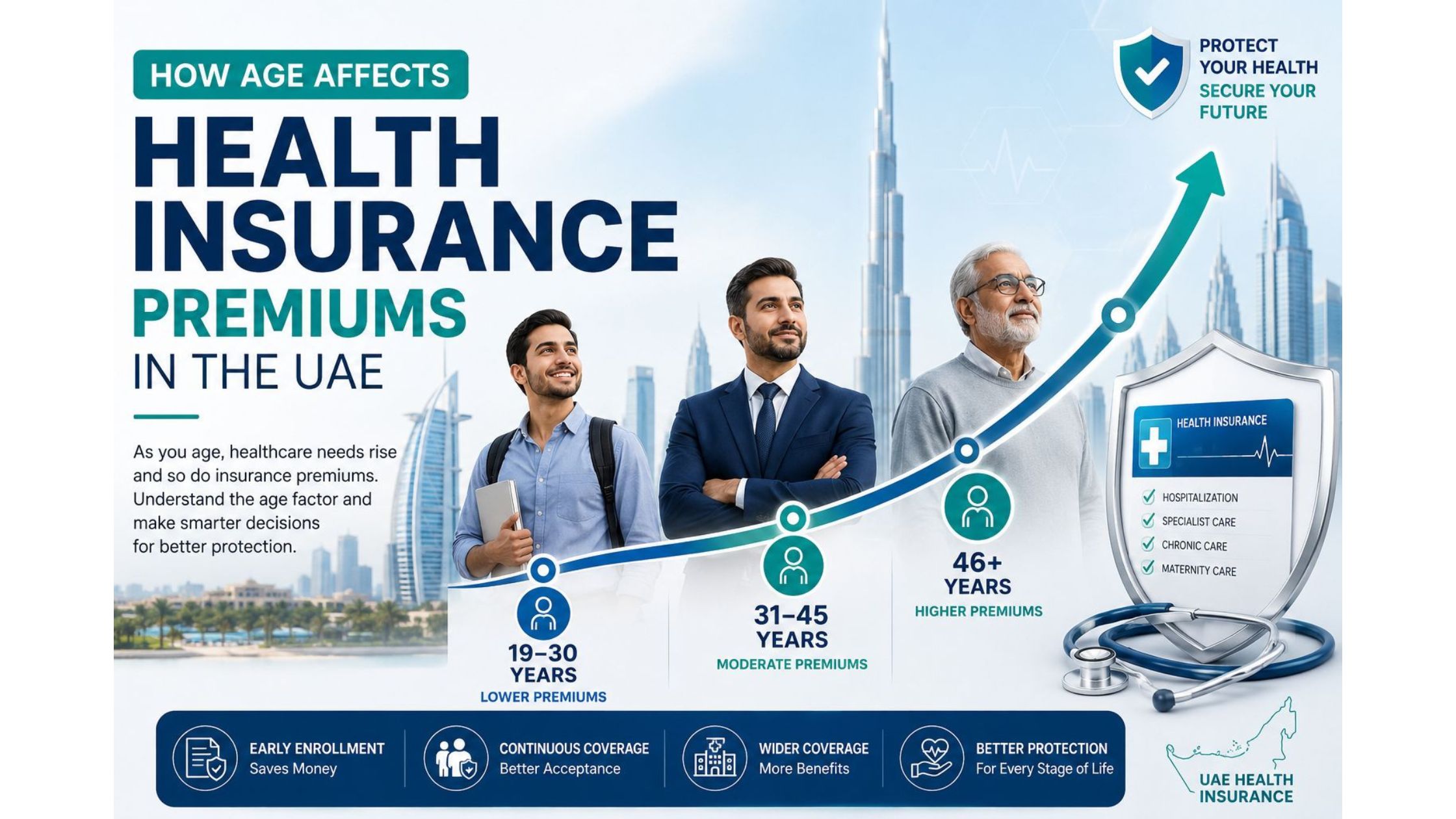
READ THE FULL BRIEFING
How Marine Insurance Protects Businesses in International Shipping
Marine InsuranceMay 16, 2026

How Marine Insurance Protects Businesses in International Shipping

International trade has become a vital part of modern business growth. Companies across the UAE and around the world regularly import and export goods to meet customer demands and expand into new markets. However, global transportation also comes with several risks that can lead to unexpected financial losses.From harsh weather conditions to cargo damage and shipping delays, businesses face many uncertainties while transporting goods internationally. This is where marine insurance plays a critical role. Marine insurance provides financial protection against transit-related risks and helps businesses trade with greater confidence.Understanding the Risks in International ShippingShipping goods across countries involves multiple stages, including loading, unloading, warehousing, customs clearance, and transportation by sea, air, or land. During this journey, cargo can face various challenges that may affect delivery timelines and product condition.Some common risks include:Port congestion and delaysRough weather and natural disastersCargo theft or lossFire or explosions onboardImproper handling during loading and unloadingAccidental damage during transitContainer accidents or vessel collisionsEven a single incident can result in major financial losses for businesses, especially when dealing with high-value or large-volume shipments.What Is Marine Insurance?Marine insurance is a type of insurance policy designed to protect goods, cargo, ships, and transportation operations against losses or damages during transit. It helps businesses recover financially if goods are damaged, lost, or delayed while being transported domestically or internationally.Marine insurance policies can cover transportation by:Sea freightAir freightRail transportRoad transportThis coverage is essential for importers, exporters, manufacturers, distributors, and logistics companies involved in global trade.How Marine Insurance Reduces Financial LossesProtection Against Cargo DamageCargo can be damaged during transportation due to rough seas, accidents, improper storage, or mishandling. Marine insurance compensates businesses for damaged goods, reducing the financial burden of replacing products or absorbing losses.This protection is especially important for fragile, perishable, or high-value shipments.Coverage for Lost or Stolen GoodsCargo theft and missing shipments are major concerns in international logistics. Marine insurance helps businesses recover the value of goods that are lost or stolen during transit.Without insurance coverage, companies may face significant financial setbacks and disruptions to operations.Financial Support During Shipping DelaysPort congestion, customs issues, and weather disruptions can delay shipments and impact supply chains. These delays may lead to financial losses, missed deadlines, and dissatisfied customers.Certain marine insurance policies provide compensation for losses associated with transit delays, helping businesses maintain stability during unexpected situations.Reduced Business InterruptionWhen shipments are damaged or delayed, business operations can slow down significantly. Marine insurance helps businesses recover faster by providing financial assistance to handle replacement costs and operational disruptions.This allows companies to continue serving customers without major interruptions.Importance of Marine Insurance for UAE BusinessesThe UAE is one of the world’s leading trade and logistics hubs, connecting businesses across Asia, Europe, Africa, and the Middle East. With large volumes of goods moving through ports and airports daily, marine insurance has become increasingly important for businesses operating in the region.Marine insurance helps UAE businesses:Protect valuable cargo during international tradeImprove financial securityReduce operational risksMaintain customer trustSupport business continuityWhether shipping electronics, machinery, retail products, or raw materials, having the right marine insurance policy can protect businesses from unexpected losses.Types of Marine Insurance CoverageBusinesses can choose from different types of marine insurance policies depending on their shipping needs.Cargo InsuranceProtects goods against damage, theft, or loss during transportation.Hull InsuranceCovers physical damage to ships or vessels.Open Cover PolicyProvides continuous coverage for multiple shipments over a specified period.Inland Transit InsuranceProtects goods transported within the country by road or rail.Choosing the right policy depends on cargo type, shipment frequency, destination, and risk exposure.Factors to Consider When Choosing Marine InsuranceBefore selecting a marine insurance policy, businesses should evaluate:Nature and value of goodsShipping routes and destinationsFrequency of shipmentsCoverage limits and exclusionsClaim settlement processInsurance provider reputationA well-structured marine insurance plan can help businesses manage risks more effectively and avoid major financial strain.International shipping offers businesses tremendous growth opportunities, but it also involves several risks that can affect profitability and operations. Cargo damage, theft, weather disruptions, and transit delays can lead to substantial financial losses if businesses are not properly protected.Marine insurance acts as a safety net by providing financial protection against unexpected shipping risks. It allows importers and exporters to operate with greater confidence, maintain smoother supply chains, and protect valuable business assets during global transportation.For businesses involved in international trade, investing in marine insurance is not just a precaution — it is an essential step toward long-term financial security and operational stability.

READ THE FULL BRIEFING
Term Life Insurance in the UAE: Age Limits Explained for Better Financial Planning
Life InsuranceMay 14, 2026

Term Life Insurance in the UAE: Age Limits Explained for Better Financial Planning

Term life insurance is one of the most popular and affordable ways to protect your family financially in the UAE. Whether you are a salaried employee, business owner, parent, or expatriate, having the right life insurance policy can provide peace of mind and long-term security for your loved ones.One of the most important factors that affects eligibility and pricing is age. Understanding the minimum and maximum age limits for term life insurance in the UAE can help you make smarter financial decisions and avoid delays in securing coverage. What is Term Life Insurance?Term life insurance is a policy that provides financial protection for a fixed period, such as 10, 20, or 30 years. If the insured person passes away during the policy term, the insurer pays a lump sum amount to the beneficiaries.Unlike investment-linked insurance plans, term insurance focuses purely on protection and usually comes with lower premiums. Minimum Age for Term Life Insurance in UAEMost insurance providers in the UAE allow individuals to purchase term life insurance starting from the age of 18 years. Some insurers may set the minimum age at 21 years depending on their underwriting policies.Young adults who start early often enjoy lower premium rates because they are generally considered lower-risk applicants. Buying insurance at a younger age also allows you to lock in affordable premiums for a longer duration.Benefits of Buying EarlyLower monthly or annual premiumsEasier medical approval processLonger coverage options availableBetter financial planning for the future Maximum Entry Age for Term Life InsuranceThe maximum age to buy a new term life insurance policy in the UAE usually ranges between 60 and 70 years, depending on the insurance provider and plan type.Some insurers may offer limited coverage beyond this age, but premiums tend to be significantly higher due to increased health risks.Common Maximum Entry AgesStandard plans: Up to 60 or 65 yearsSpecialized senior plans: Up to 70 yearsCertain policies may require detailed medical evaluations for older applicants Maximum Coverage AgeApart from the entry age, insurers also define a maximum maturity age. This refers to the age at which the policy coverage ends.In the UAE, many term life insurance plans provide coverage up to:70 years75 years80 years in selected plansFor example, if a policy has a maximum maturity age of 75 and you purchase it at age 45, you may be eligible for a maximum term of 30 years. How Age Affects Term Life Insurance PremiumsAge plays a major role in determining the cost of life insurance. The older you are, the higher the insurance premium is likely to be. This is because insurers assess higher health and mortality risks with increasing age.Example:A 28-year-old applicant may receive lower premiums with minimal medical checks.A 55-year-old applicant may pay significantly more and may need detailed health screening.Starting early can therefore help you save a considerable amount over the lifetime of the policy. Why Insurers Have Age LimitsInsurance companies set age limits to manage financial and medical risks. As people age, the chances of health complications increase, which can affect claim probabilities.Age limits help insurers:Assess risk accuratelyMaintain affordable premium structuresEnsure sustainable policy coverageBalance long-term liabilities Can Senior Citizens Get Term Life Insurance in UAE?Yes, some insurers in the UAE provide life insurance options for senior citizens, although coverage terms may differ. Policies for older applicants may include:Higher premiumsShorter policy termsMandatory medical examinationsLower coverage amountsIt is important to compare plans carefully and understand the exclusions before purchasing. Tips for Choosing the Right Term Life Insurance Policy1. Buy EarlyPurchasing insurance at a younger age usually provides better pricing and wider coverage options.2. Compare Multiple PlansDifferent insurers have different age criteria, premiums, and benefits. Comparing plans helps you find the most suitable option.3. Check Maximum Maturity AgeAlways verify how long the policy will remain active before making a decision.4. Understand Medical RequirementsOlder applicants may need medical tests, so it is important to be transparent about health history.5. Choose Adequate CoverageSelect a sum assured that can support your family’s future expenses, liabilities, and financial goals.Understanding the age limits for term life insurance in the UAE is essential when planning your financial future. While most policies are available from the age of 18, the maximum entry and coverage age can vary between insurers.The earlier you buy a term life insurance policy, the better your chances of securing affordable premiums and wider protection. Whether you are just starting your career or planning for your family’s future, choosing the right coverage at the right time can make a significant difference. 

READ THE FULL BRIEFING
Why Singles in the UAE Shouldn’t Delay Life Insurance Coverage
Life InsuranceMay 14, 2026

Why Singles in the UAE Shouldn’t Delay Life Insurance Coverage

Life insurance is often associated with married couples or individuals with children, but that’s only part of the picture. In reality, singles in the UAE also benefit significantly from having life insurance coverage. Whether you are starting your career, building wealth, or living independently, securing a policy early can provide long-term financial protection and flexibility.Waiting until later in life can mean higher premiums, limited options, and missed opportunities to lock in affordable coverage. That’s why understanding life insurance as a single individual is an important step in financial planning. Why Life Insurance Matters Even If You’re SingleMany singles assume life insurance is unnecessary because they don’t have dependents. However, life insurance is not only about supporting family—it also serves broader financial purposes.1. Covers Outstanding DebtsIf you have personal loans, credit card debt, or a car loan, life insurance ensures these obligations are not passed on to family members or co-signers. It provides a financial safety net that clears liabilities.2. Protects Your Future PlansEven if you are single today, your situation can change in the future. Life insurance ensures you are financially prepared for marriage, children, or dependents later on.3. Financial Independence PlanningLife insurance can also support long-term goals such as wealth planning and legacy creation, ensuring your financial decisions remain intact even in unforeseen situations. Why You Should Not Delay Buying Life InsuranceDelaying life insurance may seem harmless when you are young and healthy, but it can cost more in the long run.Lower Premiums When You Are YoungThe younger you are, the lower your premiums. Insurance providers consider younger applicants lower risk, which results in more affordable coverage.Better Health EligibilityAs you age, health conditions may develop, which can lead to higher premiums or restrictions in coverage. Buying early helps you secure coverage while you are still in good health.Wider Policy ChoicesEarly applicants often have access to a wider range of insurance plans, including higher coverage amounts and flexible terms. Key Benefits of Life Insurance for Singles in the UAE1. Financial ProtectionLife insurance ensures your financial responsibilities are handled, even in unexpected situations.2. Income ReplacementIf you are supporting parents or contributing to family expenses, life insurance can act as income replacement.3. Peace of MindKnowing that your finances are protected gives you confidence to focus on your career and personal growth.4. Investment and Savings OptionsSome life insurance plans combine protection with savings or investment benefits, helping you build wealth over time. Common Misconceptions About Life Insurance for Singles“I Don’t Need It Without Dependents”Even without dependents, you still have financial responsibilities like loans, rent, or future planning.“It’s Too Expensive”Life insurance is often more affordable than people expect, especially when purchased early.“I Can Buy It Later”Waiting usually leads to higher premiums and fewer options due to age or health changes. How to Choose the Right Life Insurance Plan1. Assess Your Financial NeedsConsider your debts, income, and future goals before choosing coverage.2. Compare Insurance ProvidersDifferent insurers in the UAE offer different benefits, premiums, and policy features.3. Choose the Right Coverage AmountSelect a sum assured that aligns with your financial responsibilities and future plans.4. Check Policy FlexibilityLook for policies that allow upgrades, add-ons, or conversion options in the future. Who Should Consider It Most?Life insurance is especially important for:Young professionals starting their careersFreelancers and self-employed individualsExpats living in the UAE without family support nearbyIndividuals with personal loans or financial commitmentsLife insurance is not just for families it is an essential financial tool for singles in the UAE as well. It provides protection, financial security, and long-term stability, no matter what stage of life you are in.The earlier you start, the more benefits you gain in terms of affordability and flexibility. Instead of waiting for future responsibilities, securing life insurance today ensures you stay financially prepared for whatever comes next. 

READ THE FULL BRIEFING
What is Not Covered in UAE Health Insurance Plans? (Complete Guide 2026)
Health InsuranceMay 14, 2026

What is Not Covered in UAE Health Insurance Plans? (Complete Guide 2026)

Health insurance in the UAE is mandatory and highly beneficial for residents, providing access to quality healthcare across hospitals and clinics. However, many policyholders are often surprised when certain medical expenses are not covered under their insurance plan.Understanding what is not covered in UAE health insurance plans is just as important as knowing what is included. It helps you avoid unexpected medical bills and choose the right policy based on your healthcare needs.In this guide, we break down the most common exclusions in UAE health insurance policies. 1. Pre-Existing Conditions (in Some Cases)One of the most common exclusions in UAE health insurance plans is pre-existing medical conditions, especially during the waiting period.Conditions diagnosed before buying the policy may not be covered immediatelySome insurers may cover them after a waiting periodCoverage depends on the policy type and insurerAlways check the policy wording before purchase to understand how pre-existing conditions are handled. 2. Cosmetic and Aesthetic TreatmentsMost UAE health insurance plans do not cover cosmetic or elective procedures unless medically necessary.Not covered treatments may include:Cosmetic surgery (nose jobs, liposuction, etc.)Botox and aesthetic skin treatmentsNon-medical dental aesthetics (whitening, veneers for cosmetic reasons)These procedures are considered non-essential and are excluded from standard coverage. 3. Dental and Optical Care (Basic Plans)In many basic health insurance plans in the UAE, dental and optical treatments are either excluded or limited.Common exclusions:Routine dental checkupsBraces or orthodontic treatmentPrescription glasses or contact lensesHowever, premium plans may offer partial coverage for these services. 4. Alternative and Experimental TreatmentsUAE health insurance typically does not cover:Alternative medicine (acupuncture, homeopathy, herbal treatments)Experimental or unapproved medical proceduresTreatments not recognized by UAE health authoritiesOnly medically approved and evidence-based treatments are usually covered. 5. Injuries from High-Risk ActivitiesInsurance providers often exclude coverage for injuries caused by risky or extreme activities, such as:SkydivingProfessional sports injuriesRacing or motorsportsAdventure sports (depending on policy terms)If you are involved in such activities, you may need additional coverage. 6. Non-Emergency Treatments Outside Network (Without Approval)Most UAE insurance plans have a network of approved hospitals and clinics. Treatment outside this network may not be covered unless:It is an emergencyPrior approval is obtained from the insurerGoing outside the network without approval can result in claim rejection. 7. Fertility and Infertility TreatmentsMany standard health insurance policies in the UAE do not cover:IVF (In Vitro Fertilization)Fertility treatmentsHormonal treatments related to infertilitySome premium or specialized plans may offer partial coverage. 8. Self-Inflicted Injuries or Illegal ActivitiesInsurance providers exclude coverage for:Self-harm or intentional injuriesInjuries resulting from illegal activitiesSubstance or drug abuse-related treatmentsThese exclusions are standard across most insurance policies. 9. Non-Prescribed Medicines and SupplementsHealth insurance usually does not cover:Over-the-counter vitamins and supplementsNon-prescribed medicationsWellness or lifestyle drugsOnly prescribed medicines approved by a licensed doctor are covered. 10. Waiting Period LimitationsCertain treatments may not be covered during the initial waiting period, such as:Maternity carePre-existing conditionsSome surgical proceduresWaiting periods vary depending on the insurer and policy type.Understanding what is not covered in UAE health insurance plans is essential for making informed decisions and avoiding unexpected medical expenses. While health insurance in the UAE offers strong medical protection, every policy comes with exclusions and limitations.Before choosing a plan, always:Read policy terms carefullyCheck exclusions and waiting periodsCompare multiple insurance providersChoose coverage based on your healthcare needsA well-chosen health insurance plan ensures financial protection and peace of mind when you need it most. 

READ THE FULL BRIEFING
Health Insurance for Chronic Care Management in UAE
Health InsuranceMay 14, 2026

Health Insurance for Chronic Care Management in UAE

Managing a chronic illness can be physically, emotionally, and financially challenging. In the UAE, where healthcare standards are among the highest in the region, having the right health insurance plays a major role in ensuring continuous and affordable medical care for individuals living with long-term medical conditions.Health insurance for chronic care management in the UAE helps patients access ongoing treatment, medications, specialist consultations, and regular monitoring without facing overwhelming medical expenses. Understanding how chronic conditions are covered can help residents choose a policy that provides long-term healthcare support and financial protection. What is Chronic Care Management?Chronic care management refers to the continuous treatment and monitoring of long-term medical conditions that require regular healthcare support. These conditions usually develop over time and may require lifelong management.Common chronic conditions include:DiabetesHypertension (high blood pressure)AsthmaHeart diseaseArthritisThyroid disordersChronic kidney diseaseHigh cholesterolPatients with chronic illnesses often require regular doctor visits, diagnostic tests, prescription medications, and specialist care. Importance of Health Insurance for Chronic Conditions in UAEHealthcare costs for chronic illnesses can become expensive over time due to repeated treatments and long-term medication requirements. Health insurance helps reduce this financial burden by covering eligible medical expenses.Key benefits include:Access to quality healthcare facilitiesFinancial support for long-term treatmentRegular specialist consultationsCoverage for diagnostic and laboratory testsBetter disease management and preventive careA comprehensive health insurance plan provides peace of mind and ensures continuity of medical care. Coverage for Chronic Care Management in UAE Health InsuranceMany health insurance plans in the UAE provide coverage for chronic disease management, although benefits may vary depending on the insurer and policy type.Common Coverage Areas:Specialist doctor consultationsPrescription medicationsRoutine medical checkupsDiagnostic and laboratory testingHospitalization related to chronic conditionsEmergency treatment and follow-upsChronic disease monitoring programsSome premium insurance plans may also include wellness support and preventive healthcare services. Understanding Waiting Periods and Pre-Existing ConditionsOne important factor when choosing health insurance for chronic care management in the UAE is understanding how insurers handle pre-existing conditions.Important Points to Consider:Some insurers apply waiting periods before covering chronic illnessesCoverage terms vary between insurance providersCertain policies may partially cover pre-existing conditionsFull disclosure of medical history is essential during applicationReading policy terms carefully helps avoid claim issues in the future. Choosing the Right Health Insurance Plan for Chronic CareSelecting the right health insurance plan requires careful evaluation of healthcare needs and policy benefits.Factors to Consider:Network hospitals and specialist availabilityMedication coverage limitsAnnual claim limits and co-paymentsCoverage for diagnostic testsChronic disease management programsCashless treatment facilitiesClaim process efficiencyComparing multiple insurance providers helps identify the most suitable plan for long-term healthcare needs. Benefits of Comprehensive Chronic Care CoverageA good health insurance plan supports better health outcomes by allowing patients to access consistent treatment and preventive care.Major Benefits:Reduced out-of-pocket medical expensesImproved access to specialized healthcareBetter medication managementEarly detection of complicationsReduced financial stress during emergenciesEnhanced quality of life for patients and familiesContinuous medical support is essential for effectively managing chronic conditions over time. Role of Digital Healthcare in Chronic Disease ManagementThe UAE healthcare sector is rapidly adopting digital healthcare technologies to improve patient care. Many insurance providers now offer:Telemedicine consultationsDigital prescription servicesOnline claim trackingMobile health appsWellness monitoring programsThese digital services improve convenience and help patients manage chronic conditions more efficiently. UAE Health Insurance Regulations and Chronic CareHealth insurance is mandatory in the UAE, and regulations ensure residents have access to basic healthcare services. Employers are generally required to provide health insurance for employees, although coverage levels may differ.Individuals with chronic conditions should review:Policy exclusionsCoverage limitationsSpecialist referral requirementsRenewal conditions for ongoing treatmentUnderstanding policy details helps avoid unexpected medical expenses.Health insurance for chronic care management in the UAE is essential for individuals who require ongoing medical treatment and regular healthcare support. A well-structured insurance plan can help manage healthcare expenses, improve access to specialists, and ensure continuous treatment for chronic illnesses.By carefully comparing policies, understanding coverage terms, and selecting a plan that supports long-term healthcare needs, residents in the UAE can receive better medical care while protecting their financial well-being.  

READ THE FULL BRIEFING
Why UAE Has One of the Strongest Health Insurance Systems
Health InsuranceMay 14, 2026

Why UAE Has One of the Strongest Health Insurance Systems

The United Arab Emirates has built one of the most advanced and efficient healthcare systems in the region. Supported by strong government regulations, modern medical infrastructure, and mandatory health insurance policies, the UAE continues to improve healthcare accessibility for residents and expatriates alike.Today, the UAE health insurance system is recognized for its high standards, digital innovation, broad healthcare networks, and commitment to quality patient care. Whether for individuals, families, or businesses, health insurance in the UAE plays a major role in ensuring financial protection and access to world-class medical services.In this blog, we explore why the UAE has one of the strongest health insurance systems and how it benefits residents across the country. Mandatory Health Insurance CoverageOne of the key reasons behind the strength of the UAE healthcare system is the implementation of mandatory health insurance regulations.In emirates such as Dubai and Abu Dhabi, employers are required to provide health insurance coverage for employees. This ensures that a large portion of the population has access to essential healthcare services.Benefits of Mandatory Coverage:Improved healthcare accessibilityReduced financial burden during medical emergenciesIncreased preventive healthcare usageBetter public health managementEnhanced healthcare awareness among residentsMandatory insurance has significantly increased healthcare coverage throughout the UAE. World-Class Healthcare InfrastructureThe UAE has invested heavily in healthcare infrastructure, making it home to advanced hospitals, specialized clinics, and internationally accredited medical facilities.Many hospitals in the UAE are equipped with:Advanced medical technologiesSpecialized treatment centersHighly qualified doctors and specialistsEmergency and critical care servicesModern diagnostic and laboratory facilitiesThis high standard of healthcare directly strengthens the effectiveness of the insurance system. Strong Government Regulation and OversightThe UAE government actively regulates the health insurance sector to maintain quality standards and protect policyholders.Health authorities such as:Dubai Health Authority (DHA)Department of Health – Abu Dhabi (DOH)UAE Ministry of Health and Prevention (MOHAP)ensure that insurance providers comply with regulations, maintain transparency, and offer minimum essential coverage benefits.Regulatory Advantages:Consumer protectionStandardized healthcare coverageImproved transparency in insurance policiesBetter claims management practicesReduced fraudulent activitiesStrong oversight increases trust in the healthcare and insurance system. Wide Network of Hospitals and ClinicsHealth insurance providers in the UAE offer extensive networks of hospitals, clinics, pharmacies, and healthcare centers across the country.This allows residents to:Access medical treatment convenientlyChoose from multiple healthcare providersReceive specialist consultations easilyObtain emergency medical services quicklyLarge provider networks improve healthcare accessibility and patient convenience. Advanced Digital Healthcare and InsurTech IntegrationThe UAE is rapidly adopting digital healthcare technologies and InsurTech solutions to improve patient experiences and insurance operations.Modern health insurance services now include:Digital insurance cardsMobile healthcare applicationsOnline appointment bookingTelemedicine consultationsDigital claims processingReal-time policy managementDigital innovation improves efficiency, reduces paperwork, and enhances customer satisfaction. Focus on Preventive HealthcareThe UAE healthcare system places strong emphasis on preventive care and early diagnosis to reduce long-term medical complications.Many insurance plans support:Routine health screeningsVaccination programsWellness initiativesChronic disease managementPreventive consultationsEncouraging preventive healthcare helps improve overall public health outcomes and reduce healthcare costs. Access to Specialized and International Healthcare StandardsThe UAE attracts medical professionals and healthcare institutions from around the world, ensuring residents receive high-quality care based on international standards.Specialized services available include:CardiologyOncologyOrthopedicsFertility treatmentCosmetic and reconstructive surgeryPediatric specialty careThis level of specialization strengthens the overall healthcare ecosystem. Comprehensive Insurance Options for Residents and BusinessesThe UAE health insurance market offers a wide range of plans designed for:IndividualsFamiliesCorporate employeesSenior citizensFreelancers and self-employed professionalsThis flexibility allows residents and businesses to select policies based on healthcare needs and budgets. Efficient Emergency and Critical Care ServicesThe UAE healthcare system is known for fast emergency response services and advanced critical care support.Health insurance plans often include:Emergency hospitalizationAmbulance servicesIntensive care treatmentSurgical proceduresSpecialist emergency consultationsEfficient emergency care improves patient outcomes and healthcare reliability.The UAE has built one of the strongest health insurance systems through mandatory coverage, advanced healthcare infrastructure, strong government regulation, and continuous digital innovation. The combination of high-quality medical services and accessible insurance coverage provides residents with reliable healthcare protection and financial security.As the UAE continues to invest in healthcare technology and patient-centered services, its health insurance system is expected to become even more efficient and globally competitive in the coming years.  

READ THE FULL BRIEFING
Importance of Customer Support in Health Insurance UAE
Health InsuranceMay 13, 2026

Importance of Customer Support in Health Insurance UAE

Health insurance plays a vital role in providing financial protection and access to quality healthcare services in the UAE. However, beyond policy coverage and premium costs, one factor that significantly impacts customer experience is the quality of customer support provided by the insurance company.In the UAE’s competitive healthcare and insurance market, excellent customer support has become essential for helping policyholders manage claims, understand coverage, access healthcare providers, and resolve concerns efficiently. Strong customer service improves trust, satisfaction, and overall healthcare experiences for individuals, families, and businesses.In this blog, we explore the importance of customer support in health insurance UAE and how it benefits policyholders. Why Customer Support Matters in Health InsuranceHealth insurance policies often include complex terms, coverage conditions, exclusions, and claim procedures that may confuse customers. Reliable customer support helps simplify these processes and ensures policyholders receive proper guidance whenever needed.Good customer support helps customers:Understand policy benefits clearlyAccess healthcare services fasterResolve claim-related issues efficientlyReceive assistance during emergenciesMake informed healthcare decisionsEfficient support creates a smoother and less stressful insurance experience. Faster Assistance During Medical EmergenciesMedical emergencies can occur unexpectedly, making immediate support extremely important. Insurance companies with responsive customer service teams can quickly guide policyholders through:Hospital approvalsEmergency treatment proceduresCashless claim processesCoverage verificationAmbulance and emergency supportQuick assistance during emergencies reduces delays and helps patients receive timely medical care. Better Understanding of Insurance PoliciesMany policyholders may not fully understand the details of their health insurance plan. Customer support representatives help explain:Coverage benefitsPolicy exclusionsWaiting periodsCo-payments and deductiblesNetwork hospitals and clinicsClear communication helps customers avoid confusion and prevents unexpected medical expenses. Smooth and Efficient Claim ProcessingClaims processing is one of the most important aspects of health insurance services. Delays or confusion during claims can create stress for policyholders, especially during medical situations.Strong customer support helps by:Guiding customers through claim submissionAssisting with required documentsTracking claim statusResolving claim disputes quicklyProviding updates on approvals and reimbursementsEfficient claim support improves customer confidence and satisfaction. Improved Access to Healthcare NetworksHealth insurance providers in the UAE usually work with extensive networks of hospitals, clinics, pharmacies, and healthcare specialists. Customer support teams help policyholders:Locate nearby network hospitalsFind specialist doctorsUnderstand cashless treatment optionsAccess approved healthcare facilities easilyThis improves convenience and ensures faster access to quality medical care. Personalized Customer ExperienceEvery policyholder has different healthcare needs depending on age, medical history, family size, and lifestyle. Good customer support allows insurers to offer personalized assistance and suitable recommendations.Support teams may help customers:Upgrade coverage plansAdd dependents to policiesChoose suitable healthcare benefitsUnderstand maternity or chronic care coveragePersonalized service improves long-term customer relationships. Support for Policy Renewals and UpdatesHealth insurance plans require timely renewals to maintain uninterrupted coverage. Customer support teams assist policyholders by:Sending renewal remindersExplaining policy updatesHelping with plan upgrades or modificationsClarifying premium adjustmentsContinuous communication helps customers avoid coverage gaps and maintain financial protection. Digital Customer Support and InsurTech AdvancementsThe UAE insurance sector is rapidly adopting digital technologies and InsurTech solutions to improve customer service experiences.Modern customer support services now include:Mobile applicationsLive chat supportAI-powered chatbotsOnline claim trackingTelemedicine assistanceDigital policy managementDigital support improves response times and enhances accessibility for policyholders. Builds Trust and Customer LoyaltyReliable customer support strengthens trust between insurance providers and policyholders. Customers are more likely to remain loyal to insurers who:Respond quickly to concernsProvide transparent communicationHandle claims fairlyOffer professional assistance during difficult situationsTrust and customer satisfaction are essential for long-term business growth in the UAE insurance market. Importance of Choosing an Insurer with Strong Customer SupportWhen selecting a health insurance provider in the UAE, customer support quality should be considered alongside coverage and pricing.Important factors to evaluate include:Availability of 24/7 supportClaim response timesCustomer service reputationDigital support channelsMultilingual assistanceComplaint resolution efficiencyChoosing an insurer with strong customer support can greatly improve the overall healthcare experience.Customer support is one of the most important aspects of health insurance in the UAE. Efficient and responsive support services help policyholders understand their coverage, process claims smoothly, access healthcare facilities, and receive assistance during emergencies.As the UAE healthcare and insurance sector continues to grow digitally, customer support will remain a key factor in improving healthcare accessibility, customer satisfaction, and long-term trust in insurance providers. 

READ THE FULL BRIEFING
How Insurance Fraud Affects Health Coverage in UAE
Health InsuranceMay 13, 2026

How Insurance Fraud Affects Health Coverage in UAE

Health insurance plays a vital role in providing financial protection and access to quality healthcare services in the UAE. However, one growing challenge affecting the healthcare and insurance sector is insurance fraud. Fraudulent activities not only impact insurance companies but also affect policyholders, healthcare providers, and the overall healthcare system.Insurance fraud increases operational costs, leads to higher premiums, delays claim processing, and weakens trust within the healthcare ecosystem. As the UAE continues to strengthen its healthcare and insurance infrastructure, preventing fraud has become a major priority for insurers and regulatory authorities.In this blog, we explore how insurance fraud affects health coverage in the UAE and why fraud prevention is important for maintaining a strong healthcare system. What is Health Insurance Fraud?Health insurance fraud occurs when individuals, healthcare providers, or organized groups intentionally provide false information or misuse insurance benefits for financial gain.Common examples of insurance fraud include:Submitting fake medical claimsUsing another person’s insurance cardBilling for treatments not providedExaggerating medical expensesProviding false medical documentsUnnecessary medical procedures for higher billingFraud can occur at different stages of the healthcare and insurance process. Increased Health Insurance PremiumsOne of the biggest effects of insurance fraud is the increase in overall healthcare and insurance costs. When insurers experience financial losses due to fraudulent claims, they may raise premiums to recover those losses.Impact on Policyholders:Higher insurance costs for individuals and businessesIncreased employer healthcare expensesReduced affordability of comprehensive coverageFinancial pressure on families and small businessesFraud indirectly affects honest policyholders who end up paying more for health insurance. Delays in Claim ProcessingInsurance fraud forces insurance companies to implement stricter verification and investigation procedures. While these measures help reduce fraud, they can also slow down the claim approval process for genuine customers.Common Consequences:Longer claim review periodsAdditional documentation requirementsDelayed reimbursementsSlower hospital approval processesThis can create frustration and stress for policyholders during medical emergencies. Reduced Trust in the Healthcare SystemFraudulent activities damage trust between insurers, healthcare providers, and customers. Insurance companies may become more cautious when reviewing claims, while policyholders may feel concerned about service quality and transparency.A lack of trust can affect:Customer satisfactionHealthcare provider relationshipsInsurance company reputationOverall confidence in the healthcare systemMaintaining transparency and ethical practices is essential for building long-term trust. Impact on Healthcare ProvidersInsurance fraud not only affects insurers but also creates operational challenges for hospitals and clinics.Healthcare providers may face:Increased audits and investigationsPayment delays from insurersMore administrative workStricter compliance requirementsHospitals and clinics must maintain accurate medical records and billing procedures to avoid fraud-related issues. Stricter Policy Terms and Coverage LimitationsAs fraud risks increase, insurance providers may introduce stricter policy conditions and claim requirements to protect themselves from financial losses.This may result in:More exclusions and limitationsIncreased pre-authorization requirementsStricter approval processes for treatmentsAdditional claim verification proceduresThese changes can affect customer convenience and accessibility to healthcare services. Financial Losses for Insurance CompaniesFraudulent claims create major financial losses for insurance providers. Large-scale fraud can impact an insurer’s profitability, operational stability, and ability to offer affordable plans.Financial losses may lead to:Increased operational expensesHigher fraud detection investmentsReduced efficiency in claims handlingPressure on long-term business sustainabilityInsurance companies must continuously invest in technology and monitoring systems to combat fraud. Role of Technology in Preventing Insurance FraudThe UAE insurance sector is increasingly adopting InsurTech and digital technologies to detect and prevent fraudulent activities.Modern fraud prevention tools include:Artificial intelligence (AI)Data analyticsDigital claim verification systemsAutomated fraud detection softwareElectronic medical records integrationTechnology helps insurers identify suspicious patterns, improve claim accuracy, and strengthen operational security. UAE Regulations and Anti-Fraud MeasuresThe UAE government and healthcare authorities actively regulate the insurance sector to reduce fraud and protect policyholders.Authorities such as:Dubai Health Authority (DHA)Department of Health – Abu Dhabi (DOH)Ministry of Health and Prevention (MOHAP)work with insurers and healthcare providers to improve transparency, enforce compliance, and strengthen anti-fraud regulations. How Policyholders Can Help Prevent Insurance FraudCustomers also play an important role in reducing health insurance fraud.Important Preventive Measures:Never share insurance cards with othersReview medical bills carefullyReport suspicious healthcare activitiesProvide accurate information during claimsUse authorized healthcare providersResponsible policyholder behavior supports a healthier insurance ecosystem.Insurance fraud has a significant impact on health coverage in the UAE by increasing premiums, delaying claims, reducing trust, and creating operational challenges for insurers and healthcare providers. Preventing fraud is essential for maintaining affordable, transparent, and efficient healthcare services across the country.With stronger regulations, digital technologies, and customer awareness, the UAE continues to strengthen its healthcare and insurance system while protecting honest policyholders from the negative effects of fraud. 

READ THE FULL BRIEFING
Factors to Consider When Choosing a Medical Insurance Dubai Plan
Health InsuranceMay 11, 2026

Factors to Consider When Choosing a Medical Insurance Dubai Plan

Medical insurance is an essential part of living and working in Dubai. With rising healthcare costs and mandatory health insurance regulations, choosing the right medical insurance plan is important for individuals, families, and businesses alike.However, with so many plans available in the UAE market, selecting the right policy can sometimes feel overwhelming. Understanding the key factors before making a decision can help you find a plan that offers the right balance of coverage, affordability, and peace of mind. 1. Understand Your Healthcare NeedsBefore selecting a medical insurance plan, it is important to evaluate your personal or family healthcare requirements. Consider factors such as age, medical history, lifestyle, and the frequency of doctor visits.For families, maternity coverage, pediatric care, and specialist access may be important. Individuals with pre-existing conditions should carefully review coverage terms and waiting periods. 2. Check the Network of Hospitals and ClinicsOne of the most important factors in a Dubai medical insurance plan is the healthcare network. Insurance providers usually partner with specific hospitals, clinics, and pharmacies.Make sure the policy includes reputable healthcare facilities near your home or workplace. A wide network provides better convenience and easier access to quality treatment across Dubai and the UAE. 3. Compare Coverage BenefitsNot all medical insurance plans provide the same benefits. Carefully review what is included in the policy before purchasing.Common Coverage Areas:Doctor consultationsEmergency treatmentHospitalizationPrescription medicationsDiagnostic testsMaternity benefitsChronic disease managementUnderstanding these benefits helps ensure the policy matches your healthcare expectations. 4. Review Policy Limits and Sub-LimitsEvery medical insurance plan has annual coverage limits and sub-limits for certain treatments or services. Some policies may limit room rent, specialist consultations, or specific procedures.Choosing a plan with suitable limits helps avoid unexpected out-of-pocket expenses during medical emergencies. 5. Consider Premium Costs and AffordabilityWhile affordability is important, the cheapest plan may not always provide sufficient protection. Compare premium costs alongside the level of coverage offered.A balanced plan should provide adequate medical benefits while remaining manageable within your monthly or annual budget. 6. Check Waiting Periods and ExclusionsMost medical insurance plans have exclusions and waiting periods for specific treatments or pre-existing conditions. Understanding these conditions beforehand helps avoid surprises during claims.Always review:Pre-existing condition clausesMaternity waiting periodsCosmetic treatment exclusionsDental and optical limitationsClear understanding of exclusions ensures better financial planning. 7. Evaluate Claim Process EfficiencyA smooth and fast claim process is a key feature of a good insurance provider. Digital claim submission, cashless treatment options, and responsive customer support improve the overall experience.Choosing an insurer known for efficient claims handling can reduce stress during medical emergencies. 8. Look for Additional BenefitsSome medical insurance plans offer extra features that add value to the policy.Additional Benefits May Include:Wellness programsTelemedicine servicesAnnual health checkupsInternational emergency coverageVaccination benefitsThese features can improve long-term healthcare support and convenience. 9. Verify Compliance with UAE RegulationsHealth insurance in Dubai is regulated and mandatory for residents. Ensure the chosen policy complies with local regulations and provides the minimum required benefits.Businesses should also make sure employee health insurance meets UAE legal requirements to avoid penalties. 10. Compare Multiple Insurance ProvidersComparing plans from different insurance providers helps you identify better pricing, broader coverage, and additional benefits. Instead of focusing only on cost, consider the insurer’s reputation, customer support, and claim settlement efficiency.Researching multiple options helps you make a more informed and confident decision. Choosing the right medical insurance plan in Dubai requires careful evaluation of coverage, healthcare network, affordability, and policy terms. A well-selected plan not only helps manage medical expenses but also provides peace of mind during unexpected health situations.By understanding your healthcare needs and comparing available options carefully, you can find a medical insurance plan that offers reliable protection for yourself, your family, or your employees in the UAE. 

READ THE FULL BRIEFING
How Can I Get Low-Cost Health Insurance Plans in UAE?
Health InsuranceMay 11, 2026

How Can I Get Low-Cost Health Insurance Plans in UAE?

Health insurance is mandatory in the UAE, but many residents worry about the cost of coverage. The good news is that affordable health insurance plans are available for individuals, families, employees, freelancers, and dependents across Dubai, Abu Dhabi, Sharjah, and the Northern Emirates.By understanding how basic health insurance works and comparing the right plans, you can find reliable medical coverage without overspending. What is a Low-Cost Health Insurance Plan?Low-cost health insurance plans are designed to provide essential medical coverage at affordable premiums. These plans usually include basic healthcare benefits such as:Doctor consultationsEmergency treatmentHospitalizationDiagnostic testsPrescription medicinesMaternity benefits (limited in some plans)In Dubai and Abu Dhabi, basic health insurance plans are regulated to ensure residents have access to minimum healthcare coverage.  Tips to Get Affordable Health Insurance in UAE1. Choose a Basic Health Insurance PlanBasic plans are the most affordable option for residents looking for essential coverage. These plans are suitable for low-income workers, dependents, freelancers, and individuals who mainly need standard medical protection.Some UAE basic plans start from a few hundred dirhams annually depending on eligibility, age, and emirate.  2. Compare Multiple Insurance ProvidersDifferent insurers offer different premiums, networks, and benefits. Comparing plans allows you to identify affordable options that still provide reliable healthcare access.Providers such as Daman, ADNIC, and other UAE insurers offer essential and basic health insurance solutions.  3. Select a Smaller Hospital NetworkPlans with limited clinic and hospital networks usually have lower premiums. If you are comfortable using specific hospitals or clinics within your emirate, this can significantly reduce insurance costs.Always check whether nearby healthcare facilities are included before purchasing the plan. 4. Consider Higher Co-Pay OptionsLow-cost plans often include co-payments, meaning you pay a small percentage of treatment costs. Choosing a higher co-pay plan usually lowers your annual premium.This option can work well for healthy individuals who do not frequently visit hospitals or clinics. 5. Buy Insurance at a Younger AgeHealth insurance premiums increase with age and medical risks. Younger individuals generally qualify for lower-cost plans with fewer medical restrictions.Buying early can help lock in affordable coverage before health issues arise. 6. Avoid Unnecessary Add-OnsComprehensive plans may include international coverage, dental care, optical benefits, and wellness programs that increase costs. If your goal is affordability, focus only on essential medical coverage.Removing unnecessary add-ons can make the policy more budget-friendly. 7. Check Employer or Group Insurance OptionsEmployer-sponsored group insurance plans are often more affordable than individual policies. Businesses usually receive better pricing because risks are shared across multiple employees.If available, joining a company group plan can reduce your healthcare expenses significantly. Estimated Cost of Basic Health Insurance in UAEBasic health insurance plans in the UAE can vary depending on:AgeVisa typeEmirateCoverage levelMedical historySome entry-level plans in the UAE may start from approximately AED 320–750 annually for eligible categories, while broader essential plans may cost more.  Things to Check Before Buying a Cheap Health Insurance PlanHospital NetworkEnsure the plan includes hospitals and clinics near your location.Annual Coverage LimitCheck the maximum yearly medical coverage offered by the policy.Waiting PeriodsReview waiting periods for maternity and pre-existing conditions.Claim ProcessChoose insurers with simple and efficient claims handling.ExclusionsUnderstand treatments or services not covered under the plan. Important Note About Cheap Insurance PlansWhile affordability is important, extremely low-cost plans may offer limited benefits, smaller networks, or higher co-payments. Some community discussions in the UAE also highlight the importance of checking plan quality and hospital access carefully before choosing the cheapest option available. Balancing affordability with adequate healthcare coverage is the best approach.Getting low-cost health insurance in the UAE is possible when you compare plans carefully and focus on essential coverage. Basic health insurance plans can provide valuable financial protection while helping you meet UAE legal requirements at an affordable cost.By selecting the right insurer, understanding policy benefits, and avoiding unnecessary extras, you can secure a health insurance plan that fits both your healthcare needs and your budget. 

READ THE FULL BRIEFING
Claims Covered Under Professional Indemnity Insurance in UAE
Professional Indemnity InsuranceMay 07, 2026

Claims Covered Under Professional Indemnity Insurance in UAE

Professionals across the UAE such as consultants, doctors, engineers, and IT specialists—face risks when providing advice or services. Even a small error or misunderstanding can lead to financial loss for clients and legal action against your business. This is where professional indemnity insurance plays a critical role by protecting you against such claims.What is Professional Indemnity Insurance?Professional indemnity insurance (PII) is designed to protect businesses and individuals against claims arising from professional mistakes, negligence, or failure to deliver services as promised. It covers legal costs, compensation payouts, and related expenses. In the UAE, it is essential for many regulated professions and highly recommended for service-based businesses.Types of Claims Covered Under Indemnity Insurance in UAE1. Professional NegligenceIf a client suffers financial loss due to your mistake, oversight, or failure to meet professional standards, they may file a negligence claim. Indemnity insurance covers legal defense costs and compensation. This is one of the most common claims in service-based industries.2. Errors and OmissionsEven experienced professionals can make unintentional errors or miss critical details. If such mistakes lead to client losses, you may be held liable. The policy covers claims arising from these errors or omissions in your work.3. Breach of DutyA breach of professional duty occurs when a service does not meet the agreed terms or expected standards. Clients may claim damages if they believe your service caused them harm or financial loss. Indemnity insurance helps manage these legal and financial consequences.4. Defamation If your professional advice, reports, or statements unintentionally harm someone’s reputation, you could face a defamation claim. This includes both written  and spoken  statements. Many indemnity policies cover legal costs associated with such claims.5. Loss of Documents or DataLosing important client documents or sensitive data can lead to serious consequences. If the loss results in financial damage to the client, they may seek compensation. Indemnity insurance covers the costs associated with such incidents.6. Intellectual Property InfringementProfessionals may unintentionally use copyrighted materials, trademarks, or designs belonging to others. If a claim arises due to intellectual property infringement, the policy can provide coverage. This is especially relevant for consultants, designers, and IT professionals.7. Misrepresentation or Incorrect AdviceProviding incorrect or misleading advice can result in financial loss for clients. Even if unintentional, you may be held responsible. Indemnity insurance covers claims related to misrepresentation or inaccurate guidance.8. Legal Defense CostsRegardless of whether a claim is valid or not, defending yourself legally can be expensive. Indemnity insurance covers lawyer fees, court costs, and investigation expenses. This ensures your business is financially protected during legal disputes.What is Not Covered?While professional indemnity insurance offers broad protection, it does not cover everything. Common exclusions include:Intentional wrongdoing or fraudCriminal actsGeneral business risks not related to professional servicesClaims arising from undisclosed informationUnderstanding exclusions is just as important as knowing what’s covered. Why It’s Important in the UAEIn the UAE, many industries require professional indemnity insurance as part of licensing or regulatory compliance. It protects not only your finances but also your professional reputation. Having the right coverage builds trust with clients and strengthens your credibility in the market.Professional indemnity insurance is essential for protecting your business against claims arising from professional services. From negligence and errors to legal defense costs, it acts as a safety net in challenging situations. By understanding what claims are covered, you can choose the right policy and operate your business with confidence. 

READ THE FULL BRIEFING
Risk Management Strategies for UAE Professionals
Professional Indemnity InsuranceMay 07, 2026

Risk Management Strategies for UAE Professionals

In today’s fast-paced business environment, professionals in the UAE face a wide range of risks—from legal liabilities to financial uncertainties. Whether you are a consultant, doctor, engineer, or freelancer, managing risk is essential for long-term success. Implementing effective risk management strategies helps protect your reputation, finances, and business continuity. What is Risk Management?Risk management is the process of identifying, assessing, and controlling potential threats that could impact your professional services or business operations. These risks can include legal claims, operational errors, cyber threats, or financial losses. A structured approach ensures you are prepared for uncertainties and can respond effectively. Key Risk Management Strategies for UAE Professionals1. Identify and Assess Potential RisksThe first step is to understand the types of risks your profession faces. This may include professional errors, client disputes, regulatory compliance issues, or cyber risks. Conducting regular risk assessments helps you stay aware and proactive.2. Maintain Proper DocumentationAccurate documentation is critical in protecting yourself from disputes and claims. Keep records of contracts, communications, reports, and approvals. Proper documentation serves as evidence in case of legal or client-related issues.3. Ensure Regulatory ComplianceProfessionals in the UAE must comply with industry regulations and licensing requirements. Non-compliance can lead to penalties, legal action, or business disruption. Staying updated with local laws ensures smooth operations and reduces legal risks.4. Invest in Professional Indemnity InsuranceProfessional indemnity insurance is one of the most effective ways to manage risk. It protects you against claims arising from errors, negligence, or failure to deliver services. This coverage ensures financial protection and peace of mind.5. Implement Cybersecurity MeasuresWith increasing digitalization, cyber threats are a major concern for professionals. Protect sensitive client data with secure systems, encryption, and regular software updates. Strong cybersecurity reduces the risk of data breaches and financial loss.6. Use Clear Contracts and AgreementsAlways define the scope of work, responsibilities, and deliverables in written contracts. Clear agreements help avoid misunderstandings and disputes with clients. They also provide legal protection in case of conflicts.7. Continuous Training and Skill DevelopmentKeeping your skills and knowledge up to date reduces the risk of errors in your work. Attend training programs, certifications, and workshops relevant to your industry. Well-informed professionals are less likely to face claims or complaints.8. Monitor and Review Risks RegularlyRisk management is not a one-time process—it requires continuous monitoring. Regularly review your processes, policies, and potential threats. This helps you adapt to changes in the market and stay prepared.9. Financial Planning and Contingency FundsUnexpected situations can lead to financial strain. Maintaining a contingency fund helps you manage emergencies without disrupting operations. Proper financial planning ensures stability during uncertain times.10. Build Strong Client RelationshipsClear communication and transparency with clients reduce misunderstandings. Satisfied clients are less likely to raise disputes or claims. Building trust is a powerful way to minimize professional risks.Why Risk Management is Important in the UAEThe UAE has a dynamic and highly regulated business environment. Professionals are expected to maintain high standards of service and accountability. Effective risk management not only ensures compliance but also enhances credibility and business growth.Risk management is essential for every professional operating in the UAE. By identifying risks, maintaining compliance, securing insurance, and improving processes, you can protect your business from potential threats. A proactive approach ensures long-term success, stability, and confidence in your professional journey. 

READ THE FULL BRIEFING
Common Reasons for Travel Insurance Claim Rejection
Travel InsuranceMay 07, 2026

Common Reasons for Travel Insurance Claim Rejection

Travel insurance is designed to protect you from unexpected situations like medical emergencies, trip cancellations, or lost baggage. However, many travelers are surprised when their claims are rejected due to avoidable mistakes. Understanding the common reasons for claim rejection can help you stay prepared and ensure a smooth claims process. 1. Incomplete or Incorrect DocumentationOne of the most common reasons for claim rejection is missing or incorrect documents. Insurance companies require proof such as medical reports, police reports (for theft), or airline confirmations. Without proper documentation, your claim may not be processed or could be denied altogether. Tip: Always keep copies of all travel-related documents and submit complete paperwork.  2. Pre-Existing Medical Conditions Not DisclosedFailing to disclose pre-existing medical conditions can lead to claim rejection. Most travel insurance policies require full transparency about your health history. If a claim is linked to an undisclosed condition, it is likely to be denied.Tip: Always declare your medical history honestly while purchasing the policy.  3. Claims Outside Policy CoverageEvery travel insurance policy has specific inclusions and exclusions. Claims made for situations not covered under the policy—such as certain adventure sports or non-covered illnesses—are rejected. Lack of understanding of policy terms often leads to such issues.Tip: Read your policy document carefully to know what is covered and what is not.  4. Delay in Claim IntimationInsurance companies require claims to be reported within a specific timeframe. Delays in notifying the insurer can raise concerns about the validity of the claim. This often results in rejection, especially in emergency situations. Tip: Inform your insurer immediately after an incident occurs. 5. Traveling Against Government AdviceIf you travel to a destination against official government travel advisories, your claim may not be valid. Insurers consider such travel as high-risk and may exclude coverage. This is especially relevant during political unrest or health crises. Tip: Always check travel advisories before planning your trip.  6. Alcohol or Drug InfluenceClaims related to incidents occurring under the influence of alcohol or drugs are usually rejected. This includes accidents, injuries, or loss of belongings. Insurance providers consider such situations as avoidable risks. Tip: Stay responsible and avoid risky behavior during your trip.  7. Lack of Proof for Loss or TheftIf your baggage or belongings are lost or stolen, you must provide proof such as a police report or airline report. Without official documentation, insurers cannot verify the claim. This often leads to rejection. Tip: Report theft or loss immediately to the relevant authorities and collect written proof.  8. Policy Expiry or LapseClaims made after the policy has expired are not valid. Even a small gap in coverage can result in claim rejection. Many travelers forget to renew or extend their policy for longer trips. Tip: Ensure your policy is active for the entire duration of your travel.  9. Non-Medical Expenses Claimed as MedicalSometimes travelers claim expenses that are not categorized as medical under the policy. For example, wellness treatments or non-essential procedures may not be covered. This misunderstanding can lead to rejection. Tip: Verify eligible medical expenses before filing a claim.  10. Fraudulent or Exaggerated ClaimsSubmitting false or exaggerated claims is a serious offense and leads to immediate rejection. Insurance companies conduct thorough investigations before approving claims. Fraud can also lead to policy cancellation or legal action. Tip: Always provide honest and accurate information.Travel insurance is a valuable safety net, but only when used correctly. Most claim rejections happen due to lack of awareness or simple mistakes that can easily be avoided. By understanding policy terms, maintaining proper documentation, and acting promptly, you can ensure a smooth and successful claims experience.  

READ THE FULL BRIEFING
Travel Insurance for Pre-Existing Conditions in the UAE
Travel InsuranceMay 07, 2026

Travel Insurance for Pre-Existing Conditions in the UAE

Traveling from the UAE is exciting, whether for leisure, business, or visiting family abroad. However, if you have a pre-existing medical condition, securing the right travel insurance becomes even more important. Understanding how coverage works can help you travel with confidence and avoid unexpected financial risks. What Are Pre-Existing Conditions?A pre-existing condition refers to any illness, injury, or medical issue you had before purchasing your travel insurance policy. This can include chronic conditions like diabetes, asthma, heart disease, or previous surgeries. Insurers assess these conditions to determine coverage, exclusions, or additional premiums.  Does Travel Insurance Cover Pre-Existing Conditions in UAE?In the UAE, most standard travel insurance plans do not automatically cover pre-existing conditions. However, some insurers offer:Coverage with additional premiumLimited coverage for emergency stabilizationWaivers if conditions are declared and approvedEach insurer has different terms, so it’s important to compare policies carefully. Why Disclosure is ImportantWhen applying for travel insurance, you must declare all pre-existing medical conditions honestly. Failure to disclose can result in claim rejection, even if the condition is indirectly related to the claim. Transparency ensures that your policy remains valid and protects you when needed.  What is Typically Covered?Depending on the policy, coverage may include:Emergency medical treatment related to the conditionHospitalization and doctor consultationsEmergency evacuation if medically requiredHowever, routine treatments, check-ups, or planned procedures are usually not covered.  Common ExclusionsEven with specialized plans, certain exclusions apply:Undisclosed medical conditionsNon-emergency treatmentsTravel against medical adviceComplications arising from risky activitiesReading the fine print is essential to avoid surprises later.  How Premiums Are CalculatedInsurance premiums for individuals with pre-existing conditions are generally higher. Factors that affect pricing include:Age of the travelerSeverity of the conditionDestination and duration of travelCoverage limits chosenWhile premiums may be higher, the financial protection offered is worth the investment. Tips to Choose the Right Policy in UAECompare multiple insurance providers before buyingLook for plans that specifically mention pre-existing condition coverageCheck sub-limits and exclusions carefullyEnsure the policy meets visa requirements (e.g., Schengen travel)Choose adequate coverage limits for medical emergencies  Travel Insurance for Visa RequirementsFor destinations like Schengen countries, travel insurance is mandatory and must meet specific coverage criteria. While pre-existing conditions may not be fully covered, emergency medical coverage is still required. UAE travelers should ensure their policy complies with embassy requirements.Travel insurance for pre-existing conditions in the UAE requires careful planning and full transparency. While not all policies provide full coverage, the right plan can still offer essential protection during emergencies. By choosing wisely and understanding your policy, you can travel stress-free and stay protected wherever you go. 

READ THE FULL BRIEFING
Travel Insurance Checklist Before You Travel
Travel InsuranceMay 07, 2026

Travel Insurance Checklist Before You Travel

Traveling is exciting, but unexpected situations like medical emergencies, trip cancellations, or lost baggage can quickly turn your journey stressful. That’s where travel insurance plays a crucial role in protecting you financially and emotionally. Before you pack your bags, make sure your insurance is in place with this essential checklist.  1. Choose the Right Travel Insurance PlanNot all travel insurance plans are the same, so it’s important to pick one that fits your needs. Consider factors like destination, duration, type of travel (leisure, business, adventure), and number of travelers. Choosing the right plan ensures you’re adequately protected throughout your trip.  2. Check Coverage Details CarefullyAlways review what your policy covers, including medical emergencies, trip cancellations, delays, and lost baggage. Pay close attention to exclusions such as adventure sports or pre-existing medical conditions. Understanding coverage helps avoid surprises during claims. 3. Verify Coverage LimitsEvery policy has limits on how much it will pay for different situations. Ensure the medical coverage is sufficient, especially when traveling to countries with high healthcare costs. Higher coverage limits provide better financial protection in emergencies.  4. Disclose Pre-Existing Medical ConditionsIf you have any medical history, declare it while purchasing the policy. Non-disclosure can lead to claim rejection later. Being transparent ensures your coverage remains valid and reliable.  5. Understand the Claim ProcessBefore traveling, know how to file a claim and what documents are required. Check if the insurer offers 24/7 assistance and emergency support. Being prepared can save time and stress during unexpected situations. 6. Keep Important Documents HandyCarry both digital and printed copies of your travel insurance policy. Include emergency contact numbers and claim support details. Easy access to documents ensures quick action when needed.  7. Check Network Hospitals and Assistance ServicesFind out if your insurer has a network of hospitals or partners at your destination. This helps you access cashless treatment or faster assistance. Knowing where to go in an emergency is crucial when you’re abroad. 8. Confirm Policy DurationMake sure your policy covers the entire duration of your trip, including delays or extensions. Even a small gap in coverage can leave you unprotected. Always double-check your travel dates against your policy validity.  9. Review Add-Ons and Optional CoversConsider adding extra coverage based on your travel needs. This could include coverage for adventure sports, gadget protection, or trip cancellations. Add-ons enhance your policy and provide more comprehensive protection. 10. Compare Policies Before BuyingDon’t settle for the first policy you find compare multiple plans online. Look at coverage, pricing, benefits, and claim settlement support. Comparing helps you get the best value for your money.Travel insurance is not just a formality it’s a safety net that protects you from unexpected disruptions. Following this checklist ensures you’re fully prepared before your trip begins. With the right policy in place, you can travel confidently and focus on enjoying your journey.  

READ THE FULL BRIEFING
What Are the Types of Marine Insurance in Dubai
Marine InsuranceMay 02, 2026

What Are the Types of Marine Insurance in Dubai

IntroductionDubai is one of the world’s busiest trade hubs, connecting businesses across continents through sea, air, and land. With such high-volume cargo movement, protecting goods during transit is essential. This is where marine insurance plays a critical role in safeguarding businesses from financial losses. What is Marine Insurance? Marine insurance is a type of insurance that protects goods, ships, and cargo against loss or damage during transit by sea, air, or land. It covers risks such as accidents, theft, natural disasters, and handling damage. Businesses involved in import, export, or logistics rely heavily on marine insurance for risk protection. Why is Marine Insurance Important in the UAE?In a trade-driven economy like the UAE, goods are constantly in motion. Unexpected risks such as cargo damage, delays, or accidents can lead to significant financial losses. Marine insurance ensures business continuity by minimizing these risks and providing financial security.Types of Marine Insurance in Dubai, UAE1. Cargo InsuranceCargo insurance is the most common type of marine insurance. It protects goods against loss or damage during transportation. Whether you’re importing electronics or exporting raw materials, this policy ensures your cargo is financially protected.2. Hull InsuranceHull insurance covers physical damage to ships, vessels, or boats. It includes protection against accidents, collisions, and natural disasters. This type is essential for ship owners and operators.3. Freight InsuranceFreight insurance protects the earnings or freight charges of the shipping company. If cargo is lost or damaged and payment cannot be collected, this policy compensates the loss. It is especially useful for logistics providers.4. Marine Liability InsuranceThis policy covers legal liabilities arising from damages caused to third parties. It includes injury, property damage, or environmental impact caused during shipping operations. It is crucial for shipping companies and vessel owners.5. Inland Transit InsuranceInland transit insurance covers goods transported within the UAE by road, rail, or air. It protects cargo from risks like accidents, theft, or damage during domestic movement. This is ideal for businesses dealing with local logistics.6. Open Policy (Open Cover)An open policy provides continuous coverage for multiple shipments over a period of time. Businesses that frequently import or export goods benefit from this type. It eliminates the need to insure each shipment separately.7. Voyage PolicyA voyage policy covers a single shipment from one location to another. It is suitable for businesses that do not ship goods regularly. Coverage ends once the cargo reaches its destination.How to Choose the Right Marine Insurance Policy?Choosing the right policy depends on your business type, shipment frequency, and risk exposure. Businesses with frequent shipments may benefit from open cover policies, while occasional traders may prefer voyage policies. It’s always advisable to consult experts to find the best coverage.ConclusionMarine insurance is essential for protecting your business against unpredictable transit risks in Dubai and across the UAE. Understanding the different types of marine insurance helps you choose the right coverage for your needs. With the right policy, you can ensure smooth operations and financial security.

READ THE FULL BRIEFING
Why Transit Insurance is Essential in the UAE
Motor Fleet InsuranceMay 02, 2026

Why Transit Insurance is Essential in the UAE

IntroductionThe UAE is a global trade and logistics hub where goods are constantly moving between emirates and across international borders. Whether it’s raw materials, finished products, or high-value equipment, every shipment carries a level of risk. A transit insurance policy ensures that your business stays protected from unexpected financial losses during transportation.What is a Transit Insurance Policy? Transit insurance (also known as inland transit insurance) protects goods against loss or damage while being transported by road, rail, or air within the UAE. It covers risks such as accidents, theft, fire, and handling damage. This policy is essential for businesses involved in logistics, trading, manufacturing, or distribution.Why is Transit Insurance Important in the UAE?1. Protection Against Unexpected LossesGoods in transit are exposed to multiple risks like accidents, theft, or natural events. Even a single incident can result in significant financial loss for a business. Transit insurance ensures that such losses are covered, helping maintain financial stability.2. Essential for Business ContinuityDelays or damage to goods can disrupt supply chains and impact operations. Without insurance, businesses may struggle to recover quickly from such setbacks. Transit insurance helps companies bounce back faster and continue operations smoothly. 3. Safeguards High-Value ShipmentsMany businesses transport expensive goods such as electronics, machinery, or luxury items. Any damage or loss during transit can lead to major financial setbacks. Insurance provides peace of mind by protecting high-value cargo. 4. Covers Multiple Transportation RisksTransit insurance covers a wide range of risks including accidents, fire, theft, and mishandling. It ensures that businesses are not left vulnerable during the transportation process. This comprehensive protection is crucial in a fast-moving logistics environment like the UAE.5. Builds Trust with Clients and PartnersHaving transit insurance shows that your business is responsible and risk-aware. Clients feel more confident working with companies that ensure the safety of goods. It strengthens your brand reputation and credibility.6. Flexible Policy Options for BusinessesTransit insurance policies can be customized based on business needs. Companies can choose between single transit coverage or annual/open policies for multiple shipments. This flexibility makes it suitable for both small and large businesses.7. Compliance and Contract RequirementsIn many cases, transit insurance is required as part of contracts with suppliers, clients, or logistics partners. Having the right coverage ensures compliance with these agreements. It also protects businesses from potential legal disputes.Who Needs Transit Insurance in the UAE?Importers and exporters Logistics and transport companies Manufacturers and distributors E-commerce businesses SMEs dealing with regular shipments How to Choose the Right Transit Insurance Policy?Consider the type of goods you transport, their value, and frequency of shipments. Evaluate the risks involved in your logistics operations. Consulting an insurance expert can help you select the most suitable coverage for your business.ConclusionTransit insurance is not just an optional expense—it’s a critical safeguard for businesses operating in the UAE. With goods constantly on the move, the risk of loss or damage is always present. Investing in the right transit insurance policy ensures financial protection, business continuity, and peace of mind.

READ THE FULL BRIEFING
Best Time to Buy Life Insurance in the UAE
Life InsuranceMay 02, 2026

Best Time to Buy Life Insurance in the UAE

Life is full of financial responsibilities—rent, family support, education plans, loans, and long-term goals. In a fast-paced economy like the UAE, where many residents are expats supporting families both locally and abroad, financial protection becomes even more important. That’s where life insurance plays a critical role.But one common question many people ask is: When is the best time to buy life insurance in the UAE? The short answer is sooner than you think. Let’s break it down clearly so you can make an informed decision.1. The Best Time Is When You’re Young and HealthyThe most cost-effective time to buy life insurance is when you are young and in good health.Insurance premiums are calculated based on risk. When you are younger:You are less likely to have health issuesYour premiums are significantly lowerYou are more likely to get coverage without medical complicationsWaiting until later in life often means higher costs or stricter underwriting conditions. Buying early locks in affordability for the long term.2. After Major Life MilestonesLife insurance becomes essential when you start having people financially dependent on you. Key moments include:✔ MarriageOnce you get married, your financial responsibilities increase. Your partner may depend on your income, making protection essential.✔ Having ChildrenIf you have children, life insurance ensures their education and living expenses are secured even in your absence.✔ Taking a Home Loan or Large DebtMany residents in the UAE take long-term loans. Life insurance can protect your family from inheriting debt obligations.These milestones are strong indicators that it’s time to get coverage.3. When You Start Working in the UAEFor expats living in the UAE, starting a stable job is often the first step toward financial independence.In many cases:Employers provide basic insurance, but it is usually limitedIt does not always include long-term family protectionIt may not cover global financial obligations or repatriation needsThis is why many residents consider personal life insurance soon after settling in United Arab Emirates.4. When You Want Long-Term Financial PlanningLife insurance is not just about protection—it is also a financial planning tool.You should consider buying life insurance when:You want to build wealth protection for your familyYou are planning long-term savings or investment-linked insuranceYou want to secure your children’s future education costsYou want tax-efficient financial planning options (where applicable in your home country)The earlier you start, the more value you accumulate over time.5. Before Any Health Issues AriseOne of the biggest mistakes people make is waiting until they develop a medical condition.Once health issues appear:Premiums increase significantlySome conditions may be excludedIn severe cases, coverage may be deniedBuying life insurance while you are still healthy ensures smoother approval and better pricing.6. When You Become the Primary EarnerIf your income supports your household, parents, spouse, or dependents, life insurance becomes a necessity rather than an option.Ask yourself:If my income stops suddenly, how long can my family survive financially?Will they be able to maintain their lifestyle, education, and loans?If the answer is uncertain, it’s time to get coverage. 7. Why Many People Delay (and Why You Shouldn’t)Despite its importance, many people postpone buying life insurance because:They think it’s expensiveThey believe it’s only for older individualsThey assume their employer coverage is enoughThey feel they “don’t need it yet”However, delaying usually leads to:Higher premiums laterLimited plan optionsIncreased financial risk exposureTime is actually the biggest factor affecting cost and benefits. 8. Ideal Age Range to Buy Life InsuranceWhile there is no fixed rule, financial experts generally recommend:20s–30s: Best time to buy (lowest premiums, maximum benefits)40s: Still good, but costs increase50s and above: More expensive and medically dependentThe earlier you start, the more financially efficient your policy becomes over its lifetime. 9. UAE-Specific ConsiderationsIn the UAE, many residents are expatriates with unique financial planning needs:Families often live in different countriesFinancial obligations extend beyond UAE bordersResidency status may change over timeRepatriation and family support become key concernsBecause of this, life insurance is not just protection—it’s a cross-border financial safety net.10. Simple Rule to RememberIf you are unsure when to buy life insurance, follow this simple rule:Buy it when someone depends on your income or when you want to protect your future financial responsibilities.If neither applies yet, consider that it likely will soon.Final ThoughtsThe best time to buy life insurance is not “someday”—it is as early as possible when you are healthy, financially stable, and beginning to build responsibilities.In a dynamic country like the UAE, where financial planning is closely tied to career growth and family goals, life insurance provides stability, protection, and peace of mind.Waiting may feel comfortable today, but starting early ensures your future and your family’s future is financially secure no matter what happens.

READ THE FULL BRIEFING
Freelancer’s Guide to Medical Insurance in the UAE
Health InsuranceMay 02, 2026

Freelancer’s Guide to Medical Insurance in the UAE

Health Insurance for Freelancers in the UAEFreelancing in the UAE is growing rapidly, especially with flexible work permits, remote opportunities, and independent professional visas becoming more accessible. However, one important requirement that freelancers often overlook is health insurance. Whether you are a designer, consultant, writer, or tech professional, having the right health insurance plan is not just importantt is essential for legal compliance and financial protection.This guide explains everything you need to know about health insurance for freelancers in the UAE. Why Freelancers Need Health Insurance in the UAEHealth insurance is mandatory for all UAE residents, including freelancers. Without valid coverage, you may face issues with visa renewal or residency compliance depending on the emirate.More importantly, medical treatment in the UAE can be expensive. Even a simple doctor visit or emergency admission can lead to high costs. Health insurance ensures you are financially protected in case of illness, injury, or emergency care. Is Health Insurance Mandatory for Freelancers?Yes, freelancers in the UAE must have valid health insurance to maintain their residency visa. Depending on your visa type and emirate, insurance may be a prerequisite for issuing or renewing your freelance permit.Authorities such as the Dubai Health Authority (DHA) and the Department of Health – Abu Dhabi (DOH) require proof of coverage as part of the visa process.Types of Health Insurance Plans Available for FreelancersFreelancers usually have access to several types of insurance plans based on budget and needs:1. Basic Health Insurance PlansThese are low-cost plans that cover essential healthcare services such as emergency treatment, hospitalization, and limited outpatient care. They are ideal for freelancers on a tight budget.2. Comprehensive Health Insurance PlansThese plans offer wider coverage, including specialist consultations, maternity benefits, and higher hospital limits. They are suitable for freelancers with higher income stability.3. International Health Insurance PlansSome freelancers who travel frequently or work with global clients choose international coverage. These plans offer protection both inside and outside the UAE.Key Features Freelancers Should Look ForWhen choosing a health insurance plan, freelancers should carefully evaluate:Network of hospitals and clinicsAnnual coverage limitEmergency and inpatient coverageOutpatient consultation benefitsPrescription medicine coverageClaim process simplicityChoosing the right features ensures you get value without overpaying.Affordable Health Insurance Options for FreelancersFreelancers in the UAE can find affordable insurance by:Choosing basic plans with essential coverageSelecting restricted hospital networksOpting for higher co-pay optionsComparing multiple insurance providersMany insurers offer flexible monthly or yearly payment plans to make premiums more manageable.Common Mistakes Freelancers Should AvoidMany freelancers make costly mistakes when buying insurance, such as:Choosing the cheapest plan without checking coverageIgnoring exclusions and limitationsNot reviewing hospital network compatibilityForgetting renewal deadlinesAvoiding these mistakes ensures uninterrupted protection and compliance.Can Freelancers Upgrade Their Insurance Later?Yes, freelancers can upgrade their insurance plans as their income or needs change. Most insurers in the UAE allow plan upgrades during renewal or policy revision periods.This flexibility helps freelancers start with basic coverage and move to more comprehensive plans over time.Health insurance for freelancers in the UAE is not just a legal requirement .it is a financial safety net. With the right plan, freelancers can protect themselves from unexpected medical expenses while staying compliant with residency rules.Whether you choose a basic or comprehensive plan, the key is to balance affordability with adequate coverage. Taking time to compare options will help you find the best insurance plan that suits your freelance lifestyle in the UAE.

READ THE FULL BRIEFING
Smart Checklist to Compare Home Insurance Plans in the UAE
Home InsuranceMay 02, 2026

Smart Checklist to Compare Home Insurance Plans in the UAE

Home insurance in the UAE is becoming increasingly important as residents invest in apartments, villas, and high-value furnishings. Whether you are a homeowner or a tenant, the right policy protects your property against unexpected risks like fire, theft, water damage, and natural events. However, not all home insurance plans are the same—choosing the right one requires careful comparison.Here’s a complete guide on what to look at while comparing home insurance plans in the UAE.1. Type of Coverage OfferedThe first thing to check is what the policy actually covers. Most home insurance plans in the UAE fall into two categories: building insurance and contents insurance.Building insurance covers the structure of the property (walls, ceilings, fixtures).Contents insurance protects personal belongings like furniture, electronics, and appliances.Some insurers offer combined packages, while others sell them separately. Always ensure the coverage matches your actual needs.2. Sum Insured (Coverage Limit)The sum insured is the maximum amount the insurer will pay in case of a claim. It should reflect the real value of your property and belongings.Underinsuring can lead to financial loss, while overinsuring increases your premium unnecessarily. Carefully evaluate the replacement cost of your home contents before choosing a plan.3. Inclusions and ExclusionsEvery home insurance policy has a list of what is covered and what is not. Common inclusions are fire, theft, burst pipes, and accidental damage.However, exclusions may include:Wear and tearIntentional damageUnattended property claimsCertain natural disasters (depending on policy)Always read the fine print to avoid surprises during claims.4. Personal Liability CoverageMany people overlook this, but it is very important. Personal liability coverage protects you if someone is injured in your home or if you accidentally damage a third party’s property.For example, if a visitor slips in your apartment, this coverage helps handle legal and medical expenses. It adds an extra layer of financial protection.5. Claims Process and Settlement SpeedA good insurance plan should not only offer coverage but also a smooth claims experience. Check how quickly the insurer processes claims and whether they offer cashless or reimbursement options.Some insurers in the UAE provide digital claim submission, which speeds up approvals significantly. Always choose a provider known for hassle-free settlements.6. Premium Cost vs ValueWhile affordability matters, the cheapest plan is not always the best. Compare what you are getting for the premium you pay.A slightly higher premium may offer better coverage, faster claims, and wider protection. Focus on value, not just price.7. Add-ons and Customization OptionsSome insurers allow you to customize your policy with add-ons such as:Home emergency assistanceAlternative accommodation coverageHigh-value item protection (jewellery, art, etc.)These add-ons can significantly improve your coverage depending on your lifestyle and property type.8. Reputation of the Insurance ProviderAlways choose a reliable and licensed insurance provider in the UAE. Check customer reviews, claim settlement ratio, and market reputation.A trusted insurer ensures smoother claims and better customer support when you need it most.9. Policy Flexibility and Renewal TermsLook for policies that offer flexibility in renewal, upgrades, or cancellation. Some insurers may impose penalties or strict conditions.Flexible policies make it easier to adjust coverage as your needs change over time.10. Customer Support and AssistanceGood customer support is crucial during emergencies. Ensure the insurer offers 24/7 assistance, especially for urgent home-related incidents.Quick response during emergencies can make a big difference in minimizing damage and stress.Comparing home insurance plans in the UAE is not just about price—it’s about protection, reliability, and long-term value. By carefully evaluating coverage, exclusions, claims process, and provider reputation, you can choose a plan that truly safeguards your home and belongings.A well-chosen home insurance policy gives you peace of mind, knowing that your property is secure no matter what happens.

READ THE FULL BRIEFING
Do Expats Need Health Insurance Immediately After Arriving in the UAE?
Health InsuranceApr 29, 2026

Do Expats Need Health Insurance Immediately After Arriving in the UAE?

Do Expats Need Health Insurance Immediately After Arriving in the UAE?Moving to the UAE is an exciting step, whether for work, business, or a new lifestyle. However, one of the most important things expats must consider upon arrival is health insurance in the UAE. Many newcomers often wonder: Is health insurance required immediately, or can it wait?The short answer is yes, health insurance is essential, and in many cases, mandatory from the very beginning. Is Health Insurance Mandatory for Expats in the UAE?Yes, health insurance is mandatory in most parts of the UAE. Authorities in emirates like Dubai and Abu Dhabi require all residents to have valid medical insurance coverage. Without it, visa processing, renewals, or even employment procedures can be delayed or denied.Employers are typically responsible for providing health insurance for employees. However, dependents such as spouses, children, or domestic workers must usually be covered by the sponsor.Do You Need Health Insurance Immediately After Arrival?In most cases, you should have health insurance arranged either before arrival or immediately after entering the UAE. Here’s why:Visa Processing Requirements: Health insurance is often required to complete your residence visa process. Financial Protection: Medical costs in the UAE can be high without coverage. Legal Compliance: Being uninsured can result in fines or penalties depending on the emirate. Some employers may provide a temporary grace period, but relying on this can be risky. What Happens If You Don’t Have Health Insurance?Not having health insurance in the UAE can lead to several issues:Delays in visa stamping or renewal Out-of-pocket expenses for medical treatment Limited access to healthcare facilities Potential fines in certain emirates Healthcare in the UAE is world-class—but it comes at a cost if you are not insured.Who Provides Health Insurance for Expats?Employers: Must provide insurance for employees (mandatory in many emirates) Sponsors: Responsible for dependents’ coverage Individuals: Can purchase private health insurance plans if needed Choosing the right plan depends on your budget, coverage needs, and network of hospitals.Why Getting Health Insurance Early is ImportantGetting insured early offers multiple benefits:Immediate access to healthcare services Coverage for unexpected emergencies Peace of mind for you and your family Compliance with UAE laws and regulations Delaying health insurance can expose you to unnecessary financial and legal risks.Tips for Expats Choosing Health Insurance in the UAECompare multiple insurance providers and plans Check hospital and clinic network coverage Understand co-payments, deductibles, and exclusions Ensure compliance with local regulations Choose plans that cover dependents if needed So, do expats need health insurance immediately after arriving in the UAE?Absolutely. Whether it’s for legal compliance, financial protection, or access to quality healthcare, having health insurance from day one is essential.If you’re planning your move or have just arrived, make health insurance your top priority. It’s not just a requirement it’s your safety net in a new country. 

READ THE FULL BRIEFING
DHA vs DOH vs MOH – Which One is Right for You?
Health InsuranceApr 29, 2026

DHA vs DOH vs MOH – Which One is Right for You?

DHA vs DOH vs MOH – Which One is Right for You?If you’re planning to work in the healthcare sector in the UAE, you’ve likely come across three major authorities:Dubai Health Authority (DHA) Department of Health – Abu Dhabi (DOH) Ministry of Health and Prevention (MOH) Understanding the difference between these regulatory bodies is crucial for healthcare professionals, employers, and even patients. Each authority governs healthcare services in specific emirates and has its own licensing requirements.What Are DHA, DOH, and MOH?1. Dubai Health Authority (DHA)The Dubai Health Authority regulates healthcare services in Dubai. It is responsible for licensing doctors, nurses, clinics, and hospitals operating within the emirate. If you plan to work in Dubai, a DHA license is mandatory. 2. Department of Health – Abu Dhabi (DOH)The Department of Health – Abu Dhabi oversees the healthcare sector in Abu Dhabi. It ensures high standards of care and regulates healthcare professionals and facilities. A DOH license is required if you want to practice in Abu Dhabi.3. Ministry of Health and Prevention (MOH)The Ministry of Health and Prevention governs healthcare in the Northern Emirates, including Sharjah, Ajman, Fujairah, Umm Al Quwain, and Ras Al Khaimah. It also sets federal health policies and regulations. An MOH license allows professionals to work across multiple emirates under its jurisdiction. Key Differences Between DHA, DOH, and MOHFeatureDHADOHMOHCoverage AreaDubaiAbu DhabiNorthern EmiratesLicensing AuthorityDubai Health AuthorityDepartment of HealthMinistry of HealthScopeEmirate-levelEmirate-levelFederal-levelFlexibilityLimited to DubaiLimited to Abu DhabiWider regional coverage Which License is Right for You?Choose DHA if:You want to work in Dubai You are applying to hospitals or clinics based in Dubai You prefer a fast-growing, competitive healthcare market Choose DOH if:You plan to work in Abu Dhabi You aim for government or premium healthcare institutions You want to work in a highly regulated environment  Choose MOH if:You want flexibility to work across Northern Emirates You are targeting opportunities in Sharjah or smaller emirates You prefer broader regional mobility  Can You Transfer Between DHA, DOH, and MOH?Yes, healthcare professionals in the UAE can transfer licenses between authorities through a process called license conversion or transfer. However, each authority has its own requirements, exams, and documentation procedures.This flexibility makes it easier for professionals to explore opportunities across different emirates.Why This Matters for Insurance and HealthcareUnderstanding these authorities is not just important for healthcare professionals—it also matters for patients and insurance providers.Insurance networks often depend on licensed facilities Coverage may vary based on emirate regulations Healthcare access is influenced by the governing authority Choosing the right authority ensures compliance, better opportunities, and smoother operations in the UAE healthcare system.So, DHA vs DOH vs MOH—which one is right for you?The answer depends on where you want to work and your career goals.DHA → Dubai DOH → Abu Dhabi MOH → Northern Emirates Each authority plays a vital role in maintaining high healthcare standards across the UAE. Understanding their differences helps you make informed decisions—whether you’re a healthcare professional, employer, or patient.Planning to work or invest in healthcare in the UAE?Make the right choice by understanding licensing requirements and ensuring you’re fully compliant from day one. 

READ THE FULL BRIEFING
How Professionals in the UAE Can Renew Health Insurance After Exceeding Coverage Limit (2026 Guide)
Health InsuranceApr 29, 2026

How Professionals in the UAE Can Renew Health Insurance After Exceeding Coverage Limit (2026 Guide)

IntroductionFor working professionals in the UAE, health insurance is not just a legal requirement—it is a critical component of financial protection and access to quality healthcare. However, many employees and business professionals encounter a situation where their annual health insurance coverage limit is fully exhausted before policy renewal.When this happens, confusion often arises about whether the insurance can be “recharged.” The reality is that health insurance in the UAE does not work on a top-up model. Instead, professionals must rely on renewal, upgrade, or policy replacement options to restore coverage.This article explains the exact steps professionals can take when their health insurance limit is exceeded and how to maintain uninterrupted medical protection. Understanding Health Insurance Coverage Limits in the UAEEvery health insurance plan includes an annual maximum coverage limit, which defines the total amount the insurer will pay for medical expenses within a policy year.For example:Annual coverage limit: AED 250,000Medical expenses used: AED 250,000Result: Policy coverage stops until renewal or modificationOnce this threshold is reached, the insurer is no longer liable for further medical costs under the existing policy. What Happens When Coverage Limit Is Exhausted?For professionals relying on employer-sponsored or individual insurance, exceeding the limit can have immediate consequences:Insurance stops covering additional treatment costsOut-of-pocket payment becomes necessary for medical servicesFurther hospital admissions may require financial guaranteesEmergency stabilization may still be provided, but ongoing care is self-fundedThis situation can disrupt financial planning if not addressed promptly. Can Health Insurance Be Recharged in the UAE?Health insurance in the UAE does not operate on a recharge or top-up system. Once the coverage limit is used, professionals must explore structured solutions offered by insurers.The three primary options include: 1. Policy Renewal (Most Common Solution)Renewing the policy is the standard method of restoring coverage.Key points for professionals:Coverage resets for a new policy yearFull insurance benefits are reinstatedPremiums may vary based on claim historyNo gaps in coverage if renewed on time👉 Ideal for professionals nearing the end of their policy term. 2. Mid-Term Policy UpgradeSome insurance providers allow upgrades during the policy term if the coverage limit is exhausted.Benefits of upgrading:Higher annual coverage limitAccess to enhanced hospital networksImproved benefits such as specialist consultations or maternity coverBetter financial protection for future claimsImportant considerations:Subject to insurer approvalMay require additional premium paymentMedical underwriting may apply👉 Suitable for professionals with ongoing or high medical needs. 3. Switching to a New Insurance PlanIf upgrading is not feasible, switching insurers is an alternative solution.What professionals should know:New policy approval is requiredWaiting periods may apply for certain conditionsPre-existing conditions may be reassessedCoverage begins once the new policy is activated👉 Best for professionals seeking better value or enhanced coverage. 4. Out-of-Pocket Medical PaymentsIf immediate insurance solutions are not available:Medical expenses must be paid directlyHospitals may offer installment payment plansEmergency treatment is still provided but billed laterFinancial planning becomes essential until coverage resumes👉 Short-term solution only, not sustainable long-term. How UAE Professionals Can Avoid Exhausting Coverage EarlySmart planning helps prevent financial disruption due to insurance exhaustion.Best practices include:Selecting adequate coverage based on lifestyle and risk exposureReviewing policy limits before major medical proceduresUsing in-network healthcare providersMonitoring claim utilization regularlyAvoiding unnecessary hospital visits or duplicate consultationsEarly Warning Signs of Exhausting Insurance CoverageProfessionals should watch for:Frequent hospital visits within the policy yearHigh-cost medical treatments or surgeriesNotifications from the insurer regarding claim usageReduced remaining coverage balanceEarly awareness allows timely action before coverage ends. Best Strategy for Professionals in the UAEThe right solution depends on timing and urgency:Policy nearing expiry → Renew immediatelyHigh medical usage mid-year → Consider upgradeUrgent coverage need → Switch insurer if necessaryA proactive approach ensures continuous protection and financial stability.For professionals in the UAE, exceeding health insurance coverage limits is a manageable situation when addressed correctly. While insurance cannot be recharged like a digital service, options such as renewal, upgrade, or switching providers ensure continued protection.Understanding your policy structure and planning ahead can help avoid unexpected medical expenses and maintain uninterrupted healthcare access. 

READ THE FULL BRIEFING
Ways to Lower Your Car Insurance Premium in UAE
Car InsuranceApr 28, 2026

Ways to Lower Your Car Insurance Premium in UAE

Car insurance in the UAE is mandatory, but that doesn’t mean you have to overpay for it. Many drivers unknowingly pay higher premiums simply because they are unaware of cost-saving strategies. The good news is that there are several effective ways to lower your car insurance premium in UAE without compromising on coverage.Quick Answer To lower your car insurance premium in UAE:Compare multiple insurance quotes onlineMaintain a clean driving recordChoose a higher deductibleInstall safety and anti-theft devicesAvoid unnecessary add-onsRenew your policy on time Why Is Your Car Insurance Premium High in UAE?Before reducing your premium, it’s important to understand what affects it. Insurance providers in the UAE calculate premiums based on:Driver age and experienceDriving history and claims recordType and value of the carLocation (Dubai, Sharjah, Abu Dhabi, etc.)Coverage type (third-party vs comprehensive)Understanding these factors helps you make smarter decisions when choosing a policy.10 Smart Ways to Lower Your Car Insurance Premium in UAE1. Compare Car Insurance Quotes OnlineNever settle for the first quote you receive. Use online comparison platforms to evaluate multiple insurers and find the best deal. Comparing policies ensures you get competitive pricing and better coverage options.2. Maintain a Clean Driving RecordSafe driving plays a major role in reducing premiums. Avoid traffic violations and accidents to build a strong driving history. Insurers reward low-risk drivers with lower premiums and better benefits.3. Choose a Higher DeductibleOpting for a higher deductible (the amount you pay during a claim) can significantly reduce your premium. However, make sure you choose an amount you can comfortably afford in case of an accident.4. Take Advantage of No-Claim Bonus (NCB)If you haven’t made any claims during your policy period, you can earn a No-Claim Bonus (NCB). This discount can substantially reduce your renewal premium over time.5. Avoid Unnecessary Add-OnsWhile add-ons enhance coverage, not all are essential. Evaluate your needs carefully and remove unnecessary extras to keep your premium affordable.6. Install Safety and Anti-Theft DevicesCars equipped with advanced safety features and anti-theft devices are considered lower risk. Insurance providers may offer discounts for vehicles with enhanced security systems.7. Choose the Right Coverage TypeComprehensive insurance offers full protection but comes at a higher cost. If your car is older, switching to third-party insurance could help reduce your premium.8. Renew Your Policy on TimeLate renewals can lead to penalties and loss of benefits like NCB. Always renew your policy before it expires to maintain discounts and avoid additional charges.9. Bundle Insurance PoliciesSome insurers offer discounts when you purchase multiple policies (e.g., car + home insurance). Bundling can help you save on overall insurance costs. 10. Review Your Policy AnnuallyYour insurance needs change over time. Reviewing your policy every year ensures you are not overpaying for coverage you no longer need.Pro Tips to Maximize SavingsChoose annual payments instead of monthly installmentsLook for seasonal offers and discountsUse telematics or usage-based insurance if availableKeep your car well-maintained to reduce riskCommon Mistakes That Increase PremiumsNot comparing policies before buyingMaking frequent small claimsChoosing low deductibles unnecessarilyIgnoring policy terms and exclusionsImpact on Car Insurance in UAELowering your premium doesn’t mean reducing protection. By making smart choices, you can enjoy affordable car insurance in UAE while maintaining the right level of coverage for your vehicle.FAQsHow can I get cheaper car insurance in UAE?Compare quotes, maintain a clean driving record, and choose higher deductibles to reduce costs.Does No-Claim Bonus reduce premium?Yes, NCB is one of the most effective ways to lower your car insurance premium.Is third-party insurance cheaper in UAE?Yes, it is generally more affordable than comprehensive insurance but offers limited coverage. ConclusionReducing your car insurance premium in the UAE is all about making informed decisions. From comparing quotes to maintaining a clean driving record and choosing the right coverage, small changes can lead to significant savings.By following these strategies, you can secure the best car insurance in UAE at a price that fits your budget—without compromising on protection.  

READ THE FULL BRIEFING
Got Black Points in Dubai? Here’s What Happens Next
Car InsuranceApr 27, 2026

Got Black Points in Dubai? Here’s What Happens Next

The black points system in Dubai is a traffic penalty system introduced by the Dubai Police to monitor driver violations and improve road safety in the United Arab Emirates.Drivers receive black points for traffic offenses, and accumulating too many can lead to license suspension and fines. What is the Black Points System in Dubai? (Quick Answer)The black points system Dubai assigns penalty points to drivers for traffic violations. Each offense carries a specific number of points, and these remain on your record for 12 months.If a driver reaches 24 black points, their license is suspended. How Many Black Points Are Allowed in UAE?Maximum limit: 24 black points UAEValidity: 12 months from the violation dateReset: Automatically cleared after 1 year (if no new offenses) What Happens If You Get 24 Black Points in Dubai?If you reach the limit:First time: License suspension for 3 monthsSecond time: License suspension for 6 monthsThird time: License suspension for 12 monthsAdditional penalties may include vehicle confiscation and mandatory driving courses. Common Traffic Violations and Black PointsUsing mobile phone while driving – 4 black pointsNot wearing seatbelt – 4 black pointsJumping red signal – 12 black pointsExcessive speeding – up to 12 black pointsReckless driving – 23 black pointsDriving under the influence – 24 black pointsHow to Check Black Points in Dubai OnlineYou can check your black points Dubai online through:Dubai Police AppDubai Police websiteRTA platformsYou only need your Emirates ID or driving license number.Can You Remove Black Points in UAE?Yes, black points can be removed:Automatically after 12 monthsBy maintaining safe drivingBy transferring points to the responsible driver (if applicable)Through occasional government initiativesDo Black Points Affect Car Insurance in UAE?Yes. The black points UAE system can impact your insurance:Higher car insurance UAE premiumsIncreased risk profilePossible claim complicationsSafe driving helps maintain lower insurance costs.How to Avoid Black Points in DubaiFollow speed limitsAvoid phone usage while drivingObey traffic signalsMaintain safe distanceDrive responsibly at all timesThe black points system in Dubai is designed to enforce road safety and responsible driving. Staying below the 24 black points limit helps you avoid license suspension, fines, and increased insurance costs.

READ THE FULL BRIEFING
How to Get a Car Accident Police Report in Dubai (2026 Guide)
Car InsuranceApr 24, 2026

How to Get a Car Accident Police Report in Dubai (2026 Guide)

Getting into a car accident in Dubai can be stressful but the process of obtaining a police report doesn’t have to be. Whether it’s a minor collision or a serious incident, securing a report from the Dubai Police is the first and most important step toward filing your car insurance claim in the UAE.In this guide, you’ll learn exactly how to get your report quickly, what documents you need, and how to avoid delays.Why a Car Accident Police Report is Mandatory in DubaiA police report is not optional in Dubai it’s legally required. Without it:Your car insurance claim in UAE will be rejectedRepair garages will refuse to fix your vehicleYou may face legal complicationsThe report clearly identifies who is at fault, which directly impacts your insurance coverage and claim approval.What to Do Immediately After a Car Accident in DubaiBefore applying for your report, follow these essential steps:Ensure everyone’s safety and check for injuriesMove your car to a safe spot (for minor accidents)Call 999 in case of serious accidentsStay at the scene until reporting is completeFor major accidents, authorities will handle everything on-site.Documents Required for Accident ReportingTo speed up the process, keep these ready:Emirates IDDriving licenseVehicle registration card (Mulkiya)Insurance policy detailsPassport (for visitors)Having the right documents ensures a faster Dubai accident report online process.How to Get a Car Accident Police Report Online in DubaiDubai offers a fast and digital reporting system through the Dubai Police App.Step-by-Step Process:Open the app or visit the Dubai Police websiteSelect “Report Traffic Accident”Enter vehicle and driver detailsUpload photos of the accidentSubmit your requestYou’ll typically receive your Dubai police accident report online within 24 hours via email.Alternative Ways to Report a Car AccidentIf online reporting isn’t convenient, you can also:Visit ENOC Service Stations offering accident reportingGo to a Smart Police StationVisit a nearby police stationThese options provide flexibility for drivers across Dubai.How to Download Your Dubai Police Accident ReportOnce approved, you can download your report easily:Visit the Dubai Police websiteEnter your reference numberDownload the report instantlyThis document is required to proceed with repairs and insurance claims. What Happens After You Get the Report?After receiving your report:Submit it to your insurance companyGet damage assessment approvalRepair your vehicle at an authorized garageWithout this report, your car insurance UAE claim process cannot proceed. Special Case: Unknown Accident Report in DubaiIf your parked car is damaged and the responsible driver is unknown:Apply for an unknown accident reportUpload clear images of the damagePay the applicable feeThis ensures your motor insurance claim in UAE can still be processed.Pro Tips to Speed Up Your Insurance ClaimTake clear photos immediately after the accidentDouble-check all details before submissionReport the incident as soon as possibleKeep a copy of your police report محفوظ (saved)These simple steps can significantly improve your claim success rate.The process of getting a car accident police report in Dubai is now faster and more efficient thanks to digital services. Whether you use the app, website, or visit a service location, acting quickly ensures a smooth insurance claim process.If you want to avoid claim delays or rejections, always remember:Your police report is the key to unlocking your car insurance coverage in the UAE.

READ THE FULL BRIEFING
Everything You Need to Know About Nextcare PCP RN3 Network
General InsuranceMay 16, 2025

Everything You Need to Know About Nextcare PCP RN3 Network

What is Nextcare PCP RN3?The Nextcare PCP RN3 plan is a health insurance option designed around the concept of Primary Care Provider (PCP). This means your healthcare journey begins with a designated PCP—a doctor who oversees your medical needs and provides referrals to specialists within the RN3 network.Here’s what makes RN3 unique:Wide network access: The RN3 plan covers a curated network of clinics and hospitals, ensuring quality care while keeping costs manageable.PCP-first approach: Aimed at providing coordinated care through a primary provider who knows your medical history.Affordable premiums: A cost-effective plan suitable for individuals and families looking for basic to mid-range coverage.Key Benefits of Nextcare PCP RN3Affordable HealthcareRN3 is known for offering budget-friendly premiums without compromising on essential coverage.Comprehensive CoverageIncludes general consultations, preventive care, diagnostic tests, and specialist referrals.Emergency coverage ensures you’re protected during unexpected situations.Access to a Trusted NetworkThe RN3 network consists of trusted clinics, hospitals, and healthcare providers across the UAE.Advanced technology support for finding in-network providers via apps and websites.Streamlined ReferralsSeamless referral process to specialists within the RN3 network ensures you receive the best care when needed.Nextcare PCP RN3 Network ListTo make it easier for you to access healthcare providers within the Nextcare PCP RN3 network, we’ve included a downloadable list of all the clinics, hospitals, and pharmacies covered.Nextcare PCP RN3 Network Who Should Consider Nextcare PCP RN3?This plan is perfect for:Expats in the UAE who need affordable, comprehensive coverage for themselves or their families.Budget-conscious individuals looking for reliable coverage without the hefty price tag of premium plans.People who frequently use Nextcare’s network hospitals or clinics.How to Use Nextcare PCP RN3 EffectivelyChoose Your PCP WiselySelect a PCP within the RN3 network to act as your primary healthcare guide.They will manage your referrals and ensure your medical needs are met.Leverage Preventive CareUse your benefits for regular check-ups, screenings, and vaccinations to stay healthy and avoid major medical expenses.Understand the Referral ProcessBefore visiting a specialist, consult your PCP. This ensures you stay within the RN3 network and maximize your plan’s benefits.Use Digital ToolsNextcare provides apps and portals to locate network providers, track claims, and understand your plan details.FAQs About Nextcare PCP RN31. What is included in the coverage?The plan covers consultations, diagnostic tests, preventive care, and emergency services within the RN3 network.2. How do I find RN3 network hospitals and clinics?You can use the Nextcare app or website to locate providers in your area.3. What happens if I need a specialist?Your PCP will provide a referral to an in-network specialist, ensuring you receive expert care .4. How does RN3 compare to other Nextcare tiers?RN3 provides more affordable premiums compared to RN1 or RN2 but may have a smaller network of providers.Why Choose Nextcare?Nextcare is known for:Efficient claims processing: Hassle-free reimbursements and approvals.Technology-driven solutions: Mobile apps for easy access to healthcare details.Extensive network: Coverage across leading hospitals and clinics in the UAE.ConclusionThe Nextcare PCP RN3 plan is an excellent choice for those seeking affordable and reliable healthcare coverage. By focusing on a PCP-first approach and offering access to a strong network of providers, it ensures peace of mind for individuals and families alike. The information provided in the Nextcare PCP RN3 Network List is for informational purposes only and is subject to change. While we strive to keep the list accurate and up-to-date, we recommend verifying the details of any healthcare provider with your insurance company or directly with Nextcare before seeking medical services.We are not responsible for any discrepancies, changes in network coverage, or issues arising from the use of this information. Always consult your insurance provider for the most accurate and reliable guidance regarding your policy and network.

READ THE FULL BRIEFING