How Technology Is Transforming Property Protection
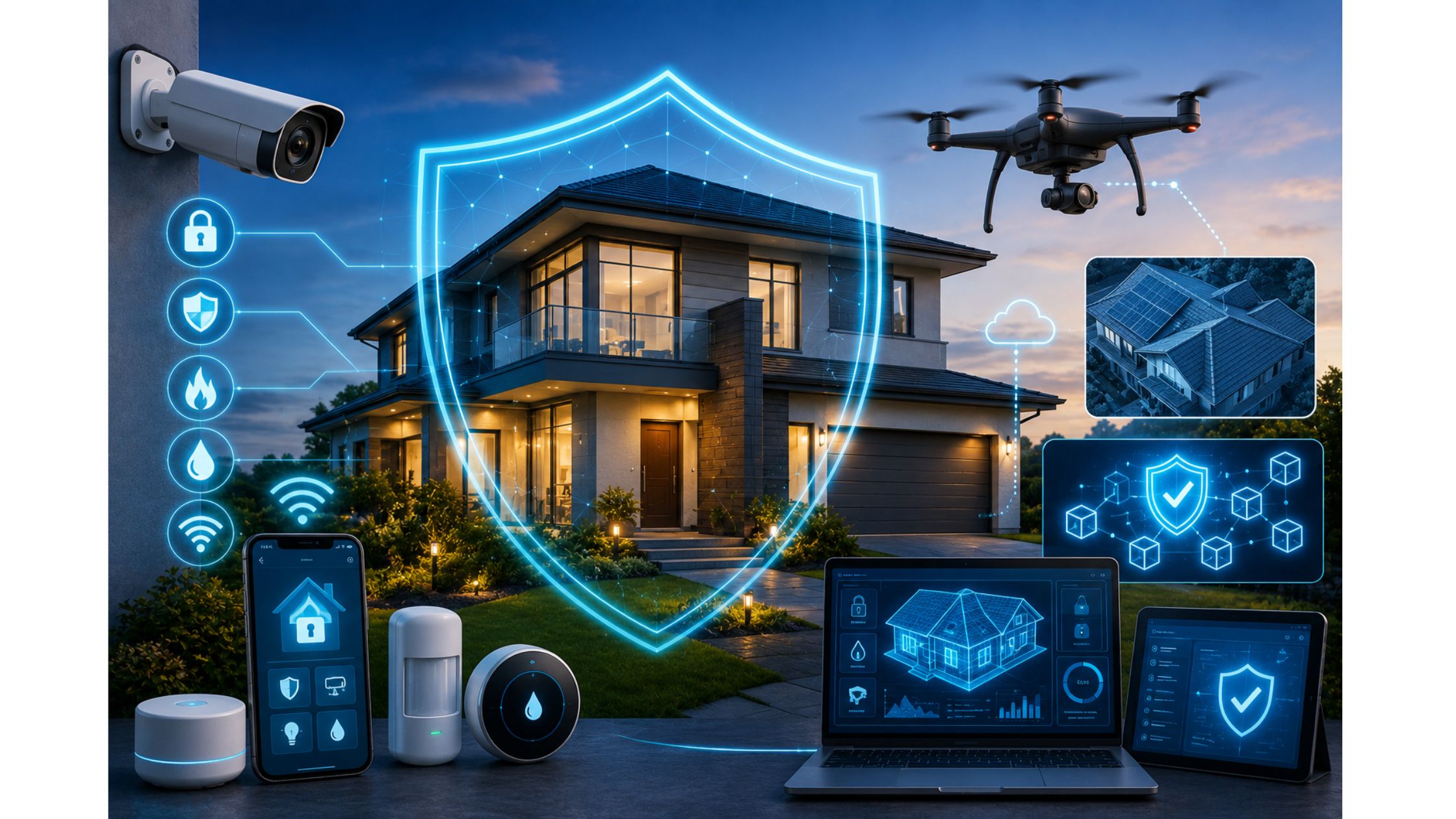
Property protection has evolved far beyond traditional locks, alarms, and insurance policies. Today, technology is playing a central role in how homes and buildings are safeguarded against risks such as theft, fire, water damage, and natural disasters. From smart sensors to AI-powered monitoring systems, innovation is making property protection more proactive, intelligent, and efficient.
As homeowners and insurers adopt digital solutions, the focus is shifting from reacting to damage to preventing it altogether.
Smart Home Security Systems
One of the most significant advancements in property protection is the rise of smart home security systems. These systems combine cameras, motion sensors, alarms, and mobile apps to provide real-time monitoring of homes.
Homeowners can now:
This level of connectivity improves response time and significantly reduces the risk of theft or intrusion.
IoT-Enabled Sensors for Early Detection
The Internet of Things (IoT) has transformed how risks are detected inside homes. Smart sensors can now identify issues such as:
These sensors provide early warnings, allowing homeowners to take action before small issues turn into major damages. For example, a water leak sensor can prevent expensive flooding damage by alerting the homeowner immediately.
AI-Powered Surveillance and Monitoring
Artificial intelligence is enhancing property protection by making security systems smarter and more accurate. AI-enabled cameras can distinguish between normal activity and suspicious behavior, reducing false alarms.
Compare reliable home insurance plans from leading UAE insurers.
Key benefits include:
This technology improves both safety and efficiency in property monitoring.
Smart Fire Safety Solutions
Fire safety technology has also advanced significantly. Modern systems go beyond traditional smoke detectors by offering:
These innovations help reduce response time during fire incidents, minimizing property damage and potential loss of life.
Water Damage Prevention Technology
Water damage is one of the most common and costly property risks. Smart water management systems are now helping homeowners prevent such issues.
These systems can:
This proactive approach helps avoid structural damage and expensive repairs.
Drones and Aerial Property Inspections
Drones are increasingly being used for property inspections, especially for large buildings and hard-to-reach areas such as roofs.
They help by:
This reduces the need for manual inspections and improves safety and accuracy.
Blockchain in Property Records and Insurance
Blockchain technology is improving transparency and security in property management and insurance. It ensures that property records and transactions are secure, tamper-proof, and easily verifiable.
Compare home insurance plans designed for homeowners and tenants.
This can help in:
It adds a new layer of trust and efficiency to the property ecosystem.
Smart Integration with Insurance Systems
Modern insurance companies are beginning to integrate smart home data into their policies. This allows insurers to:
For example, homes equipped with advanced security systems may benefit from lower insurance premiums due to reduced risk exposure.
The Future of Property Protection
The future of property protection lies in predictive and fully connected systems. Homes will increasingly become self-monitoring environments that can detect risks, respond automatically, and communicate directly with homeowners and insurers.
Emerging trends include:
These advancements will make property protection more proactive, intelligent, and reliable than ever before.
Technology is fundamentally transforming how we protect our properties. From smart sensors and AI surveillance to IoT devices and blockchain systems, innovation is shifting property protection from reactive solutions to proactive prevention.
As these technologies continue to evolve, homeowners will enjoy greater safety, insurers will gain better risk insights, and the entire property ecosystem will become more secure and efficient.
