Strengthening Supply Chain Resilience with Insurance Protection
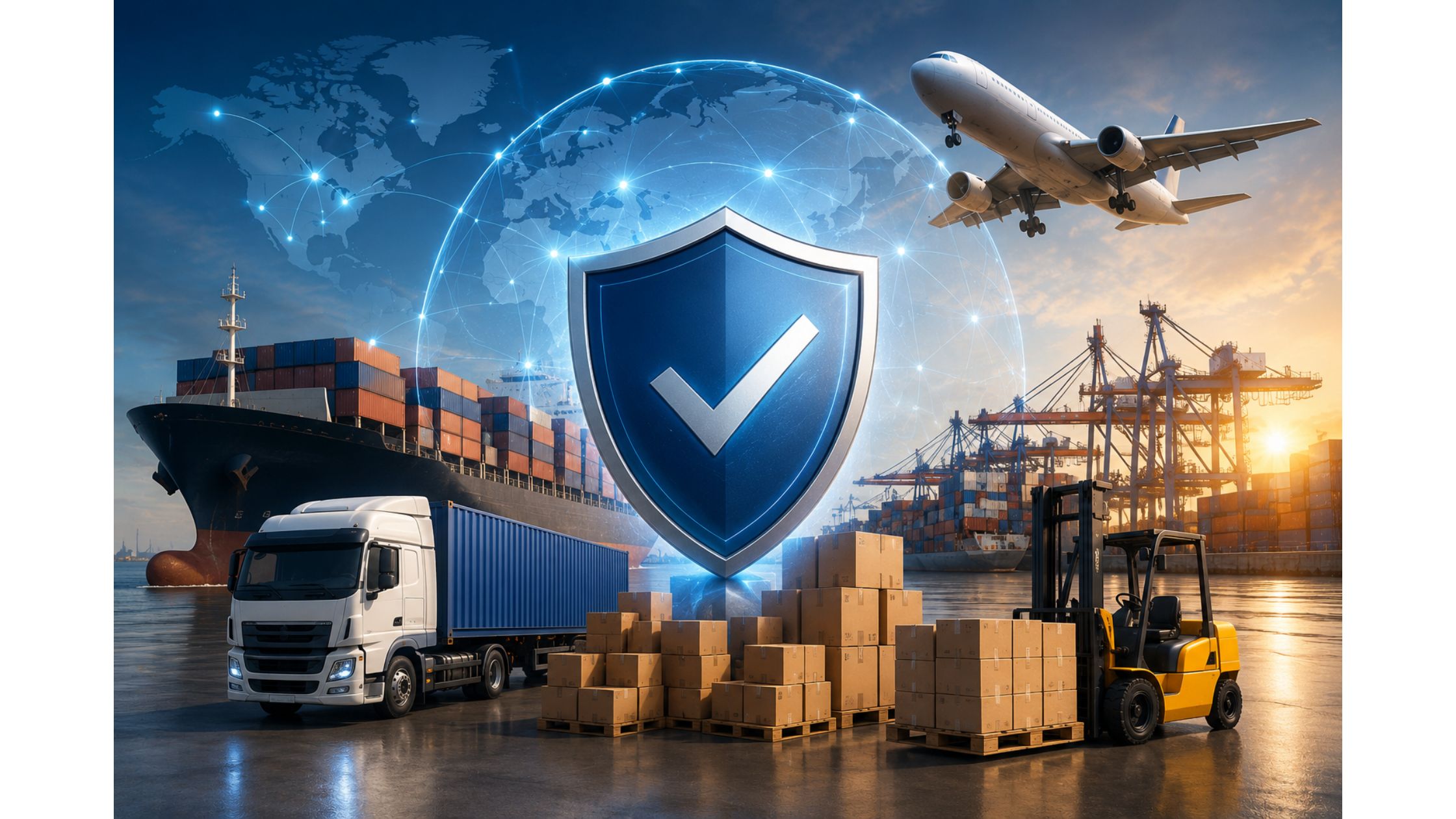
In today's interconnected global economy, supply chains face a wide range of challenges, from transportation delays and cargo damage to natural disasters, geopolitical disruptions, and unexpected market changes. For businesses that rely on the smooth movement of goods, even a minor disruption can lead to financial losses, customer dissatisfaction, and operational setbacks. Building a resilient supply chain is therefore a strategic priority, and insurance plays a vital role in achieving that resilience.
Understanding Supply Chain Risks
Supply chains involve multiple stakeholders, including manufacturers, suppliers, logistics providers, warehouses, and distributors. Each stage introduces potential risks that can impact the successful delivery of goods. Common supply chain risks include:
Without adequate protection, these risks can significantly affect a company's profitability and reputation.
Insurance as a Risk Management Tool
Insurance serves as a financial safeguard against unexpected events that disrupt supply chain operations. Rather than absorbing the full cost of losses, businesses can transfer a portion of the risk to an insurer. This helps organizations recover more quickly and maintain operational continuity when disruptions occur.
By incorporating insurance into their overall risk management strategy, businesses can strengthen their ability to respond to challenges while protecting their financial stability.
Protecting Goods in Transit with Marine Insurance
One of the most important insurance solutions for supply chain resilience is marine cargo insurance. Whether goods are transported by sea, air, road, or rail, cargo insurance provides protection against losses or damage during transit.
Compare Marine Insurance solutions for cargo and logistics.
This coverage can help businesses recover costs associated with:
With proper cargo protection, businesses can continue operations even after unexpected shipping incidents.
Supporting Business Continuity
Supply chain disruptions can affect inventory levels, production schedules, and customer commitments. Insurance helps businesses maintain continuity by reducing the financial impact of these interruptions.
When insured losses occur, compensation from insurance policies can provide the resources needed to replace damaged goods, secure alternative suppliers, or expedite shipments. This support enables businesses to recover faster and minimize downtime.
Enhancing Supplier and Customer Confidence
A resilient supply chain not only benefits the business itself but also strengthens relationships with suppliers and customers. Insurance demonstrates a proactive approach to risk management and business continuity planning.
Suppliers are often more comfortable working with organizations that have safeguards in place, while customers gain confidence knowing that potential disruptions are being actively managed. This trust can contribute to stronger long-term business partnerships.
Improving Financial Stability
Unexpected supply chain incidents can result in significant financial losses. Replacing damaged cargo, managing shipment delays, or addressing logistical challenges can quickly increase operational costs.
Insurance helps reduce financial uncertainty by providing a safety net against these expenses. This protection allows businesses to preserve cash flow, maintain budgets, and continue investing in growth opportunities despite unforeseen disruptions.
Compare Marine Insurance plans for secure cargo transportation.
Supporting Global Trade Expansion
As businesses expand into new markets, supply chain complexity often increases. International shipments may encounter additional risks related to customs requirements, longer transit routes, and varying regulatory environments.
Insurance provides the confidence needed to engage in global trade by offering protection against many of the risks associated with international transportation. This enables businesses to pursue growth opportunities while managing potential exposures effectively.
Integrating Insurance into a Broader Risk Strategy
While insurance is an essential component of supply chain resilience, it works best when combined with other risk management measures. Businesses should also focus on:
Together, these strategies create a more robust and adaptable supply chain capable of handling unexpected challenges.
Conclusion
Building a resilient supply chain requires careful planning, proactive risk management, and the right protection strategies. Insurance plays a crucial role by helping businesses manage financial losses, recover from disruptions, and maintain operational continuity.
Whether protecting cargo in transit, supporting business continuity, or enabling global trade expansion, insurance provides the confidence and security needed to navigate today's complex supply chain environment. By making insurance an integral part of their risk management framework, businesses can strengthen resilience, protect profitability, and position themselves for long-term success.
