Talk to our Expert043 209 810
Insurance Plans
Compare coverage and find the best fit for you
Not sure which plan suits you?Talk to an advisor ↗

Cover Stories

Your Source for News and Guides

The Rising Importance of Health Insurance in UAE Lifestyle
Featured — Jun 05, 2026
Health Insurance

The Rising Importance of Health Insurance in UAE Lifestyle

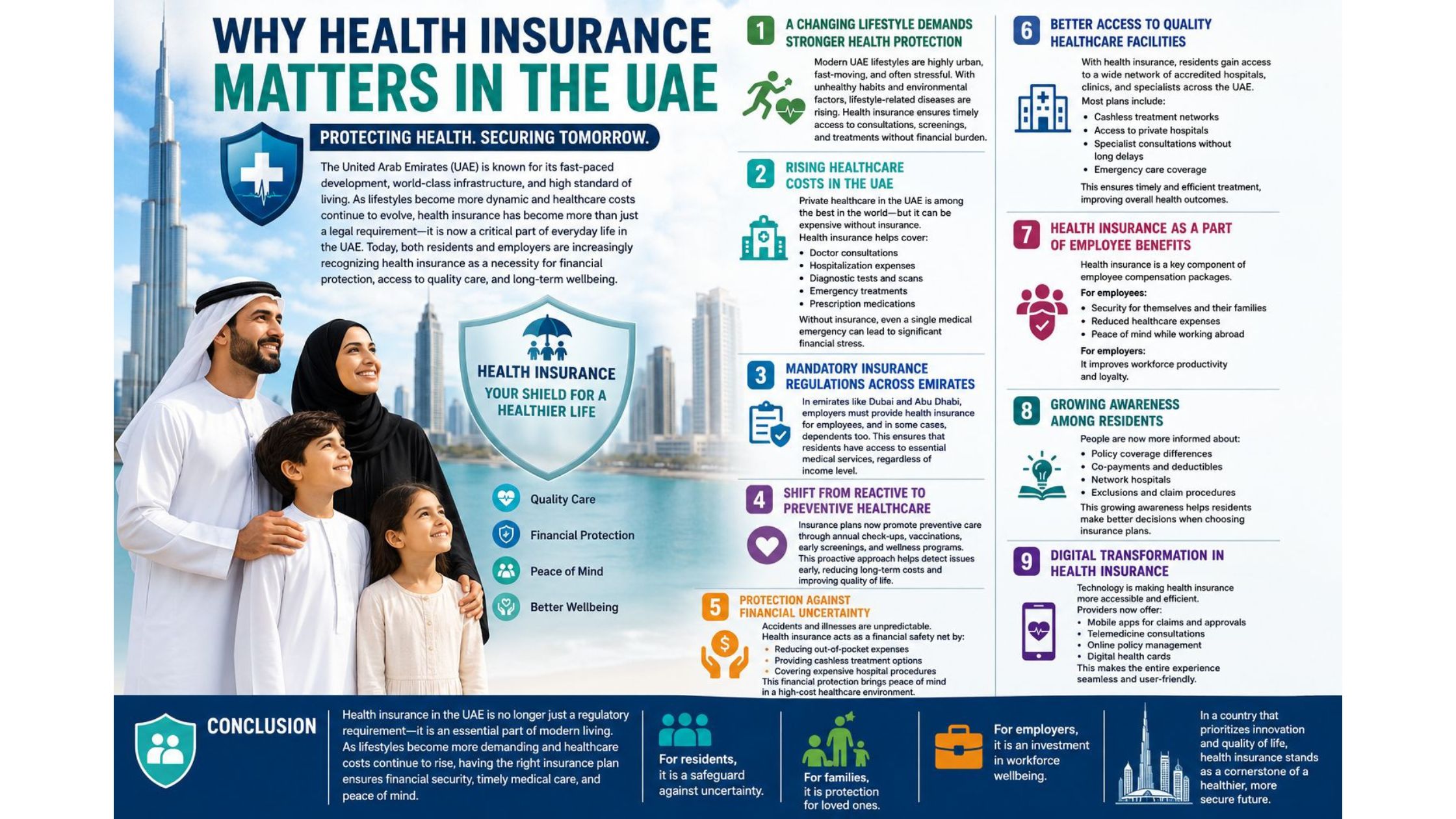
The United Arab Emirates (UAE) is known for its fast-paced development, world-class infrastructure, and high standard of living. As lifestyles become more dynamic and healthcare costs continue to evolve, health insurance has become more than just a legal requirement—it is now a critical part of everyday life in the UAE. Today, both residents and employers are increasingly recognizing health insurance as a necessity for financial protection, access to quality care, and long-term wellbeing. 1. A Changing Lifestyle Demands Stronger Health ProtectionModern UAE lifestyles are highly urban, fast-moving, and often stressful. With long working hours, increased reliance on processed food, sedentary routines, and environmental factors such as heat and pollution, the risk of lifestyle-related health issues has increased.Conditions like diabetes, hypertension, obesity, and heart disease are becoming more common. In such a scenario, having health insurance ensures timely access to medical consultations, preventive screenings, and treatments without financial burden. 2. Rising Healthcare Costs in the UAEThe UAE offers some of the best healthcare facilities in the world, but this quality comes at a cost. Private hospitals, specialist consultations, surgeries, and emergency treatments can be expensive without insurance coverage.Health insurance helps individuals manage these costs by covering:Doctor consultationsHospitalization expensesDiagnostic tests and scansEmergency treatmentsPrescription medicationsWithout insurance, even a single medical emergency can lead to significant financial stress. 3. Mandatory Insurance Regulations Across EmiratesHealth insurance is not just optional in many parts of the UAE. In emirates like Dubai and Abu Dhabi, employers are legally required to provide health insurance for their employees. In some cases, sponsors must also ensure coverage for dependents.This regulatory framework highlights how seriously the UAE government views healthcare accessibility. It ensures that residents—regardless of income level—have access to essential medical services. 4. Shift from Reactive to Preventive HealthcareEarlier, many people only thought about insurance when illness struck. However, the UAE is now witnessing a shift toward preventive healthcare.Modern health insurance plans encourage:Annual health check-upsVaccinationsEarly disease screeningWellness programsThis proactive approach helps detect health issues early, reducing long-term medical costs and improving quality of life. 5. Protection Against Financial UncertaintyMedical emergencies are unpredictable. Accidents, sudden illnesses, or chronic disease diagnoses can happen at any time. Without insurance, families may face unexpected financial strain.Health insurance acts as a financial safety net by:Reducing out-of-pocket expensesProviding cashless treatment optionsCovering expensive hospital proceduresThis financial protection is especially important in a high-cost healthcare environment like the UAE. 6. Better Access to Quality Healthcare FacilitiesWith health insurance, residents gain access to a wide network of accredited hospitals, clinics, and specialists across the UAE.Most insurance plans include:Cashless treatment networksAccess to private hospitalsSpecialist consultations without long delaysEmergency care coverageThis ensures timely and efficient treatment, improving overall health outcomes. 7. Health Insurance as a Part of Employee BenefitsIn the UAE job market, health insurance is a key component of employee compensation packages. Companies that offer comprehensive medical coverage often attract and retain better talent.For employees, this means:Security for themselves and their familiesReduced healthcare expensesPeace of mind while working abroadFor employers, it improves workforce productivity and loyalty. 8. Growing Awareness Among ResidentsOver the years, awareness about health insurance has significantly increased in the UAE. People are now more informed about:Policy coverage differencesCo-payments and deductiblesNetwork hospitalsExclusions and claim proceduresThis growing awareness is helping residents make better decisions when selecting insurance plans. 9. Digital Transformation in Health InsuranceThe UAE is rapidly embracing digital healthcare services. Insurance providers now offer:Mobile apps for claims and approvalsTelemedicine consultationsOnline policy managementDigital health cardsThis makes health insurance more accessible, efficient, and user-friendly than ever before.Health insurance in the UAE is no longer just a regulatory requirement—it is an essential part of modern living. As lifestyles become more demanding and healthcare costs continue to rise, having the right insurance plan ensures financial security, timely medical care, and peace of mind.For residents, it is a safeguard against uncertainty. For families, it is protection for loved ones. And for employers, it is an investment in workforce wellbeing.In a country that prioritizes innovation and quality of life, health insurance stands as a cornerstone of a healthier, more secure future. 

Read the full briefing

Your health deserves the best protection.

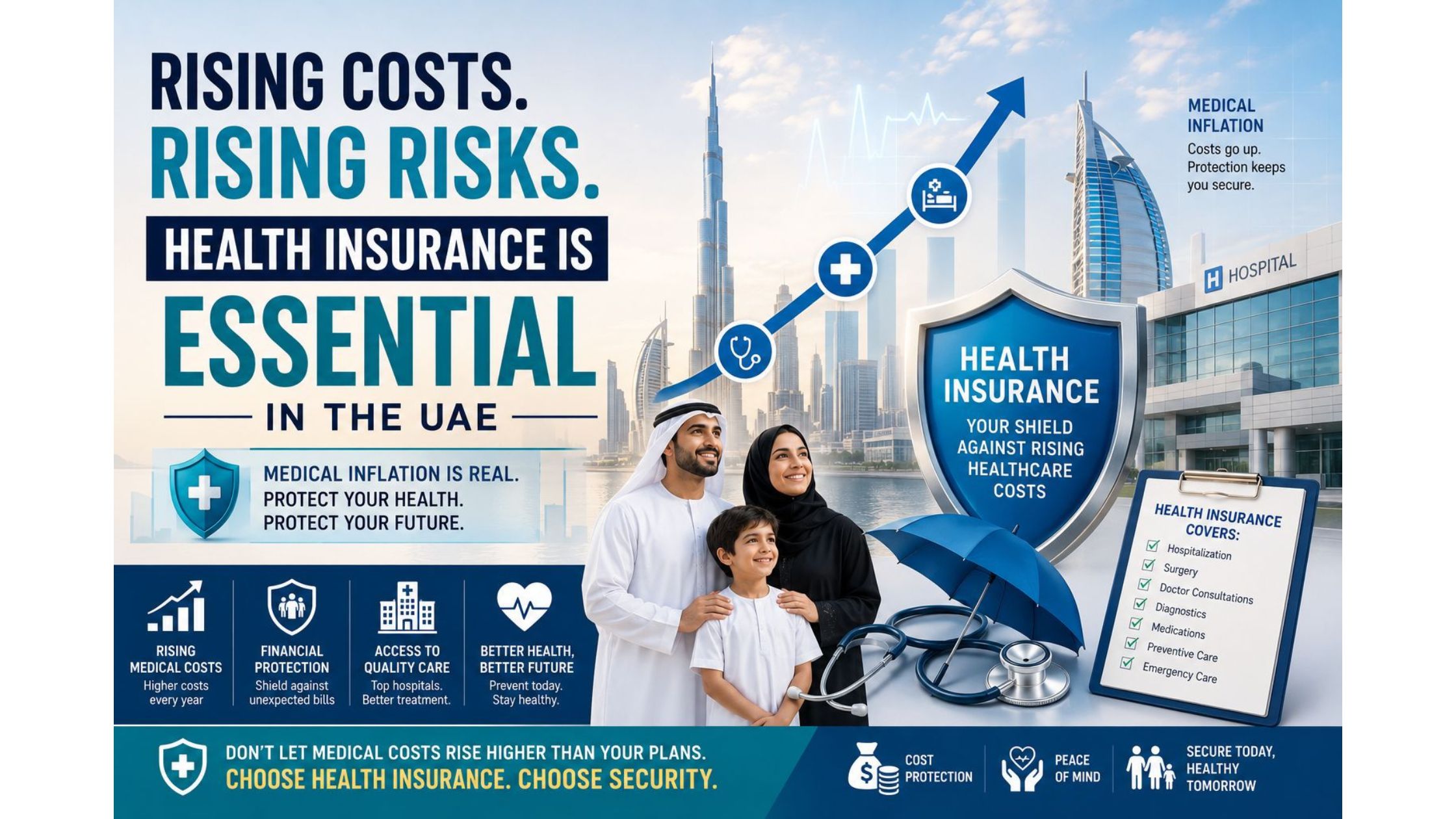
Medical Inflation Makes Health Insurance Essential in the UAE
Health InsuranceJun 05, 2026

Medical Inflation Makes Health Insurance Essential in the UAE

Healthcare in the UAE is among the most advanced in the world, offering state-of-the-art hospitals, cutting-edge treatments, and highly qualified medical professionals. However, this quality comes with a rising cost. Medical inflation—steady increases in healthcare expenses year after year—is making health insurance not just important, but essential for every resident in the UAE. 1. Understanding Medical Inflation in HealthcareMedical inflation refers to the rising cost of healthcare services over time. This includes increases in:Hospital room chargesDoctor consultation feesSurgery and treatment costsDiagnostic tests and lab workPrescription medicinesIn the UAE, where healthcare standards are premium, these costs rise faster than general inflation, directly affecting out-of-pocket expenses for patients. 2. Why Healthcare Costs Are Rising in the UAESeveral factors contribute to rising medical costs in the UAE:Adoption of advanced medical technologiesHigh demand for specialist careIncreased lifestyle-related diseasesDependence on private healthcare systemsExpensive imported medical equipment and medicinesAs a result, even routine treatments are becoming costlier over time. 3. The Impact of Medical Inflation on IndividualsWithout health insurance, individuals face increasing financial pressure. A simple hospital visit today may cost significantly more than it did a few years ago.Common challenges include:Expensive emergency treatmentsHigh surgery billsRising cost of chronic disease managementIncreasing outpatient consultation feesThis makes budgeting for healthcare unpredictable and stressful. 4. How Health Insurance Protects Against Rising CostsHealth insurance acts as a financial shield against inflation by covering a large portion of medical expenses. Instead of paying increasing costs directly, policyholders pay a fixed premium.Insurance helps by:Locking in predictable healthcare costsCovering expensive treatments and hospital staysReducing out-of-pocket expensesOffering cashless treatment in network hospitalsThis stability is crucial in a rapidly changing cost environment. 5. The UAE’s Premium Healthcare System and Its Cost StructureThe UAE is home to world-class healthcare facilities, especially in cities like Dubai and Abu Dhabi. Hospitals invest heavily in technology, infrastructure, and specialist care.While this ensures high-quality treatment, it also leads to:Higher consultation feesExpensive specialist proceduresPremium hospital accommodation chargesHealth insurance ensures residents can access these facilities without financial hesitation. 6. Rising Chronic Diseases Increase Long-Term CostsLifestyle changes in the UAE have led to an increase in chronic conditions such as:DiabetesHypertensionHeart diseaseObesity-related complicationsThese conditions require ongoing treatment, medication, and monitoring—making healthcare costs even more expensive over time.Health insurance plays a key role in managing these long-term expenses. 7. Medical Inflation and Emergency SituationsMedical emergencies are unpredictable, and costs can escalate quickly. A single accident or critical illness may involve:Emergency surgeryICU admissionLong hospital staysSpecialized medicationsWithout insurance, such situations can create significant financial strain on families. 8. How Employers Rely on Health Insurance in UAEIn the UAE, many employers provide health insurance as part of employee benefits. This is not only a legal requirement in certain emirates but also a strategic workforce investment.For employers, insurance helps:Reduce employee financial stressImprove productivityAttract and retain talentEnsure compliance with regulations 9. Preventive Care Helps Reduce Long-Term CostsHealth insurance is no longer just about treatment—it also supports preventive care. Many plans include:Annual health check-upsVaccination programsEarly screening testsWellness benefitsEarly detection reduces the severity of illnesses and helps control long-term healthcare expenses. 10. Why Waiting Without Insurance Is RiskyDelaying health insurance coverage in a high-inflation healthcare environment can lead to:Higher future premiumsUnexpected financial emergenciesLimited access to quality care during urgent situationsAccumulated medical debtAs medical inflation continues, the cost of being uninsured increases every year. Medical inflation in the UAE is steadily increasing healthcare expenses across all categories—from routine check-ups to complex surgeries. In this environment, health insurance is no longer optional; it is a financial necessity.By offering cost protection, access to quality care, and financial stability, health insurance ensures that residents can focus on recovery and wellbeing instead of worrying about rising medical bills. 

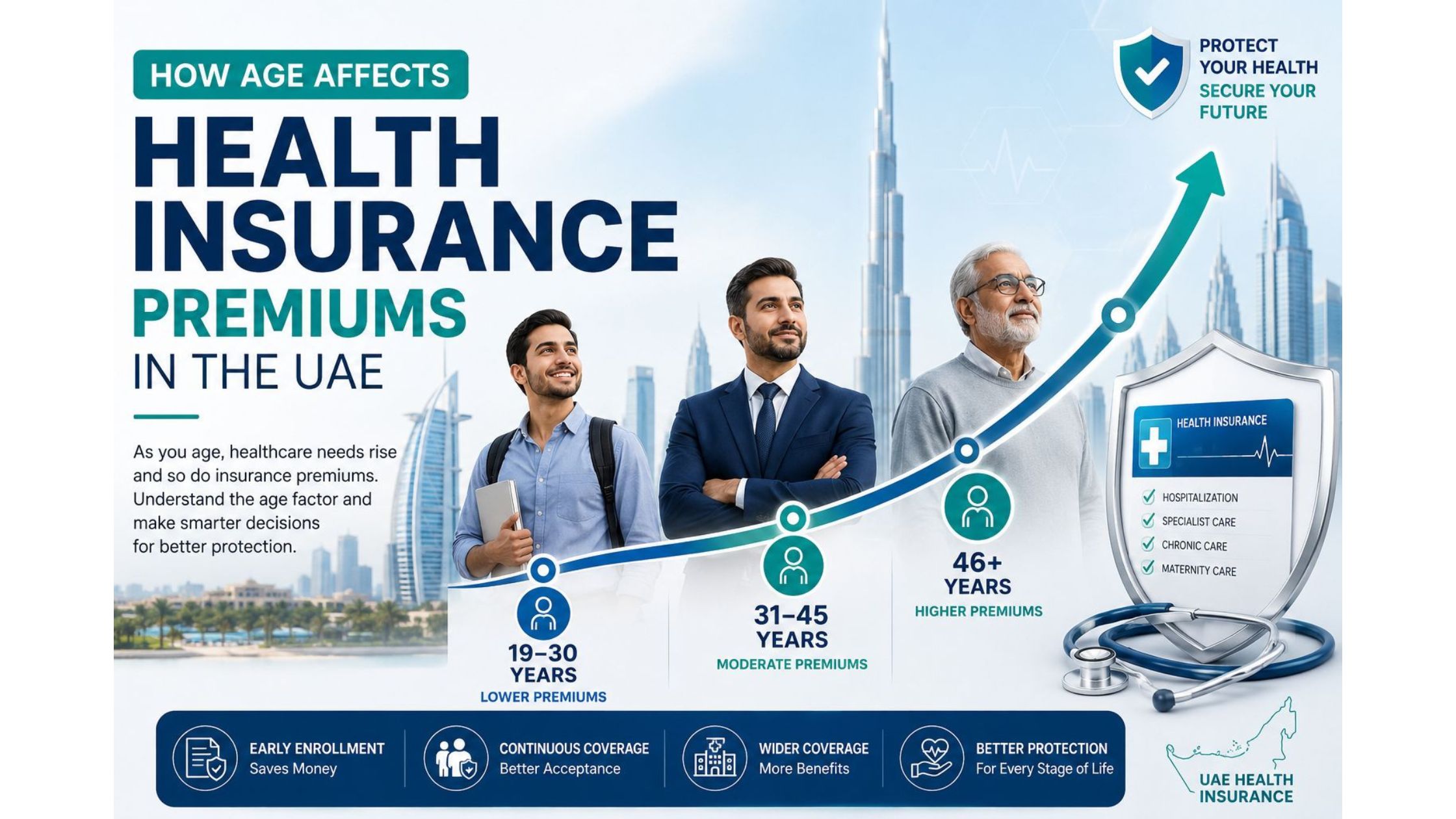
How Age Affects Health Insurance Premiums in the UAE
Health InsuranceJun 05, 2026

How Age Affects Health Insurance Premiums in the UAE

In the UAE, health insurance premiums are not fixed for everyone. One of the most important factors that determines how much you pay is age. As individuals grow older, the cost of health insurance generally increases due to higher medical risks and increased healthcare usage. Understanding this relationship helps residents make smarter decisions about when and how to secure coverage. 1. Why Age Matters in Health Insurance PricingInsurance works on the principle of risk. Younger individuals are statistically healthier and require fewer medical services, while older individuals are more likely to need frequent medical care.As age increases:Risk of illness risesHospital visits become more frequentChances of chronic conditions increaseMedical treatment costs growBecause of this, insurers adjust premiums to reflect higher expected healthcare usage. 2. Lower Premiums for Younger IndividualsYoung adults and early-career professionals in the UAE usually benefit from more affordable health insurance premiums.This is because:Fewer pre-existing conditionsLower likelihood of hospitalizationReduced need for ongoing treatmentsFor many expats starting their careers, this is the most cost-effective time to secure comprehensive coverage. 3. Rising Premiums with Increasing AgeAs individuals move into their 40s, 50s, and beyond, insurance premiums typically increase.Key reasons include:Higher risk of chronic illnesses like diabetes and hypertensionIncreased need for specialist consultationsGreater likelihood of surgeries or long-term treatmentsIn the UAE’s premium healthcare environment, these risks significantly impact pricing structures. 4. Age Bands Used by Insurance ProvidersMost insurance companies in the UAE classify applicants into age brackets, such as:0–18 years (dependents/children)19–30 years (young adults)31–45 years (working professionals)46–60 years (middle-aged group)60+ years (senior coverage category)Each bracket comes with different premium rates, coverage limits, and policy conditions. 5. Pre-Existing Conditions and Age ImpactWith age, the likelihood of pre-existing medical conditions increases. Conditions like:DiabetesHeart diseaseAsthmaArthritisThese conditions can lead to:Higher premiumsWaiting periods for coverageExclusions in some policiesThis is why early insurance planning is financially beneficial. 6. Employer-Provided Insurance vs Individual PlansIn the UAE, many employees receive health insurance through their employers. In such cases, age impact is often absorbed into group pricing.However:Younger employees benefit from lower overall group riskOlder employees may indirectly influence group premiums over timeIndividual top-up or private plans still reflect age-based pricing 7. How Age Affects Coverage OptionsAs age increases, not only premiums but also policy structures may change:Lower coverage limits in some affordable plansHigher co-payments or deductiblesRestrictions on certain treatmentsMore focus on chronic disease managementOlder individuals often require more comprehensive plans to ensure adequate protection. 8. Why Early Enrollment Saves MoneyOne of the biggest advantages in the UAE insurance market is early enrollment.Benefits include:Lower long-term premium costsContinuous coverage without gapsBetter acceptance terms (fewer exclusions)Easier access to comprehensive plansDelaying insurance until later in life often results in significantly higher costs. 9. Senior Health Insurance ConsiderationsFor residents above 60, insurance becomes more specialized and expensive due to higher healthcare needs.Common features include:Higher premiumsLimited plan optionsFocus on chronic illness coverageStrict underwriting conditionsThis makes it even more important to maintain continuous coverage before reaching senior age. 10. Balancing Age, Coverage, and AffordabilityWhile age is a major factor, it is not the only one. Other elements affecting premiums include:Lifestyle habits (smoking, fitness)Medical historyType of coverage selectedHospital network accessChoosing the right balance ensures both affordability and sufficient protection.Age plays a significant role in determining health insurance premiums in the UAE. While younger individuals benefit from lower costs and wider options, premiums gradually increase as healthcare needs rise with age.The key takeaway is simple: the earlier you secure health insurance, the more cost-effective and comprehensive your coverage is likely to be in the long run. 

Protect what matters most.

More Reading
Outpatient vs Inpatient Coverage in UAE Insurance: A Complete Guide
Health InsuranceMay 21, 2026

Outpatient vs Inpatient Coverage in UAE Insurance: A Complete Guide

Health insurance in the UAE is designed to ensure residents have access to quality healthcare without facing financial stress. However, one of the most commonly misunderstood areas of health insurance is the difference between outpatient and inpatient coverage. Understanding these two components is essential for choosing the right plan and avoiding unexpected medical bills.What is Outpatient Coverage in UAE Health Insurance?Outpatient coverage refers to medical treatments and services that do not require hospital admission. In simple terms, you visit a clinic or hospital, receive treatment, and return home the same day.Common examples of outpatient services:General physician consultationsSpecialist doctor visitsDiagnostic tests (blood tests, X-rays, scans)Physiotherapy sessionsMinor procedures that do not require admissionPrescription medicationsWhy outpatient coverage matters:Outpatient care is often the first point of contact for most health issues. From flu symptoms to routine checkups, this coverage ensures you can access timely medical attention without worrying about high consultation or diagnostic costs.What is Inpatient Coverage in UAE Health Insurance?Inpatient coverage applies when a patient is admitted to a hospital for treatment that requires at least one night stay. This type of care is typically for more serious medical conditions or surgical procedures.Common examples of inpatient services:Surgeries (planned or emergency)Hospital admission for illness or injuryIntensive care unit (ICU) treatmentMaternity delivery (normal or C-section)Major medical procedures requiring monitoringWhy inpatient coverage matters:Inpatient treatment can be extremely expensive in the UAE due to hospital room charges, surgeon fees, anesthesia, and post-operative care. This coverage ensures that patients are financially protected during serious medical situations.Key Differences Between Outpatient and Inpatient Coverage1. Hospital Stay RequirementOutpatient: No hospital admission requiredInpatient: Requires hospital admission (at least one night)2. Cost StructureOutpatient: Lower cost per visit but frequent usageInpatient: High-cost treatment but less frequent3. Type of TreatmentOutpatient: Routine care, diagnostics, minor treatmentsInpatient: Surgery, emergency care, complex procedures4. Insurance Coverage PrioritySome basic plans in the UAE may focus heavily on inpatient coverage, while outpatient services may be limited or require co-payment. Which Coverage is More Important?The answer depends on your lifestyle and healthcare needs:If you are generally healthy and only need occasional checkups, outpatient coverage is essential for routine care.If you want protection against high medical expenses from emergencies or surgeries, inpatient coverage is critical.Ideally, a balanced health insurance plan in the UAE includes both for complete protection.Do UAE Health Insurance Plans Cover Both?Yes, most UAE health insurance plans include both outpatient and inpatient coverage, but the extent varies:Basic plans: Strong inpatient coverage, limited outpatient benefitsMid-range plans: Balanced outpatient and inpatient coveragePremium plans: Comprehensive coverage including specialist care, diagnostics, and hospital staysEmployers in the UAE are legally required to provide minimum health coverage, but additional outpatient benefits often depend on the policy type.Common Mistakes People MakeChoosing a plan based only on premium costIgnoring outpatient coverage limitationsNot checking network hospitals and clinicsOverlooking co-payment and deductiblesAssuming all treatments are fully coveredHow to Choose the Right Plan in UAEWhen selecting health insurance, consider:Your family size and medical historyFrequency of doctor visitsAccess to preferred hospitals and clinicsBudget vs coverage balanceChronic disease or maternity needsA good insurance plan should reduce both daily healthcare costs (outpatient) and protect you from major financial risks (inpatient).Understanding the difference between outpatient and inpatient coverage is crucial for making an informed health insurance decision in the UAE. While outpatient care supports your day-to-day health needs, inpatient coverage protects you during serious medical emergencies. A well-balanced policy ensures complete peace of mind and financial security.

READ THE FULL BRIEFING
Impact of Lifestyle Diseases on UAE Health Insurance
Health InsuranceMay 21, 2026

Impact of Lifestyle Diseases on UAE Health Insurance

Lifestyle diseases are becoming one of the most significant healthcare challenges in the UAE. Conditions such as diabetes, cardiovascular diseases, obesity, hypertension, and respiratory disorders are increasingly common due to sedentary lifestyles, dietary habits, stress, and urban living patterns. These health trends are not only affecting individuals but also reshaping how health insurance works in the UAE.What Are Lifestyle Diseases?Lifestyle diseases are medical conditions primarily caused by unhealthy daily habits rather than infections or genetics alone. They develop over time and are often chronic in nature.Common lifestyle diseases in the UAE include:• Type 2 diabetes• Hypertension (high blood pressure)• Heart diseases• Obesity• Asthma and respiratory issues• High cholesterolThese conditions require long-term treatment, continuous monitoring, and regular medication.Why Lifestyle Diseases Are Increasing in the UAESeveral factors contribute to the rise of lifestyle-related illnesses:• High consumption of processed and fast food• Lack of physical activity due to desk-based jobs• High stress levels in urban environments• Smoking and unhealthy habits• Rising rates of obesity among adults and childrenAs a result, chronic diseases are becoming more common across both expatriate and local populations.How Lifestyle Diseases Impact Health Insurance in the UAEHigher Insurance PremiumsLifestyle diseases often require continuous treatment, increasing the overall cost of healthcare. Insurance providers adjust premiums to balance long-term risk exposure.Increased Claims FrequencyUnlike one-time treatments, chronic diseases involve regular doctor visits, frequent diagnostic tests, and lifelong medication. This leads to a higher number of insurance claims per individual.Pre-existing Condition ConsiderationsMany health insurance policies in the UAE may impose waiting periods, partially cover pre-existing conditions, or exclude certain treatments in basic plans. This makes policy selection more critical for individuals with existing lifestyle diseases.Focus on Preventive CareInsurance providers are increasingly promoting annual health checkups, wellness programs, and early diagnosis screenings to reduce long-term claim costs and improve health outcomes.Shift Toward Managed Care ModelsInsurers are encouraging policyholders to use network hospitals, approved pharmacies, and structured treatment pathways to control costs associated with chronic disease management.Impact on Individuals and EmployersFor Individuals:• Higher out-of-pocket expenses if coverage is limited• Need for long-term insurance planning• Importance of choosing comprehensive health plansFor Employers:• Increased cost of employee health benefits• Greater focus on corporate wellness programs• Need for better group insurance plansEmployers in the UAE are now prioritizing health insurance plans that include chronic disease management.How Insurance Providers Are RespondingInsurance companies in the UAE are adapting by:• Introducing chronic disease management programs• Offering telemedicine services for regular consultations• Providing wellness incentives for healthy behavior• Expanding outpatient coverage for continuous care• Using digital tools for health monitoring and claims trackingThese strategies help balance rising healthcare costs while improving patient care.How Individuals Can Reduce the ImpactPeople can take proactive steps to manage both health risks and insurance costs:• Maintain a balanced diet and regular exercise routine• Go for routine health screenings• Avoid smoking and reduce alcohol intake• Manage stress effectively• Choose insurance plans with strong outpatient and chronic care coveragePreventive care not only improves health but also reduces long-term financial burden.Lifestyle diseases are significantly influencing the structure and cost of health insurance in the UAE. With rising cases of chronic conditions, insurance providers are shifting toward preventive care, managed treatment plans, and digital healthcare solutions. For individuals, selecting the right health insurance plan and adopting healthier habits are both essential steps toward long-term financial and medical security.

READ THE FULL BRIEFING
Emergency Evacuation Coverage in UAE Insurance: What You Need to Know
Health InsuranceMay 21, 2026

Emergency Evacuation Coverage in UAE Insurance: What You Need to Know

Medical emergencies can happen anywhere at home, at work, or even while traveling. In critical situations where local medical facilities are not sufficient, emergency evacuation coverage in UAE health insurance becomes a lifesaving benefit. It ensures that patients are safely transported to a suitable medical facility, sometimes even across borders, for advanced treatment.This coverage is especially important in a globally connected region like the UAE, where residents frequently travel and rely on high-quality medical care.What is Emergency Evacuation Coverage?Emergency evacuation coverage is a health insurance benefit that pays for the urgent transportation of a patient to a medical facility equipped to handle their condition.This may include ambulance transport (road or air ambulance), transfer to a specialized hospital within the UAE, medical evacuation to another country if necessary, and emergency repatriation to the home country in some plans.The main goal is to ensure the patient receives timely and appropriate medical care, especially when local facilities cannot provide it.When is Emergency Evacuation Needed?This coverage is activated only in serious and critical medical situations such as severe accidents requiring specialized trauma care, heart attacks or strokes needing advanced treatment, complex surgeries unavailable in nearby hospitals, natural disasters or emergencies affecting local healthcare access, and life-threatening conditions during international travel.In such cases, time is critical, and evacuation can significantly improve survival chances.Why Emergency Evacuation Coverage is Important in the UAEEven though the UAE has world-class healthcare facilities, emergency evacuation coverage is still highly valuable.One key benefit is access to specialized treatment, as some rare or complex medical conditions may require treatment in specialized international hospitals.It also provides enhanced safety during travel since UAE residents frequently travel for business and leisure, and evacuation coverage ensures protection outside the country.Another advantage is faster medical response because air ambulance and coordinated evacuation services reduce delays in critical care.Finally, it offers financial protection since emergency evacuation can be extremely expensive without insurance, especially air transport and international transfers.What Does the Coverage Typically Include?Depending on the insurance plan, emergency evacuation coverage may include emergency medical transportation, coordination of evacuation services, medical supervision during transfer, hospital-to-hospital transfer, and repatriation of mortal remains in some policies.Premium plans often offer broader international evacuation benefits.What is Not Covered?Exclusions may include non-emergency or elective travel, pre-planned medical tourism, conditions not deemed medically urgent, travel against medical advice, and treatment in non-approved facilities depending on policy terms.Always review policy wording carefully to avoid confusion during emergencies.How It Works in an EmergencyThe evacuation process typically follows these steps: medical assessment by attending doctors, decision that local treatment is insufficient, insurance provider contacted for approval, arrangement of transport such as ambulance or air ambulance, transfer to the designated hospital, and continuation of treatment at the receiving facility.Insurance companies often work with global assistance networks to manage this process efficiently.Who Should Prioritize This Coverage?This coverage is especially important for frequent international travelers, expats living in the UAE, people with chronic or high-risk medical conditions, families with children or elderly members, and corporate employees working in remote locations or offshore sites.Cost Factor and Plan DifferencesNot all UAE health insurance plans include evacuation coverage by default. Basic plans usually have limited or no evacuation coverage. Mid-range plans may include regional evacuation. Premium plans generally offer full international evacuation and repatriation coverage.The cost of adding this benefit is relatively small compared to the potential emergency expenses it covers.Final ThoughtsEmergency evacuation coverage in UAE health insurance is a critical safety net that ensures access to timely and specialized medical care during life-threatening situations. While it may not be used frequently, its value becomes undeniable in emergencies. For residents, especially expatriates and frequent travelers, choosing a plan with strong evacuation benefits provides both medical security and peace of mind.

READ THE FULL BRIEFING
What is Not Covered in UAE Health Insurance Plans? (Complete Guide 2026)
Health InsuranceMay 14, 2026

What is Not Covered in UAE Health Insurance Plans? (Complete Guide 2026)

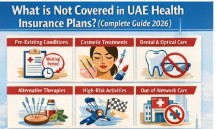
Health insurance in the UAE is mandatory and highly beneficial for residents, providing access to quality healthcare across hospitals and clinics. However, many policyholders are often surprised when certain medical expenses are not covered under their insurance plan.Understanding what is not covered in UAE health insurance plans is just as important as knowing what is included. It helps you avoid unexpected medical bills and choose the right policy based on your healthcare needs.In this guide, we break down the most common exclusions in UAE health insurance policies. 1. Pre-Existing Conditions (in Some Cases)One of the most common exclusions in UAE health insurance plans is pre-existing medical conditions, especially during the waiting period.Conditions diagnosed before buying the policy may not be covered immediatelySome insurers may cover them after a waiting periodCoverage depends on the policy type and insurerAlways check the policy wording before purchase to understand how pre-existing conditions are handled. 2. Cosmetic and Aesthetic TreatmentsMost UAE health insurance plans do not cover cosmetic or elective procedures unless medically necessary.Not covered treatments may include:Cosmetic surgery (nose jobs, liposuction, etc.)Botox and aesthetic skin treatmentsNon-medical dental aesthetics (whitening, veneers for cosmetic reasons)These procedures are considered non-essential and are excluded from standard coverage. 3. Dental and Optical Care (Basic Plans)In many basic health insurance plans in the UAE, dental and optical treatments are either excluded or limited.Common exclusions:Routine dental checkupsBraces or orthodontic treatmentPrescription glasses or contact lensesHowever, premium plans may offer partial coverage for these services. 4. Alternative and Experimental TreatmentsUAE health insurance typically does not cover:Alternative medicine (acupuncture, homeopathy, herbal treatments)Experimental or unapproved medical proceduresTreatments not recognized by UAE health authoritiesOnly medically approved and evidence-based treatments are usually covered. 5. Injuries from High-Risk ActivitiesInsurance providers often exclude coverage for injuries caused by risky or extreme activities, such as:SkydivingProfessional sports injuriesRacing or motorsportsAdventure sports (depending on policy terms)If you are involved in such activities, you may need additional coverage. 6. Non-Emergency Treatments Outside Network (Without Approval)Most UAE insurance plans have a network of approved hospitals and clinics. Treatment outside this network may not be covered unless:It is an emergencyPrior approval is obtained from the insurerGoing outside the network without approval can result in claim rejection. 7. Fertility and Infertility TreatmentsMany standard health insurance policies in the UAE do not cover:IVF (In Vitro Fertilization)Fertility treatmentsHormonal treatments related to infertilitySome premium or specialized plans may offer partial coverage. 8. Self-Inflicted Injuries or Illegal ActivitiesInsurance providers exclude coverage for:Self-harm or intentional injuriesInjuries resulting from illegal activitiesSubstance or drug abuse-related treatmentsThese exclusions are standard across most insurance policies. 9. Non-Prescribed Medicines and SupplementsHealth insurance usually does not cover:Over-the-counter vitamins and supplementsNon-prescribed medicationsWellness or lifestyle drugsOnly prescribed medicines approved by a licensed doctor are covered. 10. Waiting Period LimitationsCertain treatments may not be covered during the initial waiting period, such as:Maternity carePre-existing conditionsSome surgical proceduresWaiting periods vary depending on the insurer and policy type.Understanding what is not covered in UAE health insurance plans is essential for making informed decisions and avoiding unexpected medical expenses. While health insurance in the UAE offers strong medical protection, every policy comes with exclusions and limitations.Before choosing a plan, always:Read policy terms carefullyCheck exclusions and waiting periodsCompare multiple insurance providersChoose coverage based on your healthcare needsA well-chosen health insurance plan ensures financial protection and peace of mind when you need it most. 

READ THE FULL BRIEFING
Health Insurance for Chronic Care Management in UAE
Health InsuranceMay 14, 2026

Health Insurance for Chronic Care Management in UAE

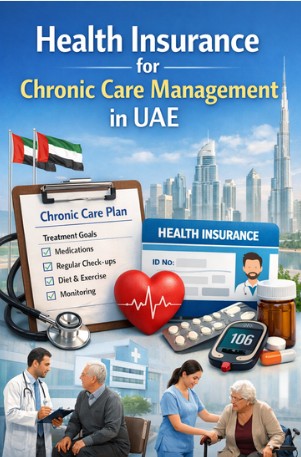
Managing a chronic illness can be physically, emotionally, and financially challenging. In the UAE, where healthcare standards are among the highest in the region, having the right health insurance plays a major role in ensuring continuous and affordable medical care for individuals living with long-term medical conditions.Health insurance for chronic care management in the UAE helps patients access ongoing treatment, medications, specialist consultations, and regular monitoring without facing overwhelming medical expenses. Understanding how chronic conditions are covered can help residents choose a policy that provides long-term healthcare support and financial protection. What is Chronic Care Management?Chronic care management refers to the continuous treatment and monitoring of long-term medical conditions that require regular healthcare support. These conditions usually develop over time and may require lifelong management.Common chronic conditions include:DiabetesHypertension (high blood pressure)AsthmaHeart diseaseArthritisThyroid disordersChronic kidney diseaseHigh cholesterolPatients with chronic illnesses often require regular doctor visits, diagnostic tests, prescription medications, and specialist care. Importance of Health Insurance for Chronic Conditions in UAEHealthcare costs for chronic illnesses can become expensive over time due to repeated treatments and long-term medication requirements. Health insurance helps reduce this financial burden by covering eligible medical expenses.Key benefits include:Access to quality healthcare facilitiesFinancial support for long-term treatmentRegular specialist consultationsCoverage for diagnostic and laboratory testsBetter disease management and preventive careA comprehensive health insurance plan provides peace of mind and ensures continuity of medical care. Coverage for Chronic Care Management in UAE Health InsuranceMany health insurance plans in the UAE provide coverage for chronic disease management, although benefits may vary depending on the insurer and policy type.Common Coverage Areas:Specialist doctor consultationsPrescription medicationsRoutine medical checkupsDiagnostic and laboratory testingHospitalization related to chronic conditionsEmergency treatment and follow-upsChronic disease monitoring programsSome premium insurance plans may also include wellness support and preventive healthcare services. Understanding Waiting Periods and Pre-Existing ConditionsOne important factor when choosing health insurance for chronic care management in the UAE is understanding how insurers handle pre-existing conditions.Important Points to Consider:Some insurers apply waiting periods before covering chronic illnessesCoverage terms vary between insurance providersCertain policies may partially cover pre-existing conditionsFull disclosure of medical history is essential during applicationReading policy terms carefully helps avoid claim issues in the future. Choosing the Right Health Insurance Plan for Chronic CareSelecting the right health insurance plan requires careful evaluation of healthcare needs and policy benefits.Factors to Consider:Network hospitals and specialist availabilityMedication coverage limitsAnnual claim limits and co-paymentsCoverage for diagnostic testsChronic disease management programsCashless treatment facilitiesClaim process efficiencyComparing multiple insurance providers helps identify the most suitable plan for long-term healthcare needs. Benefits of Comprehensive Chronic Care CoverageA good health insurance plan supports better health outcomes by allowing patients to access consistent treatment and preventive care.Major Benefits:Reduced out-of-pocket medical expensesImproved access to specialized healthcareBetter medication managementEarly detection of complicationsReduced financial stress during emergenciesEnhanced quality of life for patients and familiesContinuous medical support is essential for effectively managing chronic conditions over time. Role of Digital Healthcare in Chronic Disease ManagementThe UAE healthcare sector is rapidly adopting digital healthcare technologies to improve patient care. Many insurance providers now offer:Telemedicine consultationsDigital prescription servicesOnline claim trackingMobile health appsWellness monitoring programsThese digital services improve convenience and help patients manage chronic conditions more efficiently. UAE Health Insurance Regulations and Chronic CareHealth insurance is mandatory in the UAE, and regulations ensure residents have access to basic healthcare services. Employers are generally required to provide health insurance for employees, although coverage levels may differ.Individuals with chronic conditions should review:Policy exclusionsCoverage limitationsSpecialist referral requirementsRenewal conditions for ongoing treatmentUnderstanding policy details helps avoid unexpected medical expenses.Health insurance for chronic care management in the UAE is essential for individuals who require ongoing medical treatment and regular healthcare support. A well-structured insurance plan can help manage healthcare expenses, improve access to specialists, and ensure continuous treatment for chronic illnesses.By carefully comparing policies, understanding coverage terms, and selecting a plan that supports long-term healthcare needs, residents in the UAE can receive better medical care while protecting their financial well-being.  

READ THE FULL BRIEFING
Why UAE Has One of the Strongest Health Insurance Systems
Health InsuranceMay 14, 2026

Why UAE Has One of the Strongest Health Insurance Systems

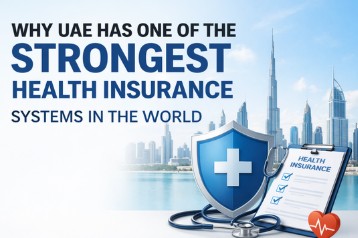
The United Arab Emirates has built one of the most advanced and efficient healthcare systems in the region. Supported by strong government regulations, modern medical infrastructure, and mandatory health insurance policies, the UAE continues to improve healthcare accessibility for residents and expatriates alike.Today, the UAE health insurance system is recognized for its high standards, digital innovation, broad healthcare networks, and commitment to quality patient care. Whether for individuals, families, or businesses, health insurance in the UAE plays a major role in ensuring financial protection and access to world-class medical services.In this blog, we explore why the UAE has one of the strongest health insurance systems and how it benefits residents across the country. Mandatory Health Insurance CoverageOne of the key reasons behind the strength of the UAE healthcare system is the implementation of mandatory health insurance regulations.In emirates such as Dubai and Abu Dhabi, employers are required to provide health insurance coverage for employees. This ensures that a large portion of the population has access to essential healthcare services.Benefits of Mandatory Coverage:Improved healthcare accessibilityReduced financial burden during medical emergenciesIncreased preventive healthcare usageBetter public health managementEnhanced healthcare awareness among residentsMandatory insurance has significantly increased healthcare coverage throughout the UAE. World-Class Healthcare InfrastructureThe UAE has invested heavily in healthcare infrastructure, making it home to advanced hospitals, specialized clinics, and internationally accredited medical facilities.Many hospitals in the UAE are equipped with:Advanced medical technologiesSpecialized treatment centersHighly qualified doctors and specialistsEmergency and critical care servicesModern diagnostic and laboratory facilitiesThis high standard of healthcare directly strengthens the effectiveness of the insurance system. Strong Government Regulation and OversightThe UAE government actively regulates the health insurance sector to maintain quality standards and protect policyholders.Health authorities such as:Dubai Health Authority (DHA)Department of Health – Abu Dhabi (DOH)UAE Ministry of Health and Prevention (MOHAP)ensure that insurance providers comply with regulations, maintain transparency, and offer minimum essential coverage benefits.Regulatory Advantages:Consumer protectionStandardized healthcare coverageImproved transparency in insurance policiesBetter claims management practicesReduced fraudulent activitiesStrong oversight increases trust in the healthcare and insurance system. Wide Network of Hospitals and ClinicsHealth insurance providers in the UAE offer extensive networks of hospitals, clinics, pharmacies, and healthcare centers across the country.This allows residents to:Access medical treatment convenientlyChoose from multiple healthcare providersReceive specialist consultations easilyObtain emergency medical services quicklyLarge provider networks improve healthcare accessibility and patient convenience. Advanced Digital Healthcare and InsurTech IntegrationThe UAE is rapidly adopting digital healthcare technologies and InsurTech solutions to improve patient experiences and insurance operations.Modern health insurance services now include:Digital insurance cardsMobile healthcare applicationsOnline appointment bookingTelemedicine consultationsDigital claims processingReal-time policy managementDigital innovation improves efficiency, reduces paperwork, and enhances customer satisfaction. Focus on Preventive HealthcareThe UAE healthcare system places strong emphasis on preventive care and early diagnosis to reduce long-term medical complications.Many insurance plans support:Routine health screeningsVaccination programsWellness initiativesChronic disease managementPreventive consultationsEncouraging preventive healthcare helps improve overall public health outcomes and reduce healthcare costs. Access to Specialized and International Healthcare StandardsThe UAE attracts medical professionals and healthcare institutions from around the world, ensuring residents receive high-quality care based on international standards.Specialized services available include:CardiologyOncologyOrthopedicsFertility treatmentCosmetic and reconstructive surgeryPediatric specialty careThis level of specialization strengthens the overall healthcare ecosystem. Comprehensive Insurance Options for Residents and BusinessesThe UAE health insurance market offers a wide range of plans designed for:IndividualsFamiliesCorporate employeesSenior citizensFreelancers and self-employed professionalsThis flexibility allows residents and businesses to select policies based on healthcare needs and budgets. Efficient Emergency and Critical Care ServicesThe UAE healthcare system is known for fast emergency response services and advanced critical care support.Health insurance plans often include:Emergency hospitalizationAmbulance servicesIntensive care treatmentSurgical proceduresSpecialist emergency consultationsEfficient emergency care improves patient outcomes and healthcare reliability.The UAE has built one of the strongest health insurance systems through mandatory coverage, advanced healthcare infrastructure, strong government regulation, and continuous digital innovation. The combination of high-quality medical services and accessible insurance coverage provides residents with reliable healthcare protection and financial security.As the UAE continues to invest in healthcare technology and patient-centered services, its health insurance system is expected to become even more efficient and globally competitive in the coming years.  

READ THE FULL BRIEFING
Importance of Customer Support in Health Insurance UAE
Health InsuranceMay 13, 2026

Importance of Customer Support in Health Insurance UAE

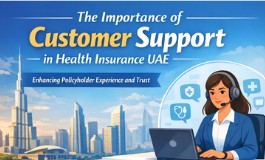
Health insurance plays a vital role in providing financial protection and access to quality healthcare services in the UAE. However, beyond policy coverage and premium costs, one factor that significantly impacts customer experience is the quality of customer support provided by the insurance company.In the UAE’s competitive healthcare and insurance market, excellent customer support has become essential for helping policyholders manage claims, understand coverage, access healthcare providers, and resolve concerns efficiently. Strong customer service improves trust, satisfaction, and overall healthcare experiences for individuals, families, and businesses.In this blog, we explore the importance of customer support in health insurance UAE and how it benefits policyholders. Why Customer Support Matters in Health InsuranceHealth insurance policies often include complex terms, coverage conditions, exclusions, and claim procedures that may confuse customers. Reliable customer support helps simplify these processes and ensures policyholders receive proper guidance whenever needed.Good customer support helps customers:Understand policy benefits clearlyAccess healthcare services fasterResolve claim-related issues efficientlyReceive assistance during emergenciesMake informed healthcare decisionsEfficient support creates a smoother and less stressful insurance experience. Faster Assistance During Medical EmergenciesMedical emergencies can occur unexpectedly, making immediate support extremely important. Insurance companies with responsive customer service teams can quickly guide policyholders through:Hospital approvalsEmergency treatment proceduresCashless claim processesCoverage verificationAmbulance and emergency supportQuick assistance during emergencies reduces delays and helps patients receive timely medical care. Better Understanding of Insurance PoliciesMany policyholders may not fully understand the details of their health insurance plan. Customer support representatives help explain:Coverage benefitsPolicy exclusionsWaiting periodsCo-payments and deductiblesNetwork hospitals and clinicsClear communication helps customers avoid confusion and prevents unexpected medical expenses. Smooth and Efficient Claim ProcessingClaims processing is one of the most important aspects of health insurance services. Delays or confusion during claims can create stress for policyholders, especially during medical situations.Strong customer support helps by:Guiding customers through claim submissionAssisting with required documentsTracking claim statusResolving claim disputes quicklyProviding updates on approvals and reimbursementsEfficient claim support improves customer confidence and satisfaction. Improved Access to Healthcare NetworksHealth insurance providers in the UAE usually work with extensive networks of hospitals, clinics, pharmacies, and healthcare specialists. Customer support teams help policyholders:Locate nearby network hospitalsFind specialist doctorsUnderstand cashless treatment optionsAccess approved healthcare facilities easilyThis improves convenience and ensures faster access to quality medical care. Personalized Customer ExperienceEvery policyholder has different healthcare needs depending on age, medical history, family size, and lifestyle. Good customer support allows insurers to offer personalized assistance and suitable recommendations.Support teams may help customers:Upgrade coverage plansAdd dependents to policiesChoose suitable healthcare benefitsUnderstand maternity or chronic care coveragePersonalized service improves long-term customer relationships. Support for Policy Renewals and UpdatesHealth insurance plans require timely renewals to maintain uninterrupted coverage. Customer support teams assist policyholders by:Sending renewal remindersExplaining policy updatesHelping with plan upgrades or modificationsClarifying premium adjustmentsContinuous communication helps customers avoid coverage gaps and maintain financial protection. Digital Customer Support and InsurTech AdvancementsThe UAE insurance sector is rapidly adopting digital technologies and InsurTech solutions to improve customer service experiences.Modern customer support services now include:Mobile applicationsLive chat supportAI-powered chatbotsOnline claim trackingTelemedicine assistanceDigital policy managementDigital support improves response times and enhances accessibility for policyholders. Builds Trust and Customer LoyaltyReliable customer support strengthens trust between insurance providers and policyholders. Customers are more likely to remain loyal to insurers who:Respond quickly to concernsProvide transparent communicationHandle claims fairlyOffer professional assistance during difficult situationsTrust and customer satisfaction are essential for long-term business growth in the UAE insurance market. Importance of Choosing an Insurer with Strong Customer SupportWhen selecting a health insurance provider in the UAE, customer support quality should be considered alongside coverage and pricing.Important factors to evaluate include:Availability of 24/7 supportClaim response timesCustomer service reputationDigital support channelsMultilingual assistanceComplaint resolution efficiencyChoosing an insurer with strong customer support can greatly improve the overall healthcare experience.Customer support is one of the most important aspects of health insurance in the UAE. Efficient and responsive support services help policyholders understand their coverage, process claims smoothly, access healthcare facilities, and receive assistance during emergencies.As the UAE healthcare and insurance sector continues to grow digitally, customer support will remain a key factor in improving healthcare accessibility, customer satisfaction, and long-term trust in insurance providers. 

READ THE FULL BRIEFING
How Insurance Fraud Affects Health Coverage in UAE
Health InsuranceMay 13, 2026

How Insurance Fraud Affects Health Coverage in UAE

Health insurance plays a vital role in providing financial protection and access to quality healthcare services in the UAE. However, one growing challenge affecting the healthcare and insurance sector is insurance fraud. Fraudulent activities not only impact insurance companies but also affect policyholders, healthcare providers, and the overall healthcare system.Insurance fraud increases operational costs, leads to higher premiums, delays claim processing, and weakens trust within the healthcare ecosystem. As the UAE continues to strengthen its healthcare and insurance infrastructure, preventing fraud has become a major priority for insurers and regulatory authorities.In this blog, we explore how insurance fraud affects health coverage in the UAE and why fraud prevention is important for maintaining a strong healthcare system. What is Health Insurance Fraud?Health insurance fraud occurs when individuals, healthcare providers, or organized groups intentionally provide false information or misuse insurance benefits for financial gain.Common examples of insurance fraud include:Submitting fake medical claimsUsing another person’s insurance cardBilling for treatments not providedExaggerating medical expensesProviding false medical documentsUnnecessary medical procedures for higher billingFraud can occur at different stages of the healthcare and insurance process. Increased Health Insurance PremiumsOne of the biggest effects of insurance fraud is the increase in overall healthcare and insurance costs. When insurers experience financial losses due to fraudulent claims, they may raise premiums to recover those losses.Impact on Policyholders:Higher insurance costs for individuals and businessesIncreased employer healthcare expensesReduced affordability of comprehensive coverageFinancial pressure on families and small businessesFraud indirectly affects honest policyholders who end up paying more for health insurance. Delays in Claim ProcessingInsurance fraud forces insurance companies to implement stricter verification and investigation procedures. While these measures help reduce fraud, they can also slow down the claim approval process for genuine customers.Common Consequences:Longer claim review periodsAdditional documentation requirementsDelayed reimbursementsSlower hospital approval processesThis can create frustration and stress for policyholders during medical emergencies. Reduced Trust in the Healthcare SystemFraudulent activities damage trust between insurers, healthcare providers, and customers. Insurance companies may become more cautious when reviewing claims, while policyholders may feel concerned about service quality and transparency.A lack of trust can affect:Customer satisfactionHealthcare provider relationshipsInsurance company reputationOverall confidence in the healthcare systemMaintaining transparency and ethical practices is essential for building long-term trust. Impact on Healthcare ProvidersInsurance fraud not only affects insurers but also creates operational challenges for hospitals and clinics.Healthcare providers may face:Increased audits and investigationsPayment delays from insurersMore administrative workStricter compliance requirementsHospitals and clinics must maintain accurate medical records and billing procedures to avoid fraud-related issues. Stricter Policy Terms and Coverage LimitationsAs fraud risks increase, insurance providers may introduce stricter policy conditions and claim requirements to protect themselves from financial losses.This may result in:More exclusions and limitationsIncreased pre-authorization requirementsStricter approval processes for treatmentsAdditional claim verification proceduresThese changes can affect customer convenience and accessibility to healthcare services. Financial Losses for Insurance CompaniesFraudulent claims create major financial losses for insurance providers. Large-scale fraud can impact an insurer’s profitability, operational stability, and ability to offer affordable plans.Financial losses may lead to:Increased operational expensesHigher fraud detection investmentsReduced efficiency in claims handlingPressure on long-term business sustainabilityInsurance companies must continuously invest in technology and monitoring systems to combat fraud. Role of Technology in Preventing Insurance FraudThe UAE insurance sector is increasingly adopting InsurTech and digital technologies to detect and prevent fraudulent activities.Modern fraud prevention tools include:Artificial intelligence (AI)Data analyticsDigital claim verification systemsAutomated fraud detection softwareElectronic medical records integrationTechnology helps insurers identify suspicious patterns, improve claim accuracy, and strengthen operational security. UAE Regulations and Anti-Fraud MeasuresThe UAE government and healthcare authorities actively regulate the insurance sector to reduce fraud and protect policyholders.Authorities such as:Dubai Health Authority (DHA)Department of Health – Abu Dhabi (DOH)Ministry of Health and Prevention (MOHAP)work with insurers and healthcare providers to improve transparency, enforce compliance, and strengthen anti-fraud regulations. How Policyholders Can Help Prevent Insurance FraudCustomers also play an important role in reducing health insurance fraud.Important Preventive Measures:Never share insurance cards with othersReview medical bills carefullyReport suspicious healthcare activitiesProvide accurate information during claimsUse authorized healthcare providersResponsible policyholder behavior supports a healthier insurance ecosystem.Insurance fraud has a significant impact on health coverage in the UAE by increasing premiums, delaying claims, reducing trust, and creating operational challenges for insurers and healthcare providers. Preventing fraud is essential for maintaining affordable, transparent, and efficient healthcare services across the country.With stronger regulations, digital technologies, and customer awareness, the UAE continues to strengthen its healthcare and insurance system while protecting honest policyholders from the negative effects of fraud. 

READ THE FULL BRIEFING
Factors to Consider When Choosing a Medical Insurance Dubai Plan
Health InsuranceMay 11, 2026

Factors to Consider When Choosing a Medical Insurance Dubai Plan

Medical insurance is an essential part of living and working in Dubai. With rising healthcare costs and mandatory health insurance regulations, choosing the right medical insurance plan is important for individuals, families, and businesses alike.However, with so many plans available in the UAE market, selecting the right policy can sometimes feel overwhelming. Understanding the key factors before making a decision can help you find a plan that offers the right balance of coverage, affordability, and peace of mind. 1. Understand Your Healthcare NeedsBefore selecting a medical insurance plan, it is important to evaluate your personal or family healthcare requirements. Consider factors such as age, medical history, lifestyle, and the frequency of doctor visits.For families, maternity coverage, pediatric care, and specialist access may be important. Individuals with pre-existing conditions should carefully review coverage terms and waiting periods. 2. Check the Network of Hospitals and ClinicsOne of the most important factors in a Dubai medical insurance plan is the healthcare network. Insurance providers usually partner with specific hospitals, clinics, and pharmacies.Make sure the policy includes reputable healthcare facilities near your home or workplace. A wide network provides better convenience and easier access to quality treatment across Dubai and the UAE. 3. Compare Coverage BenefitsNot all medical insurance plans provide the same benefits. Carefully review what is included in the policy before purchasing.Common Coverage Areas:Doctor consultationsEmergency treatmentHospitalizationPrescription medicationsDiagnostic testsMaternity benefitsChronic disease managementUnderstanding these benefits helps ensure the policy matches your healthcare expectations. 4. Review Policy Limits and Sub-LimitsEvery medical insurance plan has annual coverage limits and sub-limits for certain treatments or services. Some policies may limit room rent, specialist consultations, or specific procedures.Choosing a plan with suitable limits helps avoid unexpected out-of-pocket expenses during medical emergencies. 5. Consider Premium Costs and AffordabilityWhile affordability is important, the cheapest plan may not always provide sufficient protection. Compare premium costs alongside the level of coverage offered.A balanced plan should provide adequate medical benefits while remaining manageable within your monthly or annual budget. 6. Check Waiting Periods and ExclusionsMost medical insurance plans have exclusions and waiting periods for specific treatments or pre-existing conditions. Understanding these conditions beforehand helps avoid surprises during claims.Always review:Pre-existing condition clausesMaternity waiting periodsCosmetic treatment exclusionsDental and optical limitationsClear understanding of exclusions ensures better financial planning. 7. Evaluate Claim Process EfficiencyA smooth and fast claim process is a key feature of a good insurance provider. Digital claim submission, cashless treatment options, and responsive customer support improve the overall experience.Choosing an insurer known for efficient claims handling can reduce stress during medical emergencies. 8. Look for Additional BenefitsSome medical insurance plans offer extra features that add value to the policy.Additional Benefits May Include:Wellness programsTelemedicine servicesAnnual health checkupsInternational emergency coverageVaccination benefitsThese features can improve long-term healthcare support and convenience. 9. Verify Compliance with UAE RegulationsHealth insurance in Dubai is regulated and mandatory for residents. Ensure the chosen policy complies with local regulations and provides the minimum required benefits.Businesses should also make sure employee health insurance meets UAE legal requirements to avoid penalties. 10. Compare Multiple Insurance ProvidersComparing plans from different insurance providers helps you identify better pricing, broader coverage, and additional benefits. Instead of focusing only on cost, consider the insurer’s reputation, customer support, and claim settlement efficiency.Researching multiple options helps you make a more informed and confident decision. Choosing the right medical insurance plan in Dubai requires careful evaluation of coverage, healthcare network, affordability, and policy terms. A well-selected plan not only helps manage medical expenses but also provides peace of mind during unexpected health situations.By understanding your healthcare needs and comparing available options carefully, you can find a medical insurance plan that offers reliable protection for yourself, your family, or your employees in the UAE. 

READ THE FULL BRIEFING
How Can I Get Low-Cost Health Insurance Plans in UAE?
Health InsuranceMay 11, 2026

How Can I Get Low-Cost Health Insurance Plans in UAE?

Health insurance is mandatory in the UAE, but many residents worry about the cost of coverage. The good news is that affordable health insurance plans are available for individuals, families, employees, freelancers, and dependents across Dubai, Abu Dhabi, Sharjah, and the Northern Emirates.By understanding how basic health insurance works and comparing the right plans, you can find reliable medical coverage without overspending. What is a Low-Cost Health Insurance Plan?Low-cost health insurance plans are designed to provide essential medical coverage at affordable premiums. These plans usually include basic healthcare benefits such as:Doctor consultationsEmergency treatmentHospitalizationDiagnostic testsPrescription medicinesMaternity benefits (limited in some plans)In Dubai and Abu Dhabi, basic health insurance plans are regulated to ensure residents have access to minimum healthcare coverage.  Tips to Get Affordable Health Insurance in UAE1. Choose a Basic Health Insurance PlanBasic plans are the most affordable option for residents looking for essential coverage. These plans are suitable for low-income workers, dependents, freelancers, and individuals who mainly need standard medical protection.Some UAE basic plans start from a few hundred dirhams annually depending on eligibility, age, and emirate.  2. Compare Multiple Insurance ProvidersDifferent insurers offer different premiums, networks, and benefits. Comparing plans allows you to identify affordable options that still provide reliable healthcare access.Providers such as Daman, ADNIC, and other UAE insurers offer essential and basic health insurance solutions.  3. Select a Smaller Hospital NetworkPlans with limited clinic and hospital networks usually have lower premiums. If you are comfortable using specific hospitals or clinics within your emirate, this can significantly reduce insurance costs.Always check whether nearby healthcare facilities are included before purchasing the plan. 4. Consider Higher Co-Pay OptionsLow-cost plans often include co-payments, meaning you pay a small percentage of treatment costs. Choosing a higher co-pay plan usually lowers your annual premium.This option can work well for healthy individuals who do not frequently visit hospitals or clinics. 5. Buy Insurance at a Younger AgeHealth insurance premiums increase with age and medical risks. Younger individuals generally qualify for lower-cost plans with fewer medical restrictions.Buying early can help lock in affordable coverage before health issues arise. 6. Avoid Unnecessary Add-OnsComprehensive plans may include international coverage, dental care, optical benefits, and wellness programs that increase costs. If your goal is affordability, focus only on essential medical coverage.Removing unnecessary add-ons can make the policy more budget-friendly. 7. Check Employer or Group Insurance OptionsEmployer-sponsored group insurance plans are often more affordable than individual policies. Businesses usually receive better pricing because risks are shared across multiple employees.If available, joining a company group plan can reduce your healthcare expenses significantly. Estimated Cost of Basic Health Insurance in UAEBasic health insurance plans in the UAE can vary depending on:AgeVisa typeEmirateCoverage levelMedical historySome entry-level plans in the UAE may start from approximately AED 320–750 annually for eligible categories, while broader essential plans may cost more.  Things to Check Before Buying a Cheap Health Insurance PlanHospital NetworkEnsure the plan includes hospitals and clinics near your location.Annual Coverage LimitCheck the maximum yearly medical coverage offered by the policy.Waiting PeriodsReview waiting periods for maternity and pre-existing conditions.Claim ProcessChoose insurers with simple and efficient claims handling.ExclusionsUnderstand treatments or services not covered under the plan. Important Note About Cheap Insurance PlansWhile affordability is important, extremely low-cost plans may offer limited benefits, smaller networks, or higher co-payments. Some community discussions in the UAE also highlight the importance of checking plan quality and hospital access carefully before choosing the cheapest option available. Balancing affordability with adequate healthcare coverage is the best approach.Getting low-cost health insurance in the UAE is possible when you compare plans carefully and focus on essential coverage. Basic health insurance plans can provide valuable financial protection while helping you meet UAE legal requirements at an affordable cost.By selecting the right insurer, understanding policy benefits, and avoiding unnecessary extras, you can secure a health insurance plan that fits both your healthcare needs and your budget. 

READ THE FULL BRIEFING
Freelancer’s Guide to Medical Insurance in the UAE
Health InsuranceMay 02, 2026

Freelancer’s Guide to Medical Insurance in the UAE

Health Insurance for Freelancers in the UAEFreelancing in the UAE is growing rapidly, especially with flexible work permits, remote opportunities, and independent professional visas becoming more accessible. However, one important requirement that freelancers often overlook is health insurance. Whether you are a designer, consultant, writer, or tech professional, having the right health insurance plan is not just importantt is essential for legal compliance and financial protection.This guide explains everything you need to know about health insurance for freelancers in the UAE. Why Freelancers Need Health Insurance in the UAEHealth insurance is mandatory for all UAE residents, including freelancers. Without valid coverage, you may face issues with visa renewal or residency compliance depending on the emirate.More importantly, medical treatment in the UAE can be expensive. Even a simple doctor visit or emergency admission can lead to high costs. Health insurance ensures you are financially protected in case of illness, injury, or emergency care. Is Health Insurance Mandatory for Freelancers?Yes, freelancers in the UAE must have valid health insurance to maintain their residency visa. Depending on your visa type and emirate, insurance may be a prerequisite for issuing or renewing your freelance permit.Authorities such as the Dubai Health Authority (DHA) and the Department of Health – Abu Dhabi (DOH) require proof of coverage as part of the visa process.Types of Health Insurance Plans Available for FreelancersFreelancers usually have access to several types of insurance plans based on budget and needs:1. Basic Health Insurance PlansThese are low-cost plans that cover essential healthcare services such as emergency treatment, hospitalization, and limited outpatient care. They are ideal for freelancers on a tight budget.2. Comprehensive Health Insurance PlansThese plans offer wider coverage, including specialist consultations, maternity benefits, and higher hospital limits. They are suitable for freelancers with higher income stability.3. International Health Insurance PlansSome freelancers who travel frequently or work with global clients choose international coverage. These plans offer protection both inside and outside the UAE.Key Features Freelancers Should Look ForWhen choosing a health insurance plan, freelancers should carefully evaluate:Network of hospitals and clinicsAnnual coverage limitEmergency and inpatient coverageOutpatient consultation benefitsPrescription medicine coverageClaim process simplicityChoosing the right features ensures you get value without overpaying.Affordable Health Insurance Options for FreelancersFreelancers in the UAE can find affordable insurance by:Choosing basic plans with essential coverageSelecting restricted hospital networksOpting for higher co-pay optionsComparing multiple insurance providersMany insurers offer flexible monthly or yearly payment plans to make premiums more manageable.Common Mistakes Freelancers Should AvoidMany freelancers make costly mistakes when buying insurance, such as:Choosing the cheapest plan without checking coverageIgnoring exclusions and limitationsNot reviewing hospital network compatibilityForgetting renewal deadlinesAvoiding these mistakes ensures uninterrupted protection and compliance.Can Freelancers Upgrade Their Insurance Later?Yes, freelancers can upgrade their insurance plans as their income or needs change. Most insurers in the UAE allow plan upgrades during renewal or policy revision periods.This flexibility helps freelancers start with basic coverage and move to more comprehensive plans over time.Health insurance for freelancers in the UAE is not just a legal requirement .it is a financial safety net. With the right plan, freelancers can protect themselves from unexpected medical expenses while staying compliant with residency rules.Whether you choose a basic or comprehensive plan, the key is to balance affordability with adequate coverage. Taking time to compare options will help you find the best insurance plan that suits your freelance lifestyle in the UAE.

READ THE FULL BRIEFING
Do Expats Need Health Insurance Immediately After Arriving in the UAE?
Health InsuranceApr 29, 2026

Do Expats Need Health Insurance Immediately After Arriving in the UAE?

Do Expats Need Health Insurance Immediately After Arriving in the UAE?Moving to the UAE is an exciting step, whether for work, business, or a new lifestyle. However, one of the most important things expats must consider upon arrival is health insurance in the UAE. Many newcomers often wonder: Is health insurance required immediately, or can it wait?The short answer is yes, health insurance is essential, and in many cases, mandatory from the very beginning. Is Health Insurance Mandatory for Expats in the UAE?Yes, health insurance is mandatory in most parts of the UAE. Authorities in emirates like Dubai and Abu Dhabi require all residents to have valid medical insurance coverage. Without it, visa processing, renewals, or even employment procedures can be delayed or denied.Employers are typically responsible for providing health insurance for employees. However, dependents such as spouses, children, or domestic workers must usually be covered by the sponsor.Do You Need Health Insurance Immediately After Arrival?In most cases, you should have health insurance arranged either before arrival or immediately after entering the UAE. Here’s why:Visa Processing Requirements: Health insurance is often required to complete your residence visa process. Financial Protection: Medical costs in the UAE can be high without coverage. Legal Compliance: Being uninsured can result in fines or penalties depending on the emirate. Some employers may provide a temporary grace period, but relying on this can be risky. What Happens If You Don’t Have Health Insurance?Not having health insurance in the UAE can lead to several issues:Delays in visa stamping or renewal Out-of-pocket expenses for medical treatment Limited access to healthcare facilities Potential fines in certain emirates Healthcare in the UAE is world-class—but it comes at a cost if you are not insured.Who Provides Health Insurance for Expats?Employers: Must provide insurance for employees (mandatory in many emirates) Sponsors: Responsible for dependents’ coverage Individuals: Can purchase private health insurance plans if needed Choosing the right plan depends on your budget, coverage needs, and network of hospitals.Why Getting Health Insurance Early is ImportantGetting insured early offers multiple benefits:Immediate access to healthcare services Coverage for unexpected emergencies Peace of mind for you and your family Compliance with UAE laws and regulations Delaying health insurance can expose you to unnecessary financial and legal risks.Tips for Expats Choosing Health Insurance in the UAECompare multiple insurance providers and plans Check hospital and clinic network coverage Understand co-payments, deductibles, and exclusions Ensure compliance with local regulations Choose plans that cover dependents if needed So, do expats need health insurance immediately after arriving in the UAE?Absolutely. Whether it’s for legal compliance, financial protection, or access to quality healthcare, having health insurance from day one is essential.If you’re planning your move or have just arrived, make health insurance your top priority. It’s not just a requirement it’s your safety net in a new country. 

READ THE FULL BRIEFING
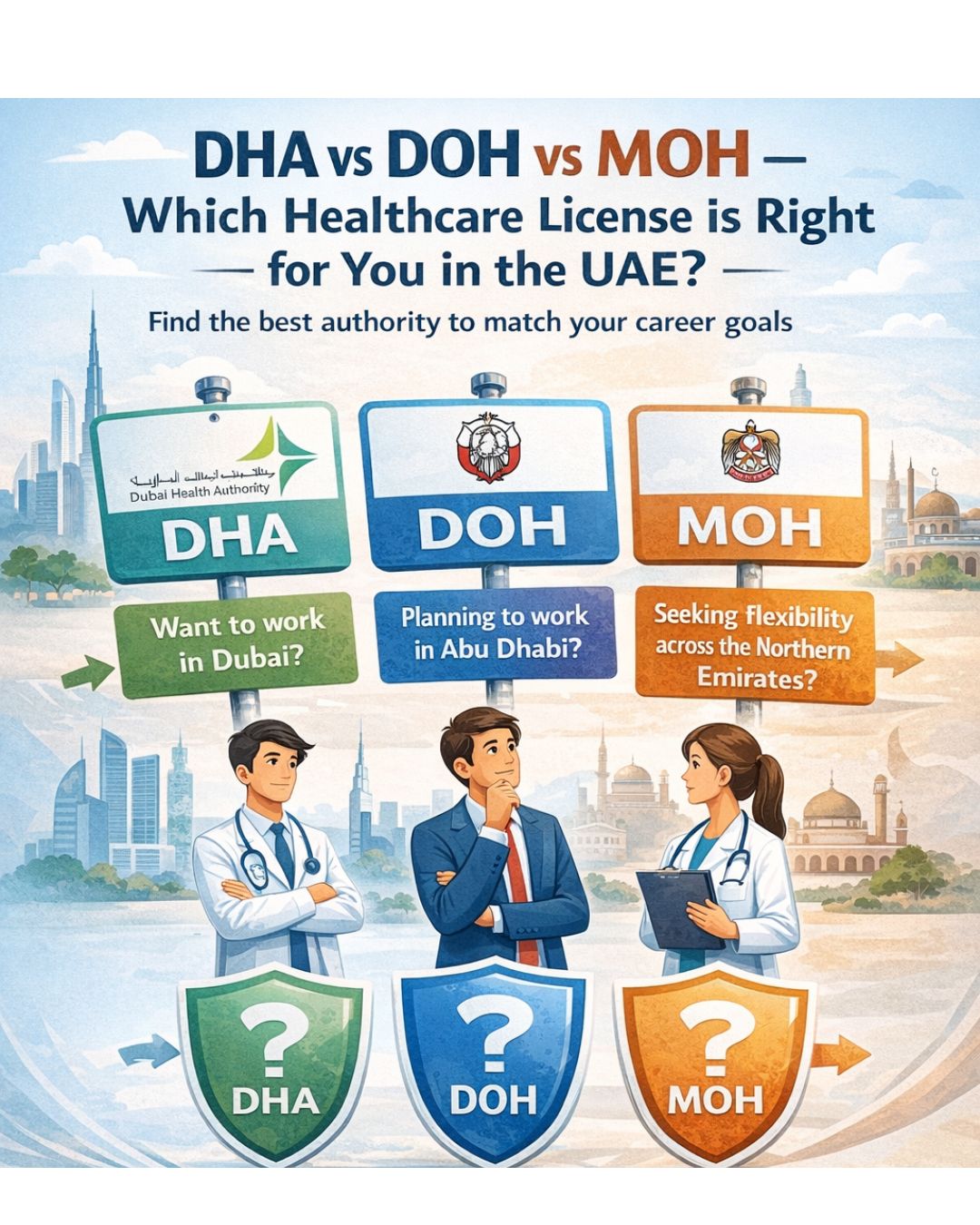
DHA vs DOH vs MOH – Which One is Right for You?
Health InsuranceApr 29, 2026

DHA vs DOH vs MOH – Which One is Right for You?

DHA vs DOH vs MOH – Which One is Right for You?If you’re planning to work in the healthcare sector in the UAE, you’ve likely come across three major authorities:Dubai Health Authority (DHA) Department of Health – Abu Dhabi (DOH) Ministry of Health and Prevention (MOH) Understanding the difference between these regulatory bodies is crucial for healthcare professionals, employers, and even patients. Each authority governs healthcare services in specific emirates and has its own licensing requirements.What Are DHA, DOH, and MOH?1. Dubai Health Authority (DHA)The Dubai Health Authority regulates healthcare services in Dubai. It is responsible for licensing doctors, nurses, clinics, and hospitals operating within the emirate. If you plan to work in Dubai, a DHA license is mandatory. 2. Department of Health – Abu Dhabi (DOH)The Department of Health – Abu Dhabi oversees the healthcare sector in Abu Dhabi. It ensures high standards of care and regulates healthcare professionals and facilities. A DOH license is required if you want to practice in Abu Dhabi.3. Ministry of Health and Prevention (MOH)The Ministry of Health and Prevention governs healthcare in the Northern Emirates, including Sharjah, Ajman, Fujairah, Umm Al Quwain, and Ras Al Khaimah. It also sets federal health policies and regulations. An MOH license allows professionals to work across multiple emirates under its jurisdiction. Key Differences Between DHA, DOH, and MOHFeatureDHADOHMOHCoverage AreaDubaiAbu DhabiNorthern EmiratesLicensing AuthorityDubai Health AuthorityDepartment of HealthMinistry of HealthScopeEmirate-levelEmirate-levelFederal-levelFlexibilityLimited to DubaiLimited to Abu DhabiWider regional coverage Which License is Right for You?Choose DHA if:You want to work in Dubai You are applying to hospitals or clinics based in Dubai You prefer a fast-growing, competitive healthcare market Choose DOH if:You plan to work in Abu Dhabi You aim for government or premium healthcare institutions You want to work in a highly regulated environment  Choose MOH if:You want flexibility to work across Northern Emirates You are targeting opportunities in Sharjah or smaller emirates You prefer broader regional mobility  Can You Transfer Between DHA, DOH, and MOH?Yes, healthcare professionals in the UAE can transfer licenses between authorities through a process called license conversion or transfer. However, each authority has its own requirements, exams, and documentation procedures.This flexibility makes it easier for professionals to explore opportunities across different emirates.Why This Matters for Insurance and HealthcareUnderstanding these authorities is not just important for healthcare professionals—it also matters for patients and insurance providers.Insurance networks often depend on licensed facilities Coverage may vary based on emirate regulations Healthcare access is influenced by the governing authority Choosing the right authority ensures compliance, better opportunities, and smoother operations in the UAE healthcare system.So, DHA vs DOH vs MOH—which one is right for you?The answer depends on where you want to work and your career goals.DHA → Dubai DOH → Abu Dhabi MOH → Northern Emirates Each authority plays a vital role in maintaining high healthcare standards across the UAE. Understanding their differences helps you make informed decisions—whether you’re a healthcare professional, employer, or patient.Planning to work or invest in healthcare in the UAE?Make the right choice by understanding licensing requirements and ensuring you’re fully compliant from day one. 

READ THE FULL BRIEFING
How Professionals in the UAE Can Renew Health Insurance After Exceeding Coverage Limit (2026 Guide)
Health InsuranceApr 29, 2026

How Professionals in the UAE Can Renew Health Insurance After Exceeding Coverage Limit (2026 Guide)

IntroductionFor working professionals in the UAE, health insurance is not just a legal requirement—it is a critical component of financial protection and access to quality healthcare. However, many employees and business professionals encounter a situation where their annual health insurance coverage limit is fully exhausted before policy renewal.When this happens, confusion often arises about whether the insurance can be “recharged.” The reality is that health insurance in the UAE does not work on a top-up model. Instead, professionals must rely on renewal, upgrade, or policy replacement options to restore coverage.This article explains the exact steps professionals can take when their health insurance limit is exceeded and how to maintain uninterrupted medical protection. Understanding Health Insurance Coverage Limits in the UAEEvery health insurance plan includes an annual maximum coverage limit, which defines the total amount the insurer will pay for medical expenses within a policy year.For example:Annual coverage limit: AED 250,000Medical expenses used: AED 250,000Result: Policy coverage stops until renewal or modificationOnce this threshold is reached, the insurer is no longer liable for further medical costs under the existing policy. What Happens When Coverage Limit Is Exhausted?For professionals relying on employer-sponsored or individual insurance, exceeding the limit can have immediate consequences:Insurance stops covering additional treatment costsOut-of-pocket payment becomes necessary for medical servicesFurther hospital admissions may require financial guaranteesEmergency stabilization may still be provided, but ongoing care is self-fundedThis situation can disrupt financial planning if not addressed promptly. Can Health Insurance Be Recharged in the UAE?Health insurance in the UAE does not operate on a recharge or top-up system. Once the coverage limit is used, professionals must explore structured solutions offered by insurers.The three primary options include: 1. Policy Renewal (Most Common Solution)Renewing the policy is the standard method of restoring coverage.Key points for professionals:Coverage resets for a new policy yearFull insurance benefits are reinstatedPremiums may vary based on claim historyNo gaps in coverage if renewed on time👉 Ideal for professionals nearing the end of their policy term. 2. Mid-Term Policy UpgradeSome insurance providers allow upgrades during the policy term if the coverage limit is exhausted.Benefits of upgrading:Higher annual coverage limitAccess to enhanced hospital networksImproved benefits such as specialist consultations or maternity coverBetter financial protection for future claimsImportant considerations:Subject to insurer approvalMay require additional premium paymentMedical underwriting may apply👉 Suitable for professionals with ongoing or high medical needs. 3. Switching to a New Insurance PlanIf upgrading is not feasible, switching insurers is an alternative solution.What professionals should know:New policy approval is requiredWaiting periods may apply for certain conditionsPre-existing conditions may be reassessedCoverage begins once the new policy is activated👉 Best for professionals seeking better value or enhanced coverage. 4. Out-of-Pocket Medical PaymentsIf immediate insurance solutions are not available:Medical expenses must be paid directlyHospitals may offer installment payment plansEmergency treatment is still provided but billed laterFinancial planning becomes essential until coverage resumes👉 Short-term solution only, not sustainable long-term. How UAE Professionals Can Avoid Exhausting Coverage EarlySmart planning helps prevent financial disruption due to insurance exhaustion.Best practices include:Selecting adequate coverage based on lifestyle and risk exposureReviewing policy limits before major medical proceduresUsing in-network healthcare providersMonitoring claim utilization regularlyAvoiding unnecessary hospital visits or duplicate consultationsEarly Warning Signs of Exhausting Insurance CoverageProfessionals should watch for:Frequent hospital visits within the policy yearHigh-cost medical treatments or surgeriesNotifications from the insurer regarding claim usageReduced remaining coverage balanceEarly awareness allows timely action before coverage ends. Best Strategy for Professionals in the UAEThe right solution depends on timing and urgency:Policy nearing expiry → Renew immediatelyHigh medical usage mid-year → Consider upgradeUrgent coverage need → Switch insurer if necessaryA proactive approach ensures continuous protection and financial stability.For professionals in the UAE, exceeding health insurance coverage limits is a manageable situation when addressed correctly. While insurance cannot be recharged like a digital service, options such as renewal, upgrade, or switching providers ensure continued protection.Understanding your policy structure and planning ahead can help avoid unexpected medical expenses and maintain uninterrupted healthcare access. 

READ THE FULL BRIEFING