Talk to our Expert043 209 810
Insurance Plans
Compare coverage and find the best fit for you
Not sure which plan suits you?Talk to an advisor ↗

Cover Stories

Your Source for News and Guides

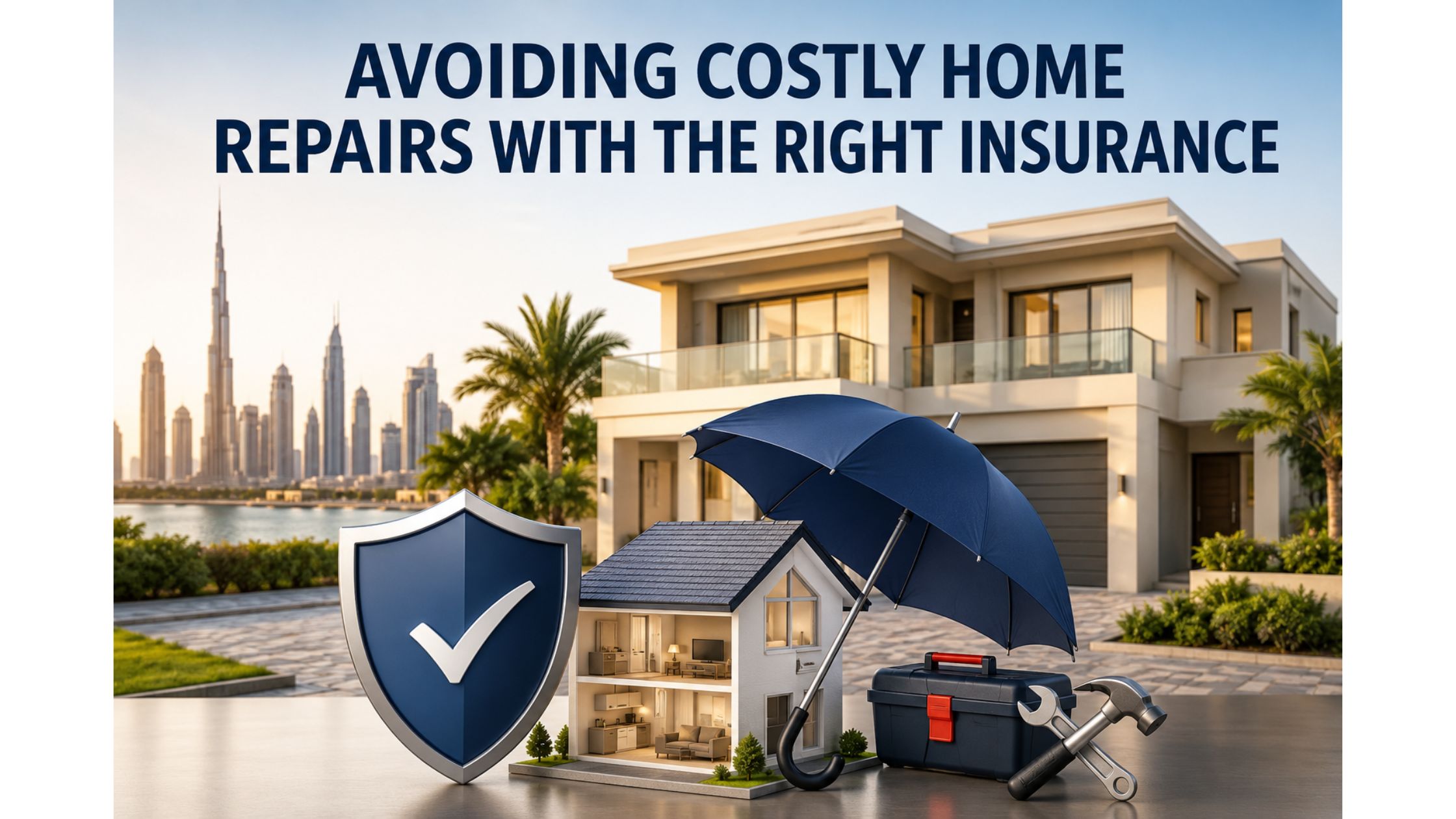
Avoiding Costly Home Repairs with the Right Insurance
Featured — Jun 13, 2026
Home Insurance

Avoiding Costly Home Repairs with the Right Insurance

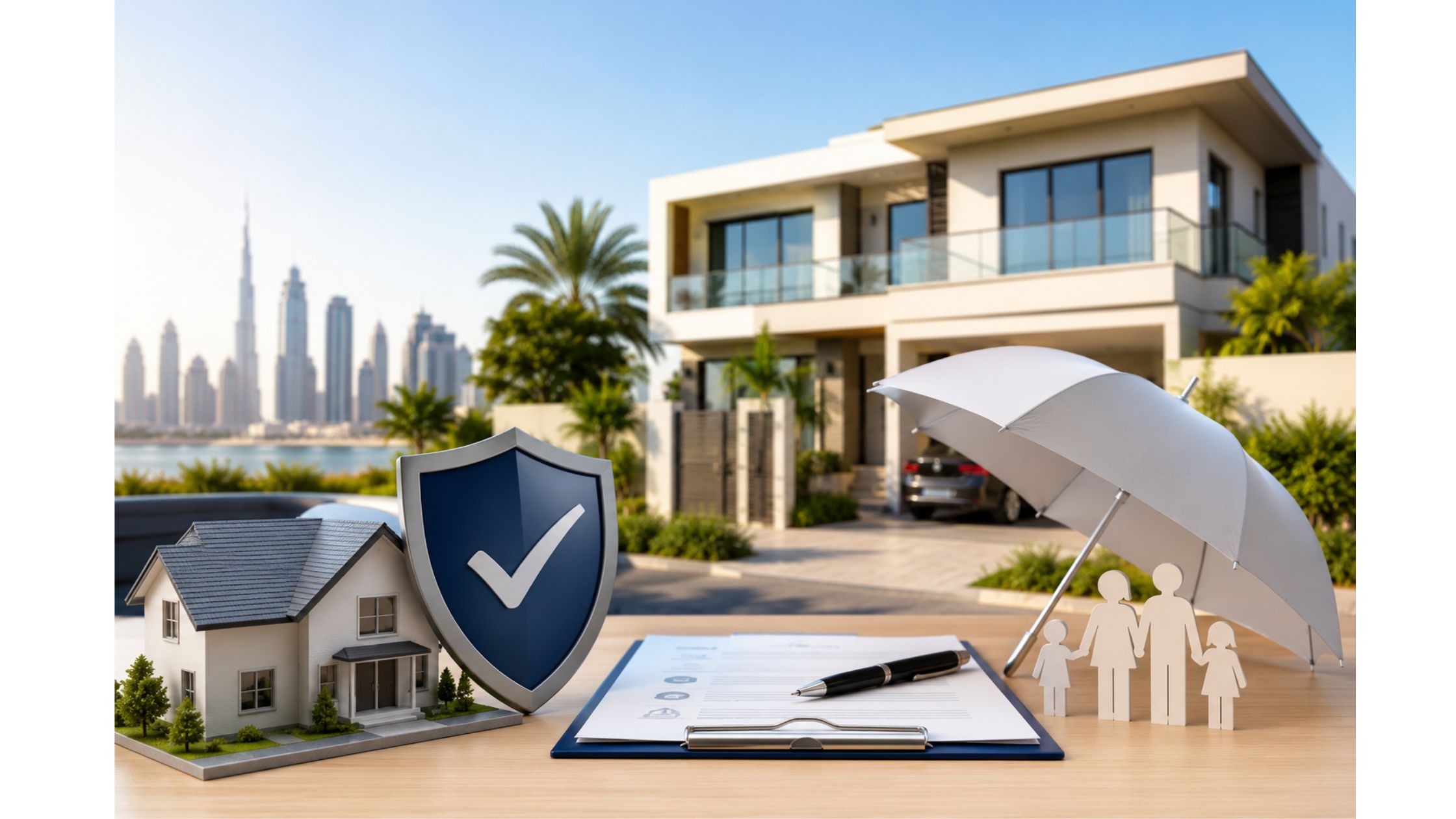
Owning a home is one of the most significant investments a person can make. Whether you own a villa, townhouse, or apartment in the UAE, maintaining your property requires time, effort, and financial commitment. While regular maintenance can help prevent many issues, unexpected events can still occur and lead to expensive repair bills.From water leaks and electrical faults to accidental damage and unforeseen incidents, home repairs can quickly become a financial burden. This is where the right home insurance policy plays an important role. By providing financial protection against covered risks, home insurance helps homeowners avoid the stress and cost of major repairs.Understanding the Financial Impact of Home RepairsMany homeowners underestimate how expensive repairs can be until they face an unexpected problem. Structural damage, damaged fixtures, broken appliances, or repairs caused by sudden incidents can require substantial spending.Without adequate insurance coverage, homeowners may have to pay these costs entirely out of pocket. Depending on the severity of the damage, repair expenses can significantly affect household budgets and long-term financial plans.Why Home Insurance MattersHome insurance is designed to provide financial protection when unexpected events damage your property or belongings. Instead of bearing the full cost of repairs yourself, insurance can help cover eligible expenses based on the terms of your policy.This financial support allows homeowners to restore their property more quickly and reduces the risk of major financial setbacks.Common Situations That Can Lead to Costly RepairsWater DamageWater-related incidents are among the most common causes of property damage. Leaks from pipes, damaged plumbing systems, or appliance malfunctions can affect walls, ceilings, flooring, and furniture.Repairing water damage often involves more than fixing the source of the leak. Homeowners may also need to replace damaged materials and restore affected areas, leading to considerable costs.Electrical IssuesElectrical faults can damage appliances, wiring, and other parts of the home. In severe cases, they may even create safety hazards that require immediate professional attention.The cost of diagnosing and repairing electrical problems can be significant, especially if extensive work is required.Accidental DamageAccidents can happen in any household. Broken glass, damaged fixtures, or accidental impacts can result in unexpected repair expenses.Having appropriate insurance coverage can help reduce the financial impact of these unforeseen incidents.Damage to Home ContentsBeyond the structure itself, many homeowners own valuable possessions such as furniture, electronics, appliances, and personal belongings. Replacing damaged items can be expensive, particularly when multiple items are affected at the same time.Home contents coverage can help protect these belongings and provide financial assistance when covered losses occur.The Benefits of Choosing the Right Home Insurance PolicyFinancial ProtectionOne of the primary advantages of home insurance is the ability to manage unexpected repair costs. Rather than facing a large financial burden alone, homeowners have access to support that can help cover eligible repair expenses.Peace of MindKnowing that your property is protected allows you to focus on enjoying your home rather than constantly worrying about potential risks. Peace of mind is often one of the most valuable benefits of having insurance coverage.Faster Recovery After an IncidentWhen damage occurs, having insurance can help speed up the recovery process. Homeowners can begin repairs and restoration efforts with greater confidence, helping them return to normal life more quickly.Protection for Property and BelongingsA comprehensive home insurance policy can provide coverage for both the physical structure of the home and the valuable possessions inside it. This broader protection helps reduce financial exposure in a variety of situations.How to Choose the Right CoverageSelecting the right home insurance policy requires careful consideration of your property's value, household contents, and potential risks.When reviewing insurance options, homeowners should:Assess the value of their property and belongings.Understand the coverage limits provided by the policy.Review exclusions and conditions carefully.Consider both building and contents protection.Ensure the policy aligns with their specific needs and lifestyle.Taking time to understand these factors can help homeowners make informed decisions and avoid coverage gaps.Building a Stronger Financial Safety NetHomeownership comes with responsibilities, and protecting your property should be one of them. While regular maintenance remains essential, even the most carefully maintained homes can face unexpected problems.The right home insurance policy acts as a financial safety net, helping homeowners manage repair costs, protect valuable assets, and recover more easily from unforeseen events. By investing in appropriate coverage today, homeowners can reduce financial uncertainty and safeguard one of their most valuable assets for the future.Costly home repairs can arise when least expected, creating financial strain and disrupting daily life. While no homeowner can predict every risk, the right insurance coverage can make a significant difference in managing the impact of unexpected events.By choosing a suitable home insurance policy, UAE homeowners can protect their property, preserve their finances, and enjoy greater peace of mind knowing they are prepared for life's uncertainties. 

Read the full briefing

Protect your home and everything inside it.

Home Insurance Considerations for UAE Homeowners
Home InsuranceJun 13, 2026

Home Insurance Considerations for UAE Homeowners

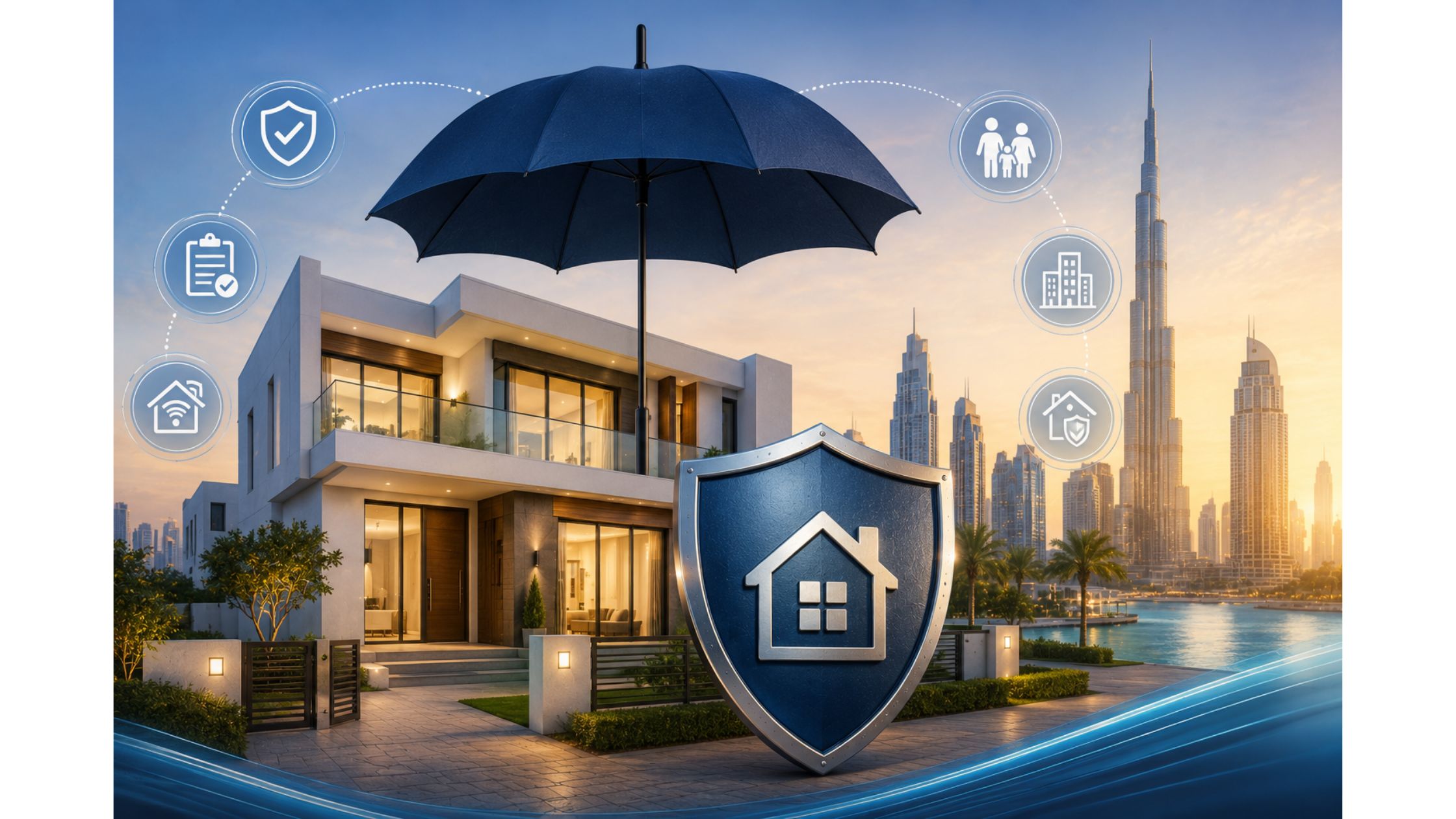
Purchasing a home is a major milestone and often one of the largest financial investments a person will make. Whether you own an apartment in Dubai, a villa in Abu Dhabi, or a family home elsewhere in the UAE, protecting your property should be an important part of your financial planning. While many homeowners focus on maintenance, renovations, and property value appreciation, home insurance is another essential factor that should not be overlooked.Home insurance helps provide financial protection against unexpected events that may cause damage to your property or belongings. However, choosing the right coverage requires careful consideration of several factors. Understanding these considerations can help UAE homeowners make informed decisions and ensure their homes are adequately protected.Understanding the Purpose of Home InsuranceHome insurance is designed to help homeowners manage financial losses resulting from covered incidents that affect their property or household contents. Instead of bearing the full cost of repairs or replacements, policyholders may receive financial assistance according to the terms and conditions of their policy.The primary goal is to provide a layer of financial security and help homeowners recover more easily from unforeseen situations.Evaluate the Value of Your PropertyBefore selecting a home insurance policy, it is important to understand the value of your property. Many homeowners focus solely on the market value of their home, but insurance considerations often involve the cost of repairing or rebuilding the property if damage occurs.Accurately assessing the property's replacement value can help ensure sufficient coverage and reduce the risk of being underinsured.Consider the Value of Household ContentsA home contains much more than walls, floors, and fixtures. Furniture, electronics, appliances, clothing, jewelry, and personal belongings can represent a significant financial investment.Many homeowners underestimate the total value of their possessions. Creating an inventory of household contents can provide a clearer understanding of what needs protection and help determine appropriate coverage levels.Understand the Difference Between Building and Contents CoverageHome insurance policies may offer protection for different aspects of a property.Building CoverageThis generally focuses on the physical structure of the home, including walls, roofs, ceilings, floors, and permanent fixtures.Contents CoverageThis typically relates to personal belongings and movable items within the property, such as furniture, electronics, and household appliances.Understanding these distinctions can help homeowners choose coverage that aligns with their specific needs.Review Policy Coverage CarefullyNot all home insurance policies provide the same level of protection. Coverage details, limits, and conditions can vary significantly between providers.Homeowners should carefully review policy documents to understand:What is coveredCoverage limitsApplicable deductibles or excess amountsPolicy conditions and requirementsAny optional coverage enhancementsTaking time to review these details can help avoid misunderstandings later.Be Aware of Policy ExclusionsOne of the most important aspects of any insurance policy is understanding what is not covered. Policy exclusions outline situations or types of losses that may fall outside the scope of coverage.Reviewing exclusions helps homeowners set realistic expectations and identify areas where additional protection may be beneficial.Consider Liability ProtectionHomeownership can involve liability risks. For example, visitors, guests, or third parties may experience injuries or property damage while on your premises.Some home insurance policies may include liability protection, which can help provide financial support if covered claims arise. Understanding the availability and scope of this protection is an important consideration for homeowners.Account for Lifestyle ChangesA homeowner's needs may change over time. Renovations, home improvements, newly purchased valuables, or changes in family circumstances can all affect insurance requirements.Regularly reviewing your home insurance policy ensures that coverage remains aligned with your current lifestyle and property situation.Keep Accurate DocumentationMaintaining records of valuable possessions, purchase receipts, warranties, and photographs can be beneficial. In the event of a covered loss, proper documentation may help support claims and simplify the assessment process.Organized records also make it easier to review coverage requirements and update insurance policies when necessary.Compare Coverage Beyond PriceWhile cost is an important consideration, selecting a home insurance policy based solely on price may not always provide the best value. The scope of coverage, service quality, claims support, and policy flexibility are equally important factors.A comprehensive policy that adequately protects your property and belongings can offer greater long-term value than choosing the lowest-priced option.The Importance of Regular Policy ReviewsAs property values, household contents, and personal circumstances evolve, insurance needs may change as well. Conducting regular policy reviews helps ensure that coverage remains appropriate and up to date.Annual reviews can be an effective way to identify potential coverage gaps and make adjustments before unexpected situations arise.Home insurance is an important component of responsible homeownership in the UAE. While every homeowner's situation is unique, understanding key considerations such as property value, contents protection, liability coverage, policy exclusions, and changing insurance needs can help ensure more effective protection.By taking a thoughtful approach to home insurance and regularly reviewing coverage requirements, UAE homeowners can better safeguard their property, protect their finances, and enjoy greater peace of mind knowing they are prepared for life's uncertainties. 

Smart Homeowners Don't Leave Protection to Chance
Home InsuranceJun 13, 2026

Smart Homeowners Don't Leave Protection to Chance

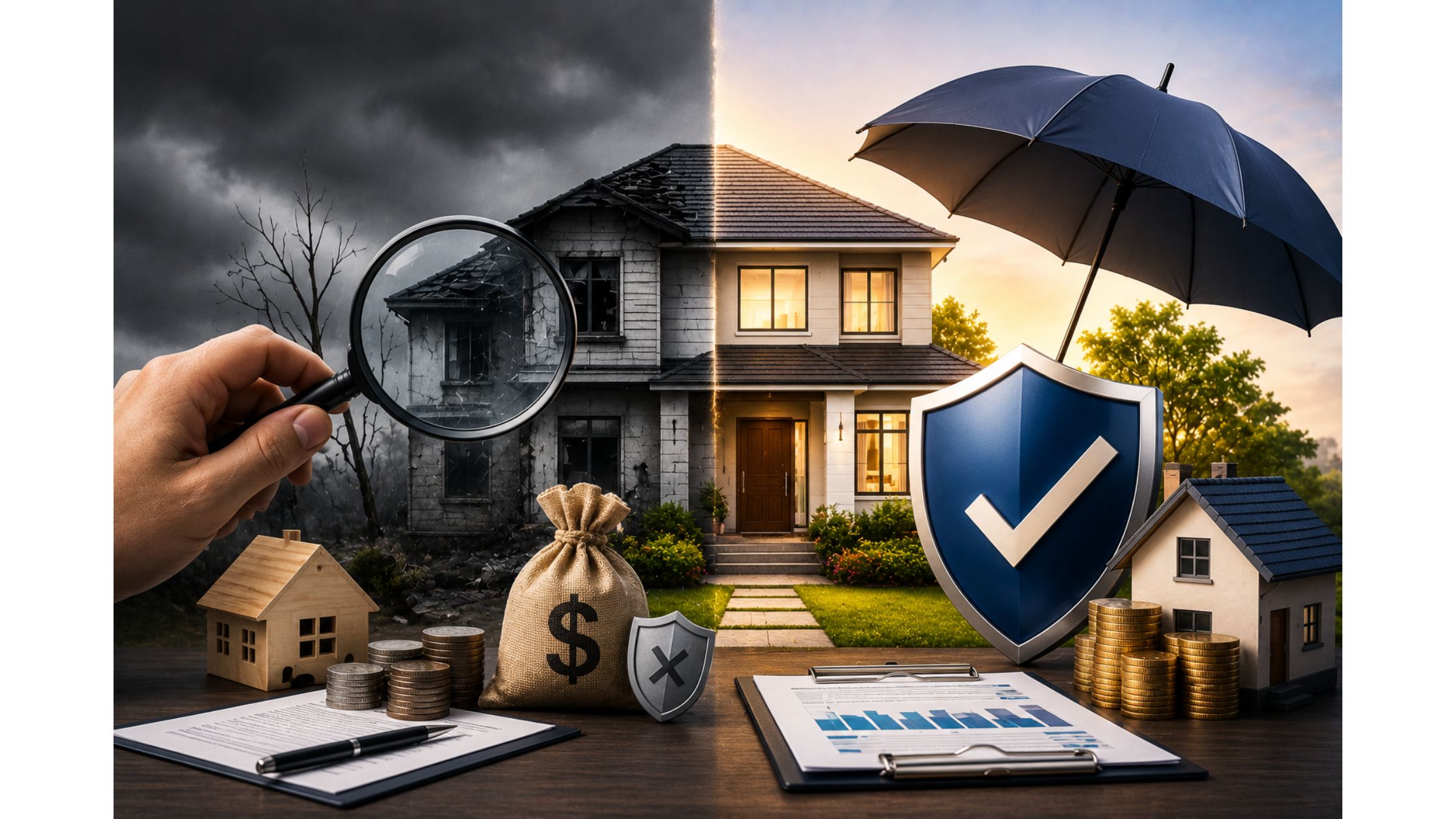
A home is much more than a building. It is where families create memories, build their future, and invest a significant portion of their financial resources. Whether you own a villa, townhouse, or apartment in the UAE, protecting your home should be a priority. While many homeowners focus on maintenance, upgrades, and property value appreciation, one important aspect of homeownership is often overlooked—proper insurance protection.Unexpected events can occur without warning, and the financial impact of property damage or loss can be substantial. Smart homeowners understand that relying on luck is not a strategy. Instead, they take proactive steps to protect their homes, belongings, and financial wellbeing through comprehensive home insurance coverage.Why Home Protection MattersOwning a home comes with responsibilities as well as risks. Even well-maintained properties can be affected by unforeseen incidents that may require costly repairs or replacements.Without adequate protection, homeowners may face significant out-of-pocket expenses that can disrupt their financial plans. Home insurance serves as a valuable safety net, helping homeowners manage these risks and recover more effectively when unexpected situations arise.The Cost of Being UnpreparedMany homeowners assume that serious property damage is unlikely to happen to them. However, unexpected incidents can occur at any time and often result in expenses that are far greater than anticipated.Repairing damaged property, replacing household belongings, or addressing the aftermath of an unexpected event can place considerable financial strain on a household. Being unprepared can turn a manageable situation into a major financial challenge.Home Insurance: A Smart Layer of ProtectionHome insurance is designed to provide financial support when covered events affect your property or belongings. Rather than bearing the full cost of repairs or replacements alone, homeowners can rely on their insurance policy for assistance within the terms of their coverage.This protection helps reduce financial uncertainty and provides greater confidence when dealing with unforeseen circumstances.Protecting More Than Just the StructureWhen people think about home insurance, they often focus on the building itself. However, a home contains many valuable possessions that may also require protection.These may include:FurnitureElectronicsHome appliancesPersonal belongingsDecorative itemsValuable household assetsReplacing multiple items after a loss can be expensive. Home insurance can help protect not only the physical structure of the property but also the contents that make a house feel like home.Financial Security During Unexpected EventsOne of the most significant benefits of home insurance is financial protection. Unexpected repair or replacement costs can quickly add up, particularly when extensive damage occurs.Insurance helps homeowners manage these costs more effectively, reducing the likelihood that a single incident will create long-term financial difficulties. This financial support allows families to focus on recovery rather than worrying about the burden of unexpected expenses.Peace of Mind for HomeownersProtection is not only about finances—it is also about peace of mind. Knowing that your home and belongings are covered can reduce stress and provide reassurance.Homeowners who have appropriate insurance coverage often feel more confident about their ability to handle unexpected situations. This peace of mind allows them to enjoy their homes without constantly worrying about potential risks.Why Proactive Planning Is EssentialOne of the most common mistakes homeowners make is waiting until after a problem occurs to think about protection. Unfortunately, by that point, options may be limited.Smart homeowners understand the value of planning ahead. They take time to assess potential risks, review insurance options, and ensure they have suitable coverage before it is needed. Proactive planning can make a significant difference when unexpected events occur.Reviewing Coverage RegularlyHomeownership is not static. Over time, homeowners may purchase new furniture, renovate their property, upgrade appliances, or acquire valuable possessions.These changes can affect insurance needs. Regularly reviewing your home insurance policy helps ensure that your coverage remains aligned with the current value of your property and belongings. Keeping coverage updated helps avoid protection gaps and ensures continued financial security.Home Insurance as Part of a Long-Term StrategyHome insurance should not be viewed simply as an annual expense. Instead, it can be considered an important part of a broader financial protection strategy.By helping safeguard one of your most valuable assets, home insurance contributes to long-term financial stability. It supports responsible homeownership and provides protection against uncertainties that could otherwise create significant financial setbacks.Building a More Secure FutureThe most successful homeowners understand that protecting a home involves more than routine maintenance and repairs. It requires preparation, planning, and a commitment to safeguarding what matters most.Insurance plays an important role in creating a stronger foundation for the future. It allows homeowners to face uncertainties with greater confidence and helps preserve the value of their investment over time.A home represents years of hard work, financial commitment, and personal achievement. Protecting that investment should never be left to chance. While no one can predict the future, homeowners can take proactive steps to prepare for unexpected situations and reduce potential financial risks.Smart homeowners recognize that protection is an essential part of responsible homeownership. By choosing the right home insurance coverage and reviewing it regularly, they can protect their property, their belongings, and their peace of mind for years to come. 

Keep your home protected.

More Reading
The Evolution of Property Protection in the UAE
Home InsuranceJun 13, 2026

The Evolution of Property Protection in the UAE

The UAE property market continues to evolve as homeowners, investors, and residents place greater emphasis on protecting their assets. With rising property investments, increasing awareness of financial planning, and the growing adoption of digital services, home insurance is becoming an increasingly important component of property ownership in the UAE.Today's homeowners are looking beyond traditional coverage and seeking solutions that offer convenience, flexibility, and comprehensive protection. As a result, several emerging trends are influencing how home insurance is purchased, managed, and utilized across the UAE.Growing Awareness of Home ProtectionOne of the most significant trends in the UAE is the increasing awareness of home insurance among property owners and tenants. More residents are recognizing that unexpected events can lead to substantial financial losses and that insurance can provide an important layer of financial security.As awareness grows, homeowners are becoming more proactive about evaluating risks and seeking coverage that aligns with their property values and lifestyle needs.Increased Demand for Comprehensive CoverageHomeowners are no longer focusing solely on protecting the physical structure of their property. There is growing interest in policies that also provide protection for household contents, personal belongings, and valuable assets.This shift reflects a broader understanding that a home consists not only of the building itself but also of the possessions that contribute to daily life and financial wellbeing.Digital Transformation in Home InsuranceTechnology is transforming the insurance industry, and home insurance is no exception. Many insurers now offer digital platforms that allow customers to obtain quotes, compare coverage options, manage policies, and submit claims online.The convenience of digital services is helping simplify the insurance process and making coverage more accessible to a wider range of UAE residents.Personalized Insurance SolutionsModern homeowners have diverse needs, and insurance providers are responding by offering more customized coverage options. Rather than relying on standardized policies, many homeowners now seek solutions tailored to their specific property type, household contents, and lifestyle requirements.Personalized insurance helps ensure that coverage remains relevant and provides protection where it is needed most.Greater Focus on Risk ManagementPreventive risk management is becoming an important consideration for homeowners. Many property owners are investing in maintenance, security systems, and safety measures to reduce potential risks and protect their homes.Insurance and risk management increasingly work together, helping homeowners create a more comprehensive approach to property protection.Rising Importance of Contents InsuranceAs households accumulate valuable electronics, appliances, furniture, and personal belongings, contents insurance is gaining greater attention. Many homeowners are realizing that replacing these items after an unexpected loss can be financially challenging.This trend has encouraged more residents to consider coverage that extends beyond the structure of the home and includes protection for personal possessions.Integration of Smart Home TechnologyThe growing adoption of smart home technology is influencing the insurance landscape. Devices such as security cameras, smart locks, leak detection systems, and connected monitoring solutions help homeowners identify potential issues before they become major problems.As smart home technology becomes more common, it is expected to play a larger role in property protection and insurance considerations.Increased Interest from Property InvestorsThe UAE continues to attract local and international property investors. As investment portfolios expand, many investors are paying closer attention to risk management strategies that help protect their real estate assets.Home insurance is increasingly viewed as an important component of responsible property investment and long-term asset preservation.Regular Policy Reviews Are Becoming More CommonHomeowners are becoming more aware that insurance needs can change over time. Renovations, property upgrades, newly acquired valuables, and changing family circumstances can all affect coverage requirements.As a result, more policyholders are conducting regular insurance reviews to ensure their protection remains aligned with their current needs.Customer Experience Is Driving Insurance ChoicesToday's consumers expect convenience, transparency, and efficient service. Insurance providers that offer streamlined purchasing processes, responsive support, and easy-to-use digital platforms are gaining greater attention from homeowners.The focus on customer experience is encouraging insurers to develop more user-friendly solutions that simplify the insurance journey.Sustainability and Property ProtectionAs sustainability becomes a growing priority in the UAE, homeowners are increasingly investing in energy-efficient homes and environmentally conscious upgrades. These investments often represent significant financial commitments that owners wish to protect.Insurance is becoming part of a broader strategy to safeguard sustainable property investments and maintain long-term asset value.The Future of Home Insurance in the UAEThe future of home insurance in the UAE is likely to be shaped by continued technological innovation, increased personalization, and stronger customer engagement. As homeowners become more informed about property risks and financial protection, demand for comprehensive and flexible coverage solutions is expected to grow.Insurance providers that embrace digital transformation, customer-centric services, and evolving property protection needs will be well-positioned to support the next generation of UAE homeowners.Home insurance is becoming an increasingly important part of the UAE property market. From digital innovation and personalized coverage to smart home integration and enhanced risk awareness, several trends are reshaping how homeowners approach property protection.As the market continues to evolve, homeowners who stay informed about these trends will be better equipped to protect their investments, manage risks effectively, and enjoy greater peace of mind. In a rapidly changing property landscape, home insurance remains a valuable tool for safeguarding both financial security and long-term property ownership. 

READ THE FULL BRIEFING
How Home Insurance Protects Your Property and Belongings
Home InsuranceJun 11, 2026

How Home Insurance Protects Your Property and Belongings

Your home is more than just a building—it's where you create memories, store valuable possessions, and build a sense of security for yourself and your family. Whether you own a villa, townhouse, or apartment, your property and belongings represent a significant financial investment. Protecting them from unexpected events is essential, and that's where home insurance plays a vital role.Home insurance provides financial protection against a range of risks that could otherwise result in substantial losses. From accidental damage and theft to fire and water-related incidents, the right policy helps safeguard both your property and the possessions inside it.Understanding Home Insurance CoverageHome insurance is designed to protect two key aspects of your home:1. Building CoverageBuilding coverage protects the physical structure of your property. This includes walls, roofs, floors, built-in fixtures, and other permanent components of the home.If your property suffers damage due to a covered event, home insurance can help cover repair or rebuilding costs, reducing the financial burden on homeowners.2. Contents CoverageContents insurance protects personal belongings inside your home, including:FurnitureElectronicsAppliancesClothingJewelry (subject to policy limits)Personal valuablesIf these items are damaged, destroyed, or stolen due to a covered event, your insurance policy may help pay for replacement or repair costs.Protection Against Fire and Smoke DamageFire can cause devastating damage to a property within a short period. Beyond the visible destruction, smoke and soot can also damage furniture, electronics, and personal belongings.Home insurance helps cover the costs associated with repairing structural damage and replacing affected possessions. This financial support can make recovery significantly easier after a fire-related incident.Coverage for Theft and BurglaryBurglary remains a concern for homeowners and tenants alike. Losing valuable possessions can be both financially and emotionally stressful.Home insurance can provide compensation for stolen items covered under the policy. This may include electronics, furniture, and personal belongings, helping policyholders recover more quickly after a theft.Protection Against Water DamageWater leaks, burst pipes, and certain water-related incidents can lead to costly repairs and property damage.Depending on the policy terms, home insurance may cover damages caused by unexpected water incidents. This can include repairs to affected areas of the property and replacement of damaged belongings.Coverage for Accidental DamageAccidents can happen in any household. A dropped television, broken glass panel, or accidental damage to furniture can result in unexpected expenses.Many home insurance policies offer optional accidental damage coverage that helps protect against everyday mishaps. This additional protection can provide valuable peace of mind for homeowners and tenants.Financial Protection from Natural EventsWhile severe weather events may be less common in some regions, unexpected environmental incidents can still cause property damage.Certain home insurance policies provide protection against covered natural events, helping homeowners manage repair and replacement costs that might otherwise be difficult to absorb.Liability ProtectionHome insurance often includes personal liability coverage, which can protect you if someone is injured on your property or if you accidentally cause damage to another person's property.Liability coverage can help cover legal expenses, compensation claims, and related costs, offering an additional layer of financial security.Peace of Mind for Homeowners and TenantsOne of the greatest benefits of home insurance is peace of mind. Knowing that your property and belongings are protected allows you to focus on daily life without constantly worrying about potential financial losses.Whether you're a homeowner protecting a valuable property or a tenant safeguarding personal belongings, insurance helps provide confidence that you're prepared for unexpected situations.Why Reviewing Your Coverage MattersYour insurance needs may change over time. Renovations, new furniture, electronics, or valuable purchases can affect the level of protection you require.Regularly reviewing your home insurance policy ensures that your coverage remains aligned with the current value of your property and belongings. Updating your policy when necessary can help prevent gaps in protection. Home insurance is an important tool for protecting both your property and the belongings that make your house a home. From fire and theft to accidental damage and liability protection, it helps reduce the financial impact of unexpected events and supports a faster recovery process.By choosing the right home insurance policy and reviewing it regularly, homeowners and tenants can enjoy greater financial security, protect valuable assets, and gain peace of mind knowing that their home is prepared for life's uncertainties. 

READ THE FULL BRIEFING
Why the Cheapest Home Insurance Isn’t Always the Best
Home InsuranceJun 11, 2026

Why the Cheapest Home Insurance Isn’t Always the Best

When choosing home insurance, it’s natural to look for affordable options. After all, everyone wants to save money while protecting their property. However, selecting the cheapest home insurance policy without understanding what it actually covers can lead to serious financial risks later.Low premiums may look attractive at first, but they often come with limited coverage, higher out-of-pocket costs, and important exclusions that only become clear when you need to make a claim. In home insurance, what you don’t know can cost you more than what you save.Limited Coverage Can Leave You ExposedCheaper home insurance policies often provide only basic protection. While they may cover major risks like fire or total loss, they might exclude or limit coverage for common issues such as:Water damageAccidental damageTheft or burglaryTemporary accommodation during repairsThis means that when unexpected events occur, you may end up paying a significant portion of the repair or replacement costs yourself.Higher Deductibles Increase Your ExpensesA low premium often comes with a trade-off: higher deductibles. A deductible is the amount you must pay out of pocket before your insurance starts covering the rest.For example, a cheaper policy might save you money monthly, but if a claim occurs, you could end up paying a large upfront amount before receiving any compensation. In some cases, this reduces the real value of the insurance protection.Hidden Exclusions Can Create SurprisesNot all home insurance policies are the same, even if they look similar on the surface. Budget-friendly plans may include exclusions that are not immediately obvious.These could include:Limited coverage for valuables like jewelry or electronicsRestrictions on natural disaster protectionExclusions for certain types of water damage or moldReduced claim limits for contents inside the homeWithout carefully reviewing the policy wording, homeowners may only discover these limitations during a claim.Slower or Limited Claims SupportThe quality of customer service and claims handling can vary significantly between insurance providers. Lower-cost policies may not offer the same level of support, resulting in:Delayed claim processingLimited customer assistanceMore documentation requirementsSlower settlement timesWhen you need urgent financial help after property damage, delays can add stress and inconvenience to an already difficult situation.Insufficient Protection for Valuable AssetsYour home is likely to contain items that hold both financial and emotional value. Cheap insurance plans may not fully cover high-value belongings such as:Electronics and appliancesFurniture and fittingsPersonal valuablesRenovation upgradesIf coverage limits are too low, you may not receive enough compensation to replace your items at current market value.Better Value Doesn’t Always Mean Higher PriceChoosing better home insurance does not always mean selecting the most expensive policy. Instead, it means finding the right balance between cost and coverage.A well-structured policy should offer:Adequate protection for your home and belongingsReasonable deductiblesClear and transparent termsReliable claims supportCoverage that matches your lifestyle and property valueSometimes, a slightly higher premium provides significantly better protection and peace of mind.The Importance of Comparing PoliciesInstead of focusing only on price, homeowners should compare insurance policies based on:Coverage detailsClaim limitsExclusionsAdd-on benefitsProvider reputationTaking the time to compare options helps ensure you are not sacrificing essential protection just to save a small amount on premiums.The cheapest home insurance policy may look appealing, but it often comes with limitations that can create financial strain when you need support the most. True value lies in finding a policy that offers the right balance of affordability and comprehensive protection.By understanding coverage details and comparing options carefully, homeowners can choose insurance that not only fits their budget but also provides reliable protection for their property and belongings. 

READ THE FULL BRIEFING
Technology Innovations in Property Protection
Home InsuranceJun 11, 2026

Technology Innovations in Property Protection

Property protection has evolved far beyond traditional locks, alarms, and insurance policies. Today, technology is playing a central role in how homes and buildings are safeguarded against risks such as theft, fire, water damage, and natural disasters. From smart sensors to AI-powered monitoring systems, innovation is making property protection more proactive, intelligent, and efficient.As homeowners and insurers adopt digital solutions, the focus is shifting from reacting to damage to preventing it altogether.Smart Home Security SystemsOne of the most significant advancements in property protection is the rise of smart home security systems. These systems combine cameras, motion sensors, alarms, and mobile apps to provide real-time monitoring of homes.Homeowners can now:Monitor their property remotely through smartphonesReceive instant alerts for unusual activityControl security devices from anywhereThis level of connectivity improves response time and significantly reduces the risk of theft or intrusion.IoT-Enabled Sensors for Early DetectionThe Internet of Things (IoT) has transformed how risks are detected inside homes. Smart sensors can now identify issues such as:Water leaksSmoke or fireGas leaksTemperature changesThese sensors provide early warnings, allowing homeowners to take action before small issues turn into major damages. For example, a water leak sensor can prevent expensive flooding damage by alerting the homeowner immediately.AI-Powered Surveillance and MonitoringArtificial intelligence is enhancing property protection by making security systems smarter and more accurate. AI-enabled cameras can distinguish between normal activity and suspicious behavior, reducing false alarms.Key benefits include:Facial recognition for access controlBehavioral analysis for threat detectionAutomated alerts for unusual activity patternsThis technology improves both safety and efficiency in property monitoring.Smart Fire Safety SolutionsFire safety technology has also advanced significantly. Modern systems go beyond traditional smoke detectors by offering:Smart smoke and heat sensorsAutomatic fire suppression systemsRemote emergency alerts to mobile devicesIntegration with emergency servicesThese innovations help reduce response time during fire incidents, minimizing property damage and potential loss of life.Water Damage Prevention TechnologyWater damage is one of the most common and costly property risks. Smart water management systems are now helping homeowners prevent such issues.These systems can:Detect leaks instantlyAutomatically shut off water supplyMonitor water usage patternsAlert homeowners about abnormal consumptionThis proactive approach helps avoid structural damage and expensive repairs.Drones and Aerial Property InspectionsDrones are increasingly being used for property inspections, especially for large buildings and hard-to-reach areas such as roofs.They help by:Capturing high-resolution images for damage assessmentIdentifying structural issues earlySupporting insurance claims with accurate visual evidenceThis reduces the need for manual inspections and improves safety and accuracy.Blockchain in Property Records and InsuranceBlockchain technology is improving transparency and security in property management and insurance. It ensures that property records and transactions are secure, tamper-proof, and easily verifiable.This can help in:Preventing fraud in insurance claimsSecuring property ownership recordsStreamlining claims verification processesIt adds a new layer of trust and efficiency to the property ecosystem.Smart Integration with Insurance SystemsModern insurance companies are beginning to integrate smart home data into their policies. This allows insurers to:Assess risk more accuratelyOffer personalized premiumsEncourage preventive safety measuresFor example, homes equipped with advanced security systems may benefit from lower insurance premiums due to reduced risk exposure.The Future of Property ProtectionThe future of property protection lies in predictive and fully connected systems. Homes will increasingly become self-monitoring environments that can detect risks, respond automatically, and communicate directly with homeowners and insurers.Emerging trends include:Fully automated smart homesAI-driven risk prediction modelsIntegrated insurance and security ecosystemsReal-time disaster response systemsThese advancements will make property protection more proactive, intelligent, and reliable than ever before.Technology is fundamentally transforming how we protect our properties. From smart sensors and AI surveillance to IoT devices and blockchain systems, innovation is shifting property protection from reactive solutions to proactive prevention.As these technologies continue to evolve, homeowners will enjoy greater safety, insurers will gain better risk insights, and the entire property ecosystem will become more secure and efficient. 

READ THE FULL BRIEFING
Building Financial Resilience Through Home Insurance
Home InsuranceJun 11, 2026

Building Financial Resilience Through Home Insurance

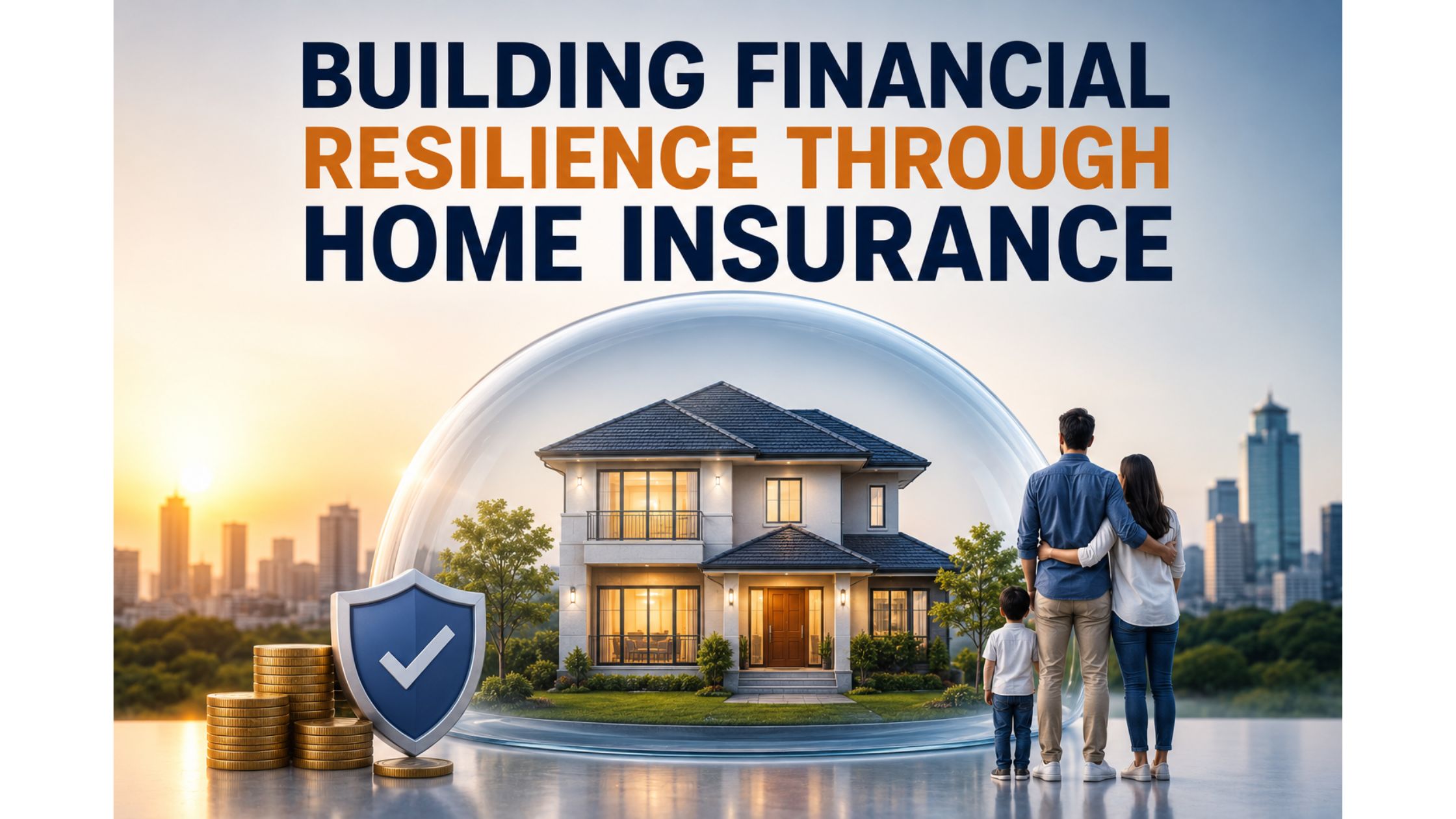
Financial resilience is the ability to withstand unexpected financial shocks and recover quickly without long-term disruption to your lifestyle. For most individuals and families, the home is their biggest asset—and also one of the most vulnerable to risks such as fire, theft, water damage, or natural disasters. This is where home insurance plays a critical role in building long-term financial stability.Home insurance is not just a protective policy; it is a financial safety tool that helps you manage uncertainty and protect your wealth when unexpected events occur.Why Financial Resilience MattersLife is unpredictable, and major property-related incidents can happen without warning. Without proper financial protection, homeowners may face:High repair or rebuilding costsLoss of personal belongingsTemporary relocation expensesUnexpected financial strainEven a single incident can disrupt savings, investments, and long-term financial goals. Financial resilience ensures that such events do not derail your financial future.Home Insurance as a Financial Safety NetHome insurance acts as a safety net by covering the financial impact of unexpected property damage or loss. Instead of paying large amounts out of pocket, policyholders receive financial support based on their coverage terms.This helps homeowners:Recover faster after incidentsAvoid sudden financial burdensMaintain financial stability during emergenciesIt transforms unpredictable losses into manageable situations.Protection Against High-Cost Property DamageOne of the biggest threats to financial stability is the cost of repairing or rebuilding a damaged home. Events like fire, flooding, or structural damage can lead to significant expenses.Home insurance helps cover:Repair costs for damaged structuresReconstruction expenses in severe casesReplacement of affected fixtures and fittingsWithout insurance, these costs can severely impact savings and long-term investments.Safeguarding Personal BelongingsA home contains valuable items such as furniture, electronics, appliances, and personal possessions. Losing these items due to theft, fire, or damage can be financially overwhelming.Contents coverage under home insurance helps replace or repair these belongings, reducing the financial burden on homeowners and helping them restore normal life more quickly.Reducing Financial Stress During EmergenciesUnexpected property damage often comes with emotional stress and financial pressure. Home insurance reduces this burden by ensuring that financial support is available when needed.This allows homeowners to focus on recovery instead of worrying about how to fund repairs or replacements. It provides peace of mind during difficult situations.Supporting Long-Term Financial PlanningFinancial resilience is not just about handling emergencies—it is also about protecting long-term financial goals such as:Savings growthRetirement planningEducation fundsInvestment stabilityBy preventing large, unexpected expenses from disrupting financial plans, home insurance helps individuals stay on track with their goals.Encouraging Responsible Financial BehaviorHaving home insurance also encourages better financial discipline. Homeowners are more likely to:Assess risks carefullyMaintain property properlyChoose appropriate coverage levelsPlan for potential future risksThis proactive approach strengthens overall financial awareness and preparedness.Additional Benefits That Strengthen ResilienceMany home insurance policies offer additional benefits that further enhance financial resilience, such as:Temporary accommodation during repairsLiability coverage for third-party damageEmergency assistance servicesOptional coverage for high-value itemsThese features provide an extra layer of financial protection beyond basic property coverage.Choosing the Right Level of CoverageBuilding financial resilience depends on selecting the right insurance coverage. Underinsuring your property may lead to insufficient protection, while overinsuring may increase unnecessary costs.A balanced policy should:Cover both structure and contents adequatelyReflect the current value of the propertyInclude relevant add-ons based on lifestyleOffer clear and transparent termsRegularly reviewing your policy ensures it continues to support your financial needs.Home insurance is a key component of financial resilience. It protects homeowners from unexpected financial shocks, safeguards valuable assets, and supports long-term financial stability. By covering repair costs, replacing belongings, and reducing financial stress, it ensures that one unexpected event does not derail years of financial planning.In an uncertain world, building financial resilience is not optional—it is essential. And home insurance is one of the most effective tools to achieve it. 

READ THE FULL BRIEFING
Smart Checklist to Compare Home Insurance Plans in the UAE
Home InsuranceMay 02, 2026

Smart Checklist to Compare Home Insurance Plans in the UAE

Home insurance in the UAE is becoming increasingly important as residents invest in apartments, villas, and high-value furnishings. Whether you are a homeowner or a tenant, the right policy protects your property against unexpected risks like fire, theft, water damage, and natural events. However, not all home insurance plans are the same—choosing the right one requires careful comparison.Here’s a complete guide on what to look at while comparing home insurance plans in the UAE.1. Type of Coverage OfferedThe first thing to check is what the policy actually covers. Most home insurance plans in the UAE fall into two categories: building insurance and contents insurance.Building insurance covers the structure of the property (walls, ceilings, fixtures).Contents insurance protects personal belongings like furniture, electronics, and appliances.Some insurers offer combined packages, while others sell them separately. Always ensure the coverage matches your actual needs.2. Sum Insured (Coverage Limit)The sum insured is the maximum amount the insurer will pay in case of a claim. It should reflect the real value of your property and belongings.Underinsuring can lead to financial loss, while overinsuring increases your premium unnecessarily. Carefully evaluate the replacement cost of your home contents before choosing a plan.3. Inclusions and ExclusionsEvery home insurance policy has a list of what is covered and what is not. Common inclusions are fire, theft, burst pipes, and accidental damage.However, exclusions may include:Wear and tearIntentional damageUnattended property claimsCertain natural disasters (depending on policy)Always read the fine print to avoid surprises during claims.4. Personal Liability CoverageMany people overlook this, but it is very important. Personal liability coverage protects you if someone is injured in your home or if you accidentally damage a third party’s property.For example, if a visitor slips in your apartment, this coverage helps handle legal and medical expenses. It adds an extra layer of financial protection.5. Claims Process and Settlement SpeedA good insurance plan should not only offer coverage but also a smooth claims experience. Check how quickly the insurer processes claims and whether they offer cashless or reimbursement options.Some insurers in the UAE provide digital claim submission, which speeds up approvals significantly. Always choose a provider known for hassle-free settlements.6. Premium Cost vs ValueWhile affordability matters, the cheapest plan is not always the best. Compare what you are getting for the premium you pay.A slightly higher premium may offer better coverage, faster claims, and wider protection. Focus on value, not just price.7. Add-ons and Customization OptionsSome insurers allow you to customize your policy with add-ons such as:Home emergency assistanceAlternative accommodation coverageHigh-value item protection (jewellery, art, etc.)These add-ons can significantly improve your coverage depending on your lifestyle and property type.8. Reputation of the Insurance ProviderAlways choose a reliable and licensed insurance provider in the UAE. Check customer reviews, claim settlement ratio, and market reputation.A trusted insurer ensures smoother claims and better customer support when you need it most.9. Policy Flexibility and Renewal TermsLook for policies that offer flexibility in renewal, upgrades, or cancellation. Some insurers may impose penalties or strict conditions.Flexible policies make it easier to adjust coverage as your needs change over time.10. Customer Support and AssistanceGood customer support is crucial during emergencies. Ensure the insurer offers 24/7 assistance, especially for urgent home-related incidents.Quick response during emergencies can make a big difference in minimizing damage and stress.Comparing home insurance plans in the UAE is not just about price—it’s about protection, reliability, and long-term value. By carefully evaluating coverage, exclusions, claims process, and provider reputation, you can choose a plan that truly safeguards your home and belongings.A well-chosen home insurance policy gives you peace of mind, knowing that your property is secure no matter what happens.

READ THE FULL BRIEFING