Talk to our Expert043 209 810
Insurance Plans
Compare coverage and find the best fit for you
Not sure which plan suits you?Talk to an advisor ↗

Cover Stories

Your Source for News and Guides

Why Architects Need Professional Indemnity Insurance
Featured — Jun 23, 2026
Professional Indemnity Insurance

Why Architects Need Professional Indemnity Insurance

Architecture is a profession built on precision, expertise, and responsibility. Architects are involved in designing structures, preparing plans, coordinating with stakeholders, and ensuring projects meet safety and regulatory requirements. Despite their experience and attention to detail, mistakes, omissions, or misunderstandings can occur, potentially leading to financial losses and legal disputes. This is why Professional Indemnity Insurance is an essential form of protection for architects and architectural firms. 1. Protection Against Professional Errors and OmissionsEven the most experienced architects can face allegations of errors in design, specifications, or project documentation. A minor oversight in planning or calculations can result in costly project delays, structural issues, or additional construction expenses.Professional Indemnity Insurance helps cover legal defense costs and compensation claims arising from professional mistakes, helping architects manage the financial impact of such situations. 2. Safeguards Against Client ClaimsClients invest significant resources in construction and development projects. If they believe an architect's advice, design, or service has caused financial loss, they may seek compensation through legal action.Professional Indemnity Insurance provides financial protection against claims of negligence, breach of professional duty, or inadequate professional services. This support allows architects to defend their work without facing severe financial strain. 3. Supports Compliance with Contract RequirementsMany project owners, developers, and government entities require architects to carry Professional Indemnity Insurance before awarding contracts. The coverage serves as proof that the architect has adequate financial protection in place.Having an active policy can strengthen business credibility and improve eligibility for larger and more complex projects, opening new opportunities for growth. 4. Covers Legal Defense CostsLegal proceedings can be expensive, even when an architect is not at fault. Attorney fees, court expenses, expert witness costs, and settlement negotiations can quickly become a significant financial burden.Professional Indemnity Insurance helps cover these costs, enabling architects to defend themselves effectively while protecting their business finances. 5. Protects Business ReputationAn architect's reputation is one of their most valuable assets. Allegations of professional negligence can damage client confidence and impact future business opportunities.By providing support during disputes and claims, Professional Indemnity Insurance helps architects manage challenges professionally and maintain trust with clients, partners, and stakeholders. 6. Addresses Risks Throughout the Project LifecycleArchitectural projects often involve multiple phases, including planning, design, approvals, construction oversight, and project completion. Risks can arise at any stage and may not become apparent until months or even years later.Professional Indemnity Insurance helps protect architects against claims related to past professional services, providing long-term peace of mind. 7. Supports Independent Architects and Firms of All SizesProfessional liability risks are not limited to large architectural firms. Independent architects, consultants, and small practices can also face claims arising from professional advice or project-related services.Professional Indemnity Insurance provides valuable protection regardless of business size, helping professionals focus on delivering quality work with confidence. 8. Enhances Client ConfidenceClients are increasingly aware of project risks and often prefer working with professionals who carry adequate insurance coverage. Professional Indemnity Insurance demonstrates a commitment to accountability and risk management.This assurance can strengthen client relationships and provide a competitive advantage when bidding for projects.ConclusionArchitects play a critical role in shaping safe, functional, and innovative spaces, but their responsibilities also expose them to significant professional risks. From design errors and project disputes to legal claims and reputational challenges, the financial consequences can be substantial.Professional Indemnity Insurance provides an important safety net by covering legal costs, compensation claims, and professional liability risks. For architects in the UAE, investing in Professional Indemnity Insurance is not only a smart risk management strategy but also a valuable tool for protecting their business, reputation, and long-term success.

Read the full briefing

Protect your business against professional claims.

Professional Indemnity Insurance for Accounting Firms
Professional Indemnity InsuranceJun 22, 2026

Professional Indemnity Insurance for Accounting Firms

Accounting firms play a vital role in helping businesses manage finances, maintain compliance, prepare tax filings, and make informed financial decisions. Clients rely heavily on the accuracy and professionalism of accountants, making the profession one that carries significant responsibility. However, even the most experienced accounting professionals can face claims arising from errors, omissions, or misunderstandings. This is where Professional Indemnity Insurance becomes an essential safeguard.Understanding Professional Indemnity InsuranceProfessional Indemnity Insurance is designed to protect businesses and professionals against claims resulting from alleged negligence, errors, omissions, or breaches of professional duty. For accounting firms, it provides financial protection when clients claim that professional services have caused them financial loss.The coverage can help with legal defense costs, settlements, and compensation payments, allowing firms to manage risks without jeopardizing their financial stability.Why Accounting Firms Need Professional Indemnity Insurance1. Protection Against Professional ErrorsAccounting work requires precision and attention to detail. Mistakes in financial statements, tax calculations, audits, or bookkeeping can result in financial losses for clients.Professional Indemnity Insurance helps protect accounting firms from the financial consequences of claims related to such errors, ensuring that one mistake does not threaten the future of the business.2. Coverage for Negligence ClaimsClients may allege that an accountant failed to provide accurate advice, missed critical information, or did not meet professional standards. Even if the claim is unfounded, defending against it can be costly and time-consuming.Professional Indemnity Insurance helps cover legal expenses and associated costs, allowing firms to focus on their operations while managing disputes effectively.3. Financial Protection Against Legal CostsLegal proceedings can involve significant expenses, including lawyer fees, court costs, expert witness fees, and settlement negotiations. These costs can quickly escalate and impact a firm's profitability.Professional Indemnity Insurance provides support for these expenses, helping firms navigate legal challenges with greater confidence.4. Supports Client Confidence and TrustBusinesses often prefer to work with accounting firms that have adequate professional liability coverage. Insurance demonstrates a commitment to professionalism, accountability, and risk management.Having Professional Indemnity Insurance can strengthen client relationships and provide reassurance that potential issues will be handled responsibly.5. Compliance with Contractual RequirementsMany clients, regulatory bodies, and business partners may require accounting firms to maintain Professional Indemnity Insurance as part of contractual agreements.Maintaining appropriate coverage can help firms meet these requirements and remain eligible for valuable business opportunities.Common Risks Faced by Accounting FirmsAccounting firms may encounter a variety of professional risks, including:Errors in financial reportingIncorrect tax advice or filingsBookkeeping inaccuraciesAudit-related disputesMissed deadlines and compliance issuesMisinterpretation of financial regulationsAlleged breaches of professional dutyProfessional Indemnity Insurance helps mitigate the financial impact of claims arising from these situations.Benefits of Professional Indemnity Insurance for Accounting FirmsBusiness ContinuityA significant legal claim can create financial pressure on an accounting firm. Insurance helps absorb unexpected costs and supports business continuity.Reputation ProtectionManaging claims professionally can help preserve the firm's reputation and maintain client confidence.Risk Management SupportInsurance forms an important part of a broader risk management strategy, helping firms address potential liabilities proactively.Peace of MindKnowing that professional liability risks are covered allows accountants to focus on delivering quality services without constant concern about potential claims.Choosing the Right Professional Indemnity InsuranceWhen selecting a policy, accounting firms should consider:Coverage limits appropriate to the firm's size and client portfolioScope of services coveredLegal defense cost protectionPolicy exclusions and conditionsIndustry-specific requirementsRetroactive coverage optionsWorking with an experienced insurance advisor can help firms identify the most suitable coverage for their professional activities.Accounting firms provide critical financial expertise that businesses depend on every day. While professionalism and accuracy remain top priorities, the possibility of errors, disputes, or negligence claims can never be completely eliminated.Professional Indemnity Insurance offers essential protection against the financial and legal risks associated with providing professional accounting services. By investing in appropriate coverage, accounting firms can protect their finances, strengthen client confidence, and support long-term business success in an increasingly complex professional environment. 

Understanding Claims-Made Policies in Professional Indemnity Insurance
Professional Indemnity InsuranceJun 22, 2026

Understanding Claims-Made Policies in Professional Indemnity Insurance

Professional Indemnity Insurance is essential for professionals such as consultants, architects, engineers, accountants, and other service providers. One of the most important concepts within this type of insurance is the “claims-made policy.” Many professionals purchase coverage without fully understanding how it works, which can lead to gaps in protection when they need it most. Understanding claims-made policies is crucial for ensuring continuous and effective coverage. What is a Claims-Made Policy?A claims-made policy provides coverage only if the claim is made and reported while the policy is active. This means the timing of the claim is more important than when the actual mistake or incident occurred.For example, if an error happened in 2022 but the claim is made in 2026, the policy in force in 2026 will respond—not the policy from 2022. This structure is commonly used in Professional Indemnity Insurance because professional liability issues may arise long after services are delivered. How Claims-Made Policies WorkA claims-made policy typically involves three key elements:1. Policy Active PeriodThe insurance must be active at the time the claim is reported. If the policy expires and is not renewed, coverage may not apply unless special provisions exist.2. Retroactive DateMost policies include a retroactive date, which is the earliest date from which past work is covered. Any claim arising from work done before this date is not covered.3. Reporting RequirementClaims must be reported to the insurer as soon as the insured becomes aware of them. Delayed reporting can result in denial of coverage, even if the policy is active. Claims-Made vs Occurrence-Based PoliciesUnderstanding the difference between these two policy types is important:Claims-Made Policy: Covers claims made during the policy period, regardless of when the incident occurred (subject to retroactive date).Occurrence Policy: Covers incidents that occur during the policy period, even if the claim is made years later.Professional Indemnity Insurance typically uses the claims-made structure because professional errors may only surface long after services are delivered. Why Claims-Made Policies Are Used in Professional Indemnity InsuranceClaims-made policies are preferred in Professional Indemnity Insurance for several reasons:1. Long-Tail RisksProfessional errors, omissions, or negligence may take years to surface. Claims-made policies help insurers manage these delayed risks more effectively.2. Predictable Coverage PeriodInsurers can better control exposure by limiting coverage to active policy periods and defined retroactive dates.3. Continuous Coverage ImportanceThese policies encourage professionals to maintain uninterrupted insurance coverage, ensuring ongoing protection. Key Features Professionals Should UnderstandRetroactive CoverageThis protects past work performed after a specified date, provided the policy is active when the claim is made.Continuous RenewalRenewing the policy without gaps ensures seamless protection across years of professional activity.Extended Reporting Period (ERP)Also known as “run-off cover,” this allows claims to be reported even after the policy ends, for a limited time or additional premium. Common Risks of Not Understanding Claims-Made PoliciesFailing to understand how claims-made policies work can lead to serious gaps in protection:Claims from past work may be denied due to an incorrect retroactive dateLapsed policies may leave professionals exposed to late claimsDelayed reporting may result in rejection of valid claimsSwitching insurers without proper continuity can create coverage gaps Benefits of Claims-Made Structure for ProfessionalsDespite its complexity, claims-made insurance offers important advantages:More affordable and flexible premiumsBetter alignment with modern professional risk environmentsCoverage for evolving and long-term liabilitiesEasier policy updates and adjustments based on business growth How to Ensure Proper ProtectionProfessionals should take the following steps to avoid coverage gaps:Always verify the retroactive date in the policyEnsure continuous policy renewal without interruptionReport potential claims immediately, even if uncertainConsult an insurance advisor when switching providersConsider run-off cover when closing or changing businesses ConclusionClaims-made policies are the foundation of Professional Indemnity Insurance and play a critical role in protecting professionals from long-term liability risks. While they may seem complex, understanding how they function helps ensure that coverage remains effective when it is needed most.For professionals in the UAE and beyond, maintaining continuous coverage, understanding retroactive dates, and reporting claims promptly are essential steps in avoiding unexpected financial exposure. With the right approach, claims-made policies provide strong and reliable protection for professional services in an increasingly risk-sensitive business environment

Protect your professional reputation.

More Reading
Common Misconceptions About Professional Indemnity Insurance
Professional Indemnity InsuranceJun 22, 2026

Common Misconceptions About Professional Indemnity Insurance

Professional Indemnity Insurance (PI Insurance) is essential for professionals such as consultants, architects, engineers, accountants, IT service providers, and many other service-based businesses. Despite its importance, there are several misconceptions that often lead professionals to misunderstand its purpose, scope, and value. These misunderstandings can leave businesses exposed to unnecessary risks. Let’s clarify the most common misconceptions about Professional Indemnity Insurance. 1. “Only big companies need Professional Indemnity Insurance”One of the most common myths is that PI Insurance is only necessary for large corporations or multinational firms. In reality, small businesses, freelancers, and independent consultants are equally exposed to professional risks.Even a single mistake in advice, design, or service delivery can lead to costly legal claims. PI Insurance is important for businesses of all sizes, especially those providing expert services. 2. “It only covers court cases”Many people assume that PI Insurance only applies when a case goes to court. However, most claims are settled before reaching litigation.Professional Indemnity Insurance typically covers legal defense costs, settlements, arbitration expenses, and even out-of-court negotiations. This makes it valuable even for disputes that never reach a courtroom. 3. “It covers all types of business risks”Another misconception is that PI Insurance provides complete protection against all business risks. In reality, it is specifically designed to cover professional errors, negligence, and omissions.It does not cover general risks like property damage, employee injuries, or theft. Those require separate policies such as general liability or property insurance. 4. “If I haven’t made a mistake, I don’t need it”Some professionals believe insurance is unnecessary if they always perform their work correctly. However, PI Insurance is not only about actual mistakes—it also covers alleged mistakes.Even false or unfounded claims can lead to expensive legal defense costs. Insurance ensures protection even when the allegation itself is incorrect. 5. “Once I stop working, I don’t need coverage anymore”Many professionals think insurance is unnecessary after they retire or close their business. However, claims can arise years after services are completed.This is why run-off cover or extended reporting periods are important. They protect professionals from claims made after the policy has ended. 6. “It’s too expensive for small firms”Cost concerns often discourage small businesses from purchasing PI Insurance. However, the cost of a single legal claim is usually far higher than the annual premium.In reality, PI Insurance is a cost-effective way to protect business continuity and financial stability. Many insurers also offer flexible plans for small and medium enterprises. 7. “All PI policies are the same”Not all Professional Indemnity policies provide the same level of coverage. Differences exist in terms of limits, exclusions, retroactive dates, and additional benefits.Choosing the wrong policy can leave gaps in protection. It is important to carefully compare coverage rather than focusing only on price. 8. “It only matters for regulated professions”Some believe PI Insurance is only required for regulated professions like law or accounting. However, any professional offering advice or services can face liability risks.Consultants, designers, IT professionals, and marketing agencies also benefit from PI Insurance. In today’s service-driven economy, professional liability risks are widespread. 9. “It slows down business operations”Another misconception is that insurance adds unnecessary complexity to business processes. In fact, PI Insurance can improve business confidence and client trust.Many clients require proof of coverage before signing contracts. Having insurance can actually help secure more business opportunities. 10. “Claims are easy to handle without insurance”Some professionals believe they can manage claims independently without insurance support. However, legal disputes can be complex, time-consuming, and financially draining.Professional Indemnity Insurance provides expert legal assistance and financial backing, allowing professionals to focus on their core work. ConclusionProfessional Indemnity Insurance is often misunderstood, leading many professionals to underestimate its importance. It is not limited to large firms, nor is it only for legal disputes or regulated industries. Instead, it is a crucial safety net for anyone providing professional advice or services.Understanding the truth behind these misconceptions helps businesses make informed decisions and avoid unnecessary risks. In a competitive and litigious environment, PI Insurance is not just protection—it is a foundation for long-term professional stability and trust. 

READ THE FULL BRIEFING
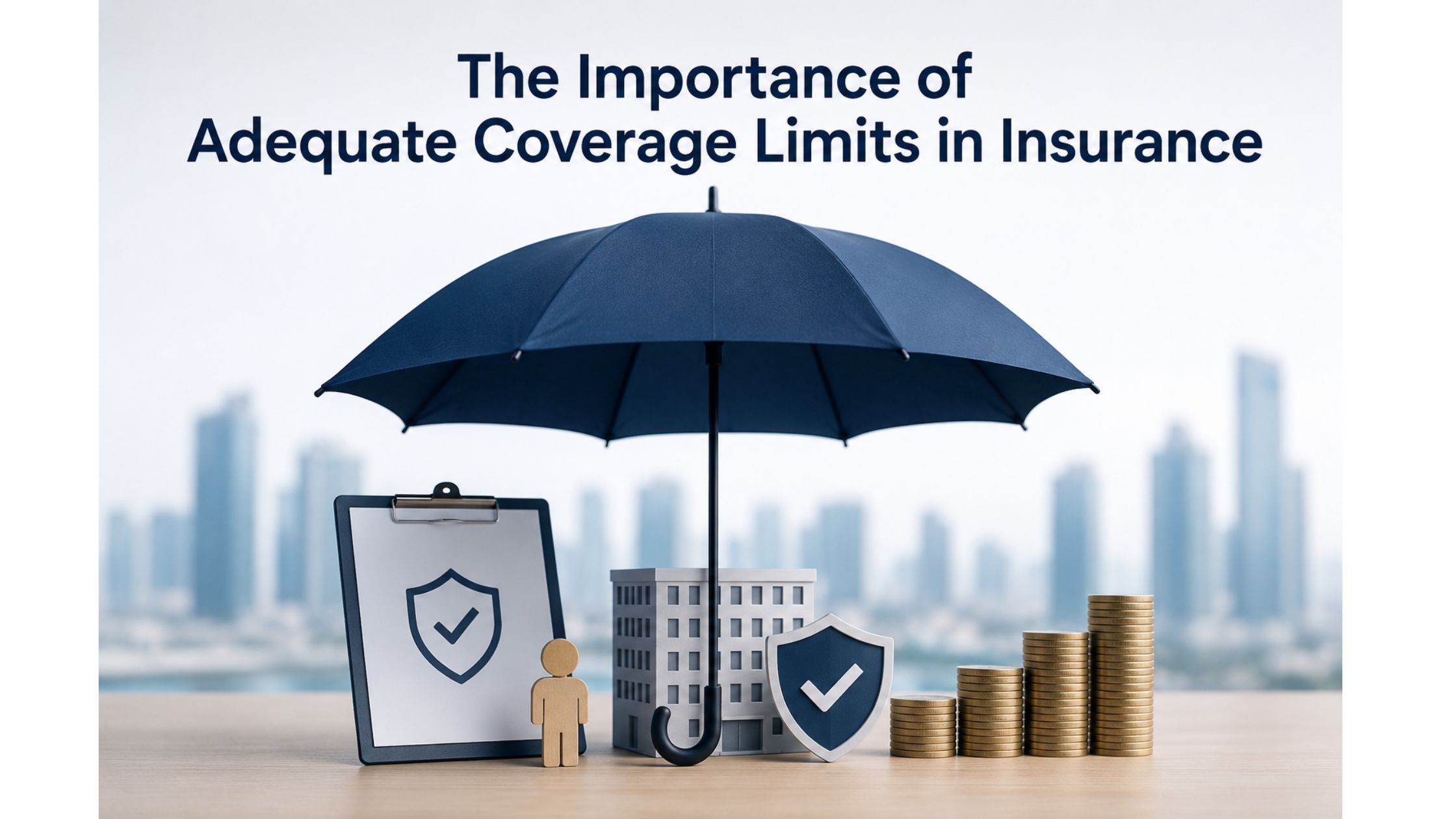
The Importance of Adequate Coverage Limits in Insurance
Professional Indemnity InsuranceJun 22, 2026

The Importance of Adequate Coverage Limits in Insurance

When purchasing insurance—especially Professional Indemnity Insurance, Health Insurance, or Liability Insurance—one of the most critical yet often overlooked factors is the coverage limit. The coverage limit is the maximum amount an insurer will pay for a claim. Choosing the right limit is essential because it directly determines how well you are protected when a major loss or legal claim occurs.Many businesses focus only on premiums, but inadequate coverage limits can lead to serious financial exposure. Understanding and selecting the right limit is not just a technical decision—it is a key risk management strategy. What Are Coverage Limits?Coverage limits refer to the maximum financial protection provided by an insurance policy. These limits can be defined in different ways:Per Claim Limit: Maximum amount payable for a single claimAggregate Limit: Total amount payable during the policy periodSub-limits: Specific caps for certain types of claims or coverage areasFor example, a Professional Indemnity policy may offer AED 1 million per claim and AED 2 million in total for the policy year. Why Adequate Coverage Limits Matter1. Protection Against Large Financial LossesLegal claims, compensation demands, and damages can quickly become expensive. If your coverage limit is too low, you may need to pay the remaining amount out of pocket.Adequate coverage ensures that your business is financially protected even in high-value claims. This prevents a single incident from affecting your financial stability. 2. Rising Cost of Legal ClaimsLegal fees, court costs, and settlements are increasing globally. Even minor professional disputes can escalate into significant financial burdens.Higher coverage limits help absorb these rising costs and ensure you are not underinsured in a changing legal environment. 3. Client and Contract RequirementsMany clients, especially corporate and government entities, require professionals to maintain a minimum level of insurance coverage.Having adequate limits not only helps you meet contractual obligations but also improves your credibility and competitiveness in the market. 4. Protection for High-Risk ProfessionsCertain industries—such as engineering, architecture, finance, consulting, and healthcare—carry higher liability risks.For these professions, low coverage limits can be extremely dangerous because even a small error can lead to large compensation claims. Adequate limits ensure better protection against high-value exposures. 5. Safeguarding Business ReputationIf a claim exceeds your insurance limit, your business may be forced to pay the remaining amount, potentially affecting financial resources and reputation.Adequate coverage ensures claims are handled professionally without putting your brand image or financial stability at risk. Risks of Choosing Low Coverage LimitsSelecting insufficient coverage may lead to several problems:Out-of-pocket payments for large claimsFinancial stress during legal disputesBusiness disruption or closure in severe casesLoss of client trust and credibilityDifficulty securing future contractsUnderinsurance is often more damaging than having no insurance at all in extreme cases. How to Determine the Right Coverage LimitChoosing the correct limit depends on several factors:1. Nature of Your BusinessHigh-risk professions require higher limits compared to low-risk service providers.2. Size of Contracts and ClientsLarger projects and corporate clients typically require higher insurance coverage.3. Potential Financial ExposureEstimate the maximum possible loss your business could face from a single claim.4. Regulatory or Contractual RequirementsSome industries or contracts specify minimum insurance limits.5. Risk AppetiteBusinesses must balance affordability with sufficient protection. The Role of Insurance AdvisorsInsurance professionals play a key role in helping businesses determine the right coverage limits. They assess risk exposure, industry standards, and contract requirements to recommend suitable protection levels.Working with an expert ensures that your policy is neither underinsured nor unnecessarily expensive. Adequate coverage limits are the foundation of effective insurance protection. Whether it is Professional Indemnity Insurance or any other policy, choosing the right limit ensures that your business is fully protected against unexpected financial losses.Underestimating your coverage needs can lead to serious financial consequences, while the right limit provides confidence, stability, and long-term security. In today’s competitive and risk-driven business environment, proper coverage limits are not optional—they are essential.  

READ THE FULL BRIEFING
Claims Covered Under Professional Indemnity Insurance in UAE
Professional Indemnity InsuranceMay 07, 2026

Claims Covered Under Professional Indemnity Insurance in UAE

Professionals across the UAE such as consultants, doctors, engineers, and IT specialists—face risks when providing advice or services. Even a small error or misunderstanding can lead to financial loss for clients and legal action against your business. This is where professional indemnity insurance plays a critical role by protecting you against such claims.What is Professional Indemnity Insurance?Professional indemnity insurance (PII) is designed to protect businesses and individuals against claims arising from professional mistakes, negligence, or failure to deliver services as promised. It covers legal costs, compensation payouts, and related expenses. In the UAE, it is essential for many regulated professions and highly recommended for service-based businesses.Types of Claims Covered Under Indemnity Insurance in UAE1. Professional NegligenceIf a client suffers financial loss due to your mistake, oversight, or failure to meet professional standards, they may file a negligence claim. Indemnity insurance covers legal defense costs and compensation. This is one of the most common claims in service-based industries.2. Errors and OmissionsEven experienced professionals can make unintentional errors or miss critical details. If such mistakes lead to client losses, you may be held liable. The policy covers claims arising from these errors or omissions in your work.3. Breach of DutyA breach of professional duty occurs when a service does not meet the agreed terms or expected standards. Clients may claim damages if they believe your service caused them harm or financial loss. Indemnity insurance helps manage these legal and financial consequences.4. Defamation If your professional advice, reports, or statements unintentionally harm someone’s reputation, you could face a defamation claim. This includes both written  and spoken  statements. Many indemnity policies cover legal costs associated with such claims.5. Loss of Documents or DataLosing important client documents or sensitive data can lead to serious consequences. If the loss results in financial damage to the client, they may seek compensation. Indemnity insurance covers the costs associated with such incidents.6. Intellectual Property InfringementProfessionals may unintentionally use copyrighted materials, trademarks, or designs belonging to others. If a claim arises due to intellectual property infringement, the policy can provide coverage. This is especially relevant for consultants, designers, and IT professionals.7. Misrepresentation or Incorrect AdviceProviding incorrect or misleading advice can result in financial loss for clients. Even if unintentional, you may be held responsible. Indemnity insurance covers claims related to misrepresentation or inaccurate guidance.8. Legal Defense CostsRegardless of whether a claim is valid or not, defending yourself legally can be expensive. Indemnity insurance covers lawyer fees, court costs, and investigation expenses. This ensures your business is financially protected during legal disputes.What is Not Covered?While professional indemnity insurance offers broad protection, it does not cover everything. Common exclusions include:Intentional wrongdoing or fraudCriminal actsGeneral business risks not related to professional servicesClaims arising from undisclosed informationUnderstanding exclusions is just as important as knowing what’s covered. Why It’s Important in the UAEIn the UAE, many industries require professional indemnity insurance as part of licensing or regulatory compliance. It protects not only your finances but also your professional reputation. Having the right coverage builds trust with clients and strengthens your credibility in the market.Professional indemnity insurance is essential for protecting your business against claims arising from professional services. From negligence and errors to legal defense costs, it acts as a safety net in challenging situations. By understanding what claims are covered, you can choose the right policy and operate your business with confidence. 

READ THE FULL BRIEFING
Risk Management Strategies for UAE Professionals
Professional Indemnity InsuranceMay 07, 2026

Risk Management Strategies for UAE Professionals

In today’s fast-paced business environment, professionals in the UAE face a wide range of risks—from legal liabilities to financial uncertainties. Whether you are a consultant, doctor, engineer, or freelancer, managing risk is essential for long-term success. Implementing effective risk management strategies helps protect your reputation, finances, and business continuity. What is Risk Management?Risk management is the process of identifying, assessing, and controlling potential threats that could impact your professional services or business operations. These risks can include legal claims, operational errors, cyber threats, or financial losses. A structured approach ensures you are prepared for uncertainties and can respond effectively. Key Risk Management Strategies for UAE Professionals1. Identify and Assess Potential RisksThe first step is to understand the types of risks your profession faces. This may include professional errors, client disputes, regulatory compliance issues, or cyber risks. Conducting regular risk assessments helps you stay aware and proactive.2. Maintain Proper DocumentationAccurate documentation is critical in protecting yourself from disputes and claims. Keep records of contracts, communications, reports, and approvals. Proper documentation serves as evidence in case of legal or client-related issues.3. Ensure Regulatory ComplianceProfessionals in the UAE must comply with industry regulations and licensing requirements. Non-compliance can lead to penalties, legal action, or business disruption. Staying updated with local laws ensures smooth operations and reduces legal risks.4. Invest in Professional Indemnity InsuranceProfessional indemnity insurance is one of the most effective ways to manage risk. It protects you against claims arising from errors, negligence, or failure to deliver services. This coverage ensures financial protection and peace of mind.5. Implement Cybersecurity MeasuresWith increasing digitalization, cyber threats are a major concern for professionals. Protect sensitive client data with secure systems, encryption, and regular software updates. Strong cybersecurity reduces the risk of data breaches and financial loss.6. Use Clear Contracts and AgreementsAlways define the scope of work, responsibilities, and deliverables in written contracts. Clear agreements help avoid misunderstandings and disputes with clients. They also provide legal protection in case of conflicts.7. Continuous Training and Skill DevelopmentKeeping your skills and knowledge up to date reduces the risk of errors in your work. Attend training programs, certifications, and workshops relevant to your industry. Well-informed professionals are less likely to face claims or complaints.8. Monitor and Review Risks RegularlyRisk management is not a one-time process—it requires continuous monitoring. Regularly review your processes, policies, and potential threats. This helps you adapt to changes in the market and stay prepared.9. Financial Planning and Contingency FundsUnexpected situations can lead to financial strain. Maintaining a contingency fund helps you manage emergencies without disrupting operations. Proper financial planning ensures stability during uncertain times.10. Build Strong Client RelationshipsClear communication and transparency with clients reduce misunderstandings. Satisfied clients are less likely to raise disputes or claims. Building trust is a powerful way to minimize professional risks.Why Risk Management is Important in the UAEThe UAE has a dynamic and highly regulated business environment. Professionals are expected to maintain high standards of service and accountability. Effective risk management not only ensures compliance but also enhances credibility and business growth.Risk management is essential for every professional operating in the UAE. By identifying risks, maintaining compliance, securing insurance, and improving processes, you can protect your business from potential threats. A proactive approach ensures long-term success, stability, and confidence in your professional journey. 

READ THE FULL BRIEFING