Choosing the Right Professional Indemnity Coverage Limit
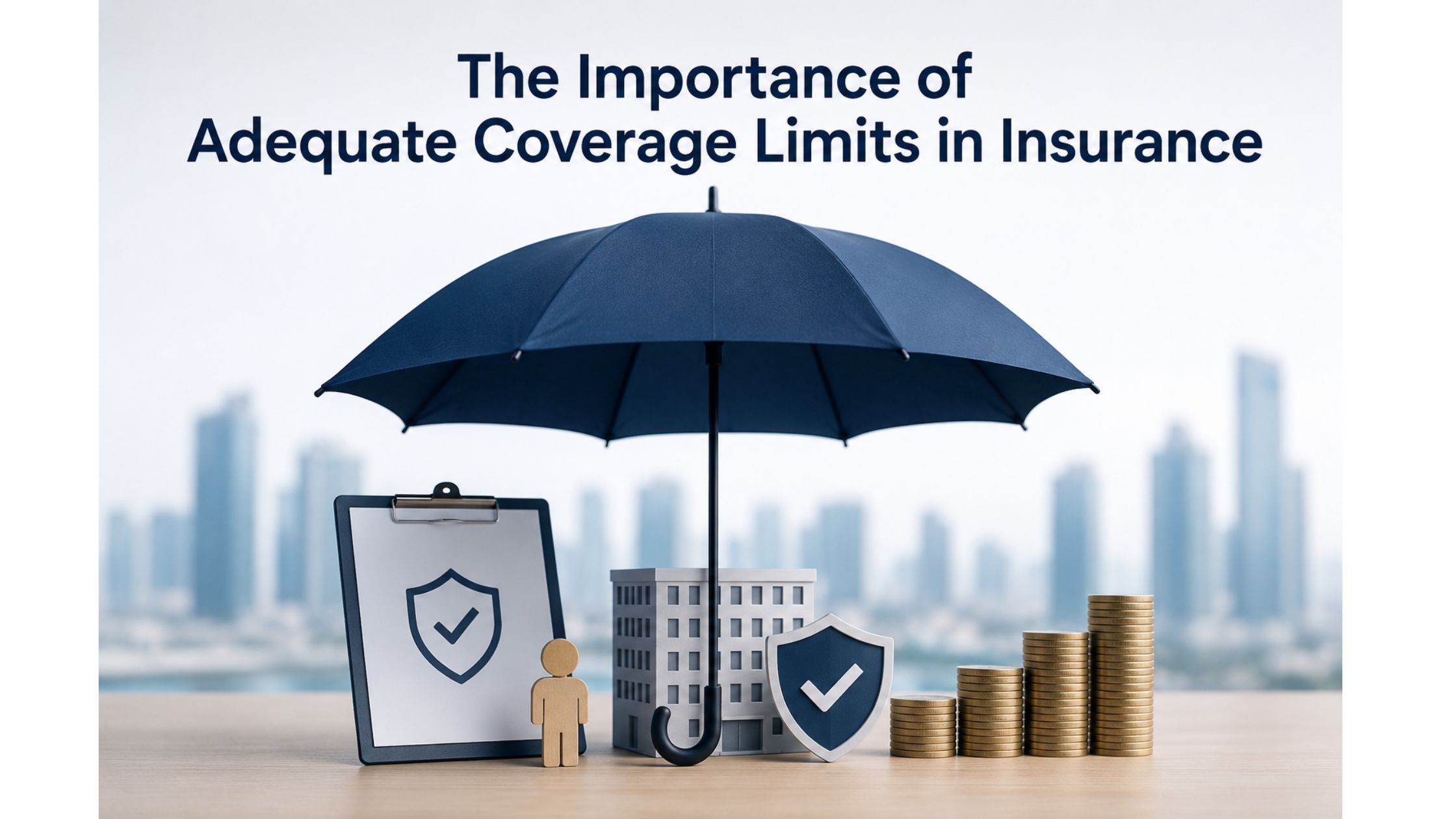
When purchasing insurance—especially Professional Indemnity Insurance, Health Insurance, or Liability Insurance—one of the most critical yet often overlooked factors is the coverage limit. The coverage limit is the maximum amount an insurer will pay for a claim. Choosing the right limit is essential because it directly determines how well you are protected when a major loss or legal claim occurs.
Many businesses focus only on premiums, but inadequate coverage limits can lead to serious financial exposure. Understanding and selecting the right limit is not just a technical decision—it is a key risk management strategy.
What Are Coverage Limits?
Coverage limits refer to the maximum financial protection provided by an insurance policy. These limits can be defined in different ways:
For example, a Professional Indemnity policy may offer AED 1 million per claim and AED 2 million in total for the policy year.
Why Adequate Coverage Limits Matter
1. Protection Against Large Financial Losses
Legal claims, compensation demands, and damages can quickly become expensive. If your coverage limit is too low, you may need to pay the remaining amount out of pocket.
Adequate coverage ensures that your business is financially protected even in high-value claims. This prevents a single incident from affecting your financial stability.
2. Rising Cost of Legal Claims
Compare Professional Indemnity Insurance from trusted UAE insurers.
Legal fees, court costs, and settlements are increasing globally. Even minor professional disputes can escalate into significant financial burdens.
Higher coverage limits help absorb these rising costs and ensure you are not underinsured in a changing legal environment.
3. Client and Contract Requirements
Many clients, especially corporate and government entities, require professionals to maintain a minimum level of insurance coverage.
Having adequate limits not only helps you meet contractual obligations but also improves your credibility and competitiveness in the market.
4. Protection for High-Risk Professions
Certain industries—such as engineering, architecture, finance, consulting, and healthcare—carry higher liability risks.
For these professions, low coverage limits can be extremely dangerous because even a small error can lead to large compensation claims. Adequate limits ensure better protection against high-value exposures.
5. Safeguarding Business Reputation
If a claim exceeds your insurance limit, your business may be forced to pay the remaining amount, potentially affecting financial resources and reputation.
Adequate coverage ensures claims are handled professionally without putting your brand image or financial stability at risk.
Risks of Choosing Low Coverage Limits
Selecting insufficient coverage may lead to several problems:
Underinsurance is often more damaging than having no insurance at all in extreme cases.
Compare Professional Indemnity Insurance designed for professionals and businesses.
How to Determine the Right Coverage Limit
Choosing the correct limit depends on several factors:
1. Nature of Your Business
High-risk professions require higher limits compared to low-risk service providers.
2. Size of Contracts and Clients
Larger projects and corporate clients typically require higher insurance coverage.
3. Potential Financial Exposure
Estimate the maximum possible loss your business could face from a single claim.
4. Regulatory or Contractual Requirements
Some industries or contracts specify minimum insurance limits.
5. Risk Appetite
Businesses must balance affordability with sufficient protection.
The Role of Insurance Advisors
Insurance professionals play a key role in helping businesses determine the right coverage limits. They assess risk exposure, industry standards, and contract requirements to recommend suitable protection levels.
Working with an expert ensures that your policy is neither underinsured nor unnecessarily expensive.
Adequate coverage limits are the foundation of effective insurance protection. Whether it is Professional Indemnity Insurance or any other policy, choosing the right limit ensures that your business is fully protected against unexpected financial losses.
Underestimating your coverage needs can lead to serious financial consequences, while the right limit provides confidence, stability, and long-term security. In today’s competitive and risk-driven business environment, proper coverage limits are not optional—they are essential.
