How to avoid Travel Insurance Claim Rejection
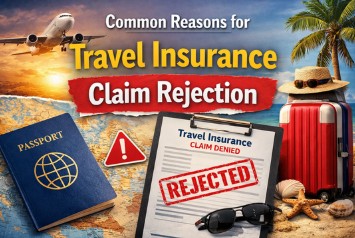
Travel insurance is designed to protect you from unexpected situations like medical emergencies, trip cancellations, or lost baggage. However, many travelers are surprised when their claims are rejected due to avoidable mistakes. Understanding the common reasons for claim rejection can help you stay prepared and ensure a smooth claims process.
1. Incomplete or Incorrect Documentation
One of the most common reasons for claim rejection is missing or incorrect documents. Insurance companies require proof such as medical reports, police reports (for theft), or airline confirmations. Without proper documentation, your claim may not be processed or could be denied altogether.
Tip: Always keep copies of all travel-related documents and submit complete paperwork.
2. Pre-Existing Medical Conditions Not Disclosed
Failing to disclose pre-existing medical conditions can lead to claim rejection. Most travel insurance policies require full transparency about your health history. If a claim is linked to an undisclosed condition, it is likely to be denied.
Tip: Always declare your medical history honestly while purchasing the policy.
3. Claims Outside Policy Coverage
Every travel insurance policy has specific inclusions and exclusions. Claims made for situations not covered under the policy—such as certain adventure sports or non-covered illnesses—are rejected. Lack of understanding of policy terms often leads to such issues.
Get the right travel insurance before your next journey.
Tip: Read your policy document carefully to know what is covered and what is not.
4. Delay in Claim Intimation
Insurance companies require claims to be reported within a specific timeframe. Delays in notifying the insurer can raise concerns about the validity of the claim. This often results in rejection, especially in emergency situations.
Tip: Inform your insurer immediately after an incident occurs.
5. Traveling Against Government Advice
If you travel to a destination against official government travel advisories, your claim may not be valid. Insurers consider such travel as high-risk and may exclude coverage. This is especially relevant during political unrest or health crises.
Tip: Always check travel advisories before planning your trip.
6. Alcohol or Drug Influence
Claims related to incidents occurring under the influence of alcohol or drugs are usually rejected. This includes accidents, injuries, or loss of belongings. Insurance providers consider such situations as avoidable risks.
Tip: Stay responsible and avoid risky behavior during your trip.
7. Lack of Proof for Loss or Theft
If your baggage or belongings are lost or stolen, you must provide proof such as a police report or airline report. Without official documentation, insurers cannot verify the claim. This often leads to rejection.
Compare travel insurance plans and enjoy every trip with confidence.
Tip: Report theft or loss immediately to the relevant authorities and collect written proof.
8. Policy Expiry or Lapse
Claims made after the policy has expired are not valid. Even a small gap in coverage can result in claim rejection. Many travelers forget to renew or extend their policy for longer trips.
Tip: Ensure your policy is active for the entire duration of your travel.
9. Non-Medical Expenses Claimed as Medical
Sometimes travelers claim expenses that are not categorized as medical under the policy. For example, wellness treatments or non-essential procedures may not be covered. This misunderstanding can lead to rejection.
Tip: Verify eligible medical expenses before filing a claim.
10. Fraudulent or Exaggerated Claims
Submitting false or exaggerated claims is a serious offense and leads to immediate rejection. Insurance companies conduct thorough investigations before approving claims. Fraud can also lead to policy cancellation or legal action.
Tip: Always provide honest and accurate information.
Travel insurance is a valuable safety net, but only when used correctly. Most claim rejections happen due to lack of awareness or simple mistakes that can easily be avoided. By understanding policy terms, maintaining proper documentation, and acting promptly, you can ensure a smooth and successful claims experience.
